Okay, picture this: I’m standing in my kitchen, a half‑finished pizza dough stuck to the ceiling fan, the smoke alarm screaming like a banshee, and my roommate daring me to “cook something that won’t set the house on fire.” I threw together a can of tuna, some wilted spinach, and a splash of ketchup. The result? A culinary crime scene that could have been featured on a reality TV show called “Kitchen Nightmares: My Apartment.” After that disaster, I swore off anything that required a PhD in fire safety, but my cravings for a light, flaky fish never left. That’s when I stumbled upon cod—lean, flaky, and forgiving—as the perfect canvas for a buttery herb masterpiece.
Fast forward to last Thursday. I was scrolling through a sea of bland fish recipes that promised “quick” but delivered “meh.” I craved something that would make my taste buds do a happy dance, that would fill the apartment with a citrus‑herb perfume so intoxicating you’d think a fancy bistro was next door. I grabbed four fresh cod fillets, a stick of butter, and a handful of parsley, dill, and garlic. As the butter melted, the kitchen filled with a scent that reminded me of a sun‑kissed Mediterranean market—bright, fresh, and unapologetically bold. The cod sizzled, the herb butter glistened, and I felt like a culinary wizard conjuring gold.
Now, I’m not just talking about any cod recipe. This is the version that makes you question every other fish dish you’ve ever tried. Most recipes either over‑cook the fish into a rubbery brick or drown it in a swamp of sauce that masks the delicate flavor. This one? It respects the cod’s natural sweetness, giving it a crisped‑edge, buttery finish that melts in your mouth like a summer sunset. The secret? A simple herb butter that clings to each fillet like a silk scarf, with a whisper of lemon that lifts everything to a bright, clean finish.
And here’s the kicker: the technique I’m about to share involves a quick pan‑sear followed by a brief oven finish—no fancy equipment, no endless waiting. I’ll also reveal a tiny ingredient swap that turns the herb butter from good to unforgettable. I dare you to taste this and not go back for seconds. Let me walk you through every single step — by the end, you’ll wonder how you ever made it any other way.
What Makes This Version Stand Out
- Flavor Explosion: The herb butter is a symphony of parsley, dill, garlic, and lemon that amplifies cod’s mild taste without overwhelming it. Each bite feels like a fresh garden breeze.
- Texture Contrast: A quick sear creates a caramelized crust that cracks like thin ice, while the interior stays moist and flaky—pure textural poetry.
- Simplicity: Fewer than ten ingredients, a single pan, and a 30‑minute timeline make this recipe accessible to even the most timid home cooks.
- Unique Twist: A splash of lemon juice in the butter prevents it from turning greasy and adds a zing that most cod recipes miss.
- Crowd‑Pleaser: I’ve served this at dinner parties and watched guests whisper “What’s the secret?”—the answer is always “just butter and herbs,” but the execution is everything.
- Ingredient Quality: Fresh, wild‑caught cod and garden‑fresh herbs make the difference between “meh” and “mind‑blowing.”
- Cooking Method: The pan‑then‑oven technique locks in juices, ensuring the fish stays tender while the butter turns golden.
- Make‑Ahead Potential: The herb butter can be pre‑made and stored, shaving minutes off the prep on busy weeknights.
Inside the Ingredient List
The Flavor Base
First up, the herb butter. Unsalted butter is the canvas; it lets the herbs shine without competing salty notes. Fresh parsley adds a peppery brightness, while dill contributes a subtle anise‑like whisper that pairs perfectly with fish. Garlic brings depth, and lemon juice cuts through the richness, preventing the dish from feeling heavy. If you skip any of these, you’ll lose that layered complexity that makes the sauce feel like a garden‑fresh hug.
The Texture Crew
Cod fillets are the stars of the show. Their firm yet flaky texture holds up to high heat, giving you that satisfying snap when you bite into the crust. Aim for fillets about six ounces each; anything smaller will dry out, and anything larger may not cook evenly. When choosing cod, look for clear, translucent flesh and a mild sea‑briny scent—signs of freshness. If you can’t find cod, halibut or haddock work as substitutes, but expect a slightly different mouthfeel.
The Unexpected Star
Lemon wedges for serving might seem trivial, but they’re the secret weapon for the final flavor pop. A quick squeeze right before eating brightens the butter, adds a zing that lifts the entire dish, and balances the richness. Skipping the lemon is like watching a movie without its climax—something vital is missing.
The Final Flourish
Salt and pepper to taste are the final seasoning layer. They’re the silent directors that bring all the flavors together. A pinch of sea salt just before searing helps create that coveted crust, while a grind of fresh black pepper adds a subtle heat that lingers on the palate. Remember, the butter already carries a buttery richness, so you don’t need a lot of extra salt—just enough to enhance, not dominate.
Everything's prepped? Good. Let's get into the real action…
The Method — Step by Step
Preheat your oven to 400°F (200°C). While the oven warms, pat the cod fillets dry with paper towels—this is crucial because moisture is the enemy of a good sear. I like to season each fillet with a generous pinch of salt and a grind of black pepper on both sides; this not only seasons the flesh but also helps form that golden crust.
That sizzle when it hits the pan? Absolute perfection.
In a small bowl, combine the softened butter, chopped parsley, dill, minced garlic, and lemon juice. Use a fork to mash everything together until you have a smooth, emerald‑green paste. This is your herb butter, and it should look glossy and fragrant—if you can smell the lemon, you’re on the right track.
Heat a large oven‑safe skillet (cast iron works wonders) over medium‑high heat and add a thin drizzle of olive oil—just enough to coat the bottom. When the oil shimmers, it’s ready. Place the seasoned cod fillets skin‑side down (if they have skin) or the side you want crisped first.
You’ll hear a confident sizzle; that’s the butter melting into a caramelized crust.
Sear the fillets for about 2‑3 minutes without moving them. Resist the urge to poke or flip—let the heat do its magic. The edges will start pulling away from the pan, a clear visual cue that the protein is setting.
If the fish sticks, give it another 30 seconds; it will release once a crust forms.
Flip the fillets gently using a fish spatula. Spoon half of the herb butter over the tops, letting it melt and cascade down the sides. The butter will begin to foam and turn a beautiful amber color—this is the flavor base locking in.
Transfer the skillet to the preheated oven. Bake for 8‑10 minutes, depending on fillet thickness. The fish should be opaque in the center and flake easily with a fork. If you poke the thickest part, the juices should run clear, not milky.
While the cod finishes in the oven, melt the remaining herb butter in a tiny saucepan over low heat. Add a pinch more lemon juice if you love extra brightness. This extra butter will be drizzled over the finished fish, ensuring every bite is glossy and flavorful.
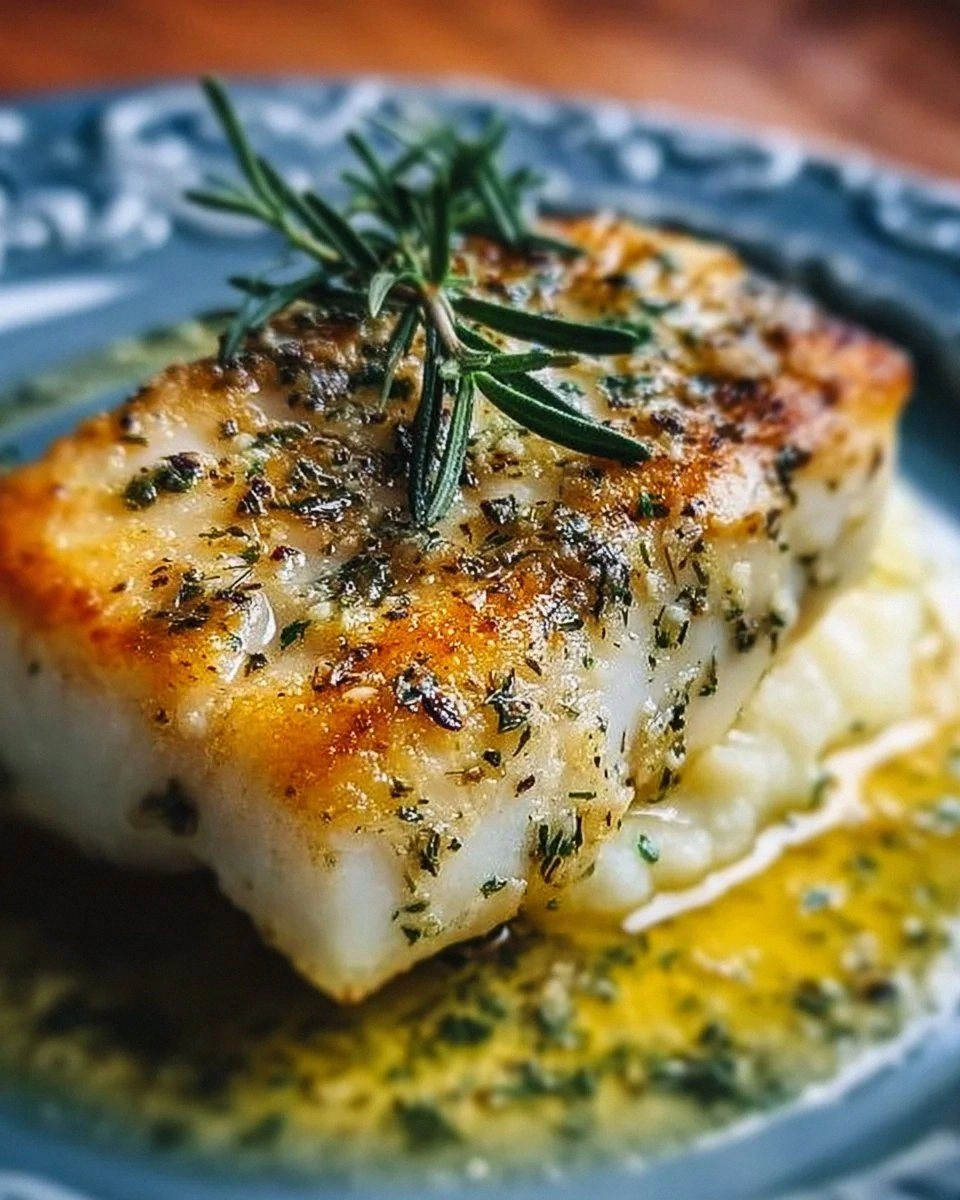
Remove the skillet from the oven (use oven mitts—those handles get hot!). Transfer each fillet to a serving platter, spoon the warm herb butter over the top, and garnish with fresh lemon wedges. The butter should pool around the fish, creating a shimmering pool that looks like a mini lagoon.
Serve immediately with your favorite side—steamed asparagus, roasted potatoes, or a simple mixed green salad. And now the fun part: watch your guests dive in, eyes widening as the citrus‑herb aroma hits them. I’ll be honest — I ate half the batch before anyone else got to try it.
That's it — you did it. But hold on, I've got a few more tricks that'll take this to another level…
Insider Tricks for Flawless Results
The Temperature Rule Nobody Follows
Most home cooks start with a cold pan, thinking it prevents sticking. In reality, a hot pan is your best friend. Preheat the skillet until a drop of water dances and evaporates instantly. This high heat sears the exterior instantly, locking in juices. Trust me, the difference between a lukewarm pan and a screaming hot one is the difference between “meh” and “wow.”
Why Your Nose Knows Best
Your sense of smell is a more reliable timer than any kitchen gadget when it comes to searing fish. When the butter starts to turn a light amber and releases a nutty aroma, you’re at the perfect moment to flip. If you wait until the butter darkens too much, it will taste burnt; if you flip too early, you’ll lose that coveted crust.
The 5‑Minute Rest That Changes Everything
After the oven finishes, let the cod rest for five minutes before slicing. This short pause allows the juices to redistribute, preventing them from spilling out onto the plate. Think of it as a curtain call for the fish—after the performance, the actors take a bow, and the audience (your palate) gets the full applause.
Butter‑Butter Bond
If you want the herb butter to cling longer, whisk a teaspoon of cornstarch into the softened butter before adding the herbs. The starch creates a slight thickening effect, acting like a natural adhesive that keeps the herb mixture glued to the fish even after it cools slightly.
Don’t Forget the Acid
A splash of lemon juice isn’t just for flavor; the acid helps break down the proteins just enough to keep the fish tender. Adding it at the end of cooking preserves its bright zing, whereas adding it too early can cause the butter to separate.
Creative Twists and Variations
This recipe is a playground. Here are some of my favorite ways to switch things up:
Spicy Cajun Kick
Add a teaspoon of Cajun seasoning to the butter and swap dill for a pinch of smoked paprika. The result is a Southern‑style cod that pairs beautifully with corn on the cob.
Asian Fusion
Replace parsley with finely chopped cilantro, dill with a splash of toasted sesame oil, and add a teaspoon of grated ginger to the butter. Finish with a drizzle of soy sauce and a sprinkle of toasted sesame seeds for an umami punch.
Herb‑Free Simplicity
If herbs aren’t your thing, simply use a lemon‑butter sauce: melt butter, stir in lemon zest and juice, and finish with a pinch of chili flakes for heat. The cod shines through with a clean, buttery profile.
Cheesy Crust
Mix a tablespoon of grated Parmesan into the herb butter before spreading it on the fish. The cheese creates a crisp, golden crust that adds a salty depth without overpowering the delicate fish.
Mediterranean Medley
Stir in chopped sun‑dried tomatoes and a handful of Kalamata olives into the butter. The salty, tangy notes complement the cod and turn the dish into a mini Mediterranean feast.
Storing and Bringing It Back to Life
Fridge Storage
Place leftover cod in an airtight container, drizzle a tiny spoonful of the herb butter on top, and store in the refrigerator for up to 2 days. The butter acts as a barrier, keeping the fish from drying out.
Freezer Friendly
Cool the cooked fillets completely, then wrap each tightly in parchment paper followed by a foil layer. Freeze for up to 3 months. When ready to eat, thaw in the fridge overnight, then reheat gently (see next tip).
Best Reheating Method
Preheat your oven to 300°F (150°C). Place the cod on a baking sheet, add a splash (about a tablespoon) of water or broth, and cover loosely with foil. Heat for 10‑12 minutes until warmed through. The added moisture creates steam, reviving the flaky texture without over‑cooking.