I’ll be honest — I ate half the batch before anyone else got a chance to try it, and that’s because this dish turned a simple weeknight dinner into a full‑blown flavor fireworks show. It all started on a rainy Tuesday when my pantry was looking sad, my cravings were screaming for something sweet‑savory, and a friend dared me to “cook something that would make their grandma weep.” I grabbed the first thing I could find: a bottle of apple cider that had been sitting untouched for weeks, a pork tenderloin that was practically begging for a makeover, and a couple of sweet potatoes that I’d normally roast for a side. The kitchen filled with the sound of sizzling oil, the sweet perfume of caramelizing onions, and a whisper of thyme that made me feel like I was in a rustic farmhouse kitchen rather than my cramped apartment.
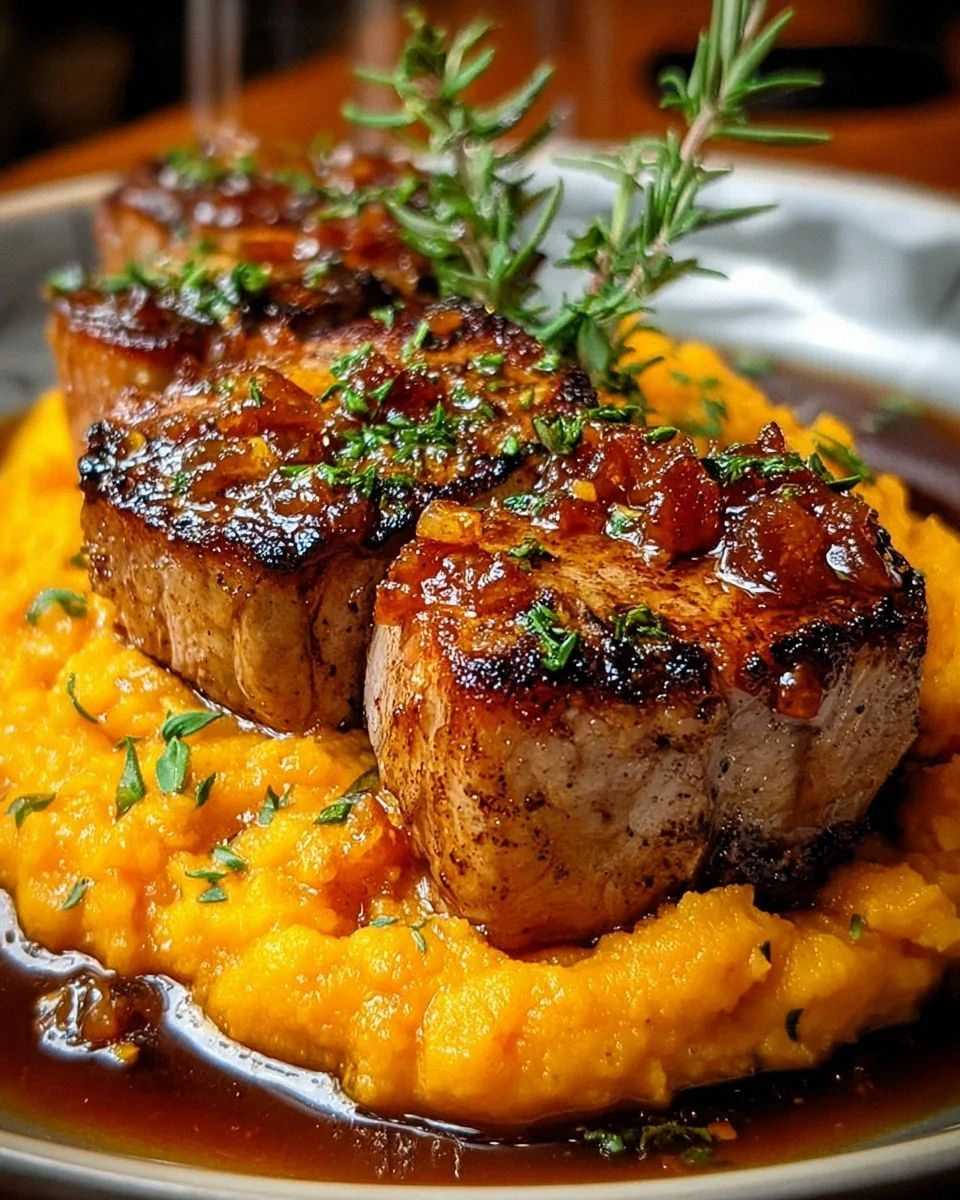
Picture this: the pork medallions, seared to a perfect golden crust, then bathed in a glossy cider reduction that clings to each bite like a silk scarf. The mashed sweet potatoes are so creamy they could double as a dip, with a hint of cinnamon that makes you think of holiday mornings even in the middle of summer. The sauce? It’s a buttery, slightly thickened glaze that balances the pork’s richness with the cider’s bright acidity, and a touch of cornstarch for that velvety finish. I dare you to taste this and not go back for seconds; the combination is so addictive you’ll start planning your next dinner around it before the plates are even cleared.
Most recipes get this completely wrong by either overcooking the pork or drowning the sweet potatoes in a bland mash. Here’s what actually works: a quick sear to lock in juices, a deglaze with apple cider that reduces just enough to concentrate flavor, and a mash that stays light yet indulgent thanks to a splash of heavy cream. The secret technique I’m about to reveal is a simple deglazing trick that turns pan‑fond into a sauce base without any fancy equipment. It’s the kind of hack that makes you feel like a culinary wizard, and trust me, you’ll want to brag about it at every dinner party.
Okay, ready for the game‑changer? We’re going to walk through every single step, from selecting the perfect pork tenderloin to mastering the silky sweet potato mash, and I promise by the end you’ll wonder how you ever made it any other way. Stay with me here — this is worth it. Let’s dive in and turn ordinary ingredients into an unforgettable feast.
What Makes This Version Stand Out
- Flavor Explosion: The apple cider reduction creates a sweet‑tangy glaze that hugs the pork like velvet, while the thyme adds an earthy depth that makes each bite sing.
- Texture Harmony: You get a crisp, caramelized crust on the pork medallions, a silky, buttery sauce, and a cloud‑like mash that melts in your mouth.
- Simplicity Meets Sophistication: Only a handful of pantry staples are needed, yet the result feels restaurant‑grade without any complicated steps.
- Ingredient Quality: Using fresh apple cider (not the concentrate) and a good‑quality pork tenderloin makes the difference between “good” and “wow‑worthy.”
- Crowd‑Pleaser: This dish consistently earns rave reviews at family gatherings; kids love the sweet potatoes, adults love the depth of the pork sauce.
- Make‑Ahead Friendly: The pork can be cooked ahead of time and reheated gently, while the mash stays creamy when warmed with a splash of milk.
- Seasonal Flexibility: Perfect for crisp autumn evenings or cozy winter nights, but bright enough to shine in summer if you swap the cider for a light apple juice.
- Visual Appeal: The deep amber glaze contrasted with the orange‑gold mash looks like a painting on a plate, making it Instagram‑ready without any effort.
Inside the Ingredient List
The Flavor Base
The combination of apple cider, onion, and garlic forms the aromatic backbone of this dish. Apple cider brings a natural sweetness and acidity that cuts through the pork’s richness, while the onions caramelize into a sweet, almost jam‑like consistency that deepens the sauce. Garlic adds that unmistakable punch you expect from any great pork recipe; if you skip it, the sauce loses its aromatic lift and feels a bit flat. For a twist, you can substitute a splash of white wine for half the cider to add a subtle fruity note.
The Texture Crew
Olive oil and butter are the dynamic duo that give you both a high smoke‑point sear and a luxurious finish. Olive oil handles the initial sear without burning, while butter finishes the sauce with a glossy sheen and a hint of richness. Thyme, whether fresh or dried, infuses the pork with an earthy aroma that complements the cider’s fruitiness. Salt and pepper are the unsung heroes; they amplify every other flavor, so don’t be shy when seasoning.
The Unexpected Star
Cornstarch is optional, but if you love a sauce that clings to the pork like a second skin, a tablespoon whisked into a cold water slurry and added at the end will thicken the glaze without making it gummy. Sweet potatoes are the heart of the side dish, providing natural sweetness and a creamy texture that balances the savory pork. Heavy cream (or milk for a lighter version) turns the mash into a velvety cloud, while a pinch of cinnamon adds a whisper of warmth that ties the whole plate together.
The Final Flourish
A final drizzle of melted butter right before serving adds a luxurious mouthfeel, and a sprinkle of fresh thyme leaves gives a pop of color and fresh aroma. If you’re feeling adventurous, a dash of smoked paprika can add a subtle smoky undertone that pairs beautifully with the cider’s sweetness. When it comes to selecting pork tenderloin, look for a piece that’s uniform in thickness; this ensures even cooking and prevents any dry edges. A quick tip: pat the pork dry with paper towels before seasoning; moisture is the enemy of a good sear.
Everything's prepped? Good. Let's get into the real action...
The Method — Step by Step
- Prep the Pork: Trim any silver skin from the pork tenderloin and slice it into 1‑inch medallions. Pat them dry, then season generously with salt, pepper, and half of the thyme. I like to let the seasoned pork sit for five minutes while I heat the pan; this short rest lets the seasoning penetrate the meat, creating a deeper flavor profile.
- Sear the Medallions: Heat a large skillet over medium‑high heat, add 2 tablespoons of olive oil, and wait until it shimmers. Lay the pork pieces in a single layer, giving them space to breathe — crowding will steam rather than sear. You’ll hear a satisfying sizzle that signals a crust forming; let them cook undisturbed for about 2‑3 minutes per side until they’re golden brown and just pink in the center.
- Remove and Rest: Transfer the pork to a plate, cover loosely with foil, and let it rest while you build the sauce. This rest period is crucial; it allows the juices to redistribute, preventing a dry bite later on.
- Build the Sauce Base: In the same skillet, add a splash more olive oil if needed, then toss in the sliced onion. Sauté for 4‑5 minutes until the edges turn translucent and the onions start to caramelize. Add the minced garlic and the remaining thyme, stirring for another 30 seconds until fragrant.
- Deglaze with Cider: Pour in 1 cup of fresh apple cider, scraping up any browned bits stuck to the pan — those are flavor gold. Reduce the liquid over medium heat until it’s about half its original volume; you’ll notice it thickening and taking on a deep amber hue. Kitchen Hack: Add a teaspoon of Dijon mustard at this stage for an extra layer of complexity without overpowering the cider.
- Finish the Glaze: Reduce the heat to low, stir in 2 tablespoons of butter until it melts into a glossy sheen. If you prefer a thicker sauce, whisk in the cornstarch slurry (1 tablespoon cornstarch mixed with 2 tablespoons cold water) and simmer for another minute until the sauce coats the back of a spoon. Taste and adjust salt and pepper as needed.
- Combine Pork and Sauce: Return the rested pork medallions to the skillet, turning them gently to coat each piece in the cider glaze. Let them simmer together for 2‑3 minutes so the pork absorbs the sauce’s flavor. Watch Out: Do not overcook the pork; it should stay juicy. Overcooking will turn it rubbery and ruin the delicate balance of the dish.
- Prepare the Sweet Potato Mash: While the pork finishes, peel and cube 2 pounds of sweet potatoes. Place them in a pot of salted water, bring to a boil, and cook until fork‑tender, about 12‑15 minutes. Drain well and return to the pot.
- Mash to Perfection: Add 2 tablespoons of butter, ½ cup of heavy cream (or milk), and a pinch of cinnamon to the potatoes. Use a potato masher or hand‑held mixer to achieve a smooth, airy consistency. Season with salt and pepper, then keep warm until ready to serve. Fun Fact: Sweet potatoes contain more beta‑carotene than carrots, giving them that vibrant orange hue and a subtle natural sweetness.
- Plate and Serve: Spoon a generous mound of mashed sweet potatoes onto each plate, arrange the cider‑glazed pork medallions on top, and drizzle any remaining sauce over everything. Garnish with a few fresh thyme sprigs for color and an aromatic finish. Picture yourself pulling this out of the oven, the whole kitchen smelling incredible — that’s the moment you’ll want to capture forever.
Insider Tricks for Flawless Results
The Temperature Rule Nobody Follows
Never cook pork tenderloin straight from the fridge. Let it sit at room temperature for 20‑30 minutes before searing; this ensures even cooking and prevents the outside from overcooking while the inside stays raw. I once tossed a cold tenderloin into a hot pan and ended up with a burnt crust and a pink center that never finished cooking. The difference? A perfectly pink‑inside, juicy medallion every time.
Why Your Nose Knows Best
When the cider reduction is simmering, trust your sense of smell more than the clock. The sauce is ready when it smells sweet, slightly caramelized, and you can almost taste the tang on the tip of your nose. If you rely solely on timing, you might end up with a sauce that’s too thin or overly reduced and bitter. Let the aroma be your guide — it’s the most reliable indicator.
The 5‑Minute Rest That Changes Everything
After searing, the pork needs a brief rest. Those five minutes let the juices settle, turning what could be a dry bite into a melt‑in‑your‑mouth experience. Skipping this step is a rookie mistake; you’ll see the juices spill out onto the plate, leaving the meat dry and the sauce thin. Trust the rest — it’s a game‑changer.
Butter Finish for a Silky Sauce
Adding butter at the very end of the sauce creation not only gives it a glossy sheen but also rounds out the acidity of the cider. The butter emulsifies with the reduced liquid, creating a luxurious mouthfeel that feels like a restaurant’s secret. If you want extra richness, swirl in a teaspoon of cream along with the butter.
Cinnamon Whisper
A pinch of cinnamon in the sweet potato mash adds warmth without overwhelming the dish. It’s subtle enough that most guests won’t even notice, but it creates a harmonious bridge between the sweet potatoes and the apple‑cider glaze. If you love spice, a dash of nutmeg works just as well, but keep it minimal.
Creative Twists and Variations
This recipe is a playground. Here are some of my favorite ways to switch things up:
Maple‑Glazed Pork
Swap half of the apple cider for pure maple syrup. The result is a richer, caramel‑like glaze that pairs beautifully with the sweet potatoes. Perfect for a brunch twist.
Spicy Apple Cider
Add a teaspoon of chipotle chili powder to the sauce for a smoky heat that cuts through the sweetness. This variation is a hit with anyone who loves a little kick.
Herb‑Infused Mash
Stir in fresh rosemary or sage into the sweet potato mash along with the butter. The herbaceous notes complement the thyme in the pork, creating a cohesive herb profile.
Crispy Pork Crust
Before searing, coat the pork medallions lightly in panko breadcrumbs mixed with a pinch of smoked paprika. You’ll get an ultra‑crunchy exterior that adds texture contrast.
Vegan Friendly
Replace pork with thick slices of tempeh or firm tofu, and use vegetable broth plus apple cider for the glaze. Use coconut cream instead of dairy for the mash. The flavor profile stays largely the same, making it a satisfying plant‑based option.
Storing and Bringing It Back to Life
Fridge Storage
Place the pork and sauce in an airtight container, and store the mashed sweet potatoes in a separate sealed bowl. They’ll keep for up to 4 days. When reheating, gently warm the pork in a skillet over low heat, adding a splash of water or extra cider to keep it moist.
Freezer Friendly
Both components freeze beautifully. Portion the pork with its sauce into freezer‑safe bags, and the mash into a freezer‑safe container. Label with the date; they’ll stay good for up to 3 months. Thaw overnight in the fridge, then reheat as described above.
Best Reheating Method
To revive the mash, add a tiny splash of milk or water and stir over low heat until creamy again. For the pork, a quick steam‑bath (a skillet with a lid and a few tablespoons of water) restores juiciness without drying it out. This trick ensures the dish tastes as fresh as the day you cooked it.