I was standing in my kitchen, staring at a half‑baked orange cake that had somehow turned into a dense brick, when my roommate dared me to “make something that looks like a candy shop but tastes like a sunrise.” I laughed, I sighed, and I grabbed the nearest orange‑scented thing I could find—an orange cake mix, a block of cream cheese, and a stash of orange candy melts. The result? A batch of orange‑kissed truffles that made the whole apartment smell like a citrus‑infused carnival. I dare you to taste this and not go back for seconds.
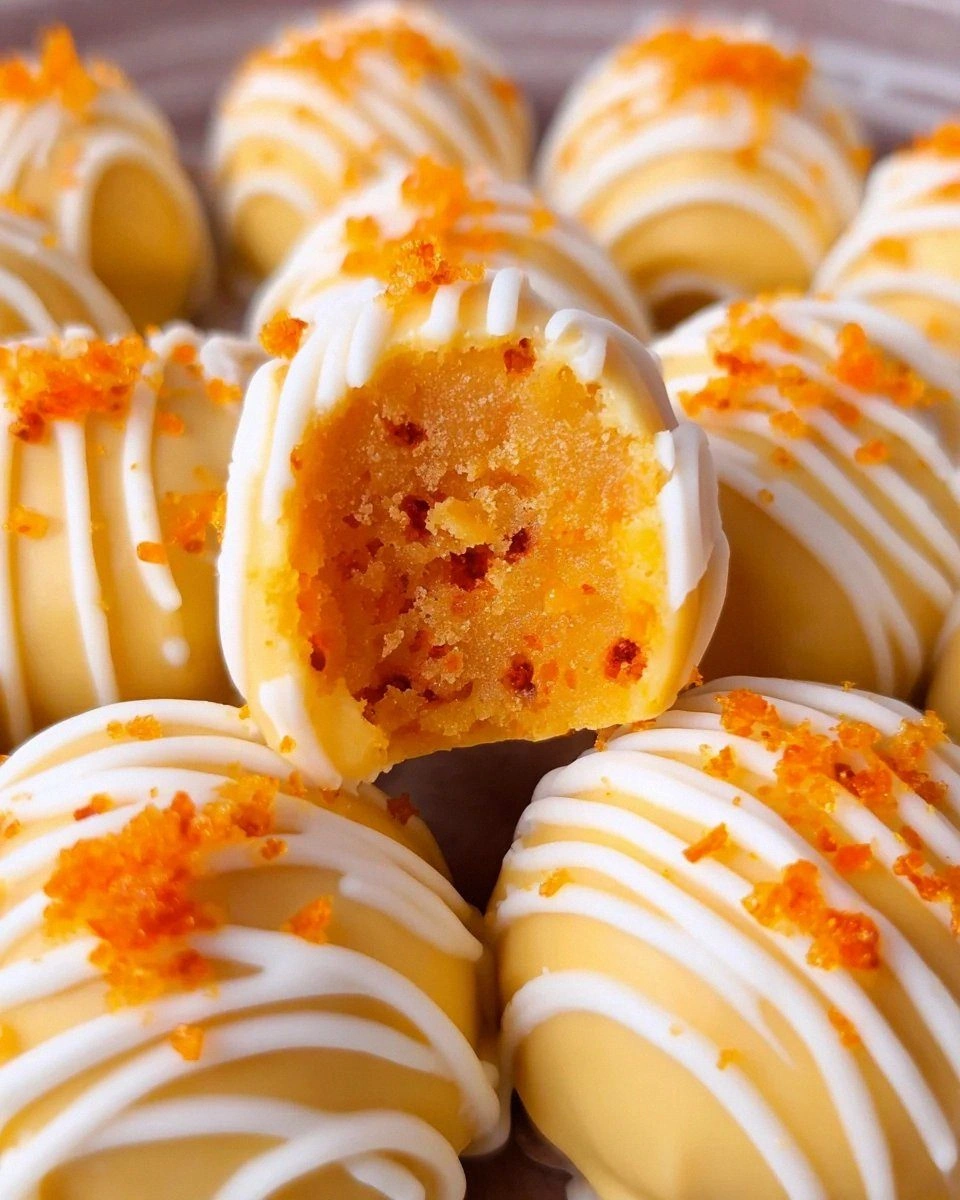
Picture this: the first bite hits you with a soft, cake‑like interior that crumbles like a cloud, then the glossy orange shell cracks with a satisfying snap, releasing a burst of citrus that tingles your tongue. The aroma wafts through the kitchen like a summer breeze through an open window, while the faint hiss of the melt cooling on the truffle feels like a tiny celebration in your ears. The texture dances—creamy, airy, and just the right amount of firm on the outside. If you’ve ever struggled with truffles that turn into chocolate‑y blobs, you’re not alone — and I’ve got the fix.
What makes this version stand out is the secret partnership between an orange cake mix and cream cheese. Most truffle recipes start with chocolate and butter; this one starts with a cake base that gives a light, spongy heart. The orange candy melts create a vibrant, glossy coat that’s both eye‑catching and flavor‑intense, while the white vanilla almond bark drizzle adds a sweet, buttery contrast that feels like a finishing brushstroke on a masterpiece. Most recipes get this completely wrong. Here’s what actually works: the cake mix provides structure without drying out the mixture, and the cream cheese binds everything together while adding a subtle tang.
And now the fun part: I’m going to reveal a technique you’ll rarely see—using a microwave‑softened orange candy melt to coat each truffle in a single, swift dip, then letting it set on parchment for a glossy finish that looks bakery‑ready. Okay, ready for the game‑changer? By the end of this post, you’ll be able to whip up these truffles faster than you can say “orange you glad you tried this?” Let me walk you through every single step — by the end, you’ll wonder how you ever made it any other way.
What Makes This Version Stand Out
- Flavor Explosion: The combination of orange cake mix and candy melts creates a citrus punch that’s brighter than any traditional chocolate truffle.
- Texture Contrast: A soft, cake‑like core meets a crisp, glossy shell, delivering a bite that’s both melt‑in‑your‑mouth and satisfyingly crunchy.
- Simplicity: No fancy tempering or heavy equipment—just a microwave, a bowl, and a handful of pantry staples.
- Unique Twist: Using an orange cake mix as the base is a game‑changer that most recipes overlook, giving you a light, airy interior.
- Crowd Reaction: These truffles have a “wow” factor that turns casual guests into raving fans—people actually ask for the recipe on the spot.
- Ingredient Quality: We rely on premium Duncan Hines cake mix and high‑quality candy melts to ensure flavor consistency.
- Method Mastery: The quick dip‑and‑set technique locks in flavor and gives a professional finish without tempering chocolate.
- Make‑Ahead Potential: Store them in the fridge for up to a week; they stay fresh and even get tastier as the flavors meld.
Inside the Ingredient List
The Flavor Base
The orange cake mix is the heart of this truffle. I prefer Duncan Hines Perfectly Moist because its citrus flavor is bright yet balanced, and the texture stays tender after baking. If you skip the cake mix, you’ll end up with a dense, gummy truffle that feels more like a chocolate bar than a delicate bite. As a swap, you can use any high‑quality orange‑flavored cake mix, but the moisture level should be similar.
The Texture Crew
Room‑temperature cream cheese is the glue that binds the crumbly cake pieces together. Its creamy richness adds a subtle tang that cuts through the sweetness, preventing the truffle from feeling cloying. If you use cold cream cheese, you’ll get lumps and a gritty texture; let it sit out for at least 30 minutes before mixing. For a dairy‑free version, try a plant‑based cream cheese—just make sure it’s soft enough to blend smoothly.
The Unexpected Star
Orange candy melts are the show‑stopper. They give the truffle its glossy, candy‑store exterior and an extra hit of orange flavor that’s impossible to ignore. If you can’t find orange melts, you can melt white chocolate and stir in orange zest and a few drops of orange extract. The key is to keep the melt warm but not boiling, or you’ll lose that smooth sheen.
The Final Flourish
White vanilla almond bark is drizzled over the set truffles for a sweet contrast that looks like delicate snow on a sunrise. It adds a buttery note and a subtle almond aroma that rounds out the citrus punch. If you prefer a deeper flavor, swap it for dark chocolate—just remember dark will mute some of the orange brightness.
Everything's prepped? Good. Let's get into the real action...
The Method — Step by Step
Preheat your oven to 350°F (175°C). While the oven heats, grease a 9×13 inch baking pan with a thin layer of butter or non‑stick spray. This ensures the cake base won’t stick, and the edges will stay crisp—exactly the texture we need for the truffle core. I like to line the pan with parchment paper for an extra safety net; the paper lifts off easily once baked.
In a large mixing bowl, combine 2 cups of orange cake mix with 8 ounces of room‑temperature cream cheese. Use a hand mixer on low speed until the mixture is uniform and slightly fluffy. The cream cheese should melt into the cake mix, creating a dough‑like consistency that holds together without being too wet. If the mixture feels dry, add a tablespoon of milk; if it’s too sticky, sprinkle in a touch more cake mix.
Kitchen Hack: Chill the bowl for 10 minutes after mixing; it makes the dough easier to roll into balls later.Spread the batter evenly in the prepared pan, smoothing the top with a spatula. Bake for 12‑15 minutes, or until a toothpick inserted into the center comes out clean and the edges start to pull away slightly. You’ll know it’s perfect when the top is lightly golden and the aroma of orange fills the kitchen like a summer sunrise. Let the cake cool completely on a wire rack—this step is crucial because a warm cake will melt the candy coating later.
Once cooled, crumble the cake into fine pieces using your hands or a food processor. The crumbs should be fine enough to pack together but not turn into a powder. Add the remaining 8 ounces of softened cream cheese and blend until the mixture forms a cohesive, pliable dough. This is the moment of truth: the dough should hold together when rolled into a ball without crumbling.
Scoop out tablespoon‑sized portions of the dough and roll them between your palms to form smooth spheres. As you roll, the dough should feel cool and slightly tacky—if it sticks to your hands, dust them lightly with powdered sugar. Place the balls on a parchment‑lined tray, spacing them about an inch apart. This is where the “I’ll be honest — I ate half the batch before anyone else got to try it” moment usually happens.
Now for the orange candy melt coating. Place 1 cup of orange candy melts in a microwave‑safe bowl and melt in 30‑second intervals, stirring between each burst. The melt should become a glossy, fluid liquid that shimmers like sunrise on water. Add a teaspoon of vegetable oil (remember the hack) to keep the coating smooth and glossy. Test the temperature by dipping a fingertip; it should feel warm, not hot.
One by one, dip each truffle into the melted candy, allowing excess to drip back into the bowl. Gently tap the truffle against the side of the bowl to remove drips, then set it back onto the parchment sheet. The coating should set within 2‑3 minutes, forming a thin, even shell that cracks cleanly when bitten. Watch Out: If the melt cools too quickly, it will become grainy; keep the bowl over a pot of hot water to maintain a steady temperature.
Watch Out: Over‑mixing the cake‑cream cheese dough can incorporate too much air, making the truffles crumbly after coating.While the orange shells are still soft, drizzle the white vanilla almond bark over each truffle in a zig‑zag pattern. The contrast of white drizzle against orange is not only beautiful but adds a buttery crunch that elevates the flavor profile. Let the drizzles set for another 5 minutes; they will harden into a delicate lace.
Transfer the finished truffles to an airtight container and refrigerate for at least 30 minutes before serving. This resting period allows the interior to firm up and the flavors to meld, creating a harmonious bite. When you finally serve them, you’ll hear that satisfying “snap” as the orange shell breaks, releasing a cloud of citrus‑sweet perfume. Picture yourself pulling this out of the fridge, the whole kitchen smelling incredible…
That's it — you did it. But hold on, I've got a few more tricks that'll take this to another level...
Insider Tricks for Flawless Results
The Temperature Rule Nobody Follows
Keep your candy melt at 115°F (46°C) while coating. Below this, the melt thickens and creates a dull finish; above it, the coating becomes too runny and can pool. A quick candy thermometer is worth the investment, and it prevents the dreaded “frosted” look that makes truffles look like they’ve been left out in the cold.
Why Your Nose Knows Best
When the cake is baking, trust the scent more than the timer. A golden‑orange aroma signals that the crumb has set and the edges are just beginning to caramelize. If you rely solely on minutes, you risk over‑baking, which leads to a dry interior that won’t bind well with the cream cheese.
The 5‑Minute Rest That Changes Everything
After coating, let the truffles rest for exactly five minutes before drizzling the white bark. This short pause lets the orange shell firm just enough to hold the drizzle without sliding off. Skipping this step results in a messy swirl that looks amateurish.
The Double‑Dip Secret
For an extra glossy finish, dip each truffle twice. After the first coat sets, briefly re‑heat the melt and dip again. The second layer seals any micro‑cracks and adds a depth of shine that makes the truffles look like they belong in a boutique patisserie.
Storage Savvy
Store truffles in a single layer inside a shallow container lined with parchment. This prevents them from sticking together and preserves the crisp shell. If you need to stack, place a sheet of wax paper between layers to keep each truffle’s coating pristine.
Creative Twists and Variations
This recipe is a playground. Here are some of my favorite ways to switch things up:
Citrus Burst
Swap orange candy melts for a blend of lemon and lime melts. The tangy zing pairs beautifully with the orange cake base, creating a multi‑citrus symphony that’s perfect for summer parties.
Chocolate‑Orange Fusion
Replace half of the orange candy melts with dark chocolate melts. The result is a sophisticated, slightly bitter edge that balances the sweetness, ideal for an upscale dessert bar.
Spiced Holiday Version
Add a pinch of ground cinnamon and a dash of nutmeg to the cream cheese before mixing. The warm spices complement the orange flavor and make these truffles a festive treat for winter gatherings.
Almond Crunch
Roll each coated truffle in finely chopped toasted almonds before the white bark drizzle. The nutty crunch adds texture and a subtle buttery flavor that elevates the overall experience.
Vegan Delight
Use a vegan orange cake mix and substitute cream cheese with a plant‑based alternative like cashew cream cheese. Pair with vegan white chocolate bark, and you have a completely dairy‑free version that still delivers the same wow factor.
Storing and Bringing It Back to Life
Fridge Storage
Place truffles in an airtight container lined with parchment and store in the refrigerator for up to 7 days. The cool environment keeps the orange shell firm and prevents the interior from becoming overly soft.
Freezer Friendly
For longer keeping, arrange truffles on a tray, flash‑freeze for 1 hour, then transfer to a zip‑top bag. They’ll last up to 3 months. When you’re ready to serve, move them to the fridge for 30 minutes to thaw gently.
Best Reheating Method
To revive a chilled truffle, place it on a microwave‑safe plate, add a tiny splash (about 1 ml) of water, and heat for 5‑7 seconds. The steam restores the melt’s gloss and brings the interior back to a soft, melt‑in‑your‑mouth consistency without losing shape.