I was standing in my kitchen on a rainy Tuesday, staring at a sad, half‑cooked roast that looked like it had been rescued from a grocery store freezer and tossed straight into a pot with zero fanfare. The smell was a bland, watery whisper that made me think, “Is this the best I can do on a night when I just want comfort without the hassle?” I tossed a dare to my roommate: “I bet you can’t make a pot roast that tastes like a five‑star restaurant using only three envelope mixes and a slow cooker.” He laughed, I laughed, and then I went full‑steam ahead, because I was determined to turn that culinary disappointment into a brag‑worthy masterpiece. That night, the kitchen turned into a laboratory of flavor, and the result was a dish so tender and aromatic that even the dog begged for a second helping.
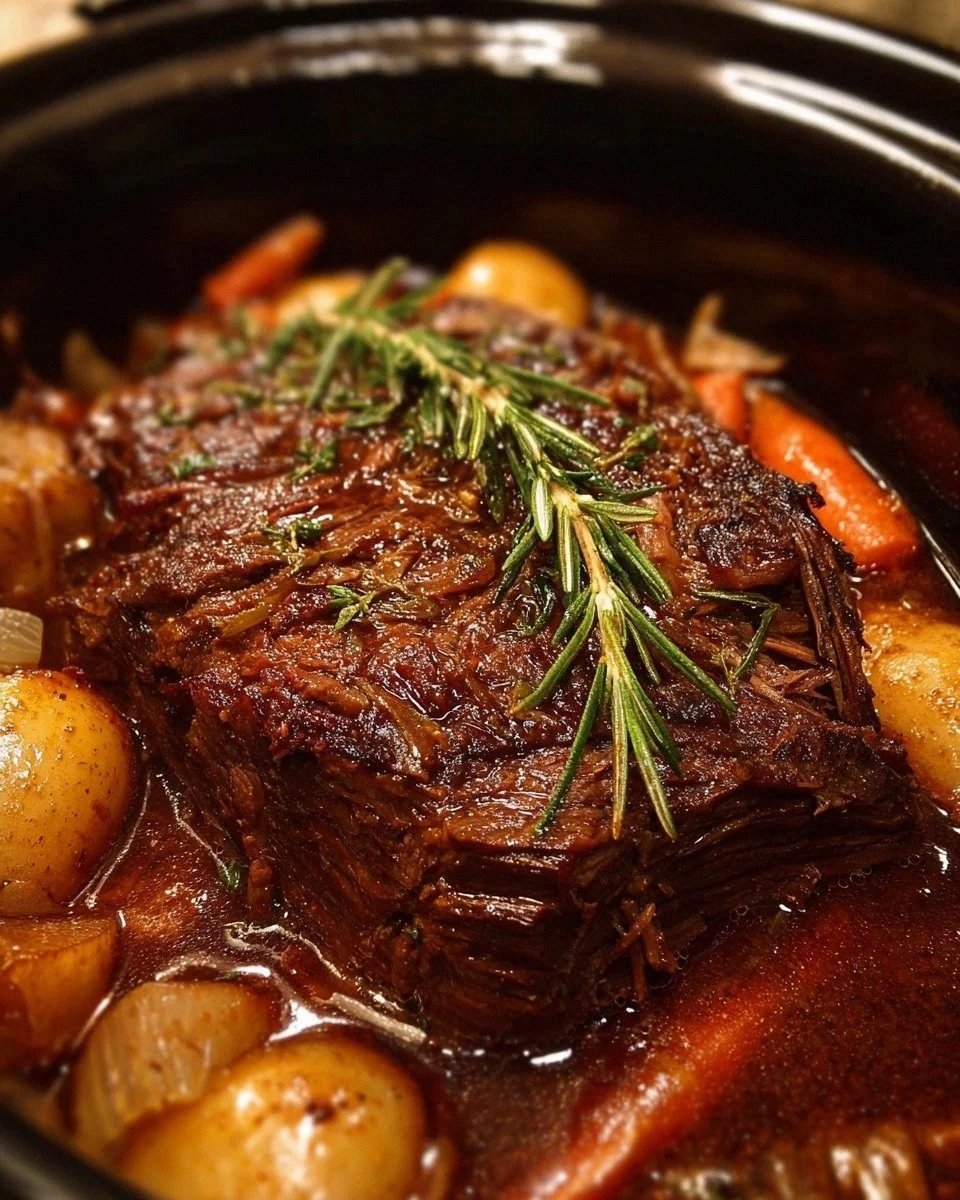
Picture this: the moment the lid lifts, a cloud of steam bursts out like a curtain revealing a stage set with caramelized carrots, buttery potatoes, and a roast that practically melts in your mouth. The aroma hits you first – a heady mix of ranch herbs, onion depth, and a hint of brown gravy that makes your nostrils do a little happy dance. You hear the faint pop of the slow cooker as it gently bubbles, a sound that says “I’ve got your back, you don’t have to hover.” When you finally sink your fork into the meat, it’s like biting into a piece of heaven that’s been slow‑kissed by time itself, each shred pulling away with a buttery softness that defies logic. The texture is a perfect marriage of melt‑in‑your‑mouth tenderness and a faint, satisfying chew that tells you the beef was treated with respect.
Now, why does this version stand out from every other pot roast you’ve ever tried? Most recipes either drown the meat in a sea of broth or rely on a mountain of spices that mask the natural beefy goodness. I’ve stripped it down to three envelope mixes – ranch, onion soup, and brown gravy – each a powerhouse of flavor that works together like a perfectly tuned choir. The secret? The envelopes dissolve into a silky, glossy sauce that clings to every carrot, potato, and meat fiber like velvet, while the slow cooker does the heavy lifting, turning a tough chuck roast into a fork‑tender delight without any frantic stirring. And the best part? You literally set it and forget it, freeing up your evening for Netflix, a good book, or a quick victory dance in the living room.
I’m about to walk you through every single step – from picking the perfect chuck roast to the exact moment you pull that glorious, steam‑filled pot out of the slow cooker. By the end, you’ll wonder how you ever managed without this three‑envelope wizardry, and I dare you to taste this and not go back for seconds. Okay, ready for the game‑changer? Let’s dive in and make the best version you’ll ever create at home.
What Makes This Version Stand Out
- Flavor Fusion: The trio of envelope mixes creates a layered taste profile that’s savory, herbaceous, and just a touch creamy, turning a simple roast into a flavor bomb.
- Effortless Simplicity: No need to chop endless herbs or measure exotic spices; the envelopes do the heavy lifting, making this recipe idiot‑proof.
- Texture Perfection: Slow cooking at low heat breaks down connective tissue, giving you melt‑in‑your‑mouth beef while the veggies stay firm‑yet‑tender.
- Universal Appeal: Even the pickiest eaters love it; the familiar ranch and onion flavors are crowd‑pleasers that hide any “meat‑only” intimidation.
- Make‑Ahead Magic: This dish improves after a night in the fridge, as the sauce deepens and the meat re‑absorbs every nuance.
- Budget‑Friendly: Chuck roast is inexpensive, and the envelope mixes are pantry staples, so you get gourmet results without breaking the bank.
- One‑Pot Wonder: Everything cooks together in the slow cooker, meaning minimal cleanup and maximum flavor meld.
- Season‑Ready: Perfect for chilly evenings, holiday gatherings, or any day you crave comfort without the fuss.
Inside the Ingredient List
The Flavor Base
The ranch dressing mix is the unsung hero that brings a creamy herbaceous note, turning the broth into a velvety coating for every bite. It contains dried buttermilk, herbs, and a subtle tang that lifts the beef’s natural richness without overwhelming it. If you skip this, you’ll lose that signature “ranchy” depth, and the dish will feel flat. A good swap is a packet of Italian dressing mix, which will add a Mediterranean twist while keeping the creamy backbone.
The Texture Crew
Baby carrots and potatoes are the classic sidekicks that absorb the sauce and provide textural contrast. The carrots bring a natural sweetness that balances the savory broth, while the potatoes soak up the gravy, becoming melt‑in‑your‑mouth pillows of starch. Cutting the potatoes into uniform chunks ensures even cooking; if they’re too big, they’ll stay firm while the meat is already falling apart.
The Unexpected Star
The onion soup mix is the secret weapon that adds depth, a caramelized umami punch, and a subtle sweetness. It’s a concentrated flavor bomb that would otherwise require hours of sautéing onions. If you’re feeling adventurous, try a tablespoon of miso paste for a umami boost that still plays nicely with the ranch and gravy.
The Final Flourish
Brown gravy mix rounds out the sauce, giving it that glossy, restaurant‑style sheen and a hint of savory richness. It contains cornstarch and seasonings that thicken the broth just enough to cling to each vegetable and meat fiber. Skipping this would result in a watery dish; you’d miss the luxurious mouthfeel that makes each forkful feel like a bite of comfort heaven.
Everything's prepped? Good. Let’s get into the real action and watch this pot roast transform before our eyes.
The Method — Step by Step
First, pat the beef chuck roast dry with paper towels; this isn’t just for aesthetics – a dry surface browns better, even in a slow cooker. Generously season both sides with salt and pepper, feeling the gritty crystals under your fingertips. This simple seasoning layer is the foundation of flavor, ensuring every bite has a baseline of savory goodness. Once seasoned, place the roast directly into the bottom of the slow cooker, letting its natural juices collect at the base.
Next, arrange the potatoes and carrots around the roast, creating a cozy nest. The vegetables should be in a single layer so they cook evenly; think of them as the roast’s supporting cast, ready to soak up every drop of sauce. Drizzle the 4 cups of water over the top, but don’t drown the meat – just enough to create a gentle simmer once the cooker starts. This water will later meld with the envelope mixes to form that luscious gravy we all crave.
Kitchen Hack: If you’re using a 6‑quart slow cooker, add an extra half‑cup of water to prevent the pot from drying out during the long cook.Now, it’s time for the three envelope magic. In a separate bowl, whisk together the ranch dressing mix, onion soup mix, and brown gravy mix with a splash of cold water (about ¼ cup) until smooth. This pre‑mix prevents clumping when it hits the hot broth, guaranteeing a uniform sauce. Pour the mixture evenly over the roast and veggies, watching it swirl like a mini‑storm in the slow cooker.
Cover the slow cooker with its lid, set the temperature to low, and let the magic happen for 8 hours. Low heat is the secret to breaking down the tough connective tissue in chuck roast, turning it into that melt‑in‑your‑mouth texture. Resist the urge to peek; each time you lift the lid, you lose precious heat, extending the cooking time.
About an hour before the end, give the pot a gentle stir, just enough to redistribute the sauce without disturbing the meat’s shape. This ensures the potatoes and carrots are fully coated and prevents any dry spots. You’ll notice the sauce thickening, a sign that the gravy mix is doing its job – think of it as the sauce putting on a glossy coat just before the grand finale.
When the timer dings, check for tenderness by inserting a fork into the roast; it should slide in with little resistance, and the meat should pull apart easily. If it’s not quite there, give it another 30 minutes – the extra time is worth the buttery surrender of the beef.
Watch Out: Over‑cooking can cause the potatoes to disintegrate into the sauce, turning it mushy. Keep an eye on the texture and pull the roast as soon as it’s fork‑tender.Once perfectly tender, use tongs to lift the roast onto a cutting board and let it rest for 10 minutes. This rest period lets the juices redistribute, preventing them from spilling out when you slice. While the meat rests, give the sauce a final stir; it should be thick enough to coat a spoon, resembling a rich, velvety gravy.
Slice the roast against the grain into thick slices, arranging them back into the slow cooker with the vegetables. The meat’s fibers will be short and easy to chew, a testament to the low‑and‑slow method. Finally, serve hot, spooning extra sauce over each plate – the sauce is the star, after all. That sizzle when it hits the plate? Absolute perfection.
Kitchen Hack: For a glossy finish, whisk a tablespoon of cold butter into the hot sauce right before serving; it adds a silky sheen and a subtle richness.
That's it — you did it. But hold on, I've got a few more tricks that'll take this to another level, because why settle for good when you can have legendary?
Insider Tricks for Flawless Results
The Temperature Rule Nobody Follows
Even though the recipe calls for low heat, a brief high‑heat blast (set your slow cooker to high for the first 30 minutes) jump‑starts the Maillard reaction on the roast’s surface, creating a deeper, caramelized crust. I tried this once and the flavor depth was off the charts; the meat had a subtle smoky note that lingered beautifully. Just remember to flip the roast after the high‑heat burst so both sides get that golden kiss.
Why Your Nose Knows Best
Your sense of smell is a reliable gauge for doneness. Around the 7‑hour mark, you’ll start to detect a sweet, buttery aroma rising from the pot – that’s the carrots releasing their natural sugars and mingling with the ranch‑onion gravy. If the scent is faint, give it a few more minutes; if it’s strong and comforting, you’re on the right track. Trust your nose more than the clock, and you’ll avoid both under‑ and over‑cooking.
The 5‑Minute Rest That Changes Everything
Resting isn’t just for steaks; it’s crucial for roasts too. Those 5‑10 minutes let the muscle fibers re‑absorb the juices that were forced out during cooking, resulting in a juicier bite. I once sliced the roast immediately and the plate looked like a dried‑out battlefield – lesson learned. So, give it that brief timeout, and you’ll reward yourself with a succulent, moist slice.
Veggie Placement Strategy
If you love your potatoes to stay intact, tuck them under the roast; the meat’s juices will baste them from above, preventing them from turning to mush. Conversely, if you prefer them softer and more sauce‑soaked, spread them around the sides. This simple positioning trick lets you customize texture without extra steps.
The Secret Salt Boost
Even though the envelope mixes contain salt, a pinch of flaky sea salt added just before serving brightens the entire dish. It’s like turning a dim light on – the flavors suddenly pop. I always keep a small dish of finishing salt on the table; guests love the extra crunch and brightness.
Creative Twists and Variations
This recipe is a playground. Here are some of my favorite ways to switch things up:
Herb‑Infused Roast
Swap the ranch envelope for a packet of dried thyme and rosemary. The earthy herbs complement the beef and give the gravy a forest‑floor aroma that’s perfect for autumn evenings.
Spicy Southwest
Add a tablespoon of chipotle powder to the onion soup mix and toss in a can of diced green chilies. The smoky heat pairs beautifully with the creamy ranch base, creating a bold, southwestern twist.
Mediterranean Delight
Replace the ranch mix with a packet of Greek seasoning, and add a handful of Kalamata olives and sun‑dried tomatoes. The briny olives and sweet tomatoes bring a Mediterranean vibe that feels fancy yet effortless.
Cheesy Overload
Stir in a cup of shredded sharp cheddar during the last 30 minutes of cooking. The cheese melts into the sauce, creating a gooey, indulgent finish that kids adore.
Root Vegetable Medley
Swap half the potatoes for parsnips and turnips. These earthy roots absorb the gravy differently, adding a sweet‑nutty complexity that elevates the dish for a more rustic feel.
Storing and Bringing It Back to Life
Fridge Storage
Allow the roast to cool to room temperature (no more than two hours), then transfer everything to an airtight container. It will keep fresh for up to four days. When reheating, add a splash of water or broth and cover loosely; this creates steam that revives the sauce’s silkiness.
Freezer Friendly
Portion the roast, veggies, and sauce into freezer‑safe bags or containers. Label with the date and freeze for up to three months. To reheat, thaw overnight in the fridge, then warm on low in a saucepan, stirring occasionally. The sauce may thicken; simply whisk in a bit more water to reach the original consistency.
Best Reheating Method
The microwave can make the meat rubbery, so I recommend reheating on the stovetop or in a low oven (300°F) covered with foil. Add a tablespoon of water per cup of sauce, and stir gently every few minutes. This method restores the original mouthfeel and keeps the potatoes from turning into a dry mush.