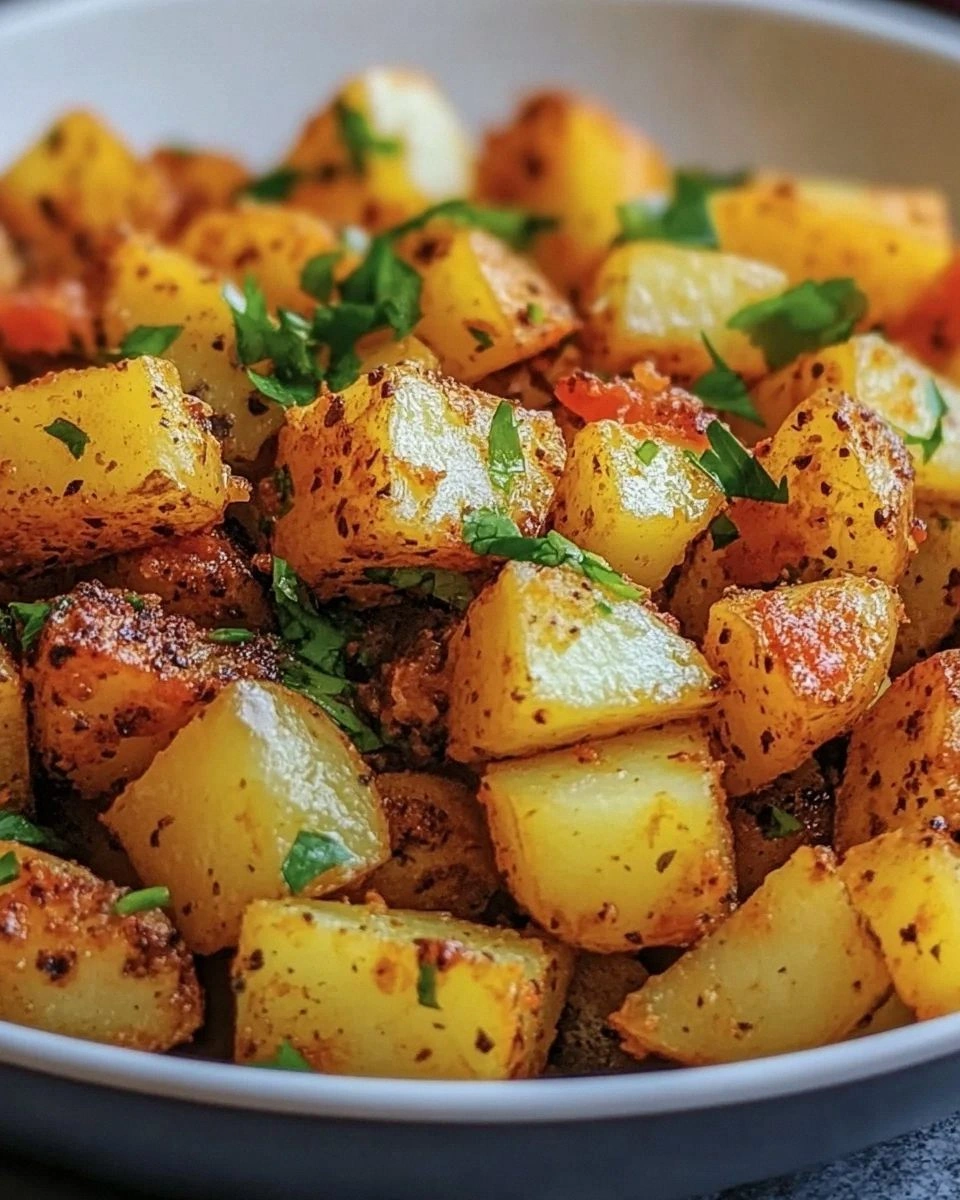
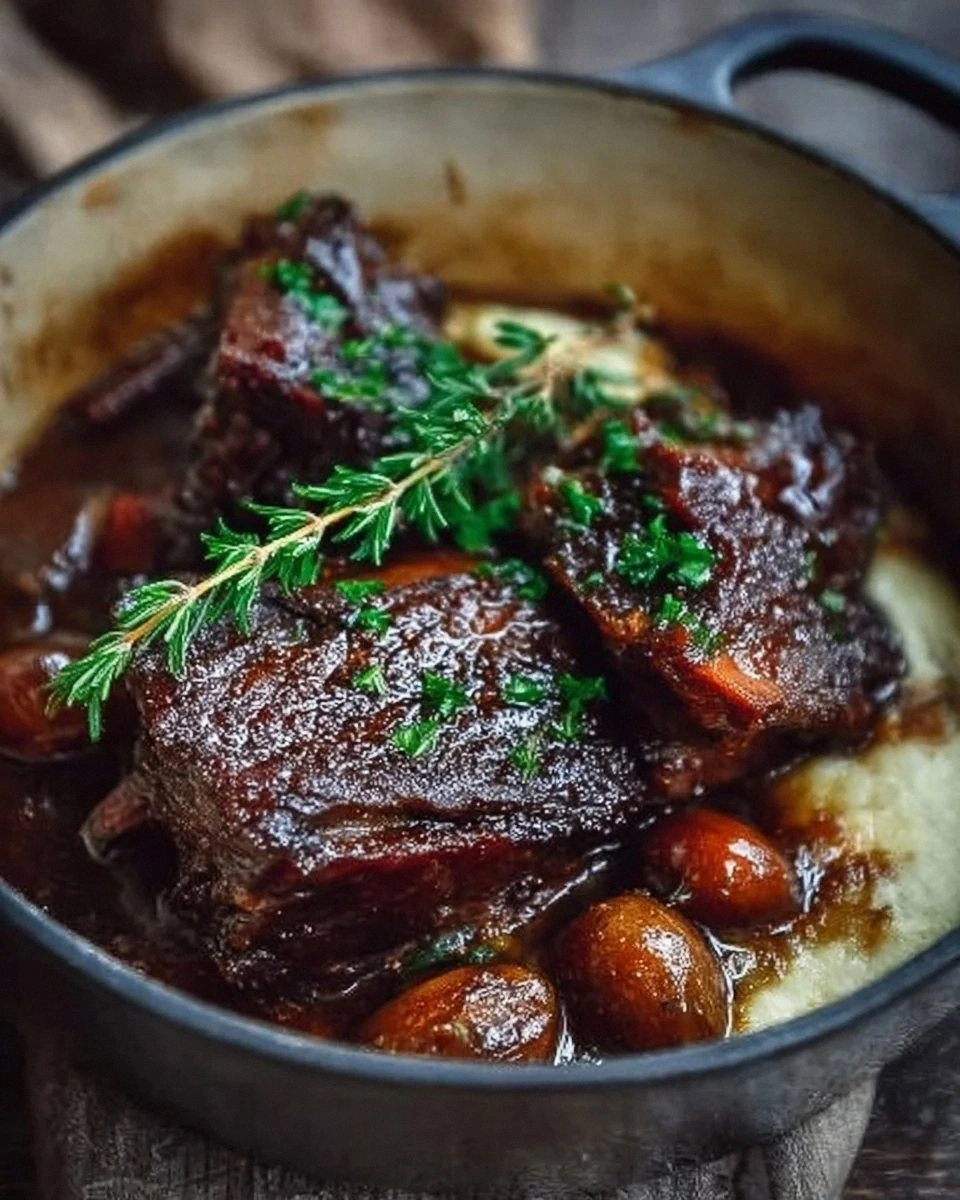
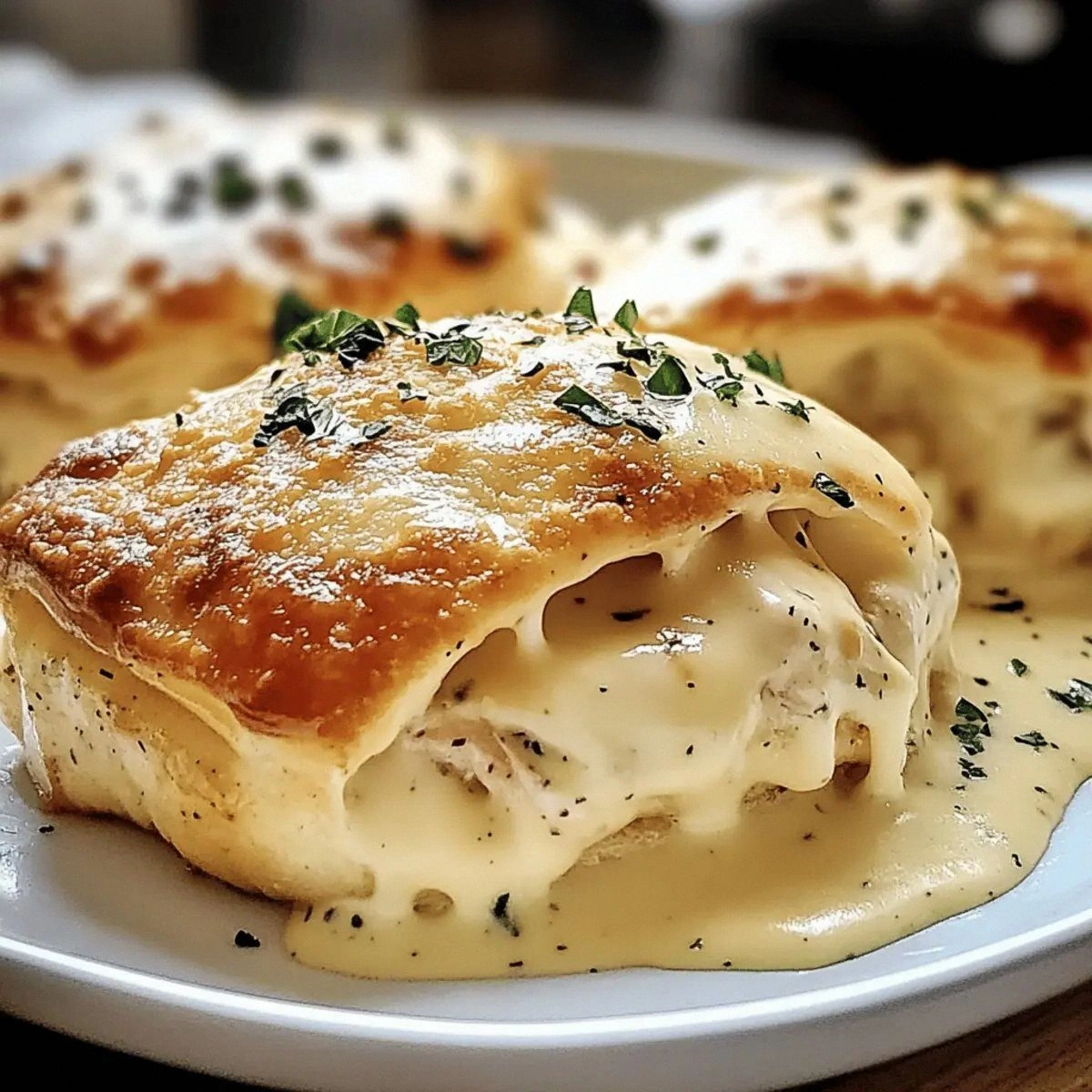
I’m going to be blunt: most mashed potato recipes out there are a sad, soggy excuse for comfort food. I once tried a “fluffy” version that turned out like a potato‑scented puddle, and I swore I’d never trust a mash again. Then a friend dared me to make something that kept the natural bite of the potatoes while still feeling buttery and indulgent, and I accepted the challenge like a gladiator stepping into the arena. Picture this: a pot of golden potatoes simmering, the kitchen filling with a buttery aroma that makes you want to hug the stove, and a spoonful that still has a little chunkiness that snaps like a fresh‑cut carrot. That moment of discovery was pure, unfiltered joy, and I’ve turned it into the ultimate “easiest” recipe you’ll ever encounter.
Let me paint the scene for you. You walk into the kitchen, the floor is cool, the countertops are spotless, and the air is already humming with the promise of something delicious. You hear the gentle hiss of water coming to a boil, you see the potatoes—those gorgeous Yukon Golds or russets—glimmering under the light, each quartered piece ready to surrender its starchy secrets. The butter sits patiently on the counter, a soft yellow block waiting to melt into a glossy river, while the milk warms up, ready to mingle and create that silky coat that makes every bite feel like a hug from the inside. As you mash, you’ll feel the texture shift under your fork, the occasional stubborn chunk reminding you that this isn’t a puree, it’s a celebration of potato’s natural character. The taste? A buttery, creamy whisper that still lets the earthiness of the potato shine through, with just enough peppery bite to keep your palate on its toes.
Why does this version stand out? Because it refuses to over‑process, it respects the potato’s innate texture, and it does so with a method so straightforward you could probably pull it off in your pajamas. No fancy gadgets, no endless stirring, just a few simple steps that any home cook can master without feeling like they’ve signed up for a culinary marathon. The secret? A combination of a gentle simmer, a butter that’s softened to room temperature (no melting needed), and a splash of warm milk that integrates without turning the mash gluey. I dare you to taste this and not go back for seconds—your taste buds will file a formal complaint if you try anything else.
Now, I’m about to spill the beans (or rather, the potatoes) on a tiny twist that makes the whole thing pop: a dash of fresh herbs added at the very end, just enough to give a burst of color and a whisper of freshness without overpowering the buttery base. This isn’t a garnish; it’s a finishing touch that transforms a humble side dish into a star on the plate. Okay, ready for the game‑changer? Let me walk you through every single step — by the end, you’ll wonder how you ever made it any other way.
What Makes This Version Stand Out
- Texture: The chunky bite stays intact, delivering a satisfying contrast between creamy and firm that most “smooth” mash recipes lose.
- Simplicity: Only five core ingredients, no extra thickeners, no fancy equipment—just a pot, a masher, and a little love.
- Flavor Depth: Room‑temperature butter melts into the hot potatoes, creating a glossy coat that locks in flavor better than melted butter alone.
- Versatility: Works as a side for steak, chicken, or even as a base for a hearty shepherd’s pie, making it a true kitchen workhorse.
- Crowd Reaction: Guests often ask for the “secret” because they can’t believe how easy it is to achieve that restaurant‑level texture at home.
- Ingredient Quality: Using Yukon Golds or Russets ensures a buttery interior and a sturdy exterior that holds up during mashing.
- Cooking Method: Gentle simmer preserves the potato’s natural sugars, preventing a bland, watery result.
- Make‑Ahead Potential: This mash reheats beautifully, especially with a splash of milk, so you can prep it ahead of a big dinner.
Inside the Ingredient List
The Flavor Base
The unsalted butter is the heart of this dish. By using butter at room temperature, you allow it to blend seamlessly without the need for vigorous stirring, which can over‑work the potatoes and make them gummy. If you skip the butter, you’ll lose that luxurious mouthfeel and the subtle nutty notes that only butter can provide. As a swap, you could use a high‑quality olive oil for a lighter version, but expect a different flavor profile—more grassy, less buttery.
The Texture Crew
Whole milk, warmed, is the liquid that brings everything together without diluting the flavor. Warm milk prevents the potatoes from cooling down, which can cause the butter to solidify again and result in a lumpy texture. If you’re dairy‑free, try oat milk or a light almond milk; just make sure it’s warmed, or you’ll hear the dreaded “sizzle” of cold liquid hitting hot potatoes.
The Unexpected Star
Fresh herbs like chives or parsley are optional, but they add a bright, herbal pop that cuts through the richness. A handful of finely chopped chives will give you a mild oniony bite, while parsley adds a clean, grassy note. If you’re feeling adventurous, a pinch of smoked paprika can turn this side into a smoky masterpiece.
The Final Flourish
A pinch of salt and pepper “to taste” may sound like an afterthought, but they’re essential for seasoning the potatoes from the inside out. Salt draws out the natural sugars during cooking, enhancing the caramelized notes, while pepper adds a subtle heat that awakens the palate. If you’re watching sodium, you can finish with a drizzle of herb‑infused olive oil instead of salt for a nuanced flavor boost.
Everything's prepped? Good. Let's get into the real action...
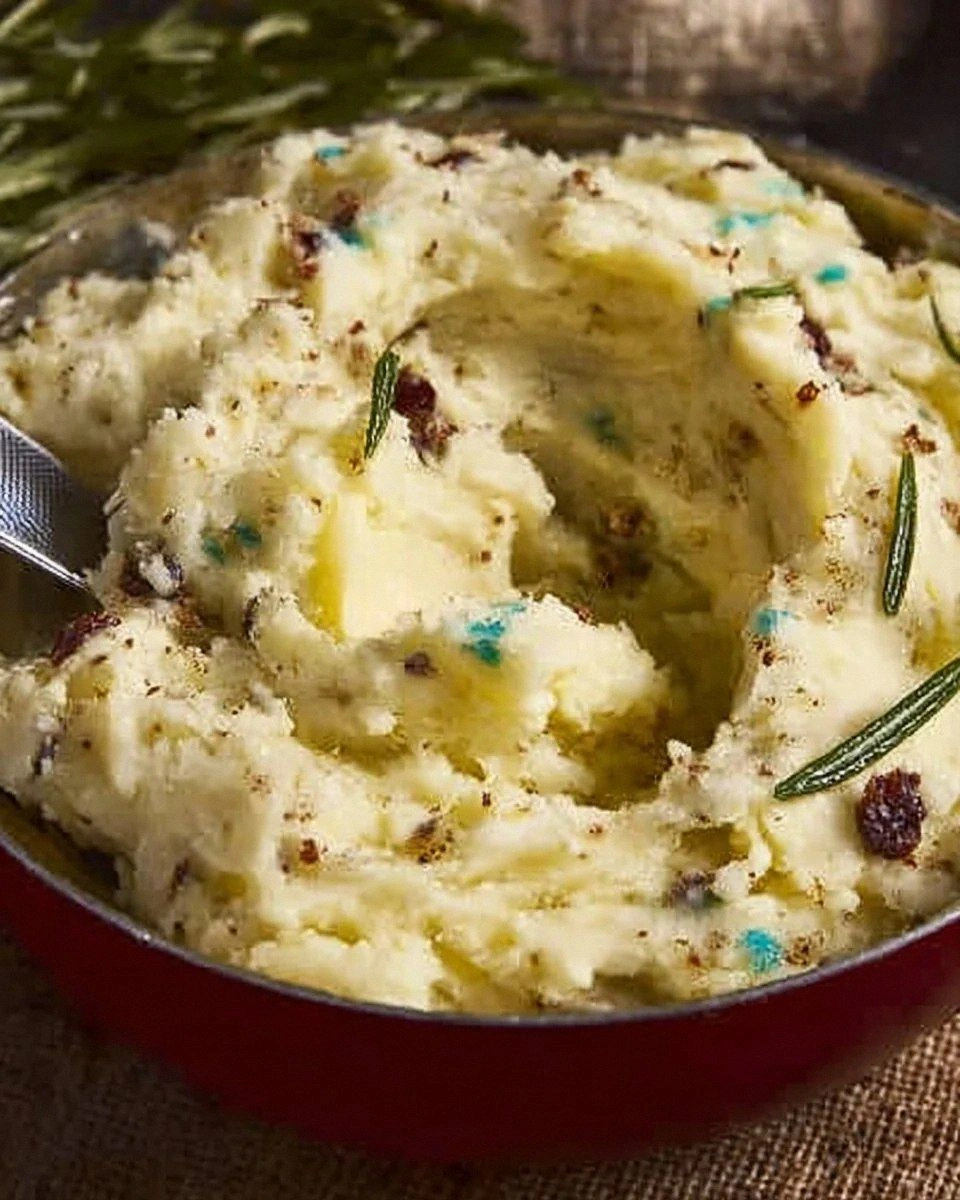
The Method — Step by Step
Start by filling a large pot with cold water and add the quartered potatoes. Bring the water to a gentle boil over medium‑high heat; you want a steady simmer, not a raging boil, because a violent boil can cause the potatoes to break apart too quickly. Once you see a steady stream of bubbles, reduce the heat just enough to keep a gentle simmer and cover the pot. Let the potatoes cook for 12‑15 minutes, or until a fork slides in with only slight resistance. Pro tip: test a piece; it should feel tender but still hold its shape.
Kitchen Hack: Add a pinch of baking soda to the water; it raises the pH and helps break down the potato’s cell walls, making them easier to mash while preserving chunkiness.When the potatoes are done, drain them in a colander and let them sit for exactly two minutes. This short steam‑dry period evaporates excess moisture that would otherwise make your mash watery. While they’re still hot, return the potatoes to the pot or a warm bowl—heat retention is key for a smooth incorporation of butter.
Now, grab your room‑temperature butter and begin folding it into the hot potatoes using a sturdy potato masher. The heat from the potatoes will gently melt the butter, creating a glossy coating that coats each chunk. Keep mashing until you see a glossy sheen; this is the moment where the butter truly integrates, and you’ll notice the aroma becoming richer.
Next, pour the warmed whole milk in a slow, steady stream while continuing to mash. The milk should be just warm enough to steam, not boiling; this prevents the potatoes from cooling down and keeps the texture velvety. As the milk merges, you’ll see the mash become looser but still retain those delightful potato bits. Watch the consistency: you want it creamy, not runny.
Watch Out: Adding cold milk will shock the potatoes, causing them to seize up and become gummy. Always warm the milk first.Season with salt and pepper “to taste.” Remember, the potatoes have absorbed some salt from the cooking water, so start with a modest pinch and adjust after tasting. This is where you truly personalize the flavor—taste, then add more if needed. If you’re feeling daring, add a pinch of smoked paprika here for a subtle depth.
Give the mash a final stir, then fold in any optional fresh herbs you’ve chosen. The herbs should be added at the very end to preserve their bright color and fresh flavor. A quick stir is enough; you don’t want to over‑mix, or you’ll lose the pleasant chunkiness that defines this recipe.
Transfer the mash to a serving bowl, smooth the top with the back of a spoon, and let it sit for a minute. This resting period allows the butter to re‑solidify just enough to give each bite a luscious mouthfeel. While it rests, the kitchen will be filled with a buttery, comforting scent that makes everyone glance over.
Serve hot, optionally drizzling a little extra melted butter or a splash of olive oil for that glossy finish. Pair with roasted chicken, grilled steak, or a simple green salad, and watch the plates disappear. And now the fun part—watch your guests dive in, eyes wide, mouths open, and say, “This is hands down the best version you’ll ever make at home.”
That's it — you did it. But hold on, I've got a few more tricks that'll take this to another level...
Insider Tricks for Flawless Results
The Temperature Rule Nobody Follows
Never add cold ingredients to hot potatoes. The temperature shock creates starch that gelatinizes unevenly, leading to a gummy texture. Warm your milk, let your butter sit out, and even consider rinsing the boiled potatoes with a quick splash of hot water before mashing. This little temperature harmony ensures each bite stays silky yet chunky. A friend once tried to shortcut by using frozen butter, and the mash turned into a clumpy disaster—lesson learned.
Why Your Nose Knows Best
Your sense of smell is a secret weapon in the kitchen. When the butter starts to melt and mingle with the potatoes, you’ll notice a nutty, slightly caramelized scent. If you don’t smell that buttery richness, your mash is probably under‑seasoned or the butter is too cold. Trust that aromatic cue more than a timer; it’s the most reliable indicator of flavor development.
The 5‑Minute Rest That Changes Everything
After mashing, let the potatoes sit uncovered for five minutes. This rest allows the steam to escape, preventing sogginess, while the butter re‑solidifies just enough to give each bite a luxurious melt‑in‑your‑mouth feel. I used to serve immediately and noticed a thin layer of liquid pooling at the bottom—now I always respect the rest, and the texture stays perfect.
Gentle Folding, Not Brutal Mixing
When incorporating herbs or extra butter, use a gentle folding motion. Over‑mixing activates the potato’s starches, turning your masterpiece into a gluey mess. Think of it like folding a soufflé—light, airy, and respectful of the structure you’ve built. One time I used an electric mixer out of habit; the result was a paste that could have been used as wallpaper paste.
Season in Layers, Not All at Once
Add a pinch of salt during boiling, another pinch after mashing, and a final dash just before serving. This layered approach builds depth and ensures the seasoning penetrates every chunk. If you only season at the end, the interior stays bland, and you’ll end up over‑salting the surface. The result? A balanced flavor that sings from the first bite to the last.
Creative Twists and Variations
This recipe is a playground. Here are some of my favorite ways to switch things up:
Garlic‑Infused Dream
Add two cloves of roasted garlic, mashed together with the potatoes. The garlic adds a mellow, caramelized sweetness that pairs beautifully with the butter, turning a simple side into a fragrant star.
Cheesy Overload
Stir in ½ cup of shredded sharp cheddar or Gruyère right after the milk. The cheese melts into the warm mash, creating pockets of gooey goodness that make kids (and adults) squeal with delight.
Herbaceous Green
Swap half of the butter for a tablespoon of pesto, and finish with a sprinkle of toasted pine nuts. This gives the mash a vibrant green hue and a nutty, herb‑forward flavor profile.
Spicy Kick
Fold in a teaspoon of chipotle in adobo sauce for a smoky heat that cuts through the richness. It’s perfect for a taco night or when you want a side that stands up to bold main dishes.
Vegan Velvet
Replace butter with a generous dollop of coconut oil and use oat milk instead of dairy. The result is a dairy‑free mash that still boasts a creamy mouthfeel and a subtle coconut aroma.
Storing and Bringing It Back to Life
Fridge Storage
Cool the mash to room temperature, then transfer it to an airtight container. It will keep for up to 3 days in the refrigerator. When you’re ready to serve, reheat gently over low heat, adding a splash of milk to revive the creamy texture. Stir occasionally to prevent a skin from forming on top.
Freezer Friendly
Portion the mash into freezer‑safe bags, flattening them for even freezing. It freezes beautifully for up to 2 months. To thaw, move the bag to the fridge overnight, then reheat in a saucepan with a tablespoon of butter and a splash of milk, stirring until smooth.
Best Reheating Method
The secret to reheating without losing texture is gentle steam. Place the mash in a covered skillet over low heat, drizzle a tiny bit of water or milk, and cover with a lid. The steam will coax the potatoes back to their original fluffiness while preserving the cherished chunks. If you skip the steam, the mash will dry out and become rubbery.