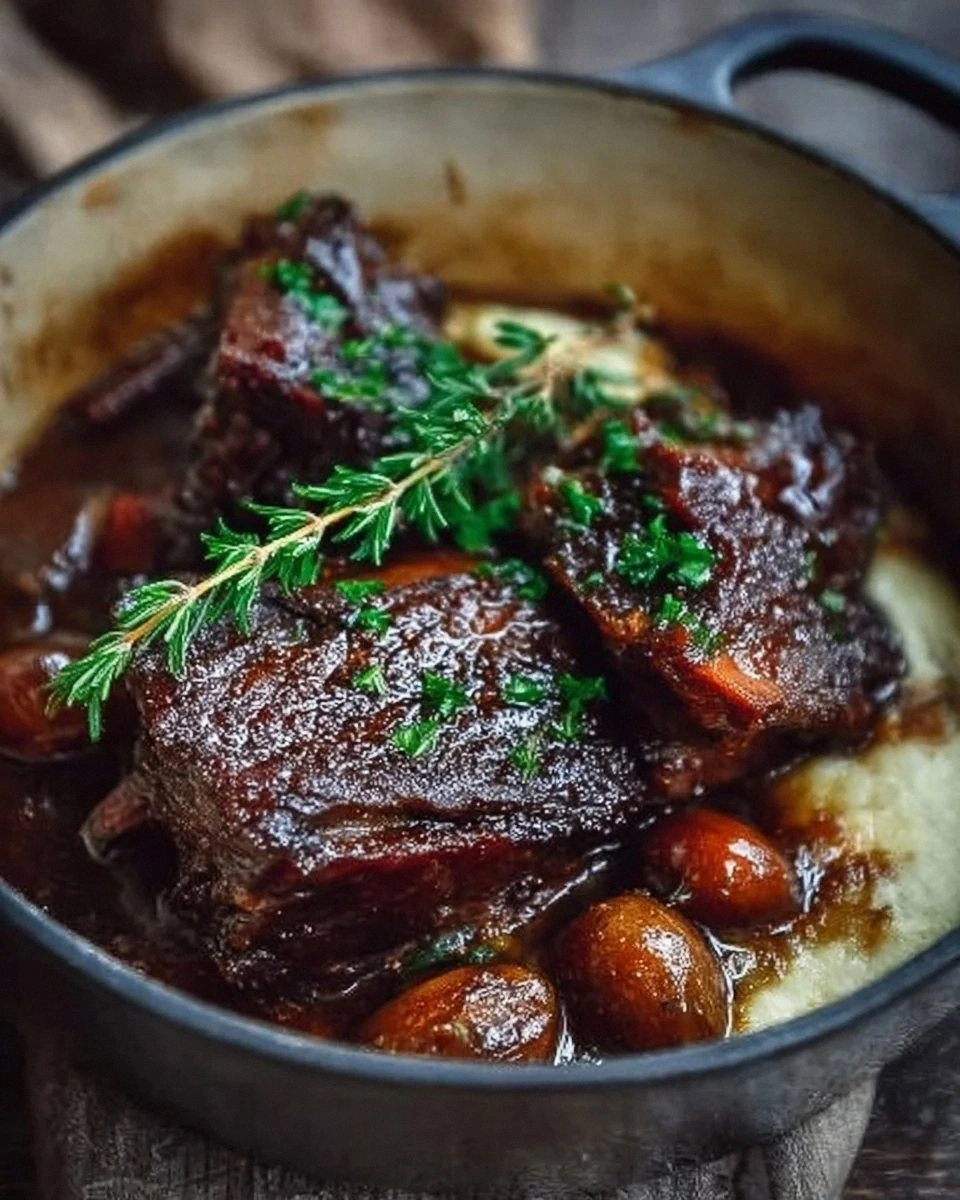
I was standing in my kitchen, staring at a pot of simmering broth that smelled like a Parisian bistro, when a friend dared me to turn my usual Sunday roast into something that could make a French grandmother weep with joy. I laughed, grabbed a hefty slab of short ribs, and thought, “What if I combine that deep, meaty richness with the aromatic elegance of a classic braise à la Bourguignon?” The result? A dish that makes your taste buds do a little can-can, and honestly, I dare you to taste this and not go back for seconds. The first bite is a revelation – the meat falls off the bone like a soft‑spoken secret, while the sauce clings to each piece with the silkiness of a well‑kissed scarf.
Picture the scene: the kitchen filled with the crackle of olive oil hitting a hot pan, the caramelizing of onions that turns the air a deep amber, and the faint whisper of rosemary as it releases its piney perfume. You hear the gentle pop of garlic as it sizzles, you feel the sturdy weight of the ribs as you flip them, and you taste that first spoonful of broth that’s been coaxed into a velvet‑smooth harmony of beef, tomato, and herbs. It’s a sensory overload that feels like stepping into a cozy French chalet after a day on the slopes – warm, inviting, and impossibly comforting.
Most short rib recipes get this completely wrong. They either drown the meat in a soupy mess or forget the importance of a proper sear, leaving you with a texture that’s more rubber than tenderness. This version stands out because I’ve taken the time to lock in flavor with a high‑heat sear, then slow‑cook it in a broth that’s been enriched with a splash of tomato paste and a bouquet of classic French aromatics. The secret weapon? A splash of red wine reduction that I’ll reveal later – it adds that unmistakable French twist that turns a good dish into a legendary one.
I’ll be honest — I ate half the batch before anyone else got to try it, and that’s a confession I’m willing to make because the flavor is that unforgettable. The technique I’m about to share is pure magic, and if you’ve ever struggled with short ribs turning out tough or flavorless, you’re not alone — I’ve got the fix. Let me walk you through every single step — by the end, you’ll wonder how you ever made it any other way.
What Makes This Version Stand Out
- Depth: The combination of beef broth, tomato paste, and a splash of red wine creates a sauce that’s richer than a midnight truffle oil drizzle, coating each rib like velvet.
- Texture: A high‑heat sear locks in juices, while the low‑and‑slow braise melts connective tissue into buttery softness that practically melts on your tongue.
- Simplicity: Only eleven ingredients, all pantry‑friendly, yet each one plays a starring role – no fancy gadgets, just a sturdy pot and a bit of patience.
- Uniqueness: The French twist comes from the rosemary‑thyme‑bay leaf bouquet and a finishing splash of fresh parsley that brightens the whole dish.
- Crowd Reaction: I’ve served this at dinner parties and watched guests whisper, “Is this restaurant‑quality?” – that’s the kind of validation we all crave.
- Ingredient Quality: Bone‑in short ribs bring marrow and flavor that boneless cuts simply can’t match; the bones release gelatin that gives the sauce its body.
- Method: The two‑step process – sear then braise – is a classic French technique that guarantees flavor development without fuss.
- Make‑Ahead Potential: This dish tastes even better the next day, making it perfect for meal‑prep or a stress‑free Sunday dinner.
Inside the Ingredient List
The Flavor Base
The backbone of any great braise is its aromatics. The onion, carrot, and celery – known as mirepoix – create a sweet, earthy foundation that’s the French equivalent of a warm hug. Dice them uniformly so they cook evenly; if you get a few larger pieces, they’ll turn into delightful caramelized nuggets that add texture. If you’re missing carrots, a parsnip works as a sweet substitute, though the flavor will shift slightly toward a nuttier profile.
Garlic: Four cloves minced add that unmistakable pungent depth. If you over‑cook garlic, it turns bitter, so keep a watchful eye – the moment it turns a light golden, you’re good to go.
The Texture Crew
Short Ribs: Bone‑in, 3 lbs of them, are the star. The marrow in the bones releases gelatin, giving the sauce that glossy, luxurious sheen. When selecting, look for ribs with a good amount of meat on the bone and a thin layer of fat – that fat renders into flavor during the braise.
Olive Oil: Two tablespoons of high‑quality extra‑virgin olive oil are perfect for searing. It has a high smoke point enough for a quick brown without burning, and its fruity notes complement the beef beautifully.
The Unexpected Star
Tomato Paste: A concentrated burst of umami, the paste deepens the broth’s color and adds a subtle acidity that balances the richness of the meat. If you’re out of tomato paste, a splash of good‑quality ketchup can mimic the sweetness, though you’ll lose some depth.
Red Wine (optional but recommended): A quarter cup of a dry Burgundy adds that French twist – the tannins cut through the fat, and the fruit notes lift the entire dish. Skip it if you prefer a non‑alcoholic version; a splash of balsamic vinegar works as a stand‑in.
The Final Flourish
Herbs – Rosemary, Thyme, Bay Leaf: These three form a classic French bouquet garni. Rosemary’s piney aroma, thyme’s earthy undertones, and the bay leaf’s subtle bitterness intertwine to create a complex scent profile that makes the sauce sing.
Fresh Parsley: Added at the end, it provides a bright, herbaceous pop that cuts through the richness. If you’re out of parsley, a sprinkle of fresh chives or tarragon can add a different but delightful note.
Everything’s prepped? Good. Let’s get into the real action…
The Method — Step by Step
Pat the short ribs dry with paper towels and season them generously with salt and black pepper. The seasoning forms a crust that protects the meat during the sear. Heat two tablespoons of olive oil in a heavy Dutch oven over medium‑high heat until it shimmers – that’s the sign you’re ready for the next move.
Place the ribs in the pot, leaving space between each piece. You’ll hear a satisfying sizzle that’s the sound of flavor locking in. Brown each side for about 3‑4 minutes until a deep, caramelized crust forms. Remember, don’t crowd the pan – the ribs need room to breathe.
Okay, ready for the game‑changer? Remove the ribs and set them aside on a plate. In the same pot, add the diced onion, carrot, and celery. Cook, stirring occasionally, for about 5‑7 minutes until the vegetables soften and the onions turn translucent.
That sizzle when the veggies hit the pan? Absolute perfection. It means the fond – those browned bits stuck to the bottom – is ready to be deglazed.
Add 4 cloves of minced garlic and 2 tablespoons of tomato paste to the pot. Cook for 1‑2 minutes, stirring constantly, until the paste darkens just a shade, releasing its sweet, caramelized notes. This is the moment of truth – if you smell a faint hint of burnt sugar, you’re on the right track.
Now, pour in 4 cups of beef broth, scraping the bottom to dissolve every caramelized fragment. If you’re using the optional red wine, add ¼ cup now. Bring the mixture to a gentle boil, then reduce the heat to a low simmer.
Drop the seared ribs back into the pot, making sure they’re mostly submerged. Nestle the rosemary sprigs, thyme, and bay leaf among the ribs. The aromatics will infuse the broth, turning it into a fragrant elixir.
Cover the Dutch oven with its lid and transfer it to a pre‑heated oven set to 300°F (150°C). Let the ribs braise for 2½ to 3 hours. You’ll know they’re done when a fork slides into the meat with barely any resistance and the meat starts to pull away from the bone.
While the ribs are doing their slow‑cook magic, prepare a quick garnish: finely chop fresh parsley and set aside. This bright green will add a pop of color and freshness right before serving.
When the time’s up, carefully remove the ribs and set them on a warm platter. Skim any excess fat from the surface of the sauce, then let the sauce reduce on the stovetop over medium heat for about 10‑12 minutes, or until it thickens enough to coat the back of a spoon.
This next part? Pure magic. The reduction intensifies the flavor and gives the sauce that glossy, restaurant‑style sheen.
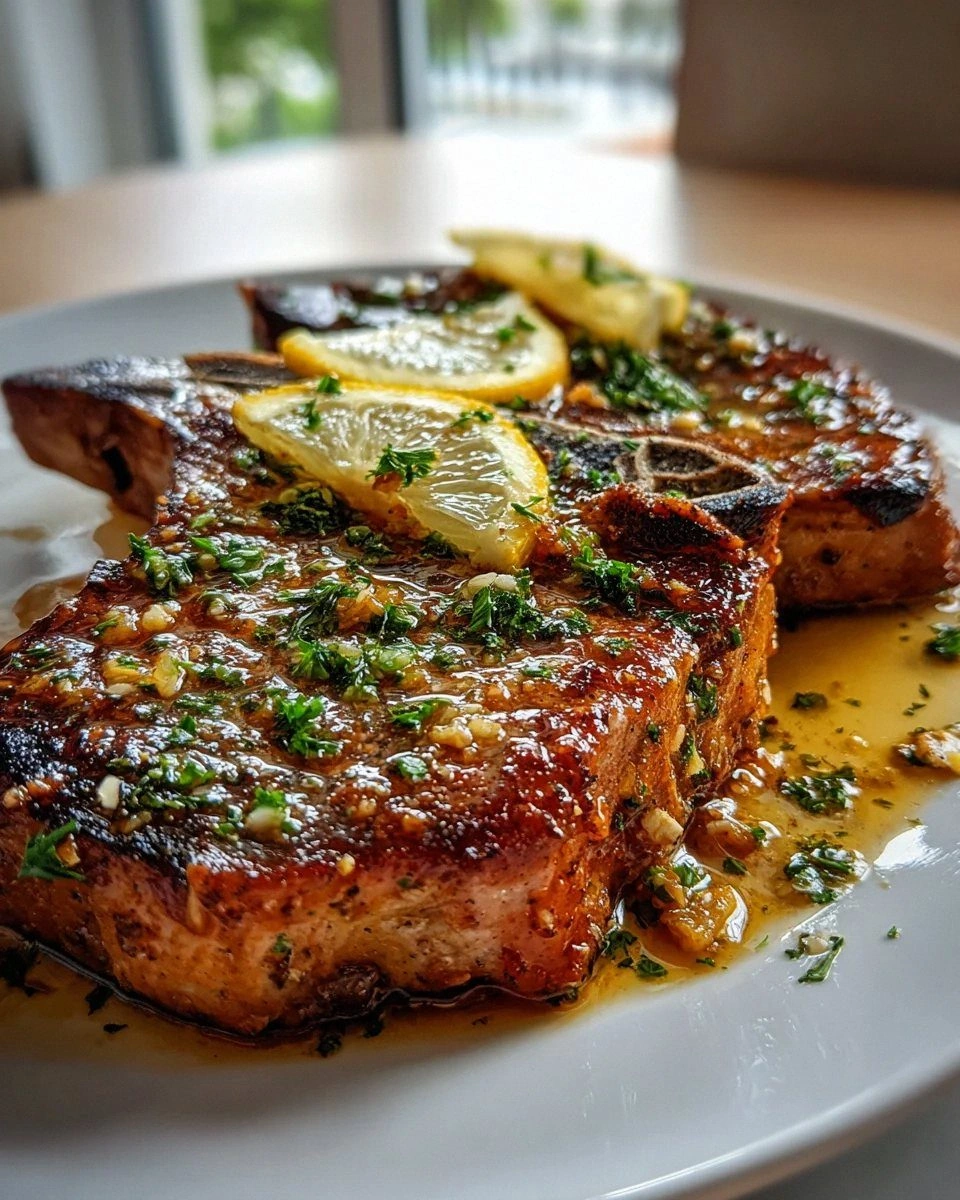
Return the ribs to the pot, spoon the thickened sauce over them, and sprinkle the chopped parsley on top. Let everything sit for a couple of minutes so the meat re‑absorbs the sauce’s brilliance.
That’s it — you did it. But hold on, I’ve got a few more tricks that’ll take this to another level…
Insider Tricks for Flawless Results
The Temperature Rule Nobody Follows
Never rush the sear by using too high a heat; a moderate medium‑high setting gives the meat a uniform crust without burning the exterior. I once tried a scorching flame and ended up with a blackened outer shell and a raw interior – a culinary disaster that taught me the value of patience.
Why Your Nose Knows Best
Your sense of smell is the ultimate doneness gauge. When the broth starts to smell like a well‑aged Bordeaux, you’re close to the perfect reduction. If it smells flat or overly acidic, give it a few more minutes; the aroma will deepen and signal readiness.
The 5‑Minute Rest That Changes Everything
After braising, let the ribs rest uncovered for five minutes. This short pause allows the juices to redistribute, preventing them from spilling out the moment you cut into the meat. Skipping this step leads to a dry bite – a mistake I’ve made once and will never repeat.
Deglaze Like a Pro
When deglazing, use a wooden spoon to scrape the fond gently. The goal is to dissolve those caramelized bits without tearing the pan. A splash of broth followed by a splash of wine creates a layered flavor that a single pour can’t achieve.
The Secret of Fresh Herbs
Add rosemary and thyme early in the braise, but keep the bay leaf until the last 30 minutes. Bay leaves release their flavor slowly; too early and they become bitter, too late and they’re under‑flavored.
Creative Twists and Variations
This recipe is a playground. Here are some of my favorite ways to switch things up:
Mushroom‑Infused Version
Add a cup of sliced cremini mushrooms when you sauté the mirepoix. The mushrooms absorb the broth and release an earthy umami that pairs beautifully with the beef, making the dish even more robust.
Spicy Provencal Kick
Stir in a pinch of crushed red pepper flakes with the garlic and tomato paste. The heat cuts through the richness, giving the sauce a subtle zing that will surprise and delight spice‑loving guests.
White Wine & Leek Variation
Swap the red wine for an equal amount of dry white wine and replace the onion with two leeks, sliced thin. This creates a lighter, more delicate flavor profile that feels like a summer French countryside dinner.
Root Vegetable Medley
Include chunks of parsnip, turnip, and sweet potato alongside the carrots. The natural sweetness of these roots balances the savory broth and adds a beautiful color contrast.
Herb‑Infused Oil Finish
Finish the dish with a drizzle of herb‑infused olive oil (mix olive oil with minced thyme, rosemary, and a touch of lemon zest). This brightens the sauce just before serving and adds a fragrant finishing note.
Storing and Bringing It Back to Life
Fridge Storage
Cool the ribs and sauce to room temperature, then transfer to an airtight container. Store in the refrigerator for up to 4 days. Reheat gently on the stovetop over low heat, adding a splash of water or broth to revive the sauce’s silky texture.
Freezer Friendly
Portion the ribs and sauce into freezer‑safe bags or containers. They’ll keep for up to 3 months. When you’re ready to eat, thaw overnight in the fridge, then reheat in a covered pot on low, stirring occasionally.
Best Reheating Method
The secret to a perfect reheated short rib is low and slow. Place the ribs in a shallow baking dish, add a tablespoon of water, cover with foil, and bake at 300°F (150°C) for 20‑25 minutes. The added moisture steams the meat back to tender perfection.