I still remember the first time I attempted to make stuffed shrimp for a dinner party. I was so confident, strutting around the kitchen like I owned the place, certain my guests would be blown away. Fast forward an hour, and there I was, frantically trying to salvage rubbery shrimp with a stuffing that tasted like salty cardboard. The crabmeat had vanished into a sad, gray mush, and my guests were politely nibbling, eyes darting for the nearest exit. That night, I vowed never again. I became obsessed, testing dozens of versions, hunting down every trick, every nuance, until—finally—this recipe was born. And now? I dare you to taste this and not go back for seconds.
Picture yourself pulling this out of the oven, the whole kitchen smelling like a seaside vacation. The shrimp are plump and coral-pink, their tails curled like tiny question marks. From their bellies peeks a golden crabmeat stuffing, flecked with parsley and glistening with butter. The scent hits you first: briny sweetness, a whisper of garlic, and that unmistakable perfume of fresh lemon zest. You plate them on a white platter, drizzle a little more melted butter over the top, and suddenly you’re the hero of your own dinner party. That first bite? The shrimp snap gently, revealing tender meat that tastes like the ocean on its best day, while the crabmeat filling is rich, buttery, and bright, with edges that shatter like thin ice under your fork.
This is hands down the best version you'll ever make at home, and I’m not shy about saying it. The secret lies in treating the shrimp like the divas they are—quick, high heat so they stay juicy—and the crabmeat like royalty, barely mixed so those luscious lumps stay intact. Most recipes get this completely wrong, baking everything into a rubbery oblivion. Here, we flash-bake at 450°F so the tops crisp while the interior stays cloud-soft. I’ll be honest — I ate half the batch before anyone else got to try it, standing at the counter in my slippers, swearing I’d just taste one more.
Okay, ready for the game-changer? We’re stuffing the shrimp with a crabmeat mixture that’s barely bound, so every forkful is 90% crab, 10% filler. No globs of bready paste, no mystery seasoning packets, just honest seafood singing in harmony. Let me walk you through every single step — by the end, you'll wonder how you ever made it any other way.
What Makes This Version Stand Out
- Shrimp That Stay Snappy: We bake them hot and fast so they never cross into rubber territory. Think of it as a spa flash-roast rather than a long sauna.
- Crab-Forward Filling: Most recipes drown the crab in breadcrumbs. Here, panko is just a whisper, letting sweet lump crab take center stage like the A-lister it is.
- One-Pan Elegance: Everything bakes on a single sheet. No stuffing mushrooms, no wrapping bacon, no babysitting individual parcels. Slide in, slide out, pour wine.
- Make-Ahead Magic: Stuff the shrimp up to 24 hours ahead, park them in the fridge, then bake when guests arrive. The flavor actually improves as it melds.
- Restaurant-Wow Factor at Home: These look like they came from a white-tablecloth seafood house, yet the entire process is easier than making tacos.
- Flexible Flavor: Swap lemon for lime, add a pinch of smoked paprika, or toss in minced jalapeño. The base recipe is a playground.
- Zero Food Waste: Any extra stuffing? Roll it into mini crab cakes and pan-sear for tomorrow’s lunch. You’ll thank me at 11:30 a.m. when the aroma hits.
Alright, let's break down exactly what goes into this masterpiece...
Inside the Ingredient List
The Flavor Base
Jumbo shrimp are the red-carpet celebrities here. Look for U-12 or U-15 count (that means 12 or 15 per pound). Anything smaller and you’ll be wrestling to hollow them out; anything larger and they start to feel like lobster tails that wandered into the wrong dressing room. Buy them peeled and deveined if you value your sanity, but leave the tails on—they’re the built-in handle that lets guests pick them up without fork-fumbling. When you butterfly them, slice just deep enough to create a pocket, not so deep that you hit the cutting board. Think of it as making a shrimp book, not a shrimp accordion.
Lump crabmeat is the Beyoncé of the seafood aisle. Fresh is best, but the pasteurized tubs work if you treat them gently. The moment you shred those gorgeous lumps into stringy shreds, you’ve committed culinary crime. Instead, use your fingers to lift and feel for stray shell bits, then fold the meat in at the very end, like you’re tucking a baby into bed. Skip the cheap claw meat; it’s fishier and stringier, and this is not the place to pinch pennies. If you’ve ever wondered why restaurant crab cakes taste so much better, it’s because they start with lump, not leftovers.
The Texture Crew
Panko breadcrumbs are the fairy godmothers of crunch. Regular breadcrumbs are like dense sand—panko is more like tiny shards of crisp cloud. They absorb less moisture, so they stay flaky rather than pasty. If all you have is Italian seasoned crumbs, you can use them, but dial back the Old Bay a notch so you don’t end up with a salt lick. For gluten-free guests, crushed rice crackers mimic panko’s airy structure surprisingly well. Toast them lightly in a dry skillet for two minutes until they smell like warm bread, and you’ll amplify their nutty flavor before they even hit the oven.
Mayonnaise isn’t just for sandwiches—it’s the silent binder that keeps the crab from scattering like confetti. Use real mayo, not the low-fat stuff that’s basically white water. If you’re feeling virtuous, swap in half Greek yogurt; it adds tang and protein, though you’ll sacrifice some silkiness. The trick is to whisk the mayo with lemon juice and seasonings first, so when you fold in the crab, you’re coating, not stirring. Think glossy slip dress, not kindergarten glue.
The Unexpected Star
Old Bay seasoning is the Midas touch that whispers “Chesapeake” without shouting. It’s a blend of celery salt, paprika, and mystery magic. If you skip it, the dish still works, but it’s like watching a movie without the soundtrack—fine, but flat. Start conservative; you can always dust more on top later. For a Southwest spin, swap in a pinch of chipotle powder and cumin. For Mediterranean vibes, try smoked paprika and a whisper of fennel seed. The world is your spice rack.
The Final Flourish
Unsalted butter lets you control the salt level like a conductor with an orchestra. Melt it with a squeeze of lemon and a minced garlic clove, then drizzle it over the shrimp just before baking. The milk solids toast into nutty brown flecks that cling to the panko, creating golden edges that shatter like thin ice. If you’re dairy-free, refined coconut oil does the job; it’s neutral in flavor and can handle high heat without smoking up your kitchen. Olive oil works too, but choose a mild one—anything grassy will wrestle with the crab’s delicate sweetness.
Everything's prepped? Good. Let's get into the real action...
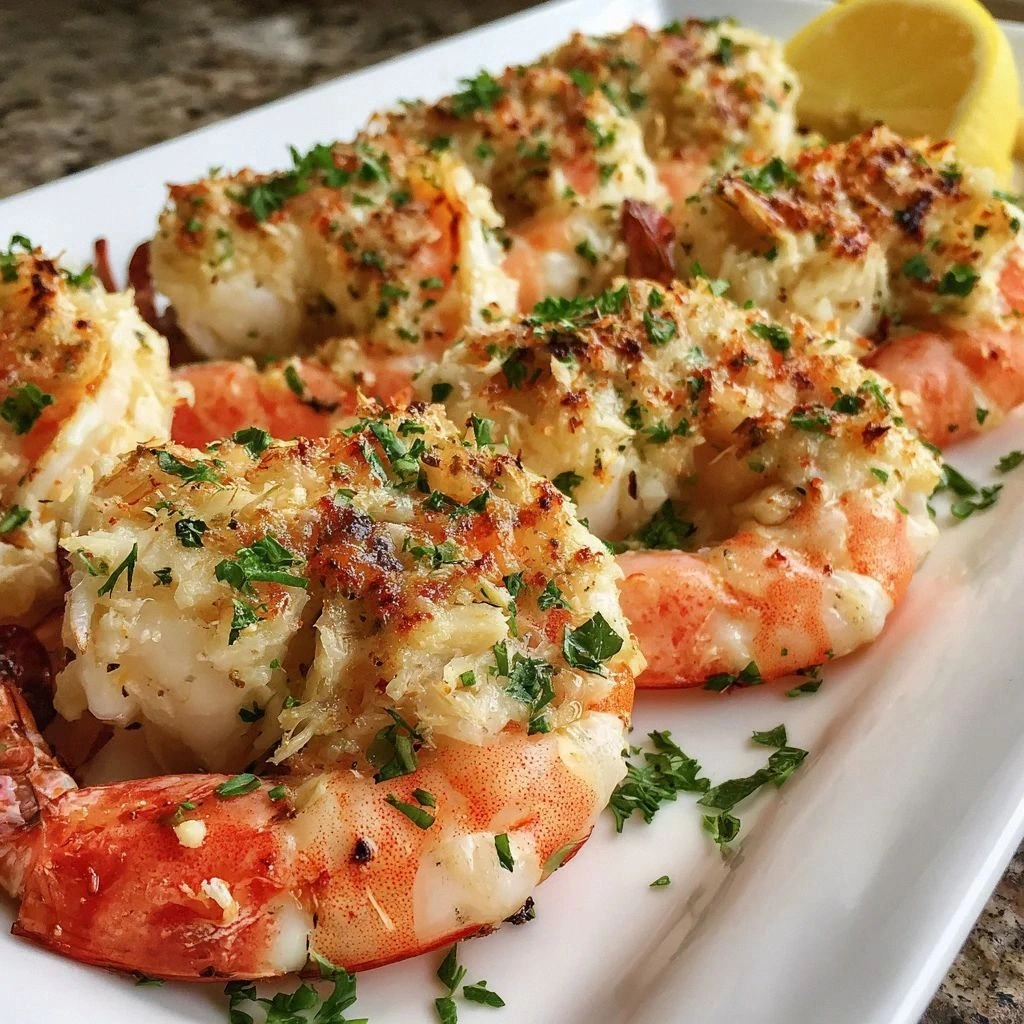
The Method — Step by Step
- Preheat your oven to 450°F and place a sheet pan inside to heat up like a pizza stone. This blast of heat is the difference between shrimp that curl gently and shrimp that kink like over-tightened phone chargers. While the oven roars, pat your shrimp dry with paper towels—moisture is the enemy of browning. Lay them flat on a cutting board, bellies up, and use a sharp paring knife to slice along the back, cutting almost—but not quite—through to the other side. You want a pocket, not a butterfly valve. Season the inside with a whisper of salt; this tiny step seasons from the inside out.
- In a chilled bowl, whisk together mayonnaise, lemon juice, minced garlic, Old Bay, and parsley until it looks like creamy pesto. Taste it now—it should make your tongue dance. Fold in the panko gently; you’re not making cement. Finally, add the crabmeat, using your fingers to lift and tumble, keeping those lumps intact. The mixture should feel like loose crab salad, not a dense meatball. If it looks wet, add another teaspoon of panko; if it’s dry, a tiny dab more mayo.
- Spoon the filling into each shrimp pocket, mounding it up like tiny crab volcanoes. Don’t pack it down; air pockets are your friends for even baking. Arrange the stuffed shrimp on the hot sheet pan, tails facing center like sun rays. They should sizzle the moment they touch the metal—music to your ears. Drizzle the garlic-lemon butter over each one, letting it cascade down the sides. Slide the pan into the oven and set a timer for 8 minutes. Do not wander off; this is the culinary equivalent of a toddler on a trampoline.
- At the 6-minute mark, peek inside. The tops should be golden, the shrimp just opaque with a blush of coral at the tails. If you see white albumin oozing, you’ve gone too far—pull them out immediately. Switch the oven to broil for the final 90 seconds to get those crispy crowns. When they emerge, the butter will be bubbling like a jacuzzi, and your kitchen will smell like summer vacation. Let them rest for 3 minutes; this is the hardest part, but it lets the juices settle back into the meat.
- Transfer to a platter, garnish with fresh parsley and lemon wedges, and watch the room go quiet. Serve with crusty bread to mop up the buttery puddles, or over a bed of arugula that wilts slightly from the heat. A crisp white wine—think Sauvignon Blanc or Albariño—cuts through the richness like sunshine on fog. If you’ve ever struggled with seafood at home, you’re not alone—and I’ve got the fix right here.
That's it—you did it. But hold on, I've got a few more tricks that'll take this to another level...
Insider Tricks for Flawless Results
The Temperature Rule Nobody Follows
Most home cooks treat ovens like suggestion boxes. Don’t. Invest in an oven thermometer and calibrate. If your 450°F is actually 420°F, your shrimp will stew in their own juice instead of roasting. I learned this the hard way when a batch emerged pale and flabby—like seafood at a budget buffet. Once I cranked the dial to true 450°F, the panko bronzed in minutes, and the shrimp stayed plump. It’s a $10 fix that turns you from amateur to assassin.
Why Your Nose Knows Best
Ignore the clock for a second and trust your senses. When the garlic in the butter goes from raw to nutty, you’ll smell it first—an earthy, toasted aroma that drifts up like a hug. That’s your cue the tops are browning. A friend tried skipping this step once; let’s just say it didn’t end well. She pulled them out at exactly 8 minutes, but her oven runs cool, so the crumbs stayed blond and the shrimp tasted flat. Now she sniffs for the garlic signal and nails it every time.
The 5-Minute Rest That Changes Everything
I know, hot seafood on the table is tempting. But those five minutes off heat let the juices redistribute, so when you cut into the shrimp, they don’t flood the plate. Cover loosely with foil—tight wrapping steams the crispy tops into soggy disappointment. During this pause, I pour myself a glass of wine, light a candle, and pretend I’m in a coastal bistro. Future pacing: picture yourself doing exactly this next Friday night.
Creative Twists and Variations
This recipe is a playground. Here are some of my favorite ways to switch things up:
Cajun Firecracker Shrimp
Swap Old Bay for a teaspoon of Cajun seasoning and a pinch of cayenne. Add diced andouille to the crab mix for smoky heat. Serve over cheesy grits and prepare for spontaneous applause. If you’ve ever struggled with bland seafood, you’re not alone—and I’ve got the fix.
Mediterranean Sunset
Trade parsley for dill, lemon for orange zest, and fold in chopped sun-dried tomatoes. Crumble feta on top during the last 2 minutes of baking so it softens but doesn’t melt away. Serve with warm pita and a cucumber-yogurt drizzle. The briny feta plays off the sweet crab like a summer romance.
Smoky Bacon Bliss
Render two strips of bacon until crisp, crumble, and fold into the stuffing. Replace half the butter with bacon fat for a smoky undercurrent. Even self-proclaimed seafood haters devour these. I brought them to a tailgate once; they disappeared faster than the wings.
Spicy Coconut Curry
Sub coconut milk for half the mayo, add a teaspoon of Thai red curry paste, and swap panko for unsweetened coconut flakes. The flakes toast into tropical crunch that transports you straight to Phuket. Future pacing: imagine yourself on a beach towel, ocean breeze, these shrimp on a paper plate.
Tex-Mex Fiesta
Use lime juice instead of lemon, cilantro instead of parsley, and fold in roasted corn kernels. Dust the tops with chili-lime seasoning and serve with avocado crema. It’s like a seafood taco without the shell. My kids love these because they can pick them up like popcorn shrimp.
Lemony Herb Cloud
For a lighter version, replace all mayo with Greek yogurt, add lemon zest and chopped chives. The tang wakes up the crab without weighing it down. Perfect for bridal showers where someone always claims they’re “not that hungry” until they taste one.
Storing and Bringing It Back to Life
Fridge Storage
Place cooled shrimp in an airtight container, separating layers with parchment so the crispy tops don’t get squashed. They’ll keep for up to 2 days, but honestly, they rarely last past breakfast. Add a tiny splash of water before reheating—it steams back to perfection without drying out.
Freezer Friendly
Flash-freeze the stuffed, uncooked shrimp on a tray until solid, then transfer to a freezer bag for up to 1 month. Bake straight from frozen, adding 3 extra minutes under foil, then uncover to brown. The texture isn’t quite as snappy as fresh, but it beats takeout by a mile. Label the bag; future you will thank present you.
Best Reheating Method
Skip the microwave unless you enjoy rubber seafood. Instead, warm them in a 350°F oven for 6 minutes, or float them on simmering tomato broth for 2 minutes—just enough to heat through without cooking further. The broth trick infuses extra flavor and feels fancy enough for guests.