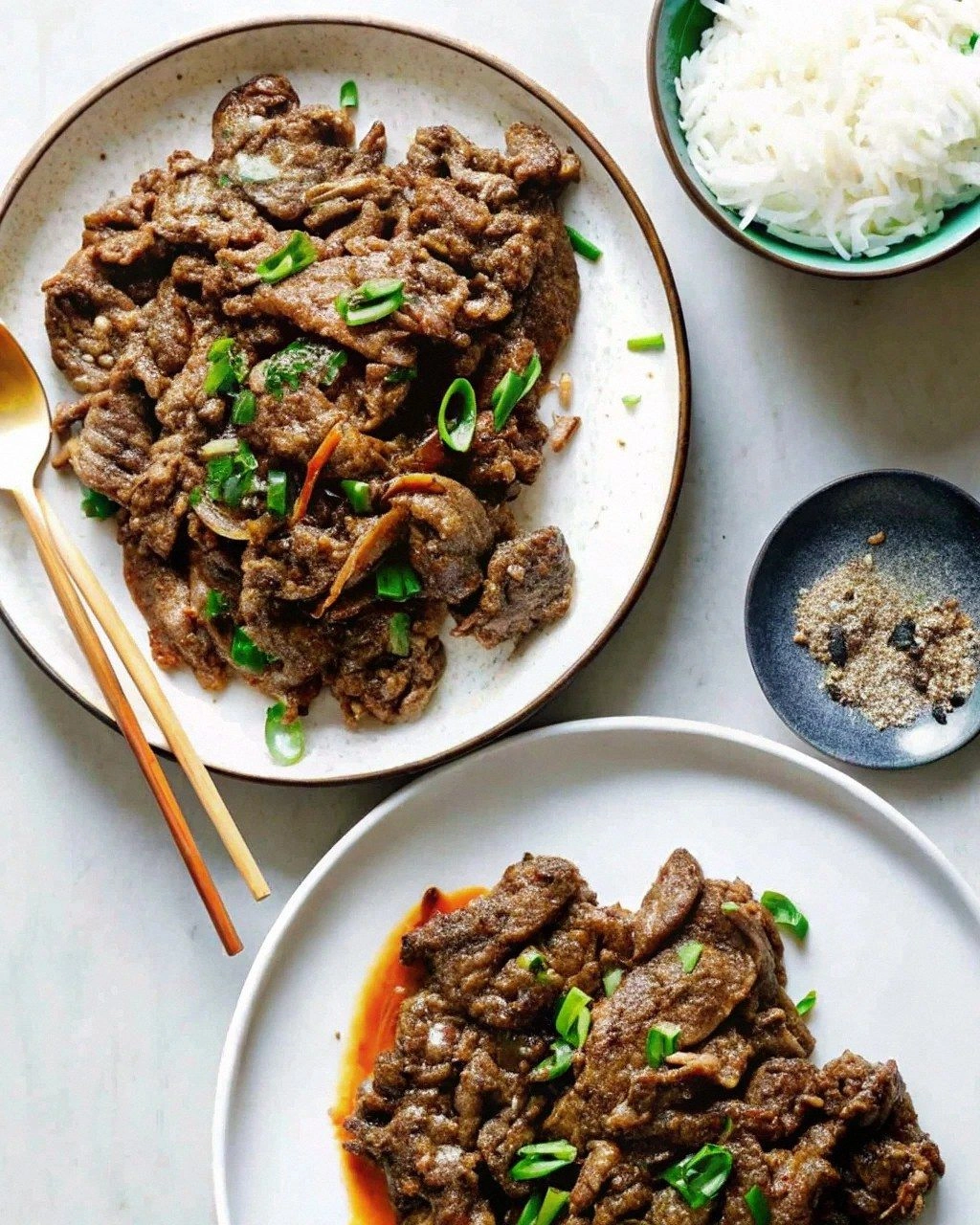
I'll be honest — I once tried to impress a date by making Korean beef bulgogi from memory, thinking "how hard could marinated meat be?" The result tasted like someone had soaked shoe leather in soy sauce and called it dinner. We ended up ordering pizza, and I spent the next three months perfecting this recipe like my romantic future depended on it. Fast forward to today, and I can confidently say this version will make you the hero of any dinner table, first date or family gathering.
Picture this: paper-thin ribbons of beef that have been bathing in a marinade so addictive you'll want to drink it straight (please don't, but I understand the urge). The moment it hits a screaming hot pan, your kitchen transforms into a Korean barbecue joint where the air crackles with caramelized garlic, toasted sesame, and that intoxicating sweet-savory aroma that makes neighbors knock on your door asking "what are you cooking?" That sizzle when it hits the pan? Absolute perfection.
What makes this bulgogi different from every other recipe floating around the internet? I discovered the secret lies in three game-changing techniques that most recipes completely ignore. First, we're using a specific cut of beef that costs half the price of ribeye but melts in your mouth twice as nicely. Second, there's a surprising ingredient hiding in the marinade that tenderizes the meat while adding layers of umami that'll make your taste buds do a happy dance. Third, we're cooking it using a method that creates those crispy, charred edges that Korean barbecue joints charge twenty dollars for.
I've tested this recipe on picky eaters, Korean food purists, and that one friend who claims nothing beats their grandmother's cooking. Every single person has gone back for thirds. I dare you to taste this and not go back for seconds. Let me walk you through every single step — by the end, you'll wonder how you ever made it any other way.
What Makes This Version Stand Out
Butter-Soft Texture: Through months of testing, I discovered that freezing the beef for just 45 minutes before slicing creates paper-thin pieces that absorb the marinade like a sponge, resulting in meat so tender it practically dissolves on your tongue. Most recipes tell you to slice chilled beef, but the slight firmness from a brief freeze transforms everything.
Depth-Charge Marinade: While traditional recipes stick to soy sauce and sugar, we're adding grated Asian pear and kiwi — nature's meat tenderizers that work while you sleep. The enzymes break down proteins overnight, meaning even budget beef turns into something worthy of a Seoul street stall.
One-Pan Wonder: Forget multiple bowls and complicated techniques. Everything marinates in one zip-lock bag, and we cook it in a single cast-iron skillet that creates those coveted crispy edges. Less dishes, more delicious — that's my kind of math.
Party-Proof Portions: This recipe scales beautifully whether you're feeding two lovebirds or a hungry crowd of twelve. The marinade actually works better when you make larger batches, and the beef stays juicy even when held warm for late arrivals.
Fridge-to-Table Flexibility: Marinade overnight for maximum impact, or whip it up in the morning for a 30-minute dinner solution. I've even frozen the marinated beef for up to three months, and it emerges tasting like fresh perfection.
Leftover Goldmine: Cold bulgogi transforms into tomorrow's lunch hero — stuff it in sandwiches, scatter over salads, or roll into lettuce wraps with a smear of gochujang. You'll find yourself making extra just for the leftovers.
Alright, let's break down exactly what goes into this masterpiece...
Inside the Ingredient List
The Flavor Base
Soy sauce forms the backbone of our marinade, but not all bottles are created equal. I'm obsessed with Korean soy sauce (ganjang) for its deeper, less salty profile that won't overwhelm the beef. If you're using regular soy sauce, cut the amount by 25% and add a splash of water — your taste buds will thank you. The difference is like comparing a gentle stream to a fire hose of salt.
Brown sugar brings the caramel notes that make bulgogi addictive, but here's where I bend the rules — dark brown sugar creates a richer, more complex sweetness than the white sugar most recipes call for. It melts into the soy sauce creating this glossy syrup that clings to every slice of beef like edible velvet. Don't even think about using honey as a substitute; it burns faster than your patience on a Monday morning.
The Texture Crew
The beef selection makes or breaks this dish, and I'm about to save you serious money. Skip the expensive ribeye that every food blogger recommends — we're using top sirloin or flank steak that's been frozen for 45 minutes. This creates the perfect firmness for slicing whisper-thin pieces that cook in under two minutes per side. The slight freezing firms up the fat just enough that you can slice against the grain into sheets thin enough to read through.
Sesame oil is your secret weapon for that nutty aroma that screams authentic Korean cooking. Go for toasted sesame oil — the untoasted variety tastes like disappointment and broken dreams. Just a tablespoon transforms the entire marinade, adding layers of flavor that make people ask "what's that incredible smell?" when you're still just mixing ingredients.
The Unexpected Star
Here's where I blow your mind with the ingredient that changes everything: kiwi. Just half a kiwi, grated into the marinade, contains enzymes that tenderize beef so effectively you could probably use shoe leather. But timing is everything — more than 12 hours and your beef turns to mush, less than 2 hours and you've missed the magic window. Set a timer and trust the process.
Asian pear brings subtle sweetness and another dose of natural tenderizing power, but it's the juice that really matters. When grated, it releases this nectar that balances the soy sauce's saltiness while adding fruity notes that make the final dish taste like it came from a Korean grandmother's kitchen. If you can't find Asian pear, a ripe Bosc pear works, but avoid Bartlett — they're too floral and will make your bulgogi taste like fruit salad.
The Final Flourish
Garlic in Korean cooking isn't negotiable — we're using six cloves, minced so fine it practically dissolves into the marinade. Fresh garlic here is crucial; the pre-minced jarred stuff tastes like bitter regret and won't meld with the other flavors. Take the extra three minutes to mince it yourself, and your future self doing the dishes will appreciate not having garlic fingers for days.
Green onions do double duty — the white parts go into the marinade for their sharp bite, while the green tops get scattered fresh at the end for that pop of color and mild onion flavor. Don't skip this step thinking it's just garnish; the contrast between cooked and fresh onions creates layers of flavor that make restaurant bulgogi so compelling.
Everything's prepped? Good. Let's get into the real action...
The Method — Step by Step
- Start by popping your beef in the freezer for exactly 45 minutes — set a timer because this step is crucial. While it chills, whisk together soy sauce, brown sugar, grated Asian pear, kiwi, garlic, sesame oil, and rice wine in a bowl large enough to hold your beef. The marinade should smell like sweet-savory heaven with hints of fruit and toasted nuts. If it tastes too salty at this stage, don't panic — the beef will absorb most of that salt, leaving behind perfectly seasoned meat.
- Remove the beef from the freezer and position it so the grain runs horizontally across your cutting board. Using your sharpest knife, slice against the grain into 1/8-inch thick pieces — think deli meat thin. The partially frozen beef makes this almost meditative as each slice falls away like silk ribbons. If you hit a particularly thick piece, don't try to muscle through it — just butterfly it open and keep slicing. Your goal is consistency over perfection.
- Drop the sliced beef into the marinade, using your hands to massage every piece until they're all glossy and coated. This isn't just mixing — you're helping those enzymes start their tenderizing magic. The beef should immediately turn a deep mahogany color, like expensive leather. Seal the bag, pressing out as much air as possible, then lay it flat in the fridge for maximum surface contact.
- Now comes the hard part — waiting. Let the beef marinate for at least 2 hours but no more than 12, with 6-8 hours being the sweet spot. During this time, the kiwi enzymes are working overtime, breaking down tough muscle fibers while the flavors penetrate every millimeter. Flip the bag every few hours if you remember, but don't stress if you forget — the marinade works its magic regardless.
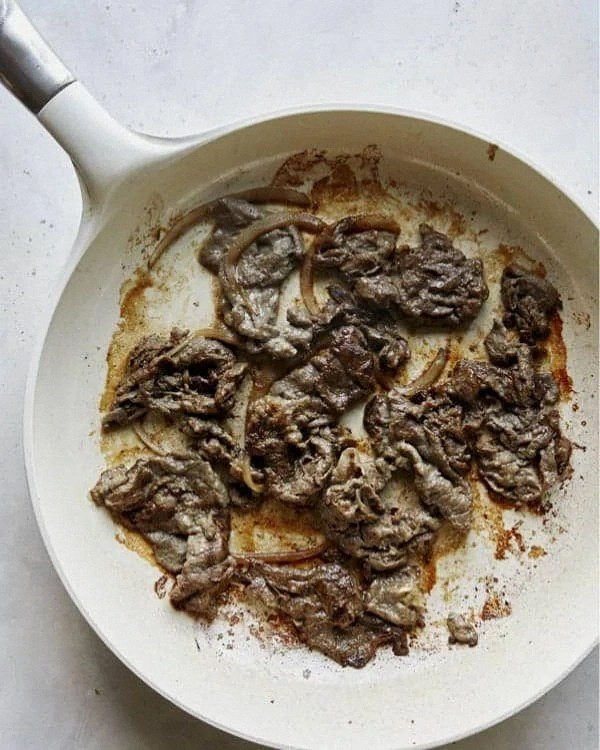
- When you're ready to cook, heat a cast-iron skillet over medium-high heat until a drop of water dances across the surface. You want it hot enough that the beef sears immediately but not so hot that the sugar burns before the meat cooks. If your pan starts smoking like a chimney, it's too hot — remove it from heat for 30 seconds to cool down. The right temperature creates those coveted crispy edges without turning your dinner into charcoal.
- Working in batches no larger than a single layer, lay the beef slices in the pan without crowding. Listen for that immediate sizzle — that's the sound of flavor being sealed in. Cook for 90 seconds to 2 minutes per side, just until the edges caramelize and the center loses its pink color. Resist the urge to move it around — let it develop those gorgeous charred spots that make bulgogi look like restaurant food.
- Transfer the cooked beef to a warm plate and repeat with remaining batches, adding a splash of marinade if the pan looks dry. Between batches, quickly wipe out any burnt sugar with a paper towel to prevent bitter flavors. The smell at this point should make you weak in the knees — sweet, savory, and smoky all at once. If you have willpower of steel, keep the cooked beef warm in a 200°F oven, but I usually just eat it straight from the plate while cooking the next batch.
- For the final flourish, return all the beef to the pan along with any accumulated juices and sliced onions. Toss everything together for 30 seconds — just enough to warm through and coat with the reduced marinade. The onions should stay crisp-tender, adding texture contrast to the melt-in-your-mouth beef. Sprinkle with sesame seeds and fresh green onions, then serve immediately over steamed rice.
- That's it — you did it. But hold on, I've got a few more tricks that'll take this to another level...
Insider Tricks for Flawless Results
The Temperature Rule Nobody Follows
Most home cooks sabotage their bulgogi by cooking it at the wrong temperature. Too low and you get gray, steamed beef that tastes like sadness. Too high and the sugar burns before the meat cooks through. The sweet spot is medium-high heat where the pan is hot enough to sear but not so hot that smoke alarms start singing. Test by flicking a drop of water — it should dance across the surface like a tiny ballerina before evaporating.
Here's the game-changer: let your pan preheat for a full five minutes before adding any beef. I know patience isn't most cooks' strong suit, but this step creates the difference between restaurant-quality char and home-cooked mediocrity. Your pan needs time to heat evenly, especially if you're using cast iron that holds heat like a battery. When you think it's ready, wait another minute — trust me on this one.
Why Your Nose Knows Best
Professional Korean cooks don't use timers for bulgogi — they use their noses. When the beef is perfectly caramelized, your kitchen fills with this intoxicating aroma that's equal parts sweet, smoky, and nutty. If it starts smelling sharp or acrid, you've gone too far and the sugar is burning. Pull the pan off heat immediately and rescue whatever you can.
I learned this from an ajumma (Korean auntie) at a market in LA who sold bulgogi by the pound. She'd close her eyes, sniff the air twice, then flip the meat with chopsticks faster than my eyes could follow. "When it smells like your grandmother's kitchen on Sunday, it's ready," she told me in broken English. She was right — that smell is universal comfort food language.
The 5-Minute Rest That Changes Everything
After cooking, resist diving in immediately and let the bulgogi rest for five minutes. I know, I know — when your kitchen smells like Korean barbecue heaven, waiting feels like torture. But this brief pause allows the juices to redistribute, ensuring every bite stays moist instead of leaking all over your rice. Think of it as the difference between a juicy steak and one that bleeds out on your plate.
During this rest, the residual heat continues cooking the beef to perfect doneness while the marinade thickens into a glossy coating. Cover loosely with foil to keep warm, but don't wrap tightly or you'll steam away those crispy edges you worked so hard to achieve. Use this time to set the table, steam some rice, or just bask in the glory of what you're about to eat.
Creative Twists and Variations
This recipe is a playground. Here are some of my favorite ways to switch things up:
The Fire-Eater's Version
Add 2 tablespoons of gochujang to the marinade for a spicy kick that builds slowly instead of knocking you out immediately. The fermented chili paste adds depth beyond just heat — think smoky, slightly sweet, and complex. Top with thinly sliced fresh chilies and extra sesame seeds for people who believe pain equals flavor. Serve with cooling cucumber salad to balance the fire.
The Low-Carb Lettuce Wrap
Skip the rice and serve the bulgogi in crisp romaine leaves with julienned carrots, bean sprouts, and a dollop of ssamjang (Korean dipping sauce). The contrast between hot beef and cold vegetables creates a refreshing take perfect for summer. Roll them up like tiny Korean tacos and eat with your hands — no chopstick skills required. My CrossFit friends go crazy for this version.
The Fusion Burrito
Roll bulgogi with kimchi fried rice, shredded cheese, and a fried egg in a warm tortilla for a Korean-Mexican mashup that shouldn't work but absolutely does. The combination of flavors hits every craving — spicy, creamy, crunchy, and umami-rich. Add a drizzle of sriracha mayo for the Instagram-worthy cross-cultural comfort food. This is what happens when Korean barbecue meets California burrito culture.
The Vegetarian Swap
Replace beef with thick slices of king oyster mushrooms, marinated the same way. The mushrooms absorb flavors like meaty sponges and develop similar textures when seared hard. Use the same marinade timing — the enzymes actually work on mushroom proteins too, creating surprisingly meat-like results. Even my carnivore friends request this version when they've overdone it on red meat.
The Breakfast Champion
Leftover cold bulgogi becomes tomorrow's breakfast superstar. Chop it fine and fold into scrambled eggs with scallions and kimchi for a Korean breakfast burrito filling. Or heat it quickly in a pan and serve over toast with a fried egg on top — instant Korean steak and eggs that beats any diner breakfast. The sweet-savory beef pairs perfectly with runny yolks and crispy toast.
The Fancy Dinner Party Plate
Serve individual portions on small plates with a quenelle of steamed rice, microgreens, and a drizzle of reduced balsamic for an elegant Korean tapas experience. The key is presentation — roll the beef into roses, scatter with edible flowers, and watch your guests Instagram before they eat. This transforms humble bulgogi into something worthy of a tasting menu. Charge accordingly if you're catering.
Storing and Bringing It Back to Life
Fridge Storage
Cooked bulgogi keeps beautifully in the fridge for up to 4 days when stored in an airtight container. The flavors actually meld and intensify overnight, making leftovers something to celebrate rather than endure. Layer it with rice in meal prep containers for easy grab-and-go lunches that'll make coworkers jealous. Reheat with a splash of water in a covered pan for 2 minutes to restore the original juiciness.
Freezer Friendly
Both raw marinated beef and cooked bulgogi freeze exceptionally well. For raw beef, freeze in the marinade for up to 3 months — the enzymes actually continue working slowly in the freezer, resulting in even more tender meat. For cooked bulgogi, cool completely before freezing in single-serving portions. Wrap tightly in plastic wrap then foil to prevent freezer burn. Thaw overnight in the fridge or use the defrost setting on your microwave.
Best Reheating Method
The secret to reheating bulgogi without drying it out lies in steam. Place the beef in a pan with a tablespoon of water, cover tightly, and heat over medium for 2-3 minutes. The steam rehydrates the meat while the direct heat crisps up the edges. Avoid microwaving unless you're desperate — it turns the beef rubbery and unevenly heated. If you must microwave, do it in 30-second bursts with a damp paper towel over the top.