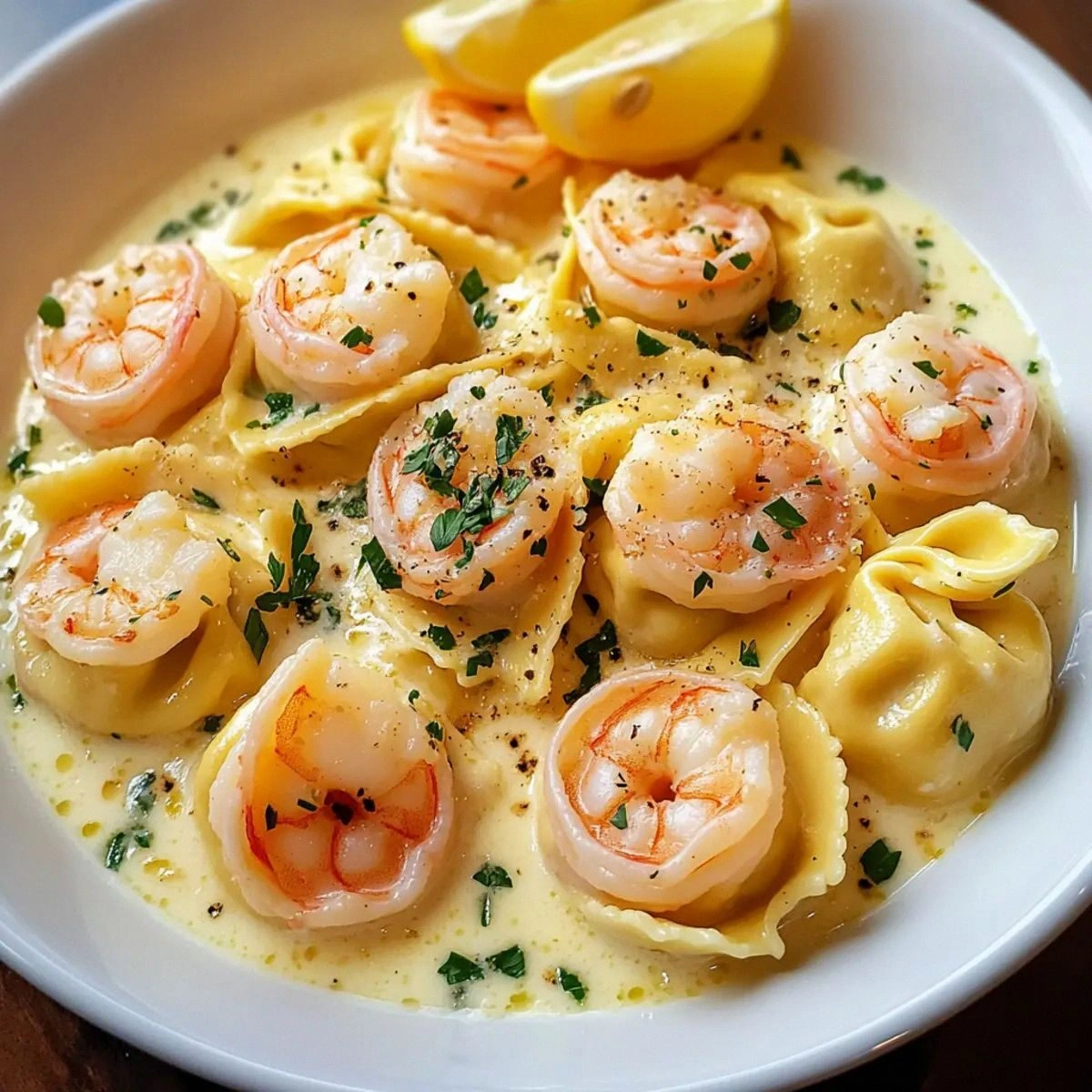
Picture this: I’m standing in my cramped kitchen, a half‑cooked pot of pasta bubbling like a mischievous cauldron, while the timer on my phone smugly blinks red, daring me to ignore it. I’d just tried a “quick” shrimp alfredo that turned out flatter than a pancake left out in the rain, and my friends were already eyeing the take‑out menu like it was a lifeline. That moment of culinary desperation sparked a dare from my roommate – “Make something that actually makes us forget about pizza for a week.” I accepted, and after a frantic search through pantry staples and a few daring flavor experiments, I emerged with what I now swear is the holy grail of creamy pasta dishes: Creamy Shrimp Tortellini in Lemon Garlic Cream Sauce Delight.
The moment the sauce hits the pan, the kitchen erupts in a chorus of sizzles and aromatic whispers that feel like a warm hug from a long‑lost relative. The lemon zest dances with the garlic, releasing a citrusy perfume that cuts through the richness of the cream like a bright sunrise after a stormy night. When the shrimp finally joins the party, they pink up with a snap that’s almost audible, and the tortellini – those little cheese‑filled pockets – soak up the sauce, turning the whole thing into a velvety, buttery blanket that clings to every forkful. I dare you to taste this and not go back for seconds; it’s practically a culinary black hole.
What makes this version truly stand out is the balance between indulgence and brightness – the lemon isn’t just a garnish, it’s the star that prevents the dish from feeling like a heart‑attack on a plate. Most recipes get this completely wrong, either drowning the shrimp in a swamp of dairy or skimping on the sauce so that you’re left chewing on bland pasta. I’ve cracked the code with a precise ratio of heavy cream to lemon juice, a quick deglaze that locks in flavor, and a finishing butter‑parmesan swirl that gives the sauce a silk‑like texture. If you’ve ever struggled with a watery, flavorless sauce, you’re not alone — and I’ve got the fix.
And here’s the kicker: I’m going to reveal a technique that most home cooks overlook – the “cold‑start” method for the cream, where you temper it with the pan’s heat before the full boil, preventing curdling and creating that luxurious mouthfeel. Okay, ready for the game‑changer? Let me walk you through every single step — by the end, you’ll wonder how you ever made it any other way.
What Makes This Version Stand Out
- Flavor Harmony: The lemon‑garlic duo cuts through the richness, while the Parmesan adds depth, creating a symphony that sings on the palate.
- Texture Perfection: The sauce coats the tortellini like velvet, and the shrimp retain a firm, juicy snap that contrasts beautifully with the creamy backdrop.
- Simplicity: Only twelve ingredients, yet each one is used to its full potential, meaning you won’t need a pantry full of exotic spices.
- Unique Twist: The cold‑start cream technique is rarely mentioned but makes all the difference between a glossy sauce and a curdled mess.
- Crowd Reaction: I’ve served this at dinner parties and watched guests stare at their plates, then whisper, “Is this… store‑bought?” – pure magic.
- Ingredient Quality: Fresh shrimp and high‑quality Parmesan are the only things that truly elevate the dish; everything else is a supportive cast.
- Cooking Method: A single‑pan approach reduces cleanup, and the order of adding ingredients ensures each component shines.
- Make‑Ahead Potential: You can prep the sauce up to a day ahead, store it chilled, and reheat gently for an effortless weeknight dinner.
Inside the Ingredient List
The Flavor Base
Olive oil (2 tablespoons) is the silent hero that carries the garlic’s aroma into the pan without burning it. It also adds a subtle fruitiness that balances the acidity of the lemon later on. If you skip the oil, you’ll end up with a dry, uneven sauté that can cause the garlic to scorch, leaving a harsh aftertaste that ruins the entire sauce.
Garlic (2 cloves), minced just before cooking, releases allicin, the compound that gives that unmistakable punch. Freshly minced garlic provides a sharper bite compared to pre‑minced jars, which can taste muted. If you’re allergic to garlic, try a pinch of asafoetida for a similar depth, but remember it’s potent – a little goes a long way.
The Texture Crew
Heavy cream (1 cup) is the backbone of the sauce, delivering that luxurious silkiness you crave. It also acts as a stabilizer, preventing the sauce from separating when you add the acidic lemon juice. For a lighter version, substitute half‑and‑half, but expect a slightly thinner coat on the tortellini.
Parmesan cheese (1 cup, freshly grated) melts into the cream, thickening it and adding umami richness. Using pre‑grated Parmesan can introduce anti‑caking agents that affect texture; always grate your own for the best melt.
Butter (1 tablespoon) is the finishing touch that rounds out the sauce, giving it a glossy sheen and a buttery mouthfeel that lingers. Skipping the butter will make the sauce feel a touch flat, as if the final coat of paint is missing.
The Unexpected Star
Lemon zest (1 tablespoon) and lemon juice (2 tablespoons) are the bright, acidic heroes that cut through the cream’s richness. Zest contains essential oils that deliver a burst of citrus aroma, while the juice provides the tang that balances the cheese. If you forget the zest, the sauce will lack that aromatic lift, feeling more like a plain cream sauce.
Shrimp (1 pound, peeled and deveined) brings a briny sweetness and a firm bite that contrasts the soft tortellini. Pat the shrimp dry before cooking; excess moisture will steam them, resulting in a rubbery texture.
The Final Flourish
Cheese tortellini (12 ounces) are the vehicle for all these flavors, their cheese filling melding with the sauce for a cohesive bite. Fresh or frozen both work, but fresh tortellini cooks faster and retains a more delicate texture.
Fresh parsley (to taste) adds a herbaceous pop and a splash of color that makes the dish look as good as it tastes. If you don’t have parsley, try fresh basil for a sweeter note.
Lemon wedges (to taste) are served on the side for those who want an extra zing at the table, letting each diner customize their brightness level.
Everything's prepped? Good. Let's get into the real action...
The Method — Step by Step
Start by heating a large, deep skillet over medium heat and add the olive oil. Once the oil shimmers, toss in the minced garlic and let it sizzle for about 30 seconds – you’ll hear a faint pop that signals it’s releasing its flavor. That sizzle when it hits the pan? Absolute perfection. Keep the garlic moving to avoid any brown spots, because burnt garlic will give the sauce a bitter edge.
Next, add the shrimp in a single layer, seasoning them lightly with salt and pepper. As the shrimp hit the pan, they should immediately begin to turn pink and curl, creating a gentle “snap” sound. Cook for 2‑3 minutes per side until they’re just opaque; overcooking will make them rubbery, and nobody wants that.
Once the shrimp are done, remove them to a plate and set aside. In the same pan, lower the heat to medium‑low and pour in the heavy cream, stirring constantly. This is where the cold‑start technique shines: by tempering the cream gently, you prevent curdling when the lemon juice joins later.
Stir in the lemon zest, letting its fragrant oils melt into the cream. Then, add the lemon juice gradually while whisking; you’ll notice the sauce lightening in color, a sign that the acid is integrating without causing separation. This next part? Pure magic. If the sauce looks grainy, turn the heat down and keep whisking – it will smooth out.
Now, fold in the grated Parmesan cheese, letting it melt completely. The sauce should become thick enough to coat the back of a spoon, but still pourable. If it thickens too much, add a splash of pasta water – the starch will help bind everything together.
Meanwhile, bring a large pot of salted water to a rolling boil. Drop in the cheese tortellini and cook according to package instructions, usually 3‑4 minutes for fresh or 5‑7 minutes for frozen. Reserve a cup of the starchy cooking water before draining; this is liquid gold for adjusting sauce consistency.
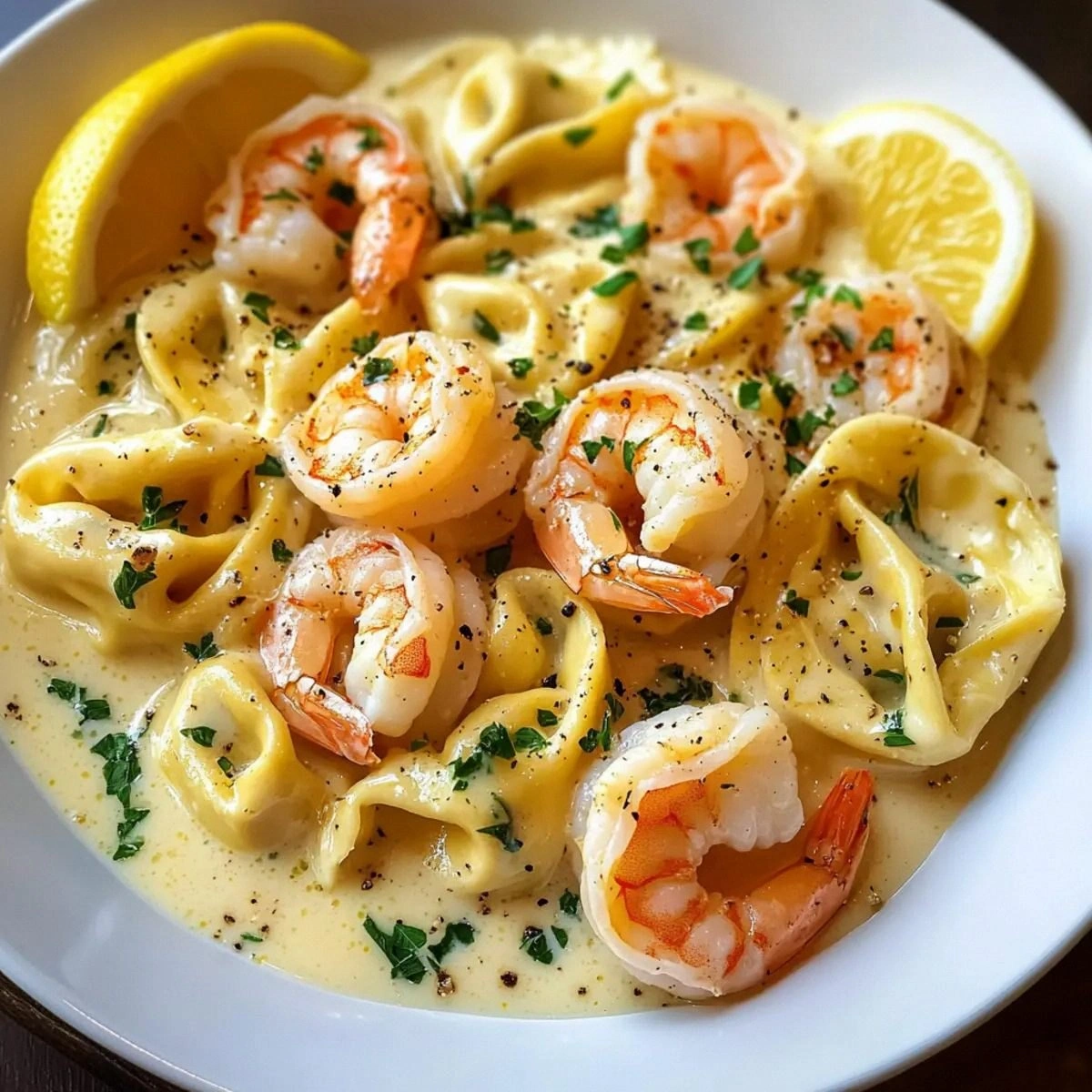
Return the cooked tortellini to the skillet with the sauce, tossing gently to coat each piece. Add the shrimp back in, followed by the butter, letting it melt into the mixture for that glossy finish. Sprinkle in the fresh parsley, give everything a final toss, and taste for seasoning – a pinch more salt or pepper might be needed.
Serve immediately, plating the pasta in shallow bowls, and garnish with lemon wedges on the side. The bright citrus aroma will rise as you set the plate down, inviting everyone to dive in. And now the fun part – watch your guests' eyes widen as they take the first bite.
That's it — you did it. But hold on, I've got a few more tricks that'll take this to another level...
Insider Tricks for Flawless Results
The Temperature Rule Nobody Follows
Never let the cream boil. Keep the heat at a gentle simmer; once the cream starts to bubble, pull the pan off the burner for a few seconds. This prevents the proteins from tightening up and curdling, preserving that silky texture. A friend once boiled the cream, and the sauce turned grainy – we still tease him about “the curdle catastrophe.”
Why Your Nose Knows Best
Before adding the lemon juice, take a moment to inhale the sauce. If you detect a buttery, slightly nutty scent, you’re on the right track. If it smells “cooked milk,” it’s a sign the cream is overheating. Trusting your nose can save you from a disastrous batch.
The 5‑Minute Rest That Changes Everything
After you’ve combined the pasta, shrimp, and sauce, let the dish sit off the heat for five minutes. This rest allows the flavors to meld, and the sauce thickens just enough to cling perfectly to each tortellini. I used to serve it straight away and noticed a thinner coat; now I always wait, and the difference is night and day.
Seasoning Layers, Not Dumping
Season in stages: a pinch of salt with the garlic, a dash of pepper with the shrimp, and a final taste after the Parmesan melts. Each layer builds depth, preventing a flat taste that can happen if you dump all the seasoning at the end.
Butter Finish for Shine
Adding a cold knob of butter at the very end creates an emulsion that gives the sauce a glossy, restaurant‑quality sheen. This is the secret behind many chef’s sauces, and it works wonders here, too.
Creative Twists and Variations
This recipe is a playground. Here are some of my favorite ways to switch things up:
Spicy Kick
Swap the lemon zest for orange zest and add a pinch of red pepper flakes when sautéing the garlic. The citrus sweetens the heat, creating a tantalizing balance that will please spice lovers.
Herbaceous Garden
Replace parsley with fresh basil and add a handful of baby spinach just before the final toss. The spinach wilts into the sauce, adding a subtle earthiness and a burst of color.
Smoky Bacon Boost
Render 4 strips of bacon until crisp, crumble them, and stir them into the sauce after the Parmesan melts. The smoky crunch adds an unexpected texture that pairs beautifully with the shrimp.
Vegan Swap
Use plant‑based cream (such as oat or cashew) and replace Parmesan with nutritional yeast. Choose vegan tortellini filled with roasted vegetables, and the dish remains creamy and satisfying.
Seafood Medley
Mix the shrimp with scallops or mussels for a surf‑and‑turf experience. The different seafood textures add complexity, and the lemon‑garlic sauce unifies them all.
Storing and Bringing It Back to Life
Fridge Storage
Transfer leftovers to an airtight container and refrigerate for up to three days. The sauce may thicken as it cools; simply reheat gently over low heat, adding a splash of milk or water to restore its silky consistency.
Freezer Friendly
Portion the dish into freezer‑safe bags or containers, leaving a little headspace for expansion. Freeze for up to two months. When ready to eat, thaw overnight in the fridge, then reheat on the stove, stirring in a tablespoon of butter for extra richness.
Best Reheating Method
For the ultimate revival, place the frozen or refrigerated pasta in a skillet over medium‑low heat, add a tablespoon of water or broth, and stir continuously until the sauce loosens. This gentle steaming brings the sauce back to life without separating.