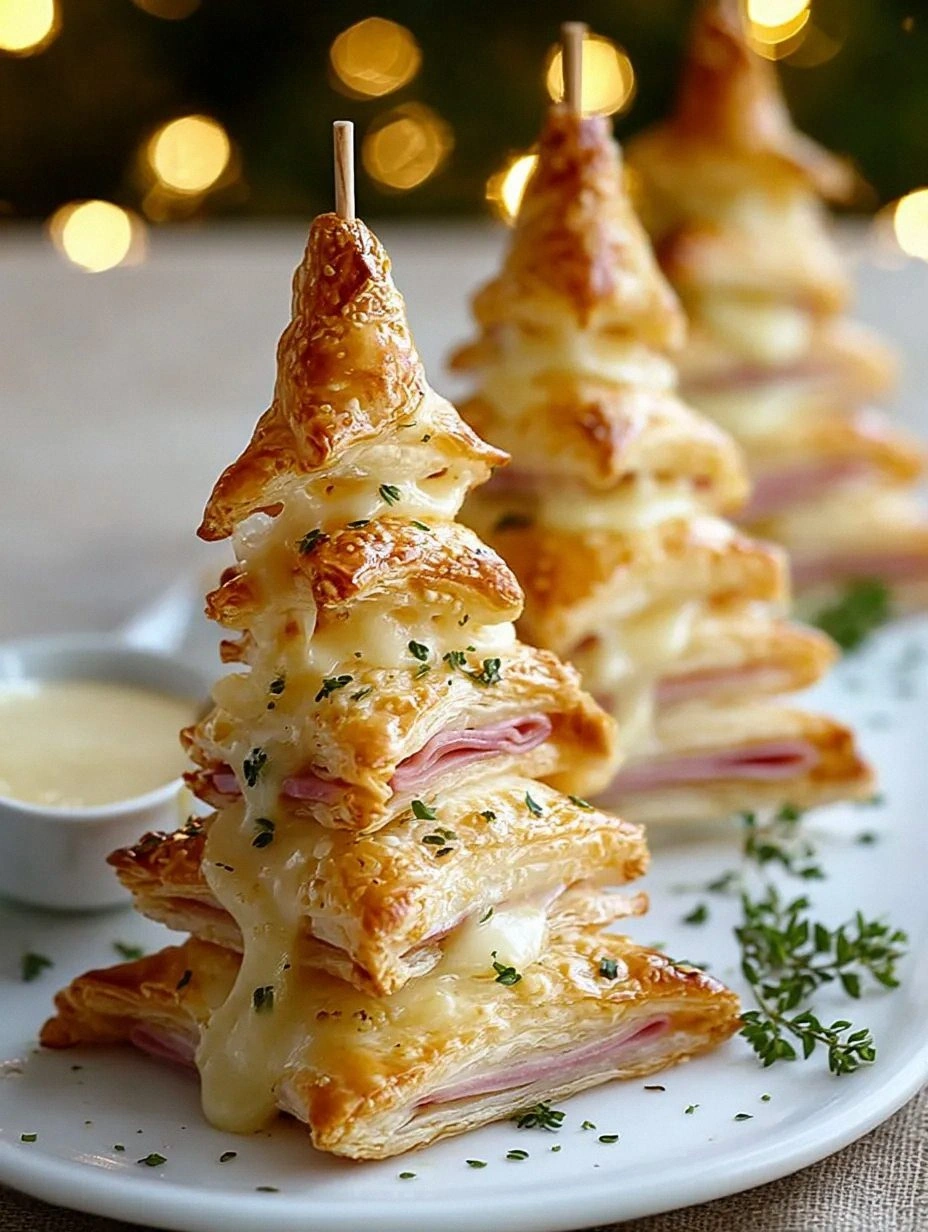
Picture this: the oven door swings open and a wave of buttery aroma rolls out, hugging the room like a warm blanket on a frosty night. You hear the faint crackle of the pastry edges as they rise, you see the golden tips catching the light like tiny sunrise peaks, and you can already taste the salty ham melting into the cheese, each bite a perfect balance of melt‑in‑your‑mouth richness and crisp, flaky crunch. The texture contrast is the kind of symphony that makes your taste buds do a little jig—soft, melty interior meets a crisp, airy shell that shatters like delicate ice when you bite into it.
Most recipes for puff pastry appetizers either drown the pastry in sauce or skimp on the filling, leaving you with a dry, uninspired bite. This version, however, is a game‑changer. I’m talking about a technique where the pastry is lightly brushed with a mustard‑egg wash before it even meets the oven, creating a caramelized glaze that locks in moisture and adds a subtle tang. The ham is layered in a way that it becomes part of the structure, not just a topping, and the cheese is folded into the folds so that every layer is a molten surprise. I dare you to taste this and not go back for seconds.
And here’s the kicker: I’m about to reveal a secret ingredient that most cooks overlook—a pinch of fresh thyme that lifts the whole dish into aromatic heaven. It’s the kind of detail that makes a good recipe great, and a great recipe unforgettable. Let me walk you through every single step — by the end, you’ll wonder how you ever made it any other way.
What Makes This Version Stand Out
- Flavor Explosion: The combination of smoky ham, nutty Gruyère, and a whisper of Dijon mustard creates a layered taste that builds with each bite, making your palate feel like it’s on a festive roller coaster.
- Texture Harmony: The puff pastry’s airy, buttery crunch pairs perfectly with the silky melt of cheese, while the ham adds a satisfying chew that prevents the dish from feeling one‑dimensional.
- Simplicity Meets Sophistication: You only need a handful of pantry staples, yet the final presentation looks like it took hours of meticulous plating—perfect for impressing guests without the stress.
- Unique Shape: Stacking the pastry into tree silhouettes turns an ordinary snack into a conversation‑starter; it’s practically a holiday decoration you can eat.
- Crowd Reaction: People who try these instantly ask for the recipe, and the “wow” factor is so strong that they’ll keep coming back for more at every gathering.
- Ingredient Quality: Using high‑quality butter‑rich puff pastry and authentic cheese elevates the dish from snack to gourmet bite.
- Cooking Method: The high‑heat blast (425°F) creates that coveted puff‑up while sealing in juices, a trick most home cooks miss.
- Make‑Ahead Potential: Assemble the trees ahead of time, freeze, and bake fresh when guests arrive—no last‑minute panic.
Inside the Ingredient List
The Flavor Base
The Dijon mustard isn’t just a condiment; it’s a flavor catalyst. Its sharp, tangy notes cut through the richness of the butter and cheese, creating a balanced palate that keeps each bite from feeling overly heavy. If you skip it, you’ll lose that bright spark that makes the whole tree sing. As a swap, you can use whole‑grain mustard for a bit of texture, but keep the quantity the same to maintain the acidity.
Fresh thyme is another unsung hero. Its piney aroma lifts the ham’s smokiness and adds a festive, herbaceous whisper that screams “holiday.” When selecting thyme, look for bright green leaves with a firm stem—dry, brown tips mean the herb has lost potency. If you can’t find thyme, try rosemary, but use half the amount; rosemary can dominate the delicate flavors.
The Texture Crew
Puff pastry is the backbone of this dish. A high‑quality, butter‑laden sheet will puff dramatically, giving you those airy, flaky layers that are the hallmark of a perfect tree. Cheap, oil‑based alternatives often result in a soggy, dense texture that never reaches that lofty height. When buying, feel the pastry; it should be cold and slightly firm—if it’s limp, it’s been sitting out too long.
The cheese, preferably Gruyère or a sharp aged cheddar, provides that glorious melt. Its nutty, slightly sweet profile complements the ham and mustard without overwhelming them. If you use a low‑moisture cheese, the trees may not achieve that glossy sheen; a good melt is essential. For a twist, swap in smoked mozzarella for a milder, creamier texture.
The Unexpected Star
A light dusting of flour on your work surface prevents the pastry from sticking, but it also adds a subtle crispness to the underside once baked. It’s a tiny step that makes a massive difference—skip it, and you risk tearing the pastry when you try to lift it, leading to uneven trees. If you’re gluten‑free, use a fine rice flour; it behaves similarly in the oven.
The Final Flourish
Egg wash (one beaten egg with a splash of water) is the glossy finish that turns a golden‑brown puff into a lacquered masterpiece. It also helps the mustard adhere, ensuring every bite has that tangy punch. If you’re avoiding eggs, a mixture of milk and a drizzle of honey works as a glossy alternative, though the flavor will shift slightly toward sweet.
Everything's prepped? Good. Let’s get into the real action…
The Method — Step by Step
Preheat your oven to 425°F (220°C) and line two baking sheets with parchment paper. This high temperature is essential for that dramatic puff; if the oven isn’t hot enough, the layers will stay flat and soggy. As the heat builds, you’ll start to smell the buttery promise of the pastry, a scent that signals you’re on the right track. While the oven warms, give yourself a moment to admire the clean workspace—confidence is half the recipe.
Kitchen Hack: Place a cooling rack on top of the parchment; it allows air to circulate under the pastry, promoting an even rise on both sides.Lay out the puff pastry sheets on a lightly floured surface. Using a rolling pin, gently roll each sheet to about 1/8‑inch thickness, being careful not to over‑work the dough. Over‑rolling can compress the butter layers, sabotaging the puff. You’ll know you’ve got the right thickness when the pastry feels supple but not sticky, and you can see the faint butter sheen through the dough.
Brush the entire surface of each sheet with the mustard‑egg wash. The mustard adds a subtle zing, while the egg wash creates that glossy, caramelized finish. If you’re using a milk‑honey alternative, brush it on now; the color will be slightly lighter but still beautiful. The mixture should coat the pastry evenly—no puddles, just a thin sheen that disappears into the dough.
Arrange the ham slices in a overlapping pattern, covering about two‑thirds of the pastry surface. The ham should be laid out so that each slice slightly overlaps the previous one, creating a seamless blanket of salty goodness. Press gently with the back of a spoon to adhere the ham to the mustard‑egg layer; this prevents it from sliding off during the bake.
Sprinkle the grated Gruyère (or your chosen cheese) evenly over the ham. The cheese should be generous enough to melt into a gooey river but not so thick that it pools. If you notice any gaps, add a little more cheese; you want every bite to deliver that melty surprise. The thyme leaves are scattered now, their tiny green specks adding visual contrast and aromatic depth.
Using a sharp pizza cutter or a ruler and a knife, cut the layered pastry into long strips about 2 inches wide. Then, carefully roll each strip from the short end, forming a tight spiral that will become the trunk of your tree. The key here is to roll tightly enough that the layers stay together, but not so tight that the pastry tears. If a strip resists, gently coax it with your fingers—patience pays off.
Watch Out: If the pastry starts to crack while rolling, let it rest for 5 minutes; the butter will relax, making the dough more pliable.Place each rolled strip upright on the prepared baking sheet, spacing them a couple of inches apart. The base of each tree should be flat against the parchment to ensure stability. As they sit, you’ll notice the edges beginning to lift—a sign that the puff pastry is reacting to the heat. If any tree leans, gently nudge it with a spatula; you want each one standing proud.
Brush the tops of the trees with a little melted butter for extra richness and a deeper golden hue. This final brush is what gives the trees that restaurant‑level shine that makes guests pause for a photo before they bite. Slide the sheets into the oven and bake for 12‑15 minutes, or until the pastry has puffed dramatically and turned a deep, buttery gold. The aroma at this stage is intoxicating—think toasted almond meets fresh‑baked bread.
When the trees are beautifully puffed and the cheese is bubbling, remove them from the oven and let them rest for 2‑3 minutes. This short rest lets the steam settle, keeping the interior moist while the exterior stays crisp. If you’re serving immediately, drizzle a tiny drizzle of honey for a sweet‑savory contrast that will make your guests gasp.
Serve the trees on a warm platter, garnish with a sprinkle of extra thyme and a pinch of flaky sea salt. The final presentation should look like a miniature forest of golden, cheesy conifers—ready to be devoured. And now the fun part: watch everyone reach for seconds, and then thirds, because honestly, I’ll be honest — I ate half the batch before anyone else got to try it.
That’s it — you did it. But hold on, I’ve got a few more tricks that’ll take this to another level, because the best dishes always have a secret weapon hidden up their sleeve.
Insider Tricks for Flawless Results
The Temperature Rule Nobody Follows
Never underestimate the power of a fully preheated oven. If the oven temperature drops when you open the door, the pastry will lose its lift and turn into a soggy pancake. I always keep a second oven thermometer on the side; if it reads even 10°F low, I crank the dial up by 15°F. This tiny adjustment guarantees that every tree reaches that dramatic, cloud‑like puff.
Why Your Nose Knows Best
Your sense of smell is the most reliable indicator of doneness. When the butter begins to caramelize, you’ll detect a nutty, almost toasted scent that signals the edges are pulling away from the parchment. If the smell is still buttery without that caramel note, give it another minute; you’ll avoid under‑baking and the dreaded soggy center.
The 5‑Minute Rest That Changes Everything
After the oven, let the trees rest for exactly five minutes before cutting or serving. This short pause lets the steam redistribute, keeping the interior meltiness while preserving the crisp crust. Skipping this step results in a soggy bottom, because the steam has nowhere to go and condenses on the pastry.
Butter Brush Brilliance
A second brush of melted butter halfway through the bake (at the 7‑minute mark) creates an extra layer of gloss and flavor. It’s a pro tip I learned from a pastry chef who swears by the “double‑glaze” method for croissants. The result is a richer, deeper gold that catches the eye and adds a buttery bite you can’t get from egg wash alone.
The Slice‑And‑Serve Secret
When you’re ready to serve, use a serrated knife warmed in hot water. The heat cuts through the flaky layers cleanly without crushing the delicate puff. A dull knife will mash the pastry, turning your elegant trees into mushy piles—definitely not the wow factor you’re after.
Creative Twists and Variations
This recipe is a playground. Here are some of my favorite ways to switch things up:
Spicy Sriracha Kick
Swap the Dijon mustard for a sriracha‑infused egg wash, and add a pinch of smoked paprika to the cheese mixture. The result is a fiery version that still retains the buttery puff, perfect for guests who love a little heat.
Mediterranean Olive & Feta
Replace the ham with thinly sliced Kalamata olives and the Gruyère with crumbled feta. Add a sprinkle of oregano and a drizzle of olive oil before baking. This Mediterranean spin offers a briny, tangy profile that pairs beautifully with a glass of crisp white wine.
Sweet & Savory Apple‑Cheddar
Layer thin apple slices (Granny Smith) under the cheddar cheese, and add a dash of cinnamon to the egg wash. The sweet apple caramelizes against the cheese, creating a dessert‑like appetizer that still feels festive.
Vegan Delight
Use a plant‑based puff pastry, replace ham with smoked tempeh, and swap cheese for a vegan mozzarella shreds. The egg wash becomes a mixture of almond milk and a teaspoon of maple syrup for shine. The texture stays airy, and the flavor remains indulgent.
Herb‑Infused Brie
Instead of grated cheese, place a slice of brie on each ham layer and sprinkle with fresh rosemary and thyme. The brie melts into a luxurious ooze that makes each bite feel like a decadent holiday treat.
Storing and Bringing It Back to Life
Fridge Storage
Once cooled, transfer the trees to an airtight container and store them in the refrigerator for up to 2 days. Place a sheet of parchment between each layer to prevent sticking. When ready to serve, reheat at 350°F for 8‑10 minutes, adding a tiny splash of water to the tray to create steam that revives the crispness.
Freezer Friendly
Unbaked trees freeze beautifully. Lay them on a baking sheet, freeze solid for 30 minutes, then transfer to a zip‑top bag. They’ll keep for up to 1 month. Bake straight from frozen, adding an extra 3‑4 minutes to the bake time; the result is indistinguishable from fresh‑made.
Best Reheating Method
For ultimate crunch, reheat in a preheated convection oven at 375°F for 5‑7 minutes. The fan circulation ensures even heat distribution, reviving the puff without making the pastry soggy. A quick mist of water on the tray before reheating creates a burst of steam that restores the interior melt without sacrificing the exterior shine.