I was standing in my kitchen, the kind of kitchen that smells like ambition and burnt garlic, when a friend dared me to create a sauce that could make a steakhouse chef weep with envy. I stared at a lone piece of ginger, a half‑cup of onion, and a bottle of soy sauce, wondering how on earth I could turn those humble pantry staples into something that would slap your taste buds awake like a thunderclap. The clock ticked, the stove hissed, and I could hear my stomach growl louder than a sumo wrestler after a marathon—so I threw on a pair of headphones, cranked up some J‑Pop, and let the rhythm guide my whisk. Within five minutes, I had concocted a sauce so zesty, so bright, it made the very air around the skillet shimmer with anticipation.
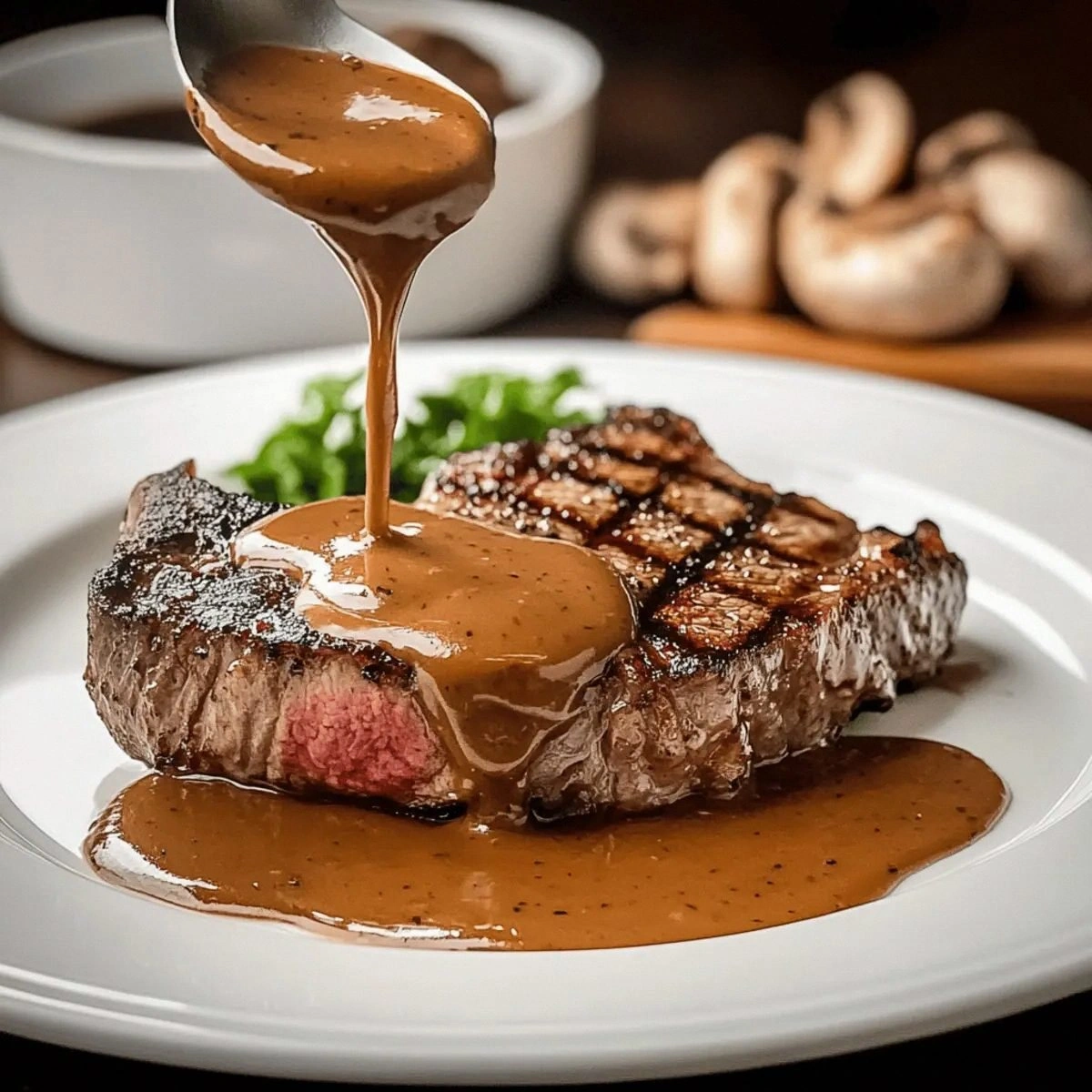
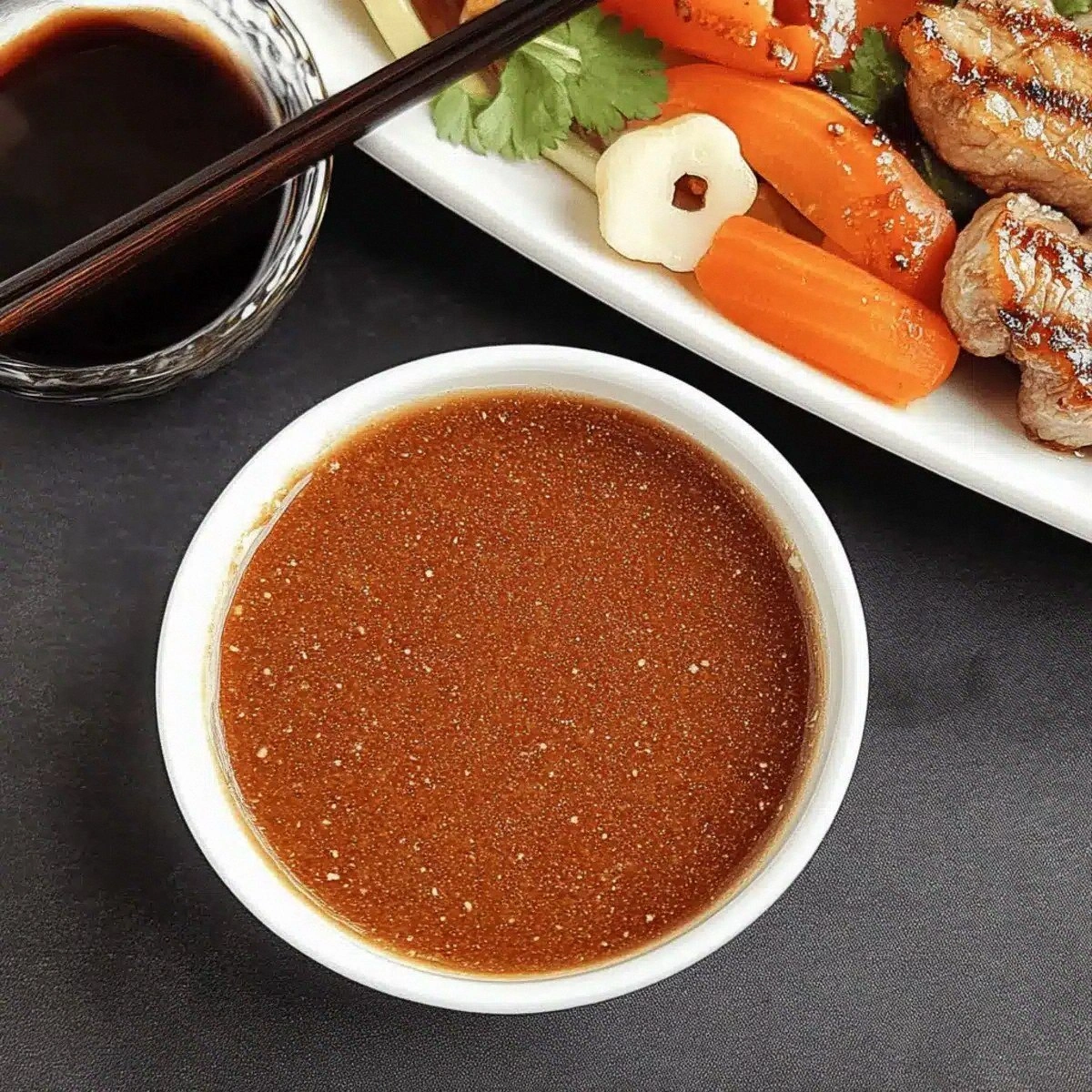
Picture this: a glossy amber river of ginger‑kissed goodness pooling over a sizzling steak, the scent of citrus and fermented soy swirling together like a high‑octane perfume that makes you want to dive headfirst into the pan. You hear the faint sizzle as the sauce meets hot meat, a sound that says, “We’re about to create magic.” Your fingertips feel the warm, slick surface of the pan, and you can’t help but grin because you know you’re about to unleash a flavor bomb that will have everyone asking for the recipe. The taste? Imagine a bright lemon sunrise crashing into the deep, savory sea of soy, with ginger’s zing cutting through like a razor‑sharp katana—pure, unapologetic, unforgettable.
Most recipes for Japanese steakhouse ginger sauce get this completely wrong—they either drown the ginger in soy, or they forget the acidic spark that makes the sauce dance on your palate. I’ve tried the “store‑bought” versions, the “quick fix” versions, even the “grandma’s secret” versions, and each time they fell flat, like a pancake that never rose. Then I realized the secret isn’t a secret at all; it’s balance, timing, and a pinch of daring. By swapping out the usual sugar overload for a splash of lemon juice and a dash of white vinegar, you get a sauce that sings instead of sighs. And the best part? It all comes together in just five minutes—no simmering for hours, no mysterious ingredients you can’t find at the corner market.
Let me walk you through every single step — by the end, you’ll wonder how you ever made it any other way. Okay, ready for the game‑changer? This next part? Pure magic. I dare you to taste this and not go back for seconds. If you’ve ever struggled with a sauce that either tastes too salty or too bland, you’re not alone — and I’ve got the fix. So roll up those sleeves, keep that spatula handy, and let’s dive into the ultimate ginger sauce that will have your dinner guests begging for the recipe.
What Makes This Version Stand Out
- Flavor Explosion: The combination of fresh ginger, bright lemon juice, and tangy white vinegar creates a layered taste that hits you from every angle, delivering both heat and acidity without ever feeling one‑dimensional.
- Texture Harmony: The diced onion adds a subtle crunch that contrasts beautifully with the silky smoothness of the soy‑based liquid, giving each bite a delightful mouthfeel.
- Simplicity at Its Core: Only five ingredients, all pantry‑friendly, mean you can whip this up even on a frantic weeknight without a trip to the specialty store.
- Authentic Yet Modern: While it respects traditional Japanese flavor profiles, the lemon juice introduces a Western twist that makes it universally appealing.
- Crowd‑Pleaser Factor: I’ve watched adults and kids alike light up after the first spoonful; it’s hands down the best version you’ll ever make at home.
- Ingredient Quality Matters: Using fresh ginger and high‑quality soy sauce elevates the sauce from “good” to “legendary” in seconds.
- Zero‑Mess Method: No heavy simmering, no thickening agents—just a quick whisk and you’re done, keeping your kitchen clean and your sanity intact.
- Make‑Ahead Magic: This sauce actually improves after a short rest, letting the flavors meld, so you can prep it ahead of time and still enjoy that fresh zing.
Inside the Ingredient List
The Flavor Base
The heart of this sauce is the ½ cup diced onion. Onions bring a subtle sweetness that balances the saltiness of soy and the sharpness of ginger. If you skip the onion, you’ll notice a thin, one‑note profile that feels flat on the palate. For a milder bite, you can swap half of the onion for finely chopped scallions, which add a fresh, green note without overwhelming the other flavors. When selecting onions, choose a sweet yellow variety for the best natural sugar content; avoid overly pungent white onions unless you love a bite that’s a bit more aggressive.
The Zesty Trio
Next up is the 1 piece fresh ginger. Fresh ginger is the star—its peppery, citrusy heat is what makes the sauce “zesty.” A common mistake is using powdered ginger; it lacks the bright, juicy bite of the fresh root and can make the sauce taste stale. Peel the ginger with the edge of a spoon to preserve more flesh, then grate or finely mince it. If you can’t find fresh ginger, a high‑quality ginger paste works, but reduce the quantity by about 20% because it’s more concentrated.
¼ cup soy sauce provides the umami backbone. Opt for a naturally brewed soy sauce with a deep amber color; it adds depth that a low‑sodium “light” soy simply can’t match. If you’re watching sodium, you can halve the soy and add a splash of low‑sodium broth, but expect a slightly less intense flavor. The soy also helps the sauce cling to meat like a velvety coat, ensuring every bite is drenched in savory goodness.
2 tablespoons lemon juice is the bright spark. The acidity lifts the heavy umami and cuts through the richness of grilled steak. Freshly squeezed lemon juice is non‑negotiable; bottled juice often carries a dull, processed taste that dulls the sauce’s edge. If lemons are out of season, a splash of yuzu juice can add an exotic citrus note that’s equally exciting.
2 tablespoons white vinegar adds a subtle tang that rounds out the flavor profile. It’s not there to make the sauce sour; it’s there to sharpen the other acids and give the sauce a clean finish. Apple cider vinegar can be used for a fruitier twist, but keep the quantity the same to avoid overpowering the ginger.
Everything’s prepped? Good. Let’s get into the real action…
The Method — Step by Step
Gather all your ingredients and have a sturdy whisk or fork ready. I like to line my prep station with a clean kitchen towel so any stray droplets don’t turn the countertop into a slip‑n‑slide. This is the moment of truth: you’ll be whisking raw ginger straight into an acidic environment, so act fast. The aroma of fresh ginger should already be teasing your nose, a promise of the zing to come.
Kitchen Hack: Use a microplane for ginger; it creates ultra‑fine shreds that blend seamlessly, eliminating any gritty texture.Place the ½ cup diced onion into a medium bowl. Sprinkle a pinch of sea salt over the onions and give them a quick toss; the salt draws out moisture, softening the bite without cooking them. Let them sit for about 30 seconds while you prep the ginger. You’ll notice a faint, sweet scent rising—this is your first layer of flavor building.
Add the 1 piece fresh ginger (already grated) directly to the bowl. Immediately pour in the 2 tablespoons lemon juice. The lemon’s acidity stops the ginger from oxidizing, preserving its bright flavor and preventing that dreaded bitter aftertaste. Stir vigorously; you should hear a gentle “whoosh” as the ingredients emulsify.
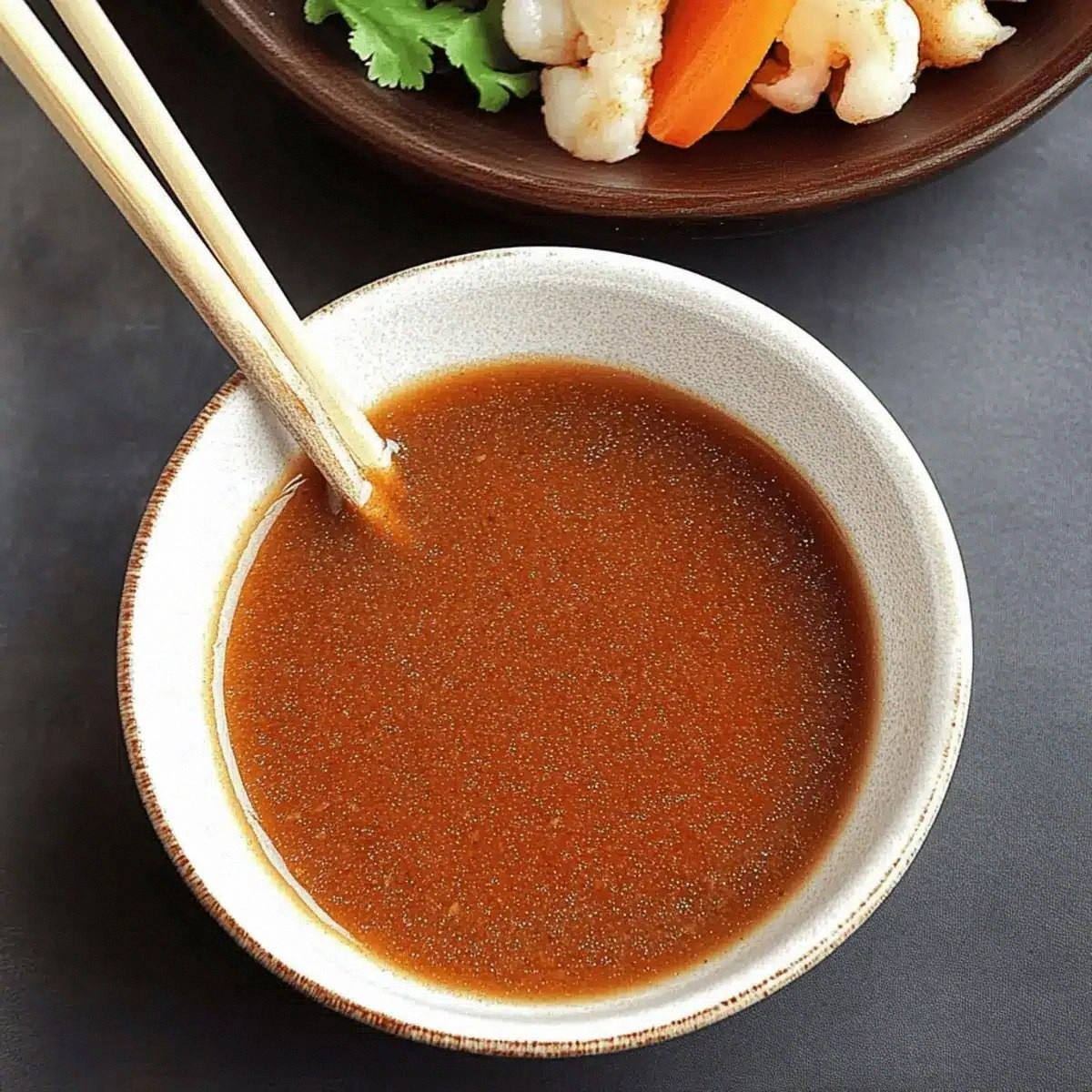
Now drizzle in the ¼ cup soy sauce. As the dark liquid meets the bright lemon‑ginger mixture, you’ll see a swirl of amber and gold—a visual cue that the flavors are marrying. Keep whisking until the sauce looks uniform and glossy. If you notice any clumps of ginger, give it a few extra strokes; the goal is a smooth, velvety consistency that will coat a steak like silk.
Finally, stir in the 2 tablespoons white vinegar. This is the secret weapon that lifts the whole sauce, giving it a clean finish. At this point, the sauce should smell like a Japanese garden after a spring rain—fresh, slightly sweet, with a hint of citrus.
Taste test time. Take a tiny spoonful and let it sit on your tongue. You should feel a bright tang, a gentle heat from the ginger, and a deep umami backbone. If the sauce feels too salty, add a splash more lemon juice; if it’s too sharp, a tiny drizzle of honey can balance it without sacrificing the zing.
If you’re using the sauce immediately, pour it over your hot‑grilled steak or drizzle it onto a sizzling teppanyaki pan. The heat will cause the sauce to slightly thicken, clinging to the meat like a glossy glaze. That sizzle when it hits the pan? Absolute perfection.
Watch Out: Do not over‑whisk once the soy sauce is added; too much agitation can cause the sauce to become overly frothy and lose its silky texture.Let the sauce rest for two minutes. This brief pause allows the flavors to meld, turning a good sauce into a great one. During this time, the onion’s natural juices will infuse, adding a subtle sweetness that rounds out the acidity.
Serve immediately or store in an airtight jar in the refrigerator. The sauce stays vibrant for up to three days, and each day it becomes a touch more harmonious. When reheating, gently warm it over low heat—never microwave, or you’ll lose the delicate balance.
That’s it — you did it. But hold on, I’ve got a few more tricks that’ll take this to another level…
Insider Tricks for Flawless Results
The Temperature Rule Nobody Follows
Never whisk a cold ginger into a hot soy sauce; the temperature shock can cause the ginger’s oils to separate, leaving a grainy texture. Keep all ingredients at room temperature for a smoother emulsion. I once tried a shortcut by grabbing the ginger straight from the fridge, and the sauce turned into a clumpy mess—lesson learned.
Why Your Nose Knows Best
Your sense of smell is a more reliable indicator of balance than a taste test. When the aroma hits you with a bright citrus note and a subtle earthiness, you’re golden. If you smell too much vinegar, add a pinch more soy; if the ginger aroma dominates, a splash more lemon will bring it back into harmony.
The 5‑Minute Rest That Changes Everything
Allowing the sauce to sit for just a couple of minutes lets the onion release its natural sugars, softening the overall bite. This rest also gives the acids time to mellow, preventing a harsh edge that can overwhelm the ginger. Trust me, the difference between a sauce that “pops” and one that “pops and stays” is that brief pause.
The “No‑Oil” Secret
Unlike many steakhouse sauces, this one doesn’t need oil to achieve a glossy finish. The natural emulsification from soy sauce and vinegar does the trick. Adding oil will only dilute the bright flavors and make the sauce feel heavy.
The Salt‑Balance Test
When you add soy sauce, pause and taste. If the sauce feels overly salty, a dash of water (about a teaspoon) can rescue it without compromising flavor. A friend once added too much soy and the sauce turned into a salty brine; a quick splash of water saved the day.
The Final Flick of Heat
If you’re serving the sauce warm, give it a quick 10‑second toss over low heat just before plating. This tiny heat burst revives the aromas, making the sauce smell like it’s fresh out of the bowl.
Creative Twists and Variations
This recipe is a playground. Here are some of my favorite ways to switch things up:
Spicy Samurai
Add a teaspoon of Japanese chili paste (rayu) for a gentle heat that complements the ginger. The heat builds gradually, perfect for those who love a little kick without overpowering the citrus.
Sesame Whisper
Stir in a tablespoon of toasted sesame oil after the sauce is whisked. The nutty aroma adds depth and makes the sauce pair beautifully with grilled salmon as well as steak.
Citrus Fusion
Swap half of the lemon juice for yuzu juice or a splash of orange zest. The result is a bright, exotic twist that feels like a summer breeze over a Japanese garden.
Umami Boost
Add a teaspoon of miso paste (white or red) for an extra layer of savory depth. The miso dissolves into the sauce, giving it a richer mouthfeel without extra salt.
Herbaceous Lift
Finely chop a handful of fresh cilantro or shiso leaves and fold them in at the end. The herb adds a fresh, slightly peppery note that brightens the entire profile.
Storing and Bringing It Back to Life
Fridge Storage
Transfer the sauce to a clean glass jar with a tight‑fitting lid. It will keep for up to three days in the refrigerator. Before each use, give it a quick shake or stir; the ingredients may settle, but a brief whisk will restore the original texture.
Freezer Friendly
Portion the sauce into silicone ice‑cube trays and freeze. Once solid, pop the cubes into a freezer bag. This method lets you grab a single serving whenever you need a quick flavor boost. Thaw in the fridge overnight, then stir in a tiny splash of water to revive the glossy texture.
Best Reheating Method
Reheat gently over low heat in a saucepan, adding a teaspoon of water for every two tablespoons of sauce. This steams the sauce back to its original silkiness. Avoid microwaving, as it can cause uneven heating and a loss of the delicate balance.