I was staring at a half‑cooked spaghetti squash that looked like a wilted pumpkin on a rainy Tuesday, cursing the fact that my keto cravings were screaming for something richer. My roommate walked in, sniffed the blandness, and dared me, “If you can turn that sad squash into a restaurant‑level dish, I’ll buy you a steak.” I laughed, grabbed the nearest steak, and set a plan in motion that would change my low‑carb life forever. That night, the kitchen turned into a battlefield of sizzling butter, pungent gorgonzola, and the sweet, nutty aroma of roasted squash—an aroma so intoxicating it made the rain outside feel like a distant memory.
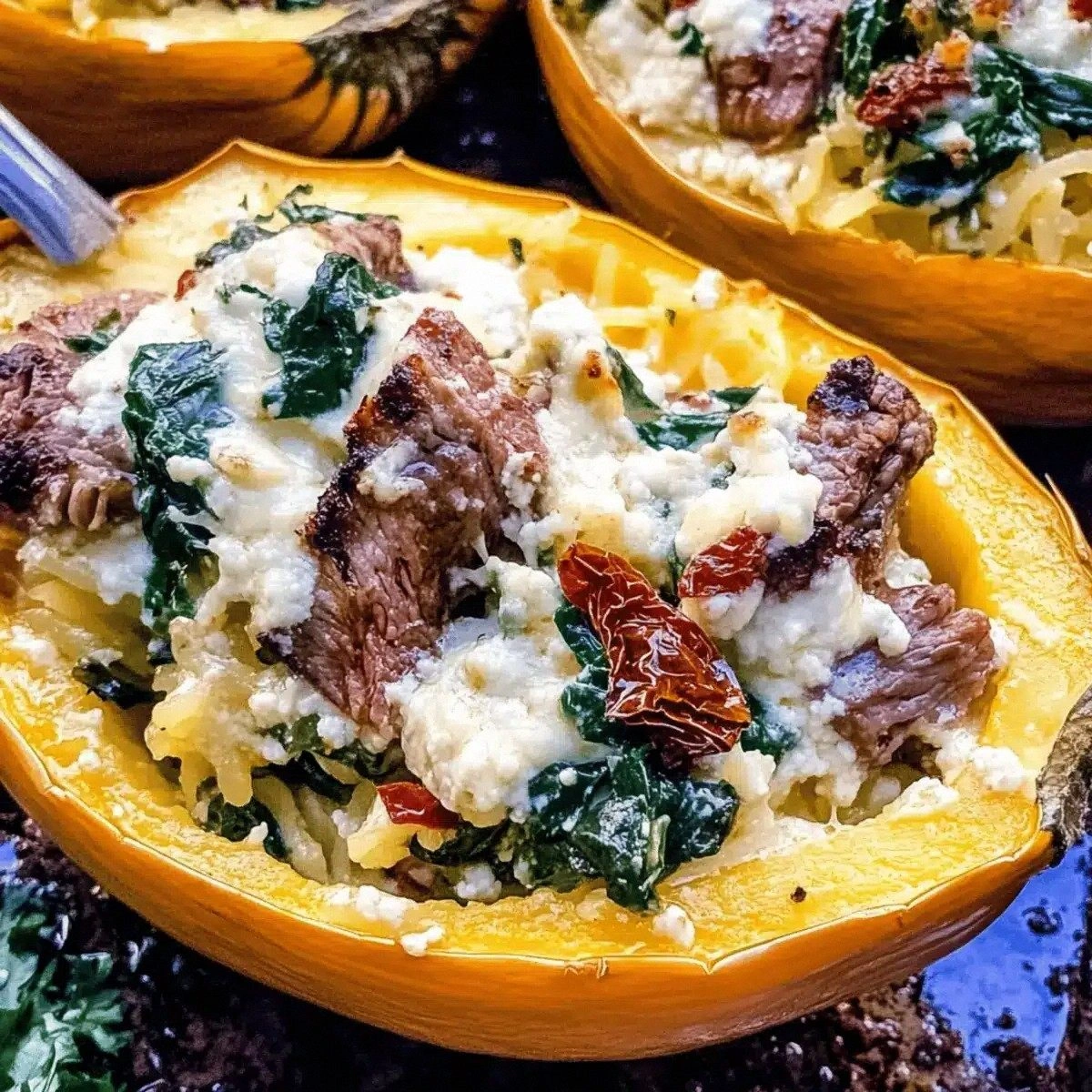
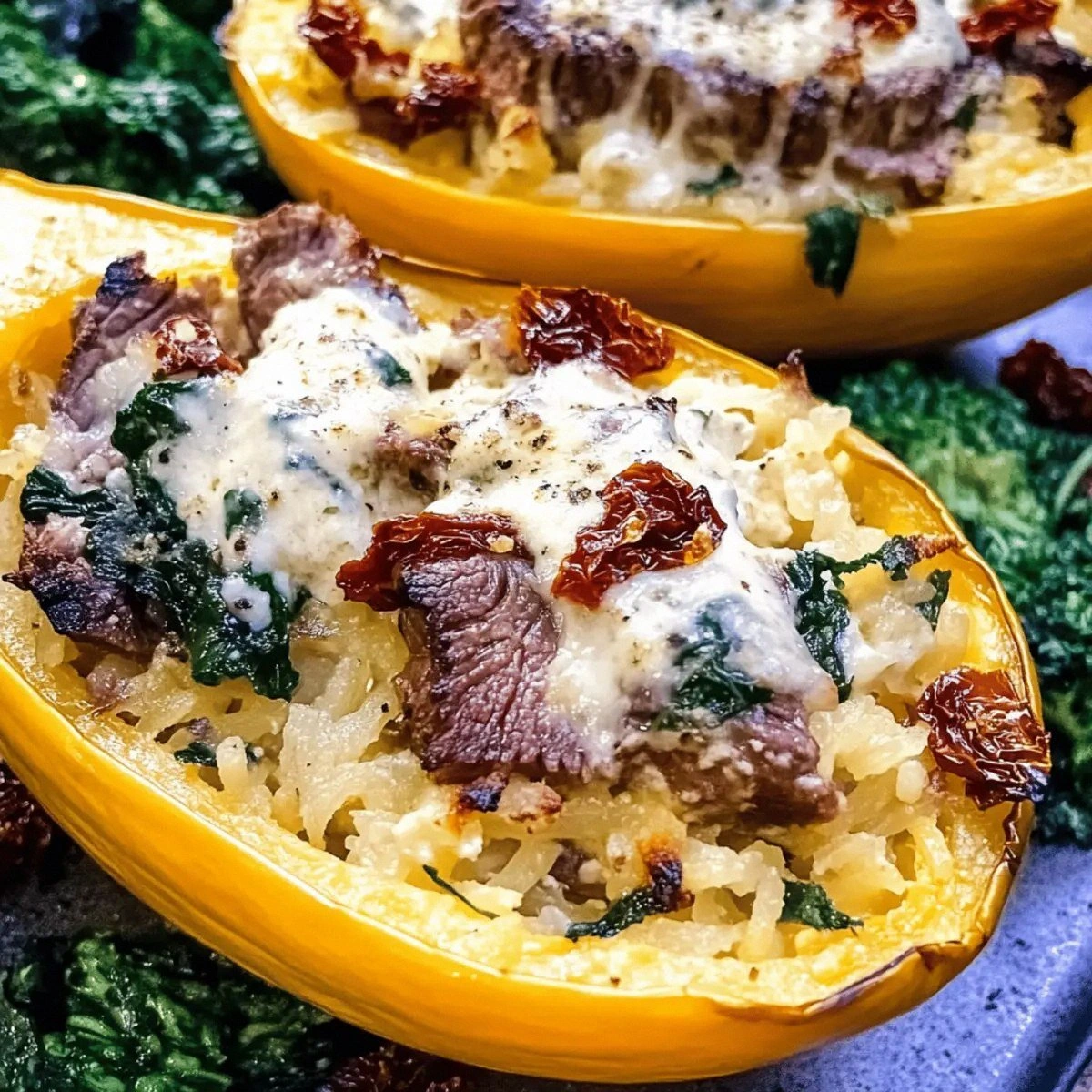
Picture this: the oven door swings open and a golden‑brown squash spills out, its strands fluffed like clouds, each strand glistening with a whisper of olive oil. The steak, seared to a caramelized crust, releases a sizzle that could wake the dead, while the gorgonzola alfredo sauce swirls around it like a silk scarf, thick enough to coat a spoon but smooth enough to slide off a fork without a fight. The whole scene is a symphony of textures—crunch, melt, and that luxurious creaminess that makes you wonder if you’ve accidentally stumbled into a five‑star Italian trattoria.
Most low‑carb pasta dishes either sacrifice flavor for the sake of carbs or end up with a watery, limp mess that feels more like a diet punishment than a celebration. I’ve tried the “quick hack” versions that use cauliflower rice or shirataki noodles, and let’s just say they left me longing for that authentic al dente bite. This version, however, flips the script by using spaghetti squash, which provides that perfect noodle‑like texture without any starchy guilt, and pairs it with a steak that brings a hearty, meaty depth you won’t find in any plant‑only version.
The secret weapon? A daring splash of heavy cream combined with crumbled gorgonzola that creates an alfredo sauce so rich it could make a dairy farmer weep with joy. And if you think sundried tomatoes are just a garnish, think again—those ruby gems add a sweet‑tart contrast that cuts through the richness like a well‑placed joke at a dinner party. I’m about to spill the beans (or the cream, in this case) on every step, from roasting the squash to achieving the perfect sear on the steak.
Let me walk you through every single step — by the end, you’ll wonder how you ever made it any other way. Okay, ready for the game‑changer?
What Makes This Version Stand Out
- Flavor Explosion: The marriage of gorgonzola and heavy cream creates a sauce that coats the squash like velvet, while the steak adds a smoky, umami punch that keeps every bite exciting.
- Texture Harmony: You get the tender fluff of squash strands, the crisp edge of roasted squash, and the buttery melt of mozzarella—each bite is a textural adventure.
- Simplicity Meets Sophistication: Only ten core ingredients, yet the dish feels like a restaurant masterpiece because each component shines without overwhelming the palate.
- Unique Ingredient Twist: Sundried tomatoes aren’t just a garnish; they bring a sweet‑tart contrast that balances the richness of the cheese and cream.
- Crowd‑Pleaser Factor: I dare you to taste this and not go back for seconds; even the most skeptical keto‑followers have begged for the recipe.
- Make‑Ahead Magic: The sauce actually improves after a short rest, making it perfect for meal‑prep warriors who love a dish that gets better with time.
- Ingredient Quality: Using a well‑marbled steak and high‑quality gorgonzola ensures every bite is luxurious, not just “low‑carb”.
- Cooking Method Mastery: Roasting, searing, and finishing in the same pan reduces cleanup while layering flavors like a seasoned chef.
Inside the Ingredient List
The Flavor Base
The heavy cream and gorgonzola crumbles form the backbone of our alfredo. Heavy cream adds body and a buttery mouthfeel, while gorgonzola introduces a bold, tangy depth that makes the sauce unforgettable. If you skip the gorgonzola, you’ll end up with a bland, one‑note cream sauce that lacks the characteristic bite. For a milder alternative, try a blend of cream cheese and parmesan, but you’ll lose that signature pungency.
The Texture Crew
Spaghetti squash is the star of the low‑carb show. Its flesh, when roasted, separates into noodle‑like strands that hold sauce beautifully. Choose a squash that feels heavy for its size; that usually means it’s mature and will yield sturdier strands. If you can’t find a good squash, a large butternut can be spiralized as a fallback, though the flavor profile shifts slightly toward sweet.
The Unexpected Star
Sundried tomatoes might seem like a side note, but they bring a concentrated sweetness that cuts through the richness of the cheese. They also add a pop of color that makes the dish visually appealing. If you’re allergic to tomatoes, finely diced roasted red peppers can provide a similar sweet‑tart note without the acidity.
The Final Flourish
Mozzarella and parmesan cheese finish the dish with a stretchy, melty pull and a sharp, salty snap. Mozzarella melts into a silky blanket, while parmesan adds a granular, nutty finish that elevates the overall flavor. For a lower‑fat option, substitute part of the mozzarella with low‑fat ricotta, but expect a slightly different texture.
Everything's prepped? Good. Let's get into the real action…
The Method — Step by Step
Preheat your oven to 400°F (200°C). Cut the spaghetti squash in half lengthwise, scoop out the seeds, and brush the cut surfaces with 1 tablespoon of vegetable oil. Sprinkle a generous pinch of salt and black pepper. Place the halves cut‑side down on a parchment‑lined baking sheet and roast for 35‑40 minutes, or until the flesh is fork‑tender and the edges have caramelized. Pro tip: The longer you roast, the sweeter the flesh becomes, creating a natural caramel flavor that pairs beautifully with the cheese.
While the squash roasts, season the steak generously with salt, pepper, and a light drizzle of oil. Heat a cast‑iron skillet over high heat until it’s screaming hot—this is the moment of truth. Place the steak in the pan; you should hear an immediate, satisfying sizzle that signals a perfect sear. Cook for about 3‑4 minutes per side for medium‑rare, adjusting time if you prefer a different doneness. Once done, transfer the steak to a plate, cover loosely with foil, and let it rest for at least 5 minutes.
In the same skillet (don’t waste that flavor), melt 4 tablespoons of unsalted butter over medium heat. Add the frozen spinach directly; it will release moisture, so stir continuously until the liquid evaporates and the spinach darkens slightly. This step concentrates the spinach flavor and prevents a watery sauce later on.
Reduce the heat to low and pour in 1 cup of heavy cream, stirring constantly. As the cream begins to thicken, crumble in the 4 ounces of gorgonzola. Keep stirring until the cheese melts completely, creating a glossy, thick sauce that clings to the back of a spoon. Add the 1/4 teaspoon of ground nutmeg; it adds a subtle warmth that balances the cheese’s tang.
Stir in the 1/2 cup of sundried tomatoes, letting them rehydrate slightly in the sauce. Then, fold in the 1/2 cup of freshly grated parmesan and the 1 cup of mozzarella. The cheeses will melt into a velvety blanket, and the sauce should look creamy, not grainy. Taste and adjust salt and pepper as needed—remember, the steak will add its own seasoning later.
Slice the rested steak into thin strips against the grain. This ensures maximum tenderness. Add the steak strips to the skillet, allowing them to bathe in the sauce for a minute so they absorb the flavors. Then, gently fold in the roasted spaghetti squash strands, tossing everything together until each strand is luxuriously coated.
Transfer the entire mixture to a serving dish. For an extra touch, sprinkle a handful of fresh herbs—like parsley or chives—on top. Serve immediately while the sauce is still steaming hot. Picture yourself pulling this out of the oven, the whole kitchen smelling incredible, and everyone at the table reaching for seconds without hesitation.
That's it — you did it. But hold on, I've got a few more tricks that'll take this to another level…
Insider Tricks for Flawless Results
The Temperature Rule Nobody Follows
Never let your skillet get too hot before adding butter; a medium‑high heat is perfect for melting butter without burning it. If the butter browns too quickly, the sauce can develop a bitter edge that overpowers the delicate gorgonzola. I once tried to speed things up by cranking the heat, only to end up with a burnt, acrid flavor that ruined the entire dish. Keep the heat steady, and you’ll get a sauce that’s smooth as silk.
Why Your Nose Knows Best
When the sauce is ready, it will give off a fragrant, nutty aroma—think toasted almonds mixed with a hint of mushroom. If you can’t smell that, the sauce is likely under‑reduced. Trust your nose more than the timer; a few extra minutes of simmering can make the difference between a watery sauce and a luxurious coating.
The 5‑Minute Rest That Changes Everything
Allowing the steak to rest after searing is non‑negotiable. During those five minutes, the juices redistribute, preventing a dry steak and ensuring every bite is juicy. I once skipped this step in a rush, and the steak turned into a dry, flavorless slab that made the whole dish fall flat. Patience here pays off in texture and taste.
The Secret of the Sundried Tomato Re‑Hydration
Before adding sundried tomatoes to the sauce, give them a quick soak in warm water for 5 minutes. This re‑hydrates them just enough to release their natural oils, making the sauce more cohesive. Skipping this step leaves the tomatoes chewy and can create pockets of overly intense acidity.
Finish with a Splash of Acid
A squeeze of fresh lemon juice right before serving brightens the entire dish, cutting through the richness and adding a pop of freshness. It’s a tiny addition that makes the flavors sing. If you’re not a lemon fan, a splash of white wine vinegar works just as well.
Creative Twists and Variations
This recipe is a playground. Here are some of my favorite ways to switch things up:
Spicy Jalapeño Kick
Add 1 finely diced jalapeño to the skillet when you melt the butter. The heat will cut through the richness, giving the dish a lively, tongue‑tingling finish that’s perfect for spice lovers.
Mushroom Medley
Swap the steak for a mix of cremini, shiitake, and portobello mushrooms. Sauté them until golden, then follow the same steps. This makes the dish vegetarian while keeping the umami depth.
Pesto Infusion
Stir in 2 tablespoons of basil pesto into the sauce just before adding the cheese. The herbaceous note adds a fresh, green brightness that pairs wonderfully with the gorgonzola.
Smoky Bacon Crunch
Crisp up 4 strips of bacon, crumble them, and sprinkle over the finished dish. The smoky crunch adds texture and a salty punch that amplifies the steak’s flavor.
Herbed Goat Cheese
Replace half of the mozzarella with soft goat cheese mixed with fresh thyme. The tangy goat cheese adds a new layer of complexity while keeping the dish creamy.
Storing and Bringing It Back to Life
Fridge Storage
Allow the dish to cool to room temperature, then transfer to an airtight container. It will keep fresh for up to 3 days. When reheating, add a splash of water or extra cream to revive the sauce’s silkiness.
Freezer Friendly
Portion the cooked dish into freezer‑safe bags, removing as much air as possible. It freezes well for up to 2 months. Thaw overnight in the fridge, then reheat gently on the stovetop, stirring in a tablespoon of butter for extra richness.
Best Reheating Method
The stovetop method wins every time: place the portion in a skillet over low heat, add a tablespoon of water or cream, and stir constantly until heated through. This prevents the sauce from separating and keeps the squash strands from turning mushy.