Picture this: it's 8:30 on a Tuesday, I'm standing in my kitchen wearing mismatched socks, staring into the abyss of my refrigerator like it owes me money. The takeout menus are calling my name, but then I spot it—a lonely pack of chicken thighs, half an onion, and that box of orzo I bought on impulse because the packaging looked fancy. Most people would see a sad dinner situation. I saw potential. What happened next changed my weeknight dinner game forever, and if you stick with me, it'll change yours too.
Now, I've made my fair share of chicken casseroles that taste like sadness and cream of mushroom soup. You know the type—gluey, bland, with mystery vegetables that nobody asked for. But this? This is different. This is the casserole that made my neighbor knock on my door asking what smelled so good. The one my teenager actually requests instead of pizza. The dish that had my mother-in-law asking for the recipe (and we both know that's the highest compliment in the family cookbook).
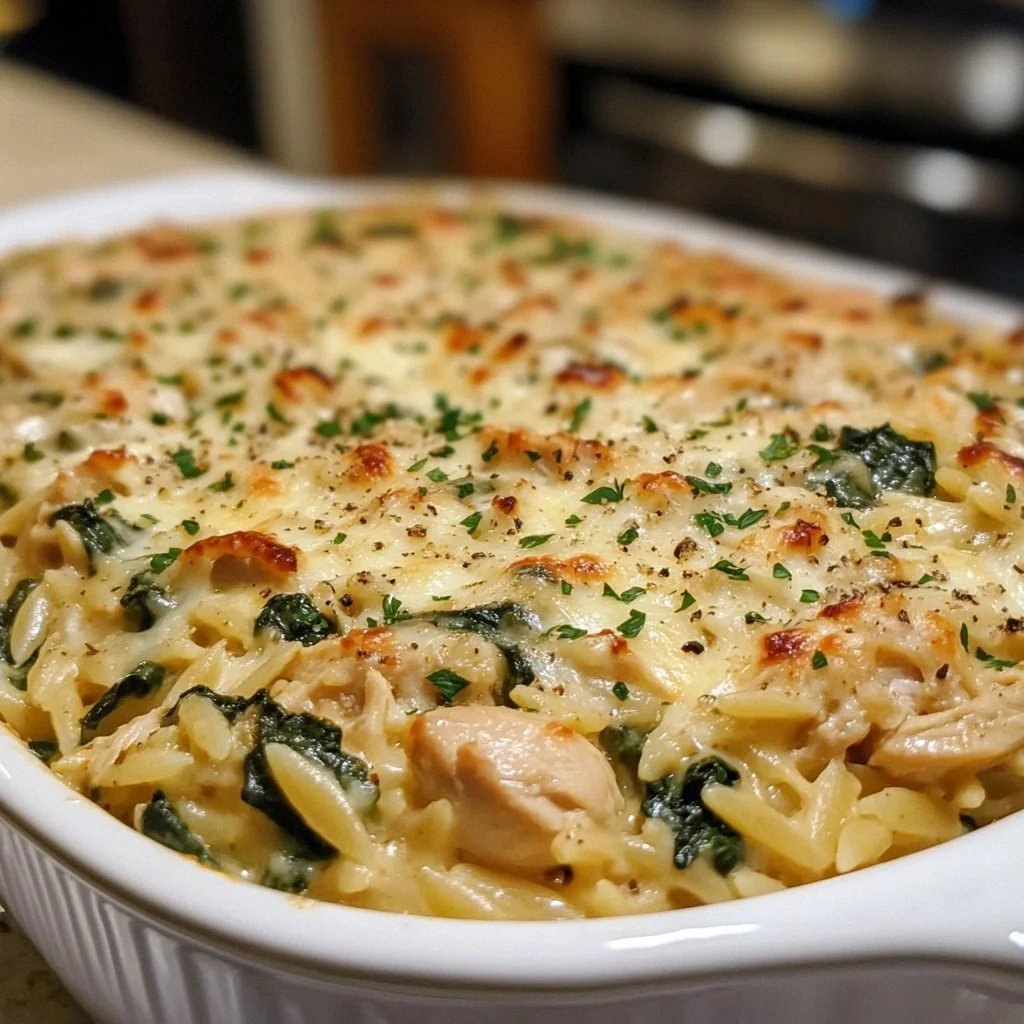
Here's what makes this version absolutely bonkers: we're building layers of flavor like a proper Italian nonna, but we're doing it in one pot and under an hour. The orzo cooks right in the same vessel, drinking up all that gorgeous chicken-y liquid until it becomes this creamy, almost risotto-like situation. The top gets these crispy, golden edges that shatter like thin ice under your fork, while the inside stays luxuriously creamy. And the best part? We're using a technique that makes the chicken so tender, it practically falls apart when you look at it sideways.
I'm not exaggerating when I say I've tested this recipe seventeen times. I've burned it, under-seasoned it, over-cooked it to mush, and served it to unsuspecting dinner guests who politely lied through their teeth. But version eighteen? Version eighteen is the one that made my husband do a little happy dance at the dinner table. Let me walk you through every single step—by the end, you'll wonder how you ever made it any other way.
What Makes This Version Stand Out
Before we dive into the nitty-gritty, let me hit you with the highlights that make this casserole the Beyoncé of weeknight dinners:
- One-Pot Wonder: Everything cooks in a single Dutch oven, which means fewer dishes and more time for Netflix. The orzo absorbs all those incredible chicken juices, creating a built-in sauce that's richer than anything that comes from a can.
- The Chicken Trick: We're using thighs instead of breast meat because they stay juicy even if you accidentally leave them in two minutes too long. Plus, they're cheaper and more flavorful—my two favorite adjectives when it comes to dinner.
- Texture Heaven: The bottom stays creamy like risotto while the top develops these crispy, caramelized edges. It's like getting two completely different dishes in one pan, and trust me, everyone will fight over those crunchy bits.
- Make-Ahead Magic: You can prep this whole thing in the morning, pop it in the fridge, and just slide it into the oven when you get home. The flavors actually get better as they hang out together.
- Pantry-Friendly: No weird ingredients you have to Google. Everything comes from your regular grocery store, and you probably have half of it already. The orzo is the only thing that might require a special trip.
- Leftover Legend: This tastes even better the next day, which means lunch is sorted. My colleague once bribed me with coffee for a portion of these leftovers.
Alright, let's break down exactly what goes into this masterpiece...
Inside the Ingredient List
The Flavor Base
The magic starts with humble aromatics that most people rush through. We're taking our time here because this is where we build the foundation that everything else stands on. That onion needs to cook until it's practically melting, releasing all its natural sugars that'll caramelize and add depth you can't fake with shortcuts. The garlic goes in later because burnt garlic turns bitter faster than my mood when someone eats the last cookie.
Olive oil matters more than you'd think—use the good stuff for this. The cheap bottle you use for greasing pans won't cut it here because we're counting on that fruity, peppery flavor to carry through the whole dish. And please, please don't use pre-minced garlic from a jar. I can taste that metallic sadness from across the room, and so can your dinner guests (even if they're too polite to mention it).
The Texture Crew
Orzo is the star here, and if you've never cooked with it, prepare to fall in love. These tiny rice-shaped pastas have the incredible ability to absorb flavors while maintaining a pleasant bite. Don't substitute regular rice—it'll turn into a gluey mess. Don't use regular pasta either, because the timing will be completely off and you'll end up with half-mushy, half-crunchy bites that'll make you question your life choices.
The chicken thighs need to be bone-in, skin-on for maximum flavor. I know, I know—boneless skinless is easier. But the bones add richness to the cooking liquid, and the skin renders down to create these little pockets of crispy goodness throughout the casserole. If you absolutely must use boneless, increase the chicken stock by half a cup because the bones won't be there to add body to the sauce.
The Unexpected Star
Here's where things get interesting: we're adding a splash of white wine vinegar right at the end. Not balsamic, not red wine vinegar—white wine vinegar. It brightens everything up and cuts through the richness like a squeeze of lemon on fish. This tiny addition is what separates good cooks from great ones, the secret that makes people ask "what's in this?" in the best possible way.
The Parmesan cheese isn't just for topping—it gets stirred into the hot orzo where it melts and creates this silky, luxurious sauce that coats everything like velvet. Use the real stuff, not the powdery kind that comes in a green can. Your grandmother would roll over in her grave, and more importantly, it won't melt properly.
The Final Flourish
Fresh herbs make all the difference here, and we're using them in two ways. The parsley gets stirred in at the end for freshness, but we're also sprinkling some on top just before serving because we eat with our eyes first. The thyme goes in early with the onions because it needs time to release its oils and mingle with all the other flavors.
Don't skip the lemon zest, even if you think you don't like lemon. It's not enough to make the dish taste lemony—it just adds this bright, sunshiney note that makes everything else taste more like itself. It's like the Instagram filter of the culinary world, making all the other flavors pop without drawing attention to itself.
Everything's prepped? Good. Let's get into the real action...
The Method — Step by Step
- Start with the chicken skin-side down in a cold Dutch oven. I know this sounds backwards, but starting cold helps render the fat slowly, creating crispy skin without burning. Turn the heat to medium and let it go for about 8 minutes without moving it. Resist the urge to poke, prod, or check underneath—good things come to those who wait. When the skin releases easily from the pan and is golden brown, flip and cook another 4 minutes. Transfer to a plate (it won't be cooked through yet) and pour off all but 2 tablespoons of the fat.
- Build your flavor base with the onions and thyme. Those brown bits stuck to the bottom? That's called fond, and it's pure flavor gold. Add your diced onions to the remaining chicken fat and scrape up all those beautiful brown bits with a wooden spoon. The thyme goes in now because it needs time to bloom and release its oils. Cook until the onions are translucent and starting to caramelize at the edges—about 6-7 minutes. Your kitchen should smell like heaven right about now.
- Add the orzo and toast it like you're making risotto. This step is crucial and most recipes skip it completely. Toasting the orzo in the onion mixture for 2-3 minutes gives it a nutty flavor and helps it maintain its texture during the long simmer. Stir constantly—you want every grain to get a light tan, but not brown. That sizzle when it hits the pan? Absolute perfection.
- Deglaze with chicken stock and bring to a gentle simmer. Pour in your warm stock (cold stock shocks the pasta and makes it seize up) and scrape up every last bit of fond. The liquid should just cover the orzo—add more if needed. Return the chicken thighs to the pot, skin-side up, and add any juices that collected on the plate. This is where the magic starts happening.
- Cover and bake at 375°F for 25 minutes. The covered baking creates a steamy environment that cooks the orzo perfectly while keeping the chicken incredibly moist. Don't peek! Every time you lift the lid, you're releasing steam and extending the cooking time. Set a timer and walk away—this is not the time to be a helicopter cook.
- Uncover and bake another 10 minutes for crispy perfection. This is where we get those coveted crispy edges on top while the bottom stays creamy. The orzo should have absorbed most of the liquid but still look saucy. If it looks dry, add a splash more stock. The chicken should register 165°F at the thickest part, but thighs are forgiving—even if you go a bit over, they'll stay juicy.
- Let it rest for 5 minutes before serving. I know you're hungry and it smells incredible, but patience is a virtue that pays off in spades here. The resting time allows the orzo to absorb any remaining liquid and lets the flavors meld together. Plus, you won't burn your tongue on molten cheese, which is always a win in my book.
- Finish with Parmesan, parsley, and that crucial splash of vinegar. Stir in the cheese while it's still hot so it melts into every nook and cranny. The parsley adds color and freshness, but that vinegar is the real game-changer. Just a tablespoon brightens everything up and makes all the other flavors sing in harmony. Give it a final taste and adjust the seasoning—this is where you make it yours.
That's it—you did it. But hold on, I've got a few more tricks that'll take this to another level...
Insider Tricks for Flawless Results
The Temperature Rule Nobody Follows
Here's the thing about casseroles—most home cooks blast them at high heat hoping for speed, but patience wins every time. 375°F is the sweet spot where the chicken cooks through without drying out, the orzo absorbs liquid at the perfect rate, and the top gets those gorgeous crispy bits without burning. My neighbor tried rushing it at 425°F and ended up with chicken that could double as shoe leather and orzo that was still crunchy in the middle. Don't be like my neighbor.
Why Your Nose Knows Best
After you've made this a few times (and you will), you'll start to recognize the smell of doneness. When the onions are perfectly caramelized, your kitchen will smell like the world's best French onion soup. When the orzo is toasted just right, there's a nutty aroma that'll make your mouth water. And when it's finished baking, you'll get this incredible waft of roasted chicken and herbs that makes people wander into the kitchen asking what's for dinner. Trust your nose—it's smarter than any timer.
The 5-Minute Rest That Changes Everything
I know I mentioned resting already, but this deserves its own moment. Those five minutes aren't just about avoiding burnt tongues (though that's important). During the rest, the starches in the orzo continue to absorb liquid, creating this perfect creamy consistency. The chicken juices redistribute, making every bite succulent. And the cheese has time to melt completely into the sauce, creating this cohesive dish instead of separate components. Skip this step and you'll have good casserole. Wait five minutes and you'll have great casserole.
The Cheese Grater Revelation
Stop buying pre-grated Parmesan. I know it's convenient, but it's also coated with cellulose to prevent clumping, which means it doesn't melt as smoothly into your sauce. Buy a block and grate it yourself—it takes thirty seconds and makes a world of difference. Plus, you get to feel fancy grating cheese like you're in an Italian trattoria. My cheese grater is my most-used kitchen tool after my knife, and once you taste the difference, yours will be too.
The Leftover Transformation
Here's where this recipe really shines—leftovers are actually better than the original. The flavors have time to meld and deepen overnight. But here's the secret: add a splash of chicken stock when reheating. It brings back that creamy texture and prevents the orzo from drying out. Microwave works in a pinch, but reheating in a covered skillet with a little stock brings it back to life like you wouldn't believe.
Creative Twists and Variations
This recipe is a playground. Here are some of my favorite ways to switch things up:
The Mediterranean Vacation
Swap the thyme for oregano and add a handful of kalamata olives and sun-dried tomatoes when you add the stock. Finish with feta instead of Parmesan and add some fresh basil at the end. Suddenly you're eating dinner on a Greek island, even if you're actually in your studio apartment with traffic noise outside. The briny olives and sweet tomatoes create this incredible contrast that'll transport you straight to the Mediterranean.
The Spicy Spanish Cousin
Add a teaspoon of smoked paprika with the onions and throw in some chopped chorizo when you add the orzo. Use Manchego cheese instead of Parmesan and finish with a sprinkle of fresh parsley and a squeeze of lemon. The smoky paprika and spicy chorizo turn this into a completely different dish that pairs perfectly with a cold beer. My spice-loving friend calls this "comfort food with a passport."
The Spring Garden Party
Add asparagus tips and fresh peas during the last 10 minutes of baking. Swap the thyme for fresh dill and use a mix of Parmesan and pecorino. The bright green vegetables make this feel lighter and fresher, perfect for those spring evenings when you want comfort food but also need to pretend you're eating healthy. Plus, the colors are absolutely gorgeous—like spring in a bowl.
The Mushroom Lover's Dream
Add a pound of mixed mushrooms (cremini, shiitake, oyster—whatever looks good) when you're cooking the onions. Let them cook down until they're golden and concentrated. The mushrooms add this incredible meaty texture and earthy flavor that makes this vegetarian-friendly if you skip the chicken. My mushroom-obsessed sister swears this version is better than the original, though I think she's crazy.
The Coastal Catch
Replace the chicken with thick pieces of cod or halibut, added during the last 15 minutes of cooking so it stays flaky and tender. Use white wine instead of some of the stock and finish with fresh dill and lemon zest. The fish poaches gently in the orzo, creating this luxurious texture that feels incredibly sophisticated but is stupidly easy. Perfect for when you want to impress someone but can't actually cook fish properly (guilty).
The Breakfast-for-Dinner Plot Twist
Make the base recipe as written, but when you uncover it for the final 10 minutes, crack 4-6 eggs right into the orzo and let them bake until the whites are set but the yolks are still runny. Top with crispy bacon crumbles and chives. Suddenly it's like a breakfast hash and a casserole had a beautiful baby. This is my go-to for brunch when I want something impressive but don't want to stand over a stove making individual omelets.
Storing and Bringing It Back to Life
Fridge Storage
This keeps beautifully in the refrigerator for up to 4 days, though honestly, it's never lasted that long in my house. Store it in an airtight container—glass works best because it doesn't absorb odors like plastic can. Let it cool completely before refrigerating, because putting hot food in the fridge can raise the temperature and affect your other food. If you're meal prepping, portion it into individual containers so you can grab and go throughout the week.
Freezer Friendly
Here's the beautiful thing: this casserole freezes like a dream. Portion it into freezer-safe containers or bags, squeeze out as much air as possible, and it'll keep for up to 3 months. The texture holds up remarkably well because the orzo is already cooked in sauce. Thaw overnight in the refrigerator (never on the counter—that's how bacteria throw parties), then reheat gently with a splash of stock to bring back that creamy consistency.
Best Reheating Method
The microwave works for single portions—cover with a damp paper towel and heat for 2-3 minutes, stirring halfway through. But for the full casserole experience, reheat in a covered baking dish at 350°F for about 20 minutes until hot throughout. Add a little chicken stock before reheating to bring back that creamy texture. If you're reheating from frozen, add 10-15 minutes to the cooking time and check that it's hot in the center.