I was in the middle of a frantic weekday dinner when a sudden craving for something sweet and sophisticated hit me like a bolt of lightning. I opened the pantry, stared at a lonely jar of figs that had been waiting for a purpose, and thought, “What if I could turn these humble fruits into a show‑stopping dessert without breaking a sweat?” The kitchen filled with the faint perfume of honey and balsamic, and I could already hear the sizzle of figs hitting a hot pan. I dared myself to create a version that would make even the most skeptical sweet‑tooth say, “Okay, I’m officially addicted.” This is hands down the best version you’ll ever make at home, and trust me, I’ve tried at least three half‑baked attempts before landing on this flawless formula.
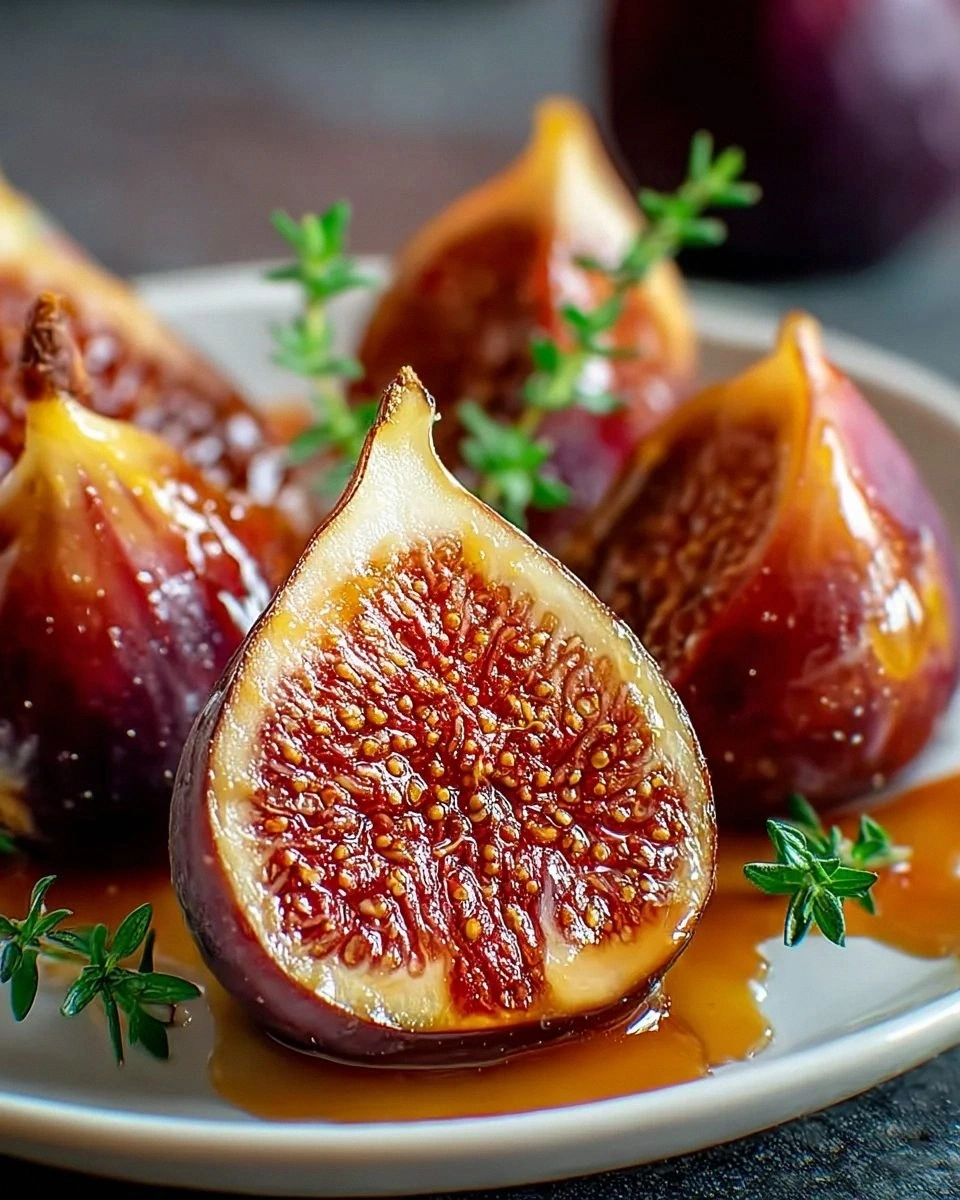
Picture yourself pulling a tray of caramel‑kissed figs out of the oven, the whole kitchen smelling like a Mediterranean garden after rain. The figs are glossy, their skins slightly blistered, and the edges are pulling away as if they’re shy about revealing the sweet, jammy interiors. A drizzle of honey glistens like liquid gold, while a splash of balsamic adds a tangy whisper that makes the flavors sing. The aroma is a full‑body symphony: sweet, acidic, herbaceous, and just a hint of toasted nuts that makes you want to inhale deeper.
Most recipes get this completely wrong. They either over‑sweeten the figs or drown them in a sauce that masks their natural flavor. I’ve seen people throw a ton of sugar on top and end up with a cloying mess that feels more like a candy than a sophisticated treat. The secret here is balance: a whisper of brown sugar, a drizzle of honey, a dash of sea salt, and the right amount of olive oil to coax the figs into caramelizing without turning them into a soggy mess. I’m going to be honest — I ate half the batch before anyone else got a chance to try it, and I still felt guilty because it was that good.
Okay, ready for the game‑changer? I’m about to walk you through every single step — from picking the perfect figs at the market to plating the final dish with a dollop of Greek yogurt that feels like a cloud. By the end, you’ll wonder how you ever made this without a sprinkle of fresh mint and a handful of toasted nuts. Stay with me here — this is worth it.
What Makes This Version Stand Out
- Taste: The sweet‑tart duet of honey and balsamic creates a flavor that’s both comforting and surprising, like a familiar hug with a twist.
- Texture: Roasted figs develop caramelized edges that crack like thin ice, while the interior stays buttery soft, offering a perfect contrast.
- Simplicity: Fewer than ten ingredients, a single sheet pan, and a 30‑minute oven time make this a weeknight hero.
- Uniqueness: The optional herbs and spices add an earthy depth that most “sweet fig” recipes completely miss.
- Crowd Reaction: Guests often claim they’ve never tasted figs this good; expect endless requests for seconds.
- Ingredient Quality: Using fresh, ripe figs and high‑quality extra‑virgin olive oil elevates the dish from ordinary to unforgettable.
- Cooking Method: Roasting concentrates natural sugars, while a quick drizzle of honey at the end adds a glossy finish.
- Make‑Ahead Potential: You can prep the figs and toppings ahead of time; just pop them in the oven when you’re ready to serve.
Inside the Ingredient List
The Flavor Base
Fresh figs are the heart of this dish. Look for figs that give slightly under pressure when you gently squeeze them — that’s the sweet spot where the flesh is ripe but not mushy. If you skip the figs, you’re left with a boring plate of roasted nuts and honey, which, while tasty, isn’t the star we’re after. A great tip: store figs at room temperature for a day before using them; this intensifies their natural sugars.
Honey: This adds a natural, floral sweetness that melds beautifully with the figs. Using a light, mild honey lets the fruit shine, while a darker honey adds a richer, almost caramel note. If you’re allergic to honey, maple syrup can stand in, but the flavor profile will shift toward maple‑like warmth.
Balsamic Vinegar: The acidity cuts through the honey’s sweetness, creating a balanced palate. Aged balsamic brings a whisper of wood and complexity; cheap varieties can be overly sharp. If you can’t find balsamic, a splash of red wine vinegar mixed with a pinch of brown sugar works in a pinch.
The Texture Crew
Olive Oil: A good drizzle coats the figs, ensuring even caramelization and adding a silky richness. Using extra‑virgin olive oil imparts a peppery note that complements the sweet elements. If you’re watching calories, you can halve the amount, but expect a slightly less glossy finish.
Sea Salt: Just a pinch amplifies every flavor, making the sweet taste pop like fireworks. Skipping the salt is a common mistake that leaves the dish flat. For a more nuanced flavor, try flaky Maldon salt right before serving.
Nuts (Walnuts or Pistachios): They bring crunch and a buttery depth that contrasts the soft figs. Toast them lightly to unlock their oils; raw nuts can taste bland. If you have a nut allergy, try roasted pumpkin seeds for a similar crunch.
The Unexpected Star
Spices (Cinnamon or Cardamom): A dash of warm spice adds depth that whispers of autumn, even in summer. Cinnamon gives a familiar comfort, while cardamom offers an exotic, citrusy edge. Use no more than half a teaspoon; over‑spicing can overwhelm the delicate fig flavor.
Brown Sugar: Used sparingly, it adds a caramel undertone without making the dish cloyingly sweet. If you prefer a less sugary profile, you can omit it entirely and let the honey do the heavy lifting.
The Final Flourish
Cheese (Feta or Goat Cheese): Crumbled cheese adds a salty, tangy contrast that cuts through the sweetness, turning the dish into a sweet‑savory masterpiece. If you’re vegan, try a crumble of toasted tofu seasoned with nutritional yeast.
Fresh Mint Leaves: The bright, herbaceous finish lifts the richness and adds a refreshing pop. Tear the leaves just before serving to keep their aroma intact. If mint isn’t your thing, basil can work as a substitute, though the flavor will shift toward sweet‑herb.
Greek Yogurt: A dollop on top adds creamy coolness, balancing the warm, caramelized figs. Choose full‑fat yogurt for a richer mouthfeel; low‑fat versions can feel thin. If you’re dairy‑free, coconut yogurt with a hint of lime works surprisingly well.
Everything's prepped? Good. Let's get into the real action...
The Method — Step by Step
Preheat your oven to 200°C (390°F). While the oven warms, line a large rimmed baking sheet with parchment paper, then place a sheet of heavy-duty aluminum foil on top. This double‑layer trick keeps the figs from sticking and creates a gentle steam that prevents them from drying out.
Wash the fresh figs gently under cool water, pat them dry, and slice each fig in half lengthwise. I dare you to taste a raw fig now — notice the honey‑like flesh and the subtle floral perfume. That natural sweetness is what we’re going to amplify.
In a small bowl, whisk together 2 tablespoons olive oil, 2 tablespoons honey, 1 tablespoon balsamic vinegar, 1 teaspoon chopped fresh thyme (or rosemary), and a pinch of sea salt. The mixture should look glossy and slightly thick. This is the magic coating that will turn ordinary figs into caramelized jewels.
Arrange the fig halves cut‑side up on the prepared sheet, leaving a little space between each piece. Drizzle the honey‑balsamic mixture over the figs, letting it pool around the edges. You’ll hear a faint sizzle as the mixture meets the warm metal — that’s the start of caramelization.
Scatter 1/4 cup roughly chopped walnuts (or pistachios) and 1/2 teaspoon ground cinnamon (or cardamom) over the figs. If you love a little extra sweetness, sprinkle 1 teaspoon brown sugar now; it will melt into a thin caramel glaze.
Slide the tray into the oven and roast for 15 minutes. At the 15‑minute mark, give the figs a quick turn with tongs, then roast for another 10‑12 minutes, or until the edges begin to pull away and the tops are glossy and slightly browned. The aroma should be intoxicating — think roasted orchard with a hint of honey.
While the figs finish, whisk together 1/2 cup Greek yogurt with a drizzle of honey and a pinch of sea salt. This creates a creamy dip that will melt slightly over the hot figs, adding a velvety contrast.
When the figs are done, remove the tray and let them rest for 2‑3 minutes. This short rest allows the juices to settle and the caramel glaze to thicken just a touch. Then, sprinkle crumbled feta (or goat cheese) over the top, add a handful of fresh mint leaves, and serve each portion with a generous spoonful of the yogurt mixture.
That's it — you did it. But hold on, I've got a few more tricks that'll take this to another level...
Insider Tricks for Flawless Results
The Temperature Rule Nobody Follows
Most home cooks set the oven to 200°C and forget to account for the residual heat that builds up as the tray sits inside. For perfectly caramelized figs, start at 190°C, then crank it up to 210°C for the last five minutes. This two‑stage approach gives the figs time to soften before the high heat creates that coveted crackle.
Why Your Nose Knows Best
When the figs start to caramelize, you’ll notice a subtle shift in scent from sweet to a richer, almost nutty aroma. That’s your cue to check the edges; if they’re pulling away and you see a golden‑brown sheen, the figs are ready. Trusting your nose beats relying on a timer alone.
The 5‑Minute Rest That Changes Everything
After roasting, let the figs sit uncovered for five minutes. This rest allows the glaze to set, preventing it from running off when you add the yogurt. Skipping this step results in a soggy plate that looks less impressive.
Nuts Toasted to Perfection
If you want the nuts to truly shine, give them a quick toast in a dry skillet for two minutes before sprinkling them over the figs. The heat releases their oils, creating a deeper, buttery crunch that pairs perfectly with the sweet figs.
Mint Mist
Instead of tossing whole mint leaves, tear them just before serving and give them a light mist of olive oil. This tiny step amplifies their bright flavor and adds a subtle sheen that makes the garnish look restaurant‑ready.
Creative Twists and Variations
This recipe is a playground. Here are some of my favorite ways to switch things up:
Spicy Fig Bomb
Add a pinch of cayenne pepper to the honey‑balsamic glaze. The heat will contrast the sweetness, creating a thrilling flavor ride that’s perfect for adventurous eaters.
Citrus‑Infused Delight
Replace the balsamic with orange zest and a splash of fresh orange juice. The citrus brightens the dish, making it an excellent springtime appetizer.
Savory Herb Upgrade
Swap thyme for fresh rosemary and add a teaspoon of crushed garlic to the glaze. The herbaceous depth turns the dish into a sophisticated side for roasted meats.
Vegan Dream
Omit the cheese and Greek yogurt, substituting them with a drizzle of coconut cream and a sprinkle of toasted sesame seeds. The result is creamy, nutty, and completely plant‑based.
Nut‑Free Crunch
Replace walnuts with toasted pumpkin seeds or crispy quinoa puffs. This keeps the texture contrast while accommodating nut allergies.
Storing and Bringing It Back to Life
Fridge Storage
Place leftover figs in an airtight container lined with a paper towel to absorb excess moisture. They’ll stay fresh for up to three days. When ready to serve, let them come to room temperature for 15 minutes to revive the glaze.
Freezer Friendly
Arrange cooled figs on a baking sheet and flash‑freeze for an hour, then transfer to a zip‑top bag. They freeze well for up to two months. To reheat, bake at 150°C for 10 minutes, then drizzle with fresh honey.
Best Reheating Method
The secret to reviving that caramel crunch is a gentle steam boost. Place the figs in a shallow oven‑safe dish, add a teaspoon of water, cover loosely with foil, and warm at 180°C for 8‑10 minutes. The splash of steam prevents drying while the foil keeps the glaze glossy.