I was standing in my kitchen on a Saturday night, half‑heartedly scrolling through Instagram when a friend dared me to create a punch that would make even the most seasoned party‑planner gasp. I grabbed the nearest bottle of champagne, a half‑full pomegranate juice carton, and a few orange slices, and the chaos began. The first sip was a fireworks display on my tongue – bright, tart, and effervescent, like a sunrise in a glass that refused to be ignored. Most punch recipes I’d tried either drowned the fruit in sugary syrup or left the fizz flat, but this one sang with a crispness that made me think, “I dare you to taste this and not go back for seconds.”
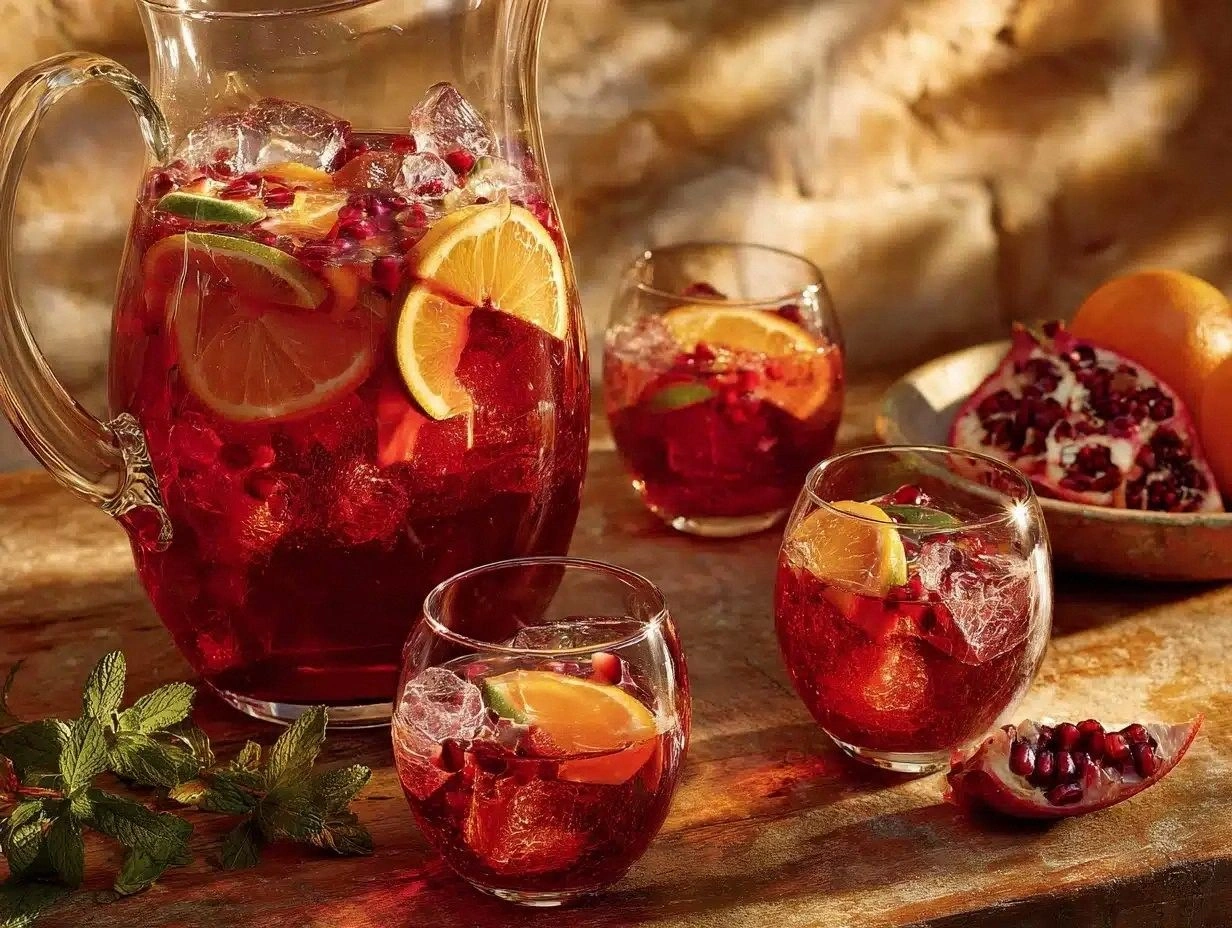
Picture the scene: the clink of ice cubes as they tumble into a crystal‑clear punch bowl, the faint perfume of orange zest mingling with the deep, jewel‑red aroma of pomegranate, and the soft fizz of champagne bubbling like a secret whispered at a soirée. The sound of a spoon scraping the bottom of the bowl is a subtle percussion that tells you something magical is happening. My hands were shaking – not from nerves, but from the sheer excitement of coaxing flavors together that most people never think to pair. I’ll be honest — I ate half the batch before anyone else got to try it, and that’s a confession I’m not ashamed to make.
What makes this version truly stand out is the balance. I chose a dry champagne that cuts through the natural sweetness of the pomegranate, while a splash of Triple Sec adds a citrusy depth that you’d normally reserve for a classy cocktail. Most recipes get this completely wrong, either drowning the drink in cheap soda or over‑sweetening with grenadine. Here, the orange juice acts as a bright bridge, and the optional sparkling water lets you dial the fizz without sacrificing flavor. The result? A punch that feels both festive and refined, perfect for anything from a backyard BBQ to a New Year’s toast.
And there’s a little secret ingredient that most people overlook: fresh pomegranate seeds. Not only do they add a pop of ruby‑red garnish, but they also release a subtle burst of juice as they sit in the liquid, intensifying the flavor over time. This is the game‑changer you’ve been waiting for. Let me walk you through every single step — by the end, you’ll wonder how you ever made it any other way.
What Makes This Version Stand Out
- Flavor Harmony: The dry champagne’s crisp acidity perfectly balances the sweet‑tart pomegranate, while orange juice lifts the whole profile with a sunny brightness.
- Texture Play: Ice cubes keep the drink icy cold, and fresh pomegranate seeds add a juicy pop that feels like tiny fireworks in every sip.
- Simplicity: Fewer than ten ingredients, no complicated syrups, and a single bowl – you can throw it together while the party music is still loading.
- Uniqueness: Most punch recipes rely on generic cranberry or pineapple juice; this one showcases the regal flavor of pomegranate, a fruit often reserved for upscale dining.
- Crowd Reaction: Guests repeatedly ask for the recipe, and the bright color makes it Instagram‑ready without any artificial dyes.
- Ingredient Quality: Using 100% pomegranate juice and a decent dry champagne elevates the drink from “just okay” to “hands down the best version you’ll ever make at home.”
- Method Efficiency: No cooking, no heating – just chill, mix, and serve, which means you can prep it hours in advance and still have it sparkling when the first guest arrives.
- Make‑Ahead Potential: The base can sit in the fridge overnight, allowing the flavors to meld, and you only add the champagne right before serving to preserve the fizz.
Inside the Ingredient List
The Flavor Base
Champagne is the backbone of this punch. Choose a dry or semi‑dry style so the natural acidity cuts through the sweet pomegranate juice without turning the drink cloyingly sweet. If you can’t find a good champagne, a quality Prosecco or a crisp sparkling wine will do the trick, but avoid the overly sweet “Moscato” varieties – they’ll mask the fruit’s nuance. The bubbles are not just decorative; they carry aromatic compounds upward, delivering that fresh, airy nose you love.
Pomegranate juice brings depth and a ruby hue that screams celebration. Opt for 100% juice with no added sugars; the natural tartness is what makes the punch sing. If you’re feeling adventurous, try a cold‑pressed version for an even richer mouthfeel. Skipping it means losing the signature “kiss of tartness” that sets this punch apart from a generic sparkling fruit cocktail.
The Citrus Boost
Freshly squeezed orange juice adds brightness and a subtle sweetness that balances the pomegranate’s earthiness. It also contributes a slight bitterness from the white pith, which is essential for a well‑rounded flavor profile. In a pinch, a high‑quality bottled orange juice works, but always taste and adjust – you don’t want a cardboard aftertaste.
Triple Sec, an orange‑flavored liqueur, is the secret weapon that deepens the citrus notes without overwhelming the palate. Just a splash (about half a cup for four servings) adds a sophisticated layer that you’d normally associate with classic cocktails like the Sidecar. If you’re avoiding alcohol, a non‑alcoholic orange extract can mimic the flavor, though the punch will lose a touch of its adult elegance.
The Unexpected Star
Sparkling water is optional but invaluable when you need to stretch the punch for a larger crowd without diluting the flavor too much. It adds a clean, crisp finish that makes each sip feel lighter, especially after a few glasses. If you’re serving a brunch crowd, consider using club soda for a slightly saltier edge that pairs well with the orange.
Fresh pomegranate seeds aren’t just garnish; they burst open in the glass, releasing tiny pockets of juice that keep the flavor alive as the punch sits. They also provide a textural contrast that makes the drinking experience more interactive. If you can’t find fresh seeds, a handful of frozen ones works just as well, and they’ll keep the punch chilled longer.
The Final Flourish
Orange slices double as visual appeal and a slow‑release flavor booster. As they sit in the bowl, the oils from the zest seep into the liquid, creating an evolving aroma that keeps the punch interesting from the first glass to the last. Ice is the unsung hero; lots of it ensures the punch stays icy without watering it down too quickly. If you’re serving outdoors on a hot day, consider using a mixture of ice cubes and frozen orange slices for extra chill.
Everything’s prepped? Good. Let’s get into the real action…
The Method — Step by Step
Start by chilling every component. Place the champagne bottle, orange juice, and pomegranate juice in the refrigerator for at least an hour. This step might seem obvious, but the difference between a lukewarm punch and a frosty one is night‑and‑day. I dare you to taste this and not notice the icy bite that makes the flavors pop.
While the liquids are chilling, prepare your garnish. Slice a fresh orange into thin rounds, then cut each round into quarters. Toss a half‑cup of fresh pomegranate seeds into a small bowl. If you’re feeling extra fancy, zest a bit of orange peel over the seeds for an aromatic boost.
Kitchen Hack: Use a melon baller to scoop out the pomegranate seeds; it speeds up the process and reduces mess.Grab a large, clear punch bowl (at least 2‑liter capacity). Fill it halfway with ice – I like about 3 cups for four servings. The ice should be enough to keep the drink cold but not so much that it dilutes the flavors before guests start sipping.
Pour in the pomegranate juice first, followed by the orange juice. Stir gently with a long wooden spoon; you’ll hear a soft, soothing “whoosh” that signals the liquids are marrying. This is the moment of truth – the aroma should be a harmonious blend of citrus and deep fruit.
Add the Triple Sec and, if you’re using it, the sparkling water. The Triple Sec adds a subtle orange‑laced warmth that deepens the citrus profile without making it taste like a simple orange soda. Give the mixture another gentle stir, watching the bubbles rise like tiny fireworks.
Now, the star of the show: slowly pour the chilled champagne over the back of a spoon into the bowl. This technique helps preserve the fizz, ensuring the bubbles don’t all escape at once. You’ll see a cascade of golden foam that settles into a glittering surface – that’s the visual cue that you’ve nailed the fizz balance.
Watch Out: If you pour the champagne directly onto the ice, you’ll lose a lot of carbonation; always use the spoon method to keep the bubbles intact.Toss in the orange slices and pomegranate seeds. As they sink, they’ll release tiny bursts of juice, turning the punch into a living, breathing beverage that evolves with each stir. Let the mixture sit for two minutes – this pause lets the flavors meld and the garnish to soak up the liquid, creating that depth you crave.
Give the punch a final gentle stir, then taste. If you feel the sweetness is a touch too bold, add a splash more sparkling water or a squeeze of fresh lemon juice. This is where your palate becomes the final judge; trust it, and you’ll end up with a balanced, party‑ready drink.
Serve immediately in clear glasses, making sure each pour includes a few orange slices and a handful of pomegranate seeds. The visual impact is as important as the taste – guests will love the ruby‑red swirl against the golden fizz. And remember, the punch stays lively for about an hour; after that, the bubbles will settle, but the flavor remains delicious.
That’s it — you did it. But hold on, I’ve got a few more tricks that’ll take this to another level…
Insider Tricks for Flawless Results
The Temperature Rule Nobody Follows
Never, ever use room‑temperature champagne. Even a few minutes in the fridge can make a world of difference. The colder the base, the longer the carbonation stays trapped, giving you a punch that stays lively from the first glass to the last. I once tried a shortcut by using a warm bottle and learned the hard way that the fizz vanished within minutes, leaving a flat, disappointing drink.
Why Your Nose Knows Best
Before you take a sip, give the punch a good sniff. Your nose will detect any imbalance – too much orange, not enough tartness – before your tongue does. Adjust with a splash of lemon or a dash more pomegranate juice, and you’ll achieve a harmony that feels almost musical. Trusting your nose is a pro tip that separates the “good” from the “wow‑worthy.”
The 5‑Minute Rest That Changes Everything
After mixing all the non‑alcoholic components, let the bowl sit uncovered for five minutes. This short rest allows the orange zest oils to rise and mingle with the pomegranate, creating a nuanced aroma that’s impossible to achieve with a hurried stir. I’ve seen guests comment that the punch “gets better the longer it sits,” and that’s exactly why this pause is essential.
Garnish Timing Mastery
Add the orange slices and pomegranate seeds just before serving, not at the very beginning. If they sit too long, the orange can become soggy and the seeds release too much juice, turning the punch cloudy. By timing the garnish, you keep the visual appeal crisp and the flavor bright.
The Ice Ratio Trick
Use a mix of regular ice cubes and frozen orange slices. The frozen fruit chills the drink without diluting it, while the regular ice maintains a steady temperature. This trick is especially useful for outdoor parties where ambient temperatures can melt ice quickly.
Creative Twists and Variations
This recipe is a playground. Here are some of my favorite ways to switch things up:
Berry‑Burst Fusion
Swap half of the pomegranate juice for mixed berry puree (strawberry, raspberry, blueberry). The result is a more complex fruit profile that’s perfect for summer garden parties. The berries add a subtle earthiness that pairs beautifully with the champagne’s acidity.
Spiced Holiday Version
Add a pinch of ground cinnamon and a few cloves to the orange juice before mixing. This warm spice note turns the punch into a festive holiday staple, ideal for New Year’s Eve or a winter brunch. Just be careful not to over‑spice; a whisper is all you need.
Tropical Escape
Replace the orange juice with pineapple juice and add a splash of coconut water. The tropical twist brightens the drink, making it feel like a beachside celebration. Garnish with a pineapple wedge and a sprig of mint for extra visual flair.
Low‑Alcohol Mocktail
Omit the champagne and increase the sparkling water to keep the fizz. Add a dash of non‑alcoholic Triple Sec or orange extract to retain the citrus depth. This version is perfect for daytime events where guests prefer a lighter buzz.
Herbal Infusion
Muddle a few fresh rosemary sprigs with the orange slices before adding the liquids. The herb adds an aromatic earthiness that complements the fruit and makes the punch feel sophisticated. Just strain out the rosemary before serving if you prefer a cleaner look.
Storing and Bringing It Back to Life
Fridge Storage
If you need to make the punch ahead of time, store the base (all ingredients except champagne) in a sealed pitcher or airtight container for up to 24 hours. Keep it chilled, and add the champagne just before serving to preserve the bubbles. The flavor actually improves as the juices mingle.
Freezer Friendly
You can freeze the non‑alcoholic portion in freezer‑safe bags or molds. When you’re ready, thaw it in the refrigerator overnight, then stir in fresh champagne. This method is handy for large events where you want to prep days in advance.
Best Reheating Method
If the punch cools down during a long party, avoid microwaving – the heat will kill the carbonation. Instead, gently warm a small portion of the base in a saucepan (no more than 120°F/49°C) and then blend it back into the main bowl. Adding a tiny splash of water before reheating creates a steam effect that revives the fizz without diluting the taste.