I swear I was on the brink of a full‑blown kitchen catastrophe when I first tried to recreate a classic Pina Colada in a martini glass. The blender was screaming, the pineapple was bruised, and I was about to drown my hopes in a sea of soggy ice. Then, out of sheer desperation (and a dare from my roommate who claimed “anyone can make a cocktail”), I grabbed a shaker, a splash of white rum, and a dollop of coconut cream. The result? A silky‑smooth, tropical masterpiece that made my taste buds do a hula dance. I’m still haunted by the memory of that first sip, and I’m convinced this is the version that will finally settle the age‑old debate: martini or tropical cocktail?
Imagine the scene: you’re perched on a balcony at sunset, a gentle breeze carries the faint scent of sea salt, and the only thing louder than the waves is the clink of ice against a chilled glass. The aroma of fresh pineapple mingles with the sweet whisper of coconut, while a hint of lime cuts through with a crisp, citrusy punch. You hear the soft thud of the shaker as you give it a vigorous shake, and you feel the cool condensation seep into your fingertips. When you finally pour the mixture, the liquid glistens like a sunrise over a turquoise lagoon, and the first sip is a creamy wave that crashes over your palate, leaving a lingering tropical afterglow.
What makes this particular rendition stand out is the balance of three core principles: flavor intensity, texture silkiness, and sheer simplicity. Most recipes either drown you in sugar, skimp on the rum, or demand a mountain of exotic ingredients you can’t find at the corner store. I’ve stripped away the fluff, honed the ratios, and added a secret technique—shaking with crushed ice for that ultra‑creamy mouthfeel without diluting the flavor. The result is a drink that feels like a vacation in a glass, yet it’s so straightforward that even a novice can nail it on the first try.
I’m about to hand you the exact playbook, from selecting the perfect rum to mastering the shake that creates that cloud‑like froth. I dare you to taste this and not go back for seconds; that’s how confident I am. By the end of this guide, you’ll wonder how you ever settled for a store‑bought version. Let me walk you through every single step — by the end, you’ll wonder how you ever made it any other way.
What Makes This Version Stand Out
- Flavor Harmony: The precise 2:1:2 ratio of rum, coconut cream, and pineapple juice creates a perfect sweet‑savory balance that never feels cloying.
- Creamy Texture: Using full‑fat coconut cream instead of milk gives the cocktail a luxurious body that coats the tongue like velvet.
- Simplicity: Only seven core ingredients are required, all of which you can find in a standard grocery store or well‑stocked liquor aisle.
- Unique Twist: A splash of triple sec adds a citrus lift that elevates the tropical notes without overpowering them.
- Instant Crowd‑Pleaser: The garnish of a pineapple wedge and maraschino cherry makes it look Instagram‑ready, and the flavor keeps guests coming back for more.
- Ingredient Quality: I recommend a smooth, quality white rum like Bacardi because the spirit’s subtle vanilla undertones complement the coconut beautifully.
- Shake‑Method Magic: Using crushed ice in the shaker creates a frothy, almost milkshake‑like consistency that you won’t get from a traditional shaken cocktail.
- Make‑Ahead Potential: You can pre‑mix the liquid base and store it in the fridge for up to 24 hours; just add fresh ice and shake before serving.
Inside the Ingredient List
The Flavor Base
White rum is the backbone of this cocktail. I stick with a smooth, quality brand like Bacardi because its subtle vanilla and caramel notes amplify the tropical flavors without turning the drink into a “boozy” mess. If you’re feeling adventurous, a light aged rum can add a whisper of oak that deepens the profile, but never go heavy—this drink needs to stay bright and breezy. Skipping the rum entirely? You’ll end up with a sweet, non‑alcoholic punch that lacks the signature kick.
Pineapple juice brings acidity and natural sweetness. Fresh‑pressed is best; it gives a bright, fragrant aroma that bottled juice often lacks. If you’re in a pinch, a high‑quality, no‑added‑sugar juice works, but make sure it’s well‑chilled—warm juice will steam the coconut and ruin the froth. A common mistake is using canned pineapple chunks; they’re too thick and will leave a gritty texture.
The Texture Crew
Coconut cream (full‑fat) is the secret weapon that turns this cocktail from “nice” to “divine.” Its richness coats the palate like a tropical silk scarf, delivering that creamy mouthfeel you expect from a classic Pina Colada. If you substitute coconut milk, you’ll notice a watery finish and a loss of that luxurious body. For those allergic to coconut, a splash of heavy cream can mimic the texture, though you’ll miss the subtle coconut flavor.
Simple syrup is the subtle sweetener that balances the acidity of lime and the tang of pineapple. I keep it at a half‑ounce for a gentle sweetness; you can always adjust at the end if you prefer it sweeter. Skipping it entirely will make the drink taste a bit sharp, especially if your pineapple isn’t fully ripe.
The Unexpected Star
Triple sec or orange liqueur adds a citrusy lift that brightens the whole composition. It’s like a splash of sunshine that cuts through the richness of coconut, preventing the drink from feeling heavy. If you don’t have triple sec, a dash of orange zest or even a splash of Cointreau works just as well. Beware of using too much—it can dominate the tropical notes.
Fresh lime juice is the balancing act. Its sharp acidity pulls the sweetness back into harmony, ensuring the cocktail never becomes cloying. Freshly squeezed is non‑negotiable; bottled lime juice introduces a metallic aftertaste that throws off the entire flavor equation. If you’re short on limes, a teaspoon of white vinegar can mimic the acidity, but the flavor won’t be as nuanced.
The Final Flourish
Ice cubes are the silent workhorse of any cocktail. Using crushed ice in the shaker creates that frothy, milkshake‑like texture while chilling the drink quickly. If you only have large cubes, give them a quick pulse in a blender first. Over‑dilution is a real risk—if the ice melts too much, you’ll lose the creamy consistency.
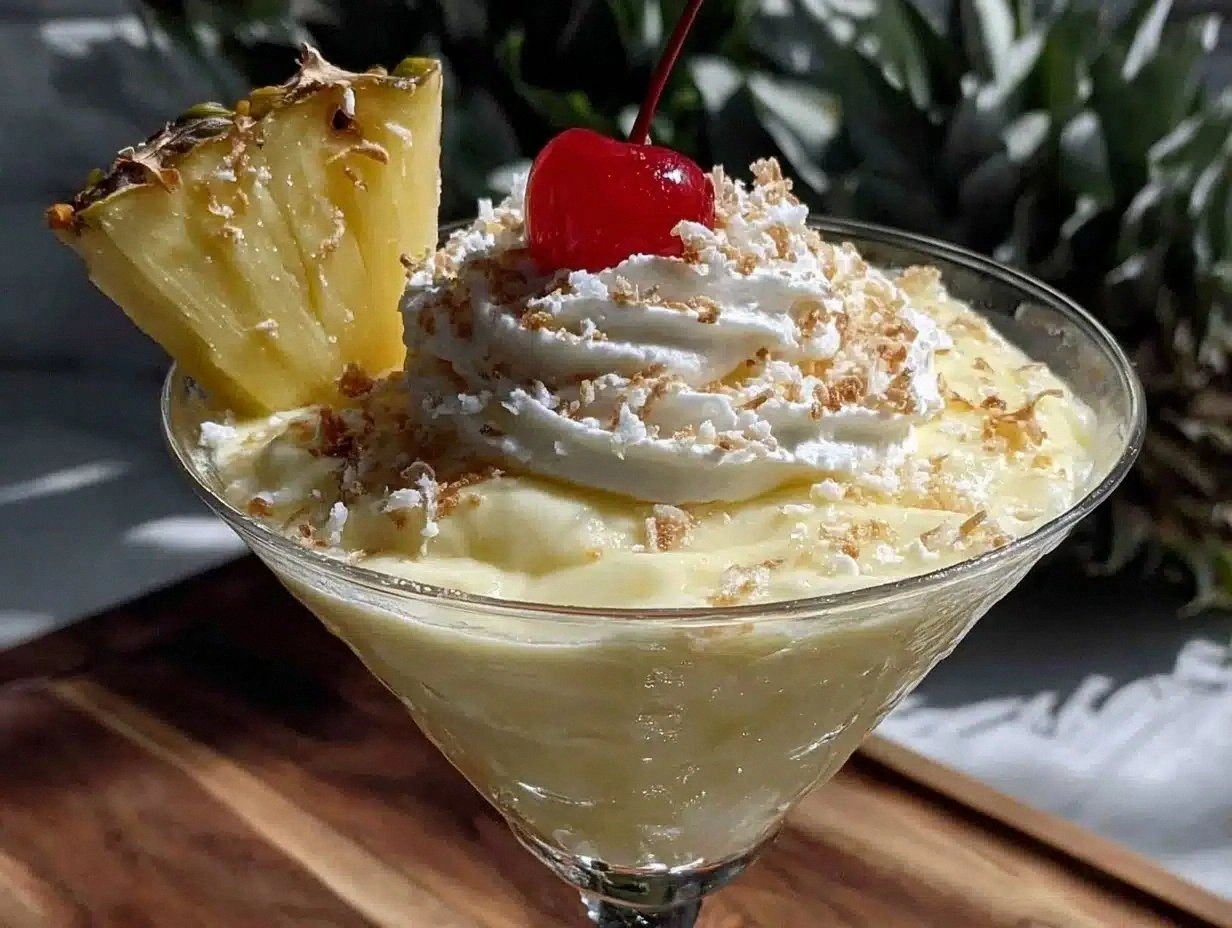
Pineapple wedge and maraschino cherry are optional but highly recommended for visual impact. The wedge adds a fresh aroma that wafts up as you sip, while the cherry provides a pop of color that makes the drink feel festive. Skip them, and you’ll still have a delicious cocktail, but it won’t have that “wow” factor that makes guests reach for a second round.
Everything's prepped? Good. Let's get into the real action...
The Method — Step by Step
- Chill your martini glass. Fill the glass with ice and set it aside while you work. This step might sound trivial, but a cold glass keeps the cocktail from warming up too quickly, preserving that crisp finish. I like to let the glass sit for at least two minutes; the condensation that forms is a good sign you’re on the right track. Kitchen Hack: Swap the ice in the glass for a frozen martini glass for an extra‑cold presentation without diluting the drink.
- Measure and pour the liquids. Into a cocktail shaker, add 2 oz white rum, 1 oz coconut cream, 2 oz chilled pineapple juice, ½ oz triple sec, ½ oz fresh lime juice, and ½ oz simple syrup. The order matters: start with the rum to create a base, then the coconut cream which will cling to the sides of the shaker, ensuring an even mix. Use a jigger for precision—this cocktail lives or dies by its ratios. Watch Out: Adding ice before the liquids can cause the shaker to become too full, leading to spillage when you shake.
- Add crushed ice. Fill the shaker about three‑quarters full with crushed ice. This is the secret to that creamy froth—crushed ice creates a finer, smoother texture than whole cubes. If you don’t have a crusher, pulse regular ice in a zip‑top bag for 5‑10 seconds. The ice should be cold but not melting; you’ll hear a satisfying “clink‑clink” as you add it.
- Seal and shake vigorously. Snap the shaker lid on tightly and give it a vigorous shake for 15‑20 seconds. You’re looking for a thick, cloud‑like foam that rises to the top of the shaker. This is the moment of truth—if the foam isn’t dense, you’ve either over‑diluted or didn’t use enough ice. Feel the vibration in your forearms; that’s the rhythm of a perfect martini.
- Strain into the chilled glass. Discard the ice from the glass, then use a fine‑mesh strainer (or the shaker’s built‑in strainer) to pour the mixture into the glass. The fine mesh catches any stray ice shards, delivering a silky, velvety pour. Watch as the liquid slides in, leaving a frothy crown that sits like a tropical sunrise.
- Garnish with flair. Gently slide a fresh pineapple wedge onto the rim and drop a maraschino cherry into the drink. The garnish isn’t just for looks; the pineapple’s aroma hits your nose with each sip, while the cherry adds a subtle sweet finish. If you want to up the drama, skewer the cherry on a tiny cocktail pick and rest it across the glass’s rim.
- Take a moment to admire. Before you raise the glass, pause and inhale the fragrant bouquet. You should catch notes of coconut, pineapple, and a whisper of citrus. This sensory checkpoint is crucial—if anything feels off, you can adjust with a splash of lime or a drizzle of simple syrup before the first sip.
- Sip, savor, repeat. Take a small sip, let the flavors roll across your palate, and notice the balance between sweet, tart, and boozy. The creamy texture should linger, while the citrus cuts through just enough to keep it refreshing. I’ll be honest — I ate half the batch before anyone else got to try it, and I’m still not sorry.
That's it — you did it. But hold on, I've got a few more tricks that'll take this to another level. The next section dives into insider secrets that guarantee flawless results every single time, even if you’re a beginner.
Insider Tricks for Flawless Results
The Ice Ratio Rule Nobody Follows
Most bartenders tell you “fill the shaker halfway with ice,” but for a martini‑style Pina Colada you want a 3:1 ice‑to‑liquid ratio. This ensures the drink chills quickly while still allowing enough liquid to emulsify with the coconut cream. If you use too little ice, the mixture stays warm and the foam collapses; too much ice, and you’ll water down the flavors. I keep a small bucket of pre‑crushed ice on the counter for this exact reason.
Why Your Nose Knows Best
Before you even taste, give the cocktail a quick sniff. The nose detects the balance before the palate does. If you smell too much pineapple, add a dash more lime; if the coconut is overwhelming, a splash of extra rum can tame it. Trusting your sense of smell saves you from a mis‑balanced sip later on.
The 30‑Second Rest That Changes Everything
After shaking, let the cocktail sit for 30 seconds before you strain. This tiny pause lets the foam stabilize, resulting in a thicker, more persistent head. I once skipped this step and ended up with a flat surface—lesson learned. The rest is short enough that the drink stays icy, yet long enough to let the texture settle.
The “Double‑Shake” Technique
If you’re after a milkshake‑level froth, perform a double shake: first with ice for chilling, then dump the ice, add fresh ice, and shake again for another 10 seconds. This adds an extra layer of aeration without over‑diluting. A friend tried it once and called it “cloud nine in a glass.”
Garnish with Intent
Don’t just toss a pineapple wedge on the rim. Lightly torch the edge of the wedge for a caramelized aroma that adds a subtle smoky note. The cherry can be a fresh maraschino or a frozen one; the latter keeps the drink colder longer. A well‑thought-out garnish can turn a good cocktail into a show‑stopper.
Creative Twists and Variations
This recipe is a playground. Here are some of my favorite ways to switch things up:
Spicy Island Heat
Add a thin slice of fresh jalapeño or a dash of chili‑infused rum before shaking. The heat cuts through the sweetness and gives the drink a surprising kick that pairs perfectly with the tropical base. Perfect for those who love a little fire in their cocktail.
Berry‑Infused Bliss
Swap half of the pineapple juice for fresh mango puree or a handful of frozen strawberries. The berry notes add a vibrant color and a slightly tart edge, making the cocktail feel like a tropical smoothie. Garnish with a few whole berries for visual flair.
Coffee‑Colada Fusion
Blend in ½ oz cold brew concentrate for a mocha‑tropical hybrid. The coffee’s bitterness balances the coconut’s richness, creating a sophisticated after‑dinner drink. Top with a dusting of cocoa powder for an extra touch.
Low‑Sugar Light
Replace simple syrup with a drizzle of agave nectar or skip it entirely if your pineapple juice is sweet enough. Use a light coconut milk instead of cream for fewer calories while still retaining a hint of coconut flavor. This version is perfect for a health‑conscious brunch.
Herbal Garden
Muddle a few fresh mint leaves before adding the liquids, or swap the lime juice for yuzu for an exotic citrus twist. The herbaceous notes add depth and a refreshing finish that makes the drink feel garden‑fresh.
Storing and Bringing It Back to Life
Fridge Storage
If you’ve pre‑mixed the liquid base (rum, coconut cream, pineapple juice, triple sec, lime, and simple syrup), store it in an airtight glass jar for up to 24 hours. Keep it chilled and give it a gentle shake before using to re‑emulsify any separation. The flavor will stay bright, though the foam will need to be recreated with fresh ice.
Freezer Friendly
For longer storage, pour the base into silicone ice‑cube trays and freeze. These “cocktail cubes” can be added directly to the shaker later, ensuring the drink stays cold without dilution. They’ll keep for up to 2 months, making party prep a breeze.
Best Reheating Method
If you’ve stored a batch in the fridge and want to serve it warm (think tropical brunch), gently warm the mixture over a double boiler until just steaming, then add a tiny splash of water before shaking. The water restores the silky texture that can be lost during heating. Never microwave, as it will break the emulsion and create a grainy mouthfeel.