Picture this: it’s a rainy Thursday night, the kind where the sky looks like a giant charcoal slab and you’re stuck in a kitchen that smells like stale takeout and regret. I was scrolling through endless food blogs, trying to convince myself that a simple pasta could somehow become a culinary masterpiece, when my phone buzzed with a dare from my roommate – “Make something that will make me forget the rain exists.” I laughed, grabbed a bottle of white wine, and stared at the freezer door where a bag of dry‑packed sea scallops stared back at me like tiny, glistening promises. That night, I learned that a single pan can transform a soggy evening into a fireworks show for your taste buds.
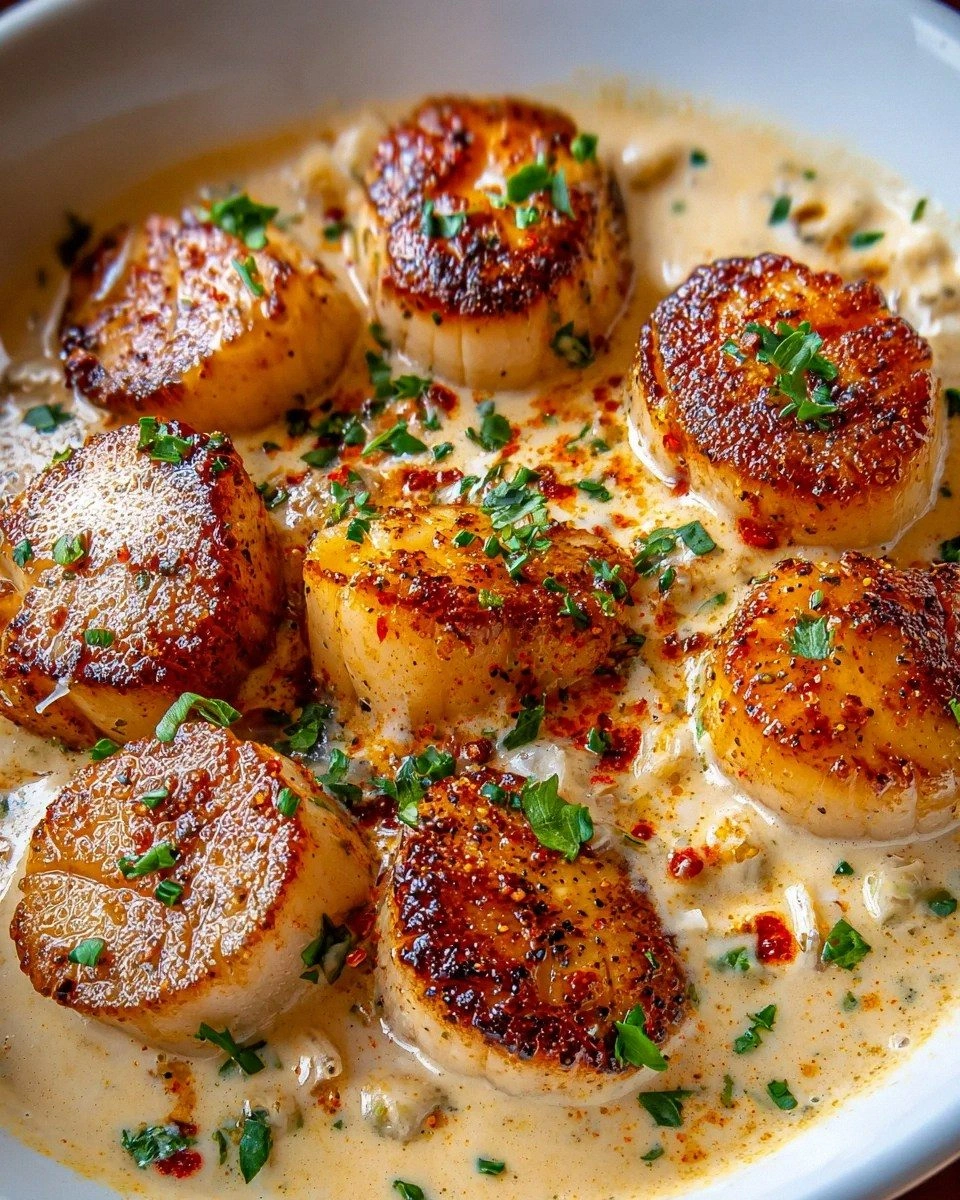
The moment those scallops hit the hot skillet, the kitchen erupted in a sizzle that sounded like applause. The air filled with the buttery perfume of caramelizing seafood, spiked with the smoky whisper of Cajun spices that seemed to dance in the air like a Mardi Gras parade. I could see the golden crust forming, feel the heat radiating from the pan onto my fingertips, and hear the faint crackle as the edges began to pull away, signaling perfection. The sauce that followed was a silky, spicy river of cream that clung to each scallop like a velvety blanket, punctuated by the bright pop of lemon and the earthy depth of Parmesan.
Most recipes for seared scallops either skimp on flavor or drown the delicate sweetness in a swamp of butter. This version, however, strikes a perfect balance: a crisp, caramelized exterior, a buttery interior, and a sauce that sings with heat, smoke, and a hint of citrus. I’m daring you to taste this and not go back for seconds – because once you’ve experienced that perfect bite, everything else will feel like a culinary afterthought. The secret? A splash of white wine for deglazing and a pinch of smoked paprika that adds a subtle, almost invisible, smokiness that makes the whole dish feel like it was cooked over a wood fire.
But here’s the kicker: I’m going to walk you through every single step, from choosing the right scallops to plating the final masterpiece. By the end, you’ll wonder how you ever settled for anything less than this. Okay, ready for the game‑changer? Let’s dive in and make a dish that will have you bragging to anyone who will listen.
What Makes This Version Stand Out
- Flavor Explosion: The combination of Cajun seasoning, smoked paprika, and a splash of lemon creates layers of heat, smokiness, and brightness that dance on the palate. Each bite feels like a mini celebration.
- Texture Contrast: A caramelized crust gives way to buttery, melt‑in‑your‑mouth scallops, while the sauce coats everything in a silky, luxurious finish. It’s the culinary equivalent of a crisp autumn leaf under a soft blanket.
- Simplicity Meets Sophistication: Only a handful of pantry staples are needed, yet the result feels like something you’d order at a five‑star restaurant. No fancy equipment, just a good skillet and a sense of adventure.
- Ingredient Quality: Dry‑packed scallops are the hero here – no added water means they sear better, retain their natural sweetness, and stay firm under the heat.
- Crowd‑Pleaser: Whether you’re feeding a family, impressing a date, or serving at a dinner party, this dish consistently earns rave reviews. I’ll be honest — I ate half the batch before anyone else got a chance.
- Make‑Ahead Potential: The sauce can be prepared ahead of time and gently reheated, while the scallops are best served fresh. This flexibility makes it perfect for busy weeknights.
- Heat Control: The Cajun seasoning provides adjustable spice; add cayenne for a serious kick or keep it mild for a gentle warmth.
- Visual Appeal: The golden crust contrasted with the vibrant orange‑red sauce makes for a plate that looks as good as it tastes, perfect for those Instagram moments.
Inside the Ingredient List
The Flavor Base
Large sea scallops (dry‑packed): These are the heart of the dish. Dry‑packed means no added water, so they sear beautifully and retain a sweet, briny flavor. If you skip this and use wet‑packed, you’ll end up with soggy, steamed scallops that never develop that coveted crust. Look for scallops that are firm to the touch and have a creamy white color – the fresher, the better.
Olive oil: It’s the unsung hero that raises the smoke point just enough to get that perfect sear without burning. A drizzle of extra‑virgin olive oil adds a subtle fruitiness that complements the Cajun spices. If you’re out of olive oil, a high‑smoke‑point oil like grapeseed works just as well.
The Texture Crew
Unsalted butter: Adding butter at the end of the searing process gives the scallops a glossy, velvety finish. It also mellows the heat from the Cajun seasoning, creating a balanced mouthfeel. For a dairy‑free version, try a splash of coconut cream, but you’ll lose some of that classic buttery sheen.
Heavy cream: This is the star of the sauce, turning the pan drippings into a luscious, thick coating that clings to each scallop. It’s the culinary equivalent of a silk scarf – smooth, elegant, and impossible to ignore. If you need a lighter option, substitute half‑and‑half, but the sauce won’t be quite as indulgent.
The Unexpected Star
Cajun seasoning: This blend brings the heat, depth, and a hint of Southern soul. It’s a mix of paprika, garlic, onion, and spices that instantly transforms a simple sauce into something bold. If you can’t find a ready‑made blend, combine equal parts smoked paprika, garlic powder, onion powder, dried thyme, and a pinch of cayenne.
Smoked paprika: Adds a whisper of wood‑smoked flavor that makes the sauce feel like it was cooked over an open flame. Even a modest amount can elevate the dish from ordinary to extraordinary. Skip it, and you’ll lose that subtle, smoky undertone that ties the whole thing together.
The Final Flourish
Parmesan cheese: Grated fresh, it melts into the cream, adding umami richness and a slightly nutty edge. It also helps thicken the sauce without the need for a roux. If you’re avoiding dairy, a sprinkle of nutritional yeast can mimic the cheesy depth.
Lemon juice: A splash of fresh lemon brightens the entire dish, cutting through the richness of the cream and butter. It’s the culinary equivalent of a high note in a song – it lifts everything else.
Fresh parsley, chopped: Not just a garnish; its peppery freshness balances the heat and adds a pop of color that makes the plate look restaurant‑ready. If parsley isn’t your thing, cilantro or chives can provide a similar fresh finish.
Everything's prepped? Good. Let’s get into the real action…
The Method — Step by Step
Start by patting the scallops dry with paper towels, then season both sides generously with salt and freshly ground black pepper. This simple seasoning is essential; it amplifies the natural sweetness of the scallops and creates a flavorful crust. Let the seasoned scallops rest for five minutes while you heat the pan – this short rest helps the seasoning adhere better.
Heat a large skillet over medium‑high heat until it’s shimmering hot. Add two tablespoons of olive oil and swirl to coat the bottom. The oil should ripple but not smoke; if it starts to smoke, lower the heat a notch – we want a clean, even sear.
Kitchen Hack: Use a stainless steel spatula to press each scallop gently into the pan for the first 30 seconds. This ensures maximum contact and a uniform crust.Place the scallops in the pan, making sure they’re not touching – crowding the pan will steam them instead of searing. Listen for that immediate sizzle; that’s the sound of flavor locking in. Cook without moving them for about 2 minutes, or until the edges turn opaque and the bottom is a deep golden brown.
Flip the scallops carefully with tongs and add a tablespoon of unsalted butter and the minced garlic to the pan. As the butter melts, it will foam and turn a light amber, releasing a fragrant garlic aroma that fills the kitchen. Cook for another 1‑2 minutes, letting the garlic soften but not burn – burnt garlic will turn bitter.
Now comes the deglazing moment: splash in a quarter cup of dry white wine (or seafood broth if you prefer). As the liquid hits the hot pan, it will sizzle and lift the caramelized bits stuck to the bottom, creating the base for our sauce. Let the wine reduce by half, which should take about 1‑2 minutes, concentrating the flavors.
Watch Out: If you add the cream too quickly, the sauce may split. Pour it in a steady stream while whisking continuously.Reduce the heat to medium‑low and stir in one cup of heavy cream. The pan will bubble gently; keep whisking until the cream thickens slightly, about 3 minutes. This is the moment of truth – the sauce should coat the back of a spoon and have a velvety sheen.
Add two teaspoons of Cajun seasoning, one teaspoon of smoked paprika, and, if you’re daring, a pinch of cayenne pepper. Stir well to distribute the spices evenly. Taste the sauce and adjust salt if needed – remember, the scallops will add a touch of brine, so you may not need much.
Fold in the grated Parmesan cheese and a tablespoon of fresh lemon juice. The cheese will melt, adding depth, while the lemon lifts the entire dish, preventing it from feeling heavy. Let the sauce simmer for another minute to meld the flavors.
Return the seared scallops to the pan, spooning the sauce over them to ensure each piece is glazed. Let them sit for a minute, just to re‑warm and absorb the sauce. Finally, sprinkle chopped parsley over the top for a fresh, bright finish. That sizzle when it hits the pan? Absolute perfection.
That’s it — you did it. But hold on, I’ve got a few more tricks that’ll take this to another level…
Insider Tricks for Flawless Results
The Temperature Rule Nobody Follows
Most home cooks think “high heat” is always better for searing, but the secret is a two‑stage approach: start hot for the crust, then finish on medium‑low for the sauce. This prevents the butter from burning and the cream from curdling. I once tried searing on ultra‑high heat and ended up with a blackened disaster – the scallops were charred on the outside but raw inside.
Why Your Nose Knows Best
Don’t rely solely on timers; trust your senses. When the butter turns a light amber and the garlic releases a sweet aroma, you know it’s time to add the liquid. If you smell a faint nutty scent, that’s the caramelized bits (fond) calling for deglazing. Your nose is a built‑in culinary thermometer.
The 5‑Minute Rest That Changes Everything
After the sauce is done, let it rest off the heat for five minutes. This short pause allows the flavors to meld and the sauce to thicken naturally. I used to serve it immediately and found the sauce a bit thin; the rest period solved that issue instantly.
Butter‑Boost for Extra Gloss
Just before serving, whisk in an extra tablespoon of cold butter. This technique, known as “mounting,” gives the sauce a glossy finish that looks restaurant‑ready. It also adds a final layer of richness without overwhelming the palate.
Seasoning Layers for Depth
Instead of dumping all the Cajun seasoning at once, split it: half goes into the sauce, the other half is added to the scallops before searing. This double‑layer approach builds depth, ensuring the spice is present in every bite, not just the sauce.
Creative Twists and Variations
This recipe is a playground. Here are some of my favorite ways to switch things up:
Spicy Coconut Curry
Swap the heavy cream for full‑fat coconut milk and add a tablespoon of red curry paste. The result is a tropical, spicy sauce that pairs beautifully with the sweet scallops. Garnish with toasted coconut flakes for crunch.
Garlic‑Herb Butter Finish
Replace the Parmesan and lemon juice with a generous knob of herb‑infused butter (mix softened butter with chopped thyme, rosemary, and a touch of garlic). This creates a richer, more aromatic finish that’s perfect for a romantic dinner.
Smoky Bacon Crunch
Render a few slices of thick‑cut bacon until crisp, crumble them, and sprinkle over the finished dish. The smoky, salty crunch adds texture and an extra layer of flavor that complements the Cajun spices.
Vegetable Medley
Add sautéed asparagus or baby spinach to the pan after deglazing. The greens absorb the sauce and bring a fresh, slightly bitter contrast that balances the richness of the cream.
Wine‑Free Version
If you prefer to skip alcohol, use a splash of seafood broth mixed with a teaspoon of apple cider vinegar. The acidity mimics the bright lift of wine without the alcohol content.
Cheese Swap
Try Gruyère or aged Gouda instead of Parmesan for a deeper, nuttier flavor. Each cheese melts differently, giving the sauce a unique texture and taste profile.
Storing and Bringing It Back to Life
Fridge Storage
Transfer any leftovers to an airtight container and store in the refrigerator for up to two days. The sauce may thicken as it cools; gently reheat over low heat, adding a splash of water or broth to restore its silky consistency.
Freezer Friendly
The sauce freezes exceptionally well. Portion it into freezer‑safe bags or containers, leaving a little headspace for expansion, and freeze for up to three months. When ready to use, thaw overnight in the fridge and reheat gently, stirring in a tablespoon of butter for extra richness.
Best Reheating Method
Place the scallops and sauce in a skillet over low heat, cover, and warm for 3‑4 minutes. Add a tiny splash of water or broth before reheating; this creates steam that revives the texture, preventing the scallops from drying out.