Picture this: a frantic Tuesday night, the sink piled high with dishes from a failed attempt at a fancy dinner, and a lingering craving for something that feels both indulgent and guilt‑free. I was standing over a half‑cooked piece of salmon that looked more like a sad, pink pancake than the centerpiece I’d promised my friends. That moment of culinary defeat sparked a daring challenge—could I reinvent the classic baked salmon into a dish that sings with bold Cajun heat, yet is smoothed over by a lush avocado‑lime crema that makes every bite feel like a beach vacation?
The kitchen quickly transformed into a sensory playground. The air filled with the smoky perfume of paprika and cayenne, while the citrusy zest of lime cut through with a bright, almost electric zing. I could hear the faint sizzle of the oil as it kissed the seasoned fillets, and the buttery, buttery scent of the fish began to rise, promising a flaky interior. My fingertips tingled from the heat of the oven, and the cool, buttery green of the avocado sauce was a visual contrast that made my mouth water before the first spoonful even hit the plate.
What makes this version a game‑changer? Most baked salmon recipes either drown the fish in a bland lemon butter or smother it with a heavy cream sauce that masks the natural flavor. I tossed that rulebook out the window and paired the fiery Cajun rub with a silky avocado‑lime sauce that clings to the fish like a velvet blanket, delivering a perfect balance of heat, creaminess, and freshness. The secret? A quick flash‑bake that locks in juices, followed by a sauce that stays bright and airy, never soggy.
And there’s a twist you won’t see coming: a splash of Greek yogurt in the sauce adds a protein punch and a subtle tang that elevates the avocado’s buttery richness without turning it into a guacamole dip. I dare you to taste this and not go back for seconds—because once you’ve experienced that contrast of spice and cool, you’ll be hooked. Let me walk you through every single step — by the end, you’ll wonder how you ever made it any other way.
What Makes This Version Stand Out
- Flavor Explosion: The Cajun rub delivers smoky, peppery heat that penetrates the salmon, while the avocado‑lime sauce adds a refreshing, citrusy coolness that balances the spice like a perfectly tuned duet.
- Texture Harmony: A quick high‑heat bake creates a caramelized crust that cracks delicately, revealing a buttery, flaky interior that melts in your mouth, then the sauce coats each bite with a creamy silk.
- Simplicity Meets Sophistication: Fewer than ten ingredients, yet each one plays a starring role, making the dish approachable for weeknight cooks and impressive for dinner parties.
- Ingredient Quality: Using skin‑on salmon locks in moisture, and a ripe avocado ensures the sauce stays smooth without lumps—no extra thickeners needed.
- Crowd‑Pleaser Factor: Even picky eaters who shy away from “spicy” foods love the gentle heat, while health‑conscious guests appreciate the omega‑3s and healthy fats.
- Make‑Ahead Friendly: The sauce can be prepared up to a day ahead, and the salmon reheats beautifully, making leftovers just as delightful.
- Cooking Method Magic: Baking, not pan‑frying, reduces mess and ensures even cooking, while still giving you that coveted crispy edge.
- Versatile Base: This dish pairs effortlessly with quinoa, roasted veggies, or a simple green salad, letting you customize the meal to any palate.
Inside the Ingredient List
The Flavor Base
Salmon fillets: The star of the show, preferably skin‑on for extra crispness. The skin acts as a protective barrier, keeping the flesh moist while adding a delightful crunch when baked. Skipping the skin means you lose that textural contrast and risk a drier result. If you’re buying at the fish counter, look for firm, bright pink flesh with a mild ocean scent—no “fishy” odor.
Cajun seasoning: This blend of paprika, cayenne, garlic powder, and thyme injects smoky heat that awakens the palate. Homemade mixes let you control the spice level; store‑bought versions are convenient but often contain added salt. If you’re sensitive to heat, halve the cayenne and boost the paprika for a milder, sweeter profile.
Olive oil: A drizzle adds moisture and helps the seasoning adhere. It also contributes a subtle fruitiness that complements the spices. Feel free to swap with avocado oil for a higher smoke point if you plan to broil the salmon for an extra char.
The Texture Crew
Ripe avocado: The creamy hero of the sauce, providing healthy monounsaturated fats and a buttery mouthfeel. Choose an avocado that yields gently to pressure—too firm and the sauce will be grainy, too soft and it turns mushy. If you can’t find ripe avocados, a quick microwave zap (10 seconds) can soften them without sacrificing flavor.
Greek yogurt: Adds a tangy lift and protein boost while keeping the sauce light. Its thicker consistency prevents the sauce from becoming runny, unlike sour cream which can be richer but may separate under heat. For a dairy‑free version, substitute with coconut yogurt, but expect a subtle coconut note.
Garlic: Fresh minced garlic infuses the sauce with depth and a fragrant bite. If you’re low on fresh cloves, a teaspoon of garlic powder works, though you’ll lose some of the bright, sharp edge that raw garlic provides.
The Unexpected Star
Lime: Freshly squeezed lime juice brightens the sauce, cutting through the richness of avocado and yogurt. The acidity also helps preserve the avocado’s green color, keeping the sauce vibrant. Add a pinch of zest for an extra aromatic pop that makes the sauce sing.
Fresh cilantro (optional): A sprinkle of cilantro adds a pop of herbaceous freshness and a splash of color. If you’re not a fan, parsley or a few leaves of mint work just as well, offering a different but equally refreshing note.
The Final Flourish
Salt and pepper: Essential for seasoning, they amplify the natural flavors of the fish and sauce. Freshly cracked black pepper adds a subtle bite that complements the Cajun heat. Remember, the seasoning blend already contains salt, so taste before adding more.
Everything's prepped? Good. Let's get into the real action...
The Method — Step by Step
- Preheat your oven to 425°F (220°C). While the oven warms, line a baking sheet with parchment paper and set a wire rack on top. This setup creates even airflow, ensuring the salmon cooks uniformly and the skin gets that coveted crunch. Kitchen Hack: If you don’t have a wire rack, flip a cooling rack upside down and place it on the baking sheet for the same effect.
- Pat the salmon fillets dry with paper towels, then drizzle each with a thin layer of olive oil. This thin film helps the Cajun seasoning stick and prevents the fish from steaming. Power transition: Okay, ready for the game‑changer? Sprinkle the Cajun seasoning evenly over both sides, pressing gently so it adheres. The aroma should already be making your kitchen feel like a New Orleans jazz club.
- Arrange the seasoned fillets on the rack, skin side down if you kept the skin. Slide the sheet into the oven and bake for 10‑12 minutes, or until the flesh is opaque halfway up the side and the edges start to pull away from the pan. Watch Out: Over‑baking turns the delicate flesh into a rubbery slab; start checking at the 9‑minute mark.
- While the salmon bakes, prepare the sauce. In a food processor, combine the ripe avocado, Greek yogurt, lime juice, lime zest, minced garlic, and a pinch of salt. Pulse until smooth, then scrape the sides and blend again for a uniform texture. The sauce should be thick enough to coat a spoon but still pourable—think of it as a silky mousse.
- Taste the sauce and adjust seasoning: a dash more lime for brightness, a pinch of pepper for subtle heat, or a drizzle of olive oil for extra silk. If you love cilantro, fold it in now; its fresh, citrusy notes will mingle beautifully with the avocado.
- When the salmon reaches a golden‑brown crust, remove it from the oven and let it rest for 2‑3 minutes. This short rest lets the juices redistribute, preventing a dry bite. Meanwhile, give the sauce a final quick stir—its color should be a vibrant, inviting green.
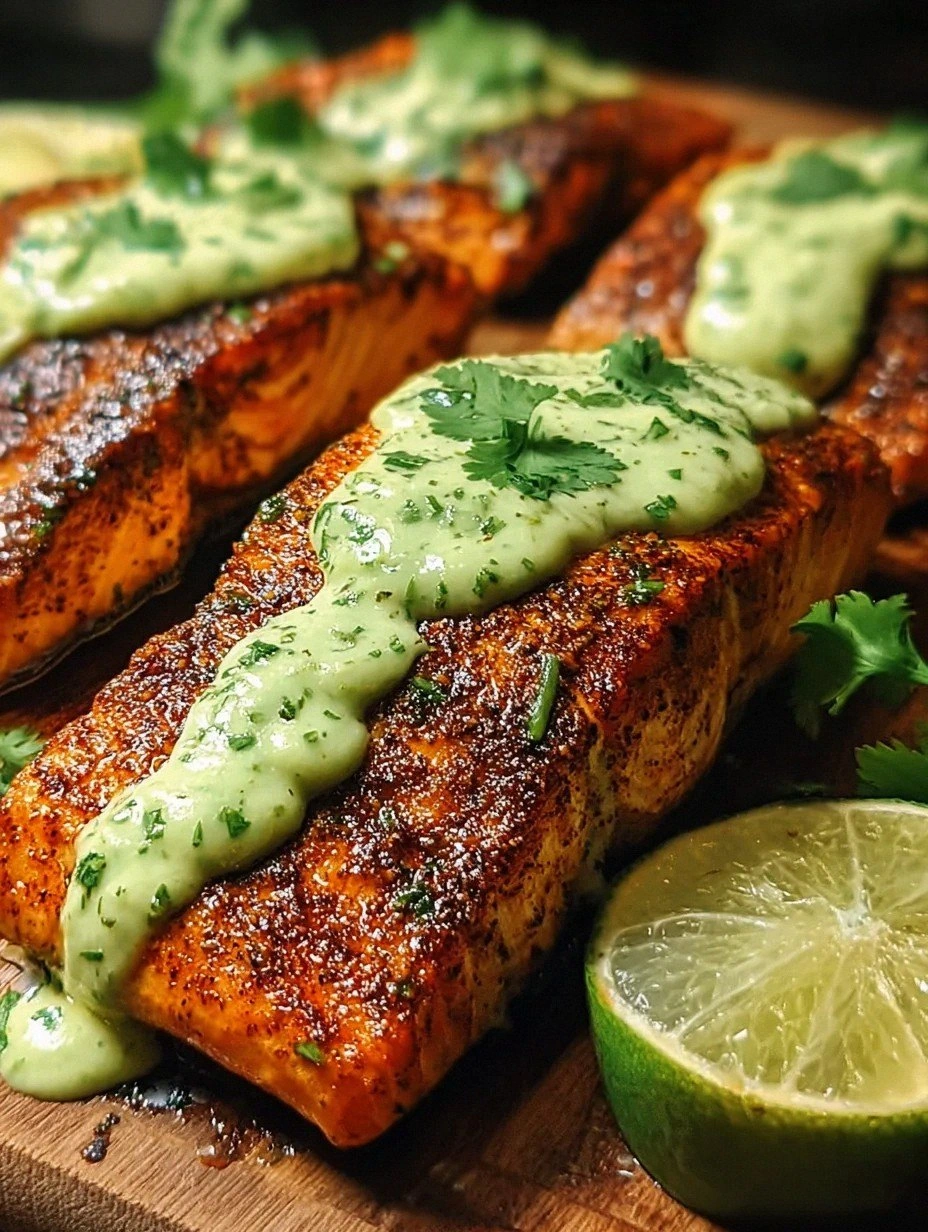
- Plate each fillet on a warm plate, then generously spoon the avocado‑lime sauce over the top, allowing it to cascade down the sides. The sauce will pool at the base, creating a little lagoon of flavor that invites you to dip every bite.
- Finish with a final sprinkle of extra Cajun seasoning or a few cilantro leaves for garnish. Serve immediately with your choice of side—steamed asparagus, quinoa, or a simple mixed greens salad works perfectly. This next part? Pure magic. The moment you cut into the salmon, the crust should crack like thin ice, revealing the tender interior bathed in creamy sauce.
Insider Tricks for Flawless Results
The Temperature Rule Nobody Follows
Most home cooks bake salmon at 350°F, but that temperature yields a gentle cook that never develops a crust. Cranking the oven to 425°F creates a rapid Maillard reaction, sealing in juices and forming that coveted caramelized edge. I once tried a low‑and‑slow method and ended up with a soggy, pale piece that resembled a fishy pancake. Trust the high heat; it’s the secret to that restaurant‑style finish.
Why Your Nose Knows Best
Before you even peek at the timer, trust your sense of smell. When the Cajun spices start to release their smoky perfume and the fish emits a toasty aroma, you’re within seconds of perfect doneness. If the scent feels flat, give the salmon another minute. This sensory checkpoint saves you from overcooking and ensures a fragrant, flavorful crust.
The 5‑Minute Rest That Changes Everything
Resisting the urge to dive straight in is a hallmark of seasoned chefs. Letting the salmon rest for five minutes after baking allows the proteins to relax, redistributing moisture throughout the fillet. I’ve seen people slice too early and watch the juices stream onto the plate—disappointing! A brief rest keeps every bite juicy and tender.
Avocado Timing Trick
Avocado oxidizes quickly, turning brown and losing its buttery texture. To keep the sauce vibrant, blend the avocado with lime juice first; the acid slows oxidation dramatically. If you need to prep the sauce ahead of time, store it in an airtight container with a thin layer of plastic wrap pressed directly onto the surface.
Seasoning Layering Magic
Instead of dumping all the Cajun seasoning at once, split it: half before baking and half after. The first layer creates the crust, while the second adds a fresh pop of spice that doesn’t get muted by heat. This two‑step seasoning gives the dish a depth that single‑layer seasoning simply can’t achieve.
Creative Twists and Variations
This recipe is a playground. Here are some of my favorite ways to switch things up:
Spicy Mango Salsa Swap
Replace the avocado sauce with a fresh mango salsa—dice ripe mango, red onion, jalapeño, and cilantro, then toss with lime juice. The sweet‑heat combo pairs beautifully with the Cajun salmon, offering a tropical twist that’s perfect for summer gatherings.
Smoky Chipotle Cream
Swap the lime‑avocado blend for a chipotle‑Greek yogurt sauce. Blend chipotle peppers in adobo, Greek yogurt, a splash of lime, and a pinch of smoked paprika. The result is a smoky, slightly spicy cream that deepens the Cajun flavor profile.
Herb‑Infused Quinoa Bed
Serve the salmon atop a fluffy quinoa pilaf cooked with vegetable broth, fresh parsley, and toasted almond slivers. The nutty quinoa absorbs the sauce, turning each bite into a hearty, wholesome experience.
Garlic‑Butter Baste
Midway through baking, baste the fillets with a mixture of melted butter, minced garlic, and a dash of lemon zest. This adds an extra layer of richness and a buttery aroma that makes the crust even more irresistible.
Vegan Adaptation
Replace the salmon with thick-cut tofu or tempeh marinated in the same Cajun rub. Pair with a dairy‑free coconut yogurt version of the sauce, and you have a plant‑based dish that still delivers the same bold flavors and creamy texture.
Grilled Version
Fire up a grill to medium‑high heat, oil the grates, and grill the seasoned salmon for 4‑5 minutes per side. The grill marks add a charred complexity, and you can serve the sauce on the side for a smoky, outdoor-friendly twist.
Storing and Bringing It Back to Life
Fridge Storage
Place leftover salmon and sauce in separate airtight containers. The salmon keeps nicely for up to three days; the sauce stays fresh for two days. When reheating, keep the salmon covered with foil to retain moisture.
Freezer Friendly
Both components freeze well. Wrap each salmon fillet tightly in plastic wrap, then place in a freezer bag. The sauce can be poured into an ice‑cube tray, frozen, then transferred to a zip‑top bag. Use within two months for optimal flavor.
Best Reheating Method
To revive the dish, preheat your oven to 300°F (150°C). Place the salmon on a baking sheet, add a tiny splash of water or broth, and cover loosely with foil. Heat for 10‑12 minutes until warmed through. The added moisture steams the fish back to tenderness while preserving the flaky texture.