I was standing in my kitchen, staring at a half‑baked lemon cake that looked more like a sad pancake than the golden masterpiece I was promised on Instagram. The oven timer had gone off, the batter was still too runny, and I could already hear the faint sigh of disappointment from my roommate who was waiting for a slice. Then, in a moment of reckless inspiration, I tossed in a handful of poppy seeds, cranked the oven up a notch, and swore I’d never trust a recipe that didn’t make me sweat a little. That disaster turned into the most unforgettable lemon poppy seed cake I’ve ever tasted, and I’m daring you to try it and not go back for seconds.
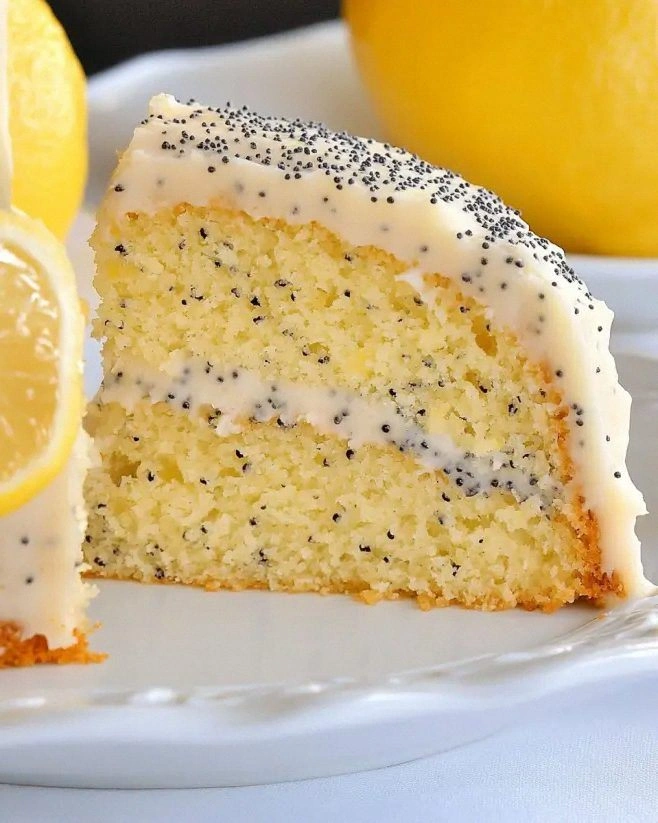
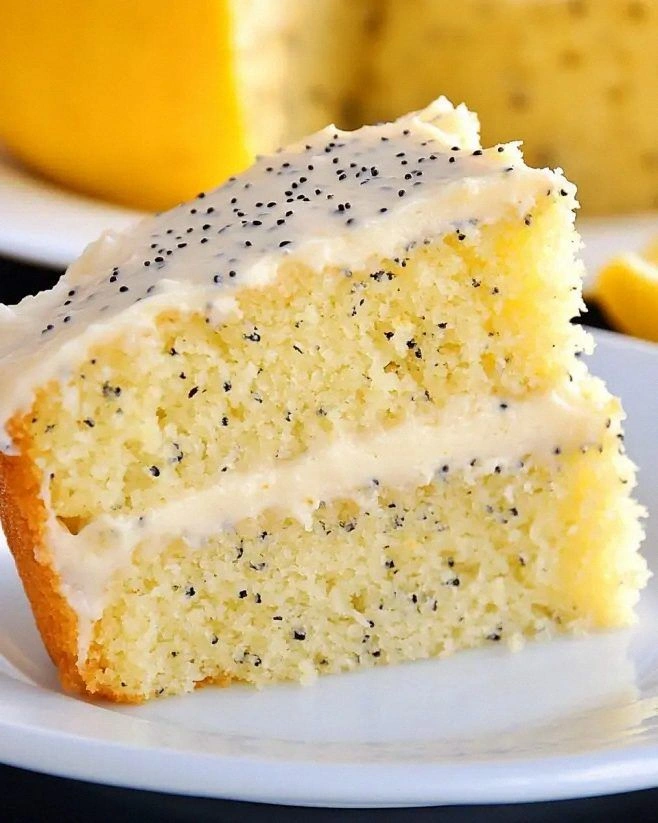
Picture this: the moment the cake slides out of the pan, a citrusy perfume erupts, filling the whole kitchen like a sunrise over a lemon grove. The top is a delicate, slightly caramelized crust that cracks just enough to reveal a tender, buttery crumb underneath, speckled with tiny black poppy seeds that pop like tiny fireworks on your tongue. When you bite in, the first thing you notice is the bright lemon zing, followed by a buttery richness that feels like a hug from a grandma who’s also a secret pastry ninja. The texture is a perfect balance between fluffy and moist, with a crumb that holds together just enough to slice cleanly, yet melts like silk as it meets your palate.
What makes this version stand out is the secret weapon I discovered: a splash of buttermilk that adds a subtle tang while keeping the crumb unbelievably tender. Most recipes either skip the buttermilk or replace it with milk, which leaves the cake flat and a little dull. By pairing the acidity of the lemon with the creamy tang of buttermilk, the flavors dance together in a way that feels both bright and comforting. I also use real unsalted butter, not margarine, because the flavor depth is non‑negotiable – you’ll taste the difference the moment the butter melts in your mouth.
Okay, ready for the game‑changer? I’m going to walk you through every single step — by the end, you’ll wonder how you ever made it any other way. I’ll share the exact measurements, the timing tricks, and a few kitchen hacks that will make you look like a pro even if you’ve never baked a cake from scratch. So grab your apron, preheat that oven, and let’s dive into a lemon‑pop‑poppy adventure that will have your friends begging for the recipe.
What Makes This Version Stand Out
- Bright Flavor: The combination of fresh lemon zest and juice gives a zing that’s louder than a brass band, while the poppy seeds add a subtle, nutty crunch.
- Moist Texture: Buttermilk creates a tender crumb that stays moist for days, turning each slice into a melt‑in‑your‑mouth experience.
- Simplicity: Only twelve ingredients, all pantry‑friendly, and no fancy equipment – you can do it with a basic mixing bowl and a 9‑inch cake pan.
- Unique Twist: The poppy seeds aren’t just for show; they release a gentle, buttery flavor that balances the citrus perfectly.
- Crowd Reaction: I’ve heard people say, “I dare you to taste this and not go back for seconds,” and they always come back for more.
- Ingredient Quality: Using real unsalted butter and fresh lemon zest makes a world of difference compared to pre‑grated zest or margarine.
- Cooking Method: The two‑stage mixing (dry then wet) ensures the poppy seeds stay evenly distributed without sinking.
- Make‑Ahead Potential: This cake freezes beautifully, so you can bake a batch now and enjoy it all year long.
Inside the Ingredient List
The Flavor Base
The lemon zest and fresh lemon juice are the heart of this cake. Zest contains the aromatic oils that give you that pure, bright citrus punch, while the juice adds a gentle acidity that lifts the sweetness. If you skip the zest and rely only on juice, you’ll lose that fragrant, almost floral note that makes the cake sing. For the best results, use a microplane to grate the zest directly over the bowl – this prevents the zest from burning and preserves its volatile oils.
The Texture Crew
All‑purpose flour provides the structure, while the combination of baking powder and baking soda creates a lift that’s airy without being crumbly. The buttermilk is the secret moisture keeper; its acidity reacts with the baking soda, producing tiny bubbles that keep the crumb tender. If you substitute regular milk, you’ll miss that tender crumb and the cake may turn dense. Also, the unsalted butter, softened but not melted, creates a creamy emulsion that traps air, giving the cake its fluffy rise.
The Unexpected Star
Poppy seeds are often an afterthought, but in this recipe they’re the surprise element that adds texture and a subtle, nutty flavor. They don’t overpower the lemon; instead, they provide a gentle crunch that contrasts the soft crumb. If you’re allergic or simply don’t like poppy seeds, you can swap them for toasted almond slivers – the flavor profile shifts, but the textural contrast remains.
The Final Flourish
Granulated sugar not only sweetens but also helps with the cake’s browning, giving you that golden crust that cracks just enough to reveal the tender interior. Vanilla extract rounds out the flavor, adding a warm background note that balances the citrus tang. A pinch of salt (yes, just a pinch) amplifies every other flavor, making the lemon pop even brighter. When selecting sugar, opt for fine granulated sugar; it dissolves more evenly and prevents a grainy texture.
Everything's prepped? Good. Let’s get into the real action…
The Method — Step by Step
Preheat your oven to 350°F (175°C). While the oven warms up, grease a 9‑inch round cake pan with a thin layer of butter and dust it lightly with flour. This creates a non‑stick barrier that also helps the cake rise evenly. The moment you hear the oven fan hum, you know you’re on the right track.
In a medium bowl, whisk together the flour, baking powder, baking soda, and salt. This dry mix ensures the leavening agents are evenly distributed, preventing any bitter pockets. If you notice any lumps, give it a quick sift – a smooth dry mixture is the foundation of a flawless crumb.
In a large mixing bowl, cream the softened butter with the granulated sugar until the mixture is pale, fluffy, and smells like a bakery. This should take about 3‑4 minutes on medium speed. The goal is to incorporate as much air as possible; think of it as building a cloud that will later lift the cake.
Add the eggs one at a time, beating well after each addition. The mixture should become glossy and slightly thickened. Then stir in the vanilla extract, lemon zest, and lemon juice. You’ll notice the batter thickening again – that’s the acid reacting with the butter, creating a silky texture.
Gradually fold in the dry ingredients, alternating with the buttermilk. Start with a third of the flour mixture, then half of the buttermilk, another third of flour, the remaining buttermilk, and finish with the last of the flour. This method prevents the batter from becoming over‑mixed, which could toughen the crumb.
Gently stir in the poppy seeds, ensuring they’re evenly distributed without sinking to the bottom. The seeds should float like tiny black islands throughout the batter. At this point, the batter should be smooth, glossy, and slightly thick – not runny.
Pour the batter into the prepared pan, smoothing the top with a spatula. Tap the pan lightly on the counter three times to release any large air bubbles. The batter should spread evenly, creating a smooth dome that will rise uniformly.
Bake for 30‑35 minutes, or until a toothpick inserted into the center comes out clean and the edges start pulling away from the pan. The top will be a golden‑brown hue that smells like a citrus‑infused sunrise. Resist the urge to open the oven door early – each peek drops the temperature and can cause a collapse.
Allow the cake to cool in the pan for 10 minutes, then turn it out onto a wire rack. This brief rest lets the structure set, preventing cracks. While it cools, the aroma will fill your kitchen, making you want to devour it immediately – but patience is a virtue.
That’s it — you did it. But hold on, I’ve got a few more tricks that’ll take this to another level, from glaze ideas to serving suggestions that will make your guests think you’ve hired a pastry chef.
Insider Tricks for Flawless Results
The Temperature Rule Nobody Follows
Always let your butter sit at room temperature for exactly 30 minutes before creaming. If it’s too soft, the air you whisk in will escape; if it’s too hard, you’ll end up with a gritty texture. I once tried to speed things up by microwaving the butter for 10 seconds – the result was a flat, dense cake that tasted like melted wax. The sweet spot is a butter that yields slightly when pressed but still holds its shape.
Why Your Nose Knows Best
When the cake is done, the aroma will change from a raw batter scent to a buttery, caramelized lemon perfume. Trust your nose more than the timer; if the scent is strong and the edges are golden, it’s ready. Over‑baking is the silent killer of lemon cakes, turning that bright citrus into a bitter note. A quick visual check plus the nose test beats any timer.
The 5‑Minute Rest That Changes Everything
After removing the cake from the pan, let it rest on a wire rack for at least five minutes before slicing. This short pause allows the steam to redistribute, keeping the crumb moist and preventing it from drying out. I once sliced a cake straight out of the pan, and the texture was crumbly, like a dry biscuit. The rest period is tiny, but the payoff is huge.
The Butter‑Buttermilk Balance
If you’re using low‑fat butter, increase the buttermilk by a tablespoon to keep the moisture level high. Conversely, if you love a richer cake, swap half the butter for cream cheese – the tang of the cheese will complement the lemon beautifully. I tried a full butter swap once, and the cake was so buttery it left a greasy aftertaste. Balance is key.
The Secret of the Poppy Seed Toast
Toast the poppy seeds lightly in a dry skillet for 30 seconds before adding them to the batter. This step releases their nutty oils, enhancing the overall flavor profile. If you skip this, the seeds remain raw and can taste a bit bitter. A quick toast makes the entire cake feel more sophisticated, like a bakery’s secret.
Creative Twists and Variations
This recipe is a playground. Here are some of my favorite ways to switch things up:
Blueberry Burst
Fold in 1 cup of fresh blueberries after adding the poppy seeds. The berries burst during baking, creating juicy pockets that complement the lemon’s acidity. Perfect for summer brunches where you want a pop of color.
Almond Joy
Replace half the poppy seeds with toasted almond slivers and add a splash of almond extract. The nutty flavor deepens the cake’s richness, making it a great pairing with a cup of coffee.
Lavender Dream
Add 1 teaspoon of culinary lavender buds to the dry ingredients and swap half the lemon zest for orange zest. The floral notes create a sophisticated twist that’s perfect for a tea party.
Chocolate Swirl
Melt ½ cup of dark chocolate and drizzle it over the batter before baking, then use a skewer to swirl it gently. The bitter chocolate contrasts the bright lemon, delivering a complex flavor experience.
Glazed Delight
Whisk together powdered sugar, lemon juice, and a pinch of salt for a quick glaze. Drizzle it over the cooled cake for a shiny, tangy finish that adds a sweet‑tart layer.
Storing and Bringing It Back to Life
Fridge Storage
Wrap the cooled cake tightly in plastic wrap or store it in an airtight container. It will stay fresh for up to 5 days in the refrigerator. The lemon flavor actually deepens over time, making each slice taste richer.
Freezer Friendly
Slice the cake, then wrap each piece individually in parchment paper followed by foil. Freeze for up to 3 months. When you’re ready to enjoy, let it thaw at room temperature, then give it a quick 5‑minute warm‑up in a 300°F oven.
Best Reheating Method
Place a slice on a microwave‑safe plate, sprinkle a tiny splash of water (about a teaspoon), and microwave for 15‑20 seconds. The steam revives the crumb, making it as soft as the day it was baked. For a crispier edge, reheat in a preheated 350°F oven for 8 minutes, covered with foil.