I was in the middle of a rainy Tuesday night, staring at a half‑finished spaghetti sauce that tasted like a soggy old sock, when my roommate dared me to make something that could actually make the rain stop. I laughed, I accepted, and I ended up with a pot of stracotto that turned my kitchen into a Tuscan trattoria. The moment I lifted the lid, a cloud of aromatic steam hit my face like a warm hug, and I swear the thermostat dropped three degrees because the air got so thick with flavor. That first bite? It was like a symphony of beef, tomato, and a whisper of sweet grape that sang straight to my soul, and I thought, “I dare you to taste this and not go back for seconds.”
Picture yourself standing at the stove, the sizzle of olive oil hitting the pan like a drum roll, the beef developing a crust that looks like it’s been kissed by the sun. The onions, carrots, and celery start to sweat, releasing a perfume that reminds you of a Sunday market in Bologna, while the tomato paste darkens to a mahogany hue that promises depth. You’ll hear the gentle pop of garlic cloves as they hit the hot butter, and you’ll feel the weight of the chuck roast as you tuck it into the pot, knowing that the next few hours will transform it into melt‑in‑your‑mouth perfection. Most recipes get this completely wrong, either drowning the meat in sauce or leaving it dry; this version balances the two like a tightrope walker on a gusty day.
What really sets this stracotto apart is the surprise cameo of unsweetened grape juice. It adds a subtle sweetness and acidity that a splash of red wine alone can’t achieve, and the final dash of balsamic vinegar lifts the whole thing into a bright, glossy finish that makes the sauce look like liquid amber. I’ll be honest — I ate half the batch before anyone else got a chance to try it, and that’s because the flavor is so addictive it feels like cheating on your taste buds. If you’ve ever struggled with a pot roast that either falls apart too early or stays stubbornly tough, you’re not alone — and I’ve got the fix.
Okay, ready for the game‑changer? I’m about to walk you through every single step — from selecting the perfect cut of beef to the exact moment you add that splash of balsamic that makes the sauce sing. By the end, you’ll wonder how you ever made it any other way, and you’ll have a new go‑to dish that will impress anyone from picky teenagers to seasoned food critics. Let’s dive in and make a stracotto that will become the legend of your kitchen.
What Makes This Version Stand Out
- Depth of Flavor: The combination of grape juice, balsamic, and a slow‑simmered mirepoix creates layers that keep evolving with each bite.
- Texture Mastery: The chuck roast becomes buttery‑soft, yet it holds together enough to slice beautifully for serving.
- Simplicity Meets Sophistication: Only a handful of pantry staples are needed, but the technique feels restaurant‑grade.
- Unexpected Sweetness: Unsweetened grape juice adds a nuanced sweetness without the cloying sugar of typical sauces.
- Crowd‑Pleaser Factor: Even the most skeptical eaters admit this is hands down the best version you’ll ever make at home.
- Ingredient Quality: Using a well‑marbled chuck roast ensures the meat stays juicy and flavorful throughout the long braise.
- Cooking Method: The low‑and‑slow braise locks in moisture, while the initial sear builds a caramelized crust that adds richness.
- Make‑Ahead Potential: This dish actually tastes better the next day, making it perfect for leftovers or meal‑prep.
Inside the Ingredient List
The Flavor Base
The trio of onion, carrots, and celery—known as mirepoix—forms the aromatic backbone of any classic Italian braise. When you sweat these vegetables in olive oil, they release natural sugars that caramelize, adding a subtle sweetness that balances the acidity of the tomatoes. If you skip the mirepoix, you’ll end up with a sauce that tastes flat, like a song missing its bass line. For a deeper flavor, try using half yellow onions and half sweet red onions; the latter brings a hint of natural sweetness that pairs beautifully with the grape juice.
The Texture Crew
Beef chuck roast is the star here because its marbling melts into the sauce, keeping the meat moist and tender. Olive oil is essential for that golden crust; without it, the meat would simply steam and lose that coveted caramelized exterior. Kosher salt and freshly ground black pepper season the meat and vegetables, enhancing every bite. If you’re watching sodium, you can reduce the salt by a third, but remember that flavor builds gradually, so taste as you go.
The Unexpected Star
Unsweetened grape juice is the secret weapon that sets this stracotto apart. It adds a gentle sweetness and a faint fruity note that complements the acidity of the crushed tomatoes without making the dish taste like a dessert. If you don’t have grape juice on hand, a dry red wine works as a substitute, but the flavor profile will shift toward a more traditional braise. Balsamic vinegar, added at the end, injects a bright acidity that cuts through the richness, preventing the sauce from feeling heavy.
The Final Flourish
A sprinkle of fresh parsley at the end adds a pop of color and a herbaceous lift that brightens the dish. Parmesan cheese, while optional, introduces a salty umami punch that ties the whole flavor profile together. If you’re dairy‑free, you can skip the cheese or use a nutritional yeast sprinkle for a similar nutty depth. Remember, the final garnish is not just for looks; it adds a fresh bite that contrasts the long‑cooked richness.
Everything's prepped? Good. Let's get into the real action...
The Method — Step by Step
-
Pat the beef chuck roast dry with paper towels and season it generously with kosher salt, freshly ground black pepper, and a light dusting of garlic powder. This seasoning creates a crust that locks in juices. I dare you to taste this and not go back for seconds—once that crust forms, there’s no turning back. Heat a heavy Dutch oven over medium‑high heat, then add two generous glugs of olive oil. The oil should shimmer, and you’ll hear a satisfying sizzle as the meat hits the pan—absolute perfection.
Kitchen Hack: Lightly flour the roast before searing; the flour not only helps with browning but also thickens the sauce later without extra cornstarch. -
Sear the roast on all sides until it’s a deep golden brown, about 3‑4 minutes per side. You’ll know it’s ready when the edges start pulling away from the pan and the meat releases a rich, nutty aroma. Transfer the seared roast to a plate and set aside. Don’t clean the pan—those browned bits are flavor gold.
-
Reduce the heat to medium and add the diced onion, sliced carrots, and chopped celery to the same pot. Cook, stirring occasionally, until the vegetables soften and the onions become translucent, roughly 5‑7 minutes. This is the moment where the kitchen starts smelling like a Sunday market in Italy; if you close your eyes, you’ll feel the sun on your face.
Watch Out: If the vegetables start to brown too quickly, lower the heat; burnt veggies will give the sauce a bitter edge. -
Add the minced garlic cloves and stir for 30 seconds until fragrant—watch out, garlic burns in a heartbeat. Then, stir in the tomato paste and let it caramelize for another 2 minutes; this deepens the umami and gives the sauce a richer color. The paste should darken to a mahogany shade and release a sweet, roasted scent.
-
Sprinkle the dried oregano, thyme, and a couple of bay leaves over the vegetables, then pour in the crushed tomatoes, beef broth, and unsweetened grape juice. Give everything a good stir, scraping up any browned bits from the bottom of the pot. The liquid should bubble gently—if it’s a vigorous boil, reduce the heat; you want a slow, steady simmer that melds flavors without evaporating too fast.
-
Return the seared roast to the pot, nestling it into the sauce. The meat should be mostly submerged; if it’s sticking out, add a splash more broth or water. Cover the pot with a tight‑fitting lid and transfer it to a preheated oven at 300°F (150°C). This low temperature is the secret to tender, pull‑apart meat that doesn’t dry out.
-
Bake for 3 hours, checking once halfway through. At the three‑hour mark, the meat should be fork‑tender, and the sauce should have thickened to a glossy, clingy consistency. If the sauce looks too thin, remove the lid for the last 30 minutes to let some liquid evaporate.
-
When the roast is done, remove it from the oven and let it rest on a cutting board for 15 minutes. This rest period lets the juices redistribute, preventing a dry slice. While the meat rests, stir in a splash of balsamic vinegar—about two tablespoons—to brighten the sauce. Taste and adjust seasoning with more salt or pepper if needed.
Kitchen Hack: Slice the rested roast against the grain; this ensures each bite is tender and maximizes the surface area that soaks up the sauce. -
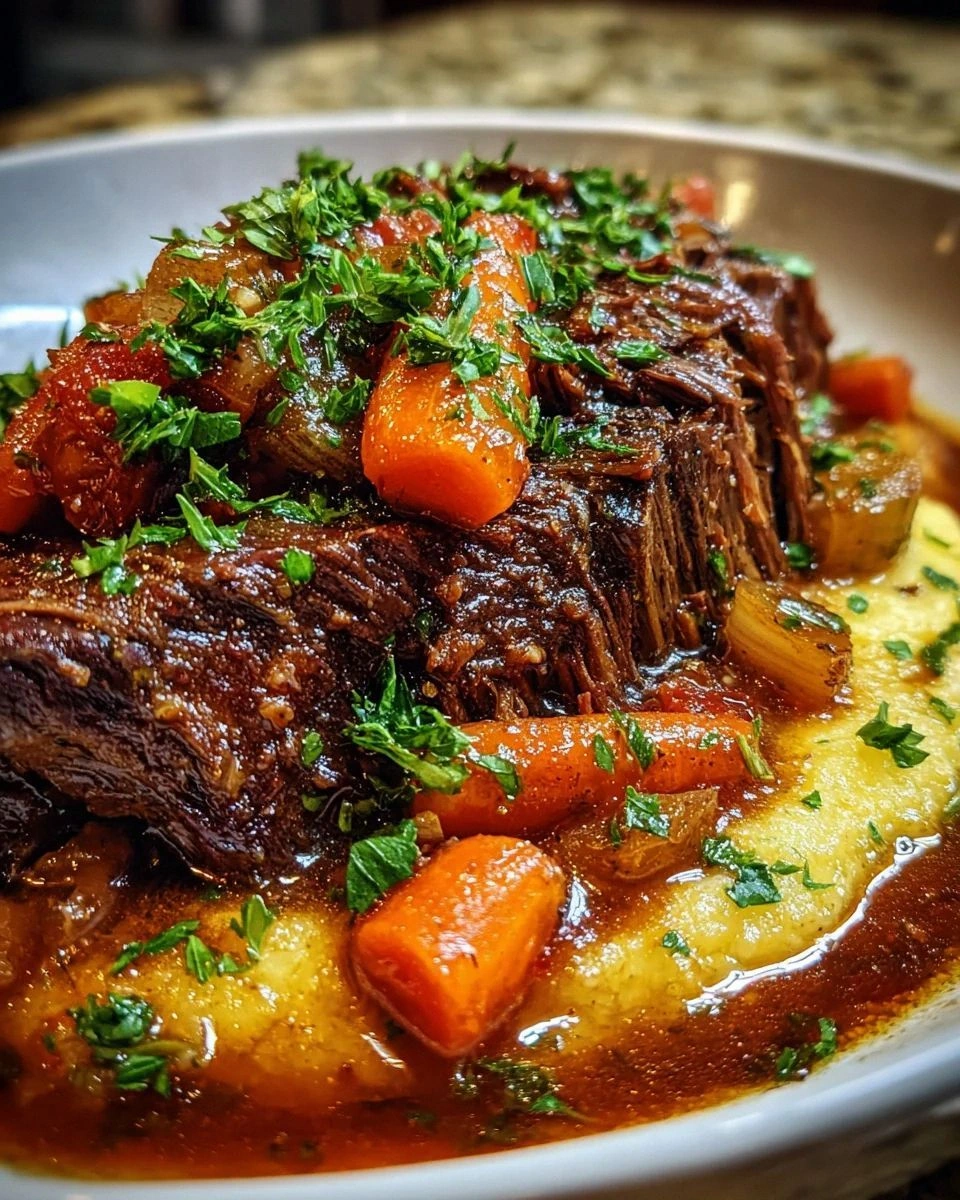
Serve the sliced stracotto over creamy polenta, buttery mashed potatoes, or a simple pappardelle. Garnish with a generous handful of chopped parsley and, if you like, a light dusting of grated Parmesan cheese. The final presentation should look like a rustic Italian masterpiece—rich, glossy sauce pooling around the meat, speckled with fresh green herbs. And now the fun part: dig in, savor, and watch everyone ask for seconds.
Insider Tricks for Flawless Results
The Temperature Rule Nobody Follows
Most home cooks crank the oven up to 350°F, thinking “more heat, faster cooking.” In reality, that high temperature will contract the muscle fibers and squeeze out moisture, leaving you with a dry roast. Keep the oven at a steady 300°F; the gentle heat breaks down collagen slowly, turning it into gelatin that coats the meat like silk. I once tried the 350°F shortcut and ended up with a piece of beef that felt like chewing on a rubber band—lesson learned.
Why Your Nose Knows Best
Your sense of smell is a more reliable indicator than a timer when it comes to braising. When the sauce starts to smell sweet, caramelized, and slightly fruity, you’re in the sweet spot. If you detect a burnt or overly acidic scent, it’s a sign to lower the heat or add a splash of broth. Trust that nose; it’s the culinary equivalent of a built‑in thermometer.
The 5‑Minute Rest That Changes Everything
After the long bake, the instinct is to carve immediately. Resist! Let the roast rest, loosely covered with foil, for at least five minutes. This short pause lets the juices settle back into the fibers, preventing them from spilling out when you slice. The result is a slice that stays juicy from edge to center, rather than a dry, crumbly slab.
Deglaze Like a Pro
When you deglaze the pan after searing, use a splash of the same grape juice you’ll later add to the braise. This not only lifts the caramelized bits but also reinforces the subtle fruit note throughout the sauce. The technique adds depth without extra work, and the sauce ends up with a cohesive flavor story.
Parmesan Power Boost
A final sprinkle of Parmesan isn’t just garnish; it adds a salty, nutty umami punch that brightens the entire dish. For a dairy‑free version, try a drizzle of toasted pine nuts or a sprinkle of nutritional yeast. The key is to finish with something that adds a little crunch and a burst of flavor right before serving.
Creative Twists and Variations
This recipe is a playground. Here are some of my favorite ways to switch things up:
Wine‑Lover’s Version
Swap the grape juice for a full cup of dry red wine and add a teaspoon of brown sugar. The wine deepens the earthy notes, while the sugar balances the acidity. Perfect for a dinner party where guests appreciate a more classic Italian profile.
Spicy Sicilian Spin
Add a pinch of red pepper flakes to the mirepoix and finish with a drizzle of extra‑virgin olive oil infused with crushed garlic. The heat gives the dish a bold kick, and the oil adds a fragrant finish that sings of Sicily.
Herb‑Heavy Harvest
Replace the dried oregano and thyme with fresh rosemary, sage, and a handful of fresh basil added during the last 30 minutes of cooking. The fresh herbs brighten the sauce and add a garden‑fresh aroma that’s perfect for spring gatherings.
Mushroom Medley
Stir in a cup of sliced cremini or porcini mushrooms after the vegetables have softened. The mushrooms soak up the sauce, adding an earthy depth that complements the beef and makes the dish even heartier.
Vegetarian “Stracotto”
Replace the beef with large cauliflower steaks or a mix of hearty root vegetables like parsnips and turnips. Use vegetable broth in place of beef broth, and the result is a plant‑based stew that still carries the comforting, umami‑rich profile of the original.
Storing and Bringing It Back to Life
Fridge Storage
Cool the stracotto to room temperature, then transfer it to an airtight container. It will keep for up to four days in the refrigerator. When reheating, add a splash of water or broth and gently warm on the stovetop over low heat, stirring occasionally to restore that silky texture.
Freezer Friendly
Portion the cooled stew into freezer‑safe bags or containers, leaving a little headspace for expansion. It freezes beautifully for up to three months. Thaw overnight in the fridge, then reheat as described above, adding a bit more broth if the sauce has thickened too much.
Best Reheating Method
The stovetop method is king: place the leftovers in a saucepan, add a tablespoon of water per cup of sauce, and heat over medium‑low, stirring gently. This gentle approach prevents the meat from drying out and keeps the sauce glossy. If you’re in a hurry, the microwave works, but cover the dish and stir halfway through to avoid hot spots.