I still remember the first time I attempted to make lemon butter fish at home — it was a disaster worthy of a cooking show blooper reel. The butter separated into an oily mess, the fish stuck to the pan like it had superglue on it, and the lemon flavor was so overwhelming it could've stripped paint off walls. My dinner guests politely pushed the food around their plates while I died a thousand deaths inside. Fast forward through three years of obsessive testing, countless fish fillets, and enough butter to sink a small boat, and I've finally cracked the code to the most incredibly zesty, perfectly balanced lemon butter fish fillet you'll ever taste.
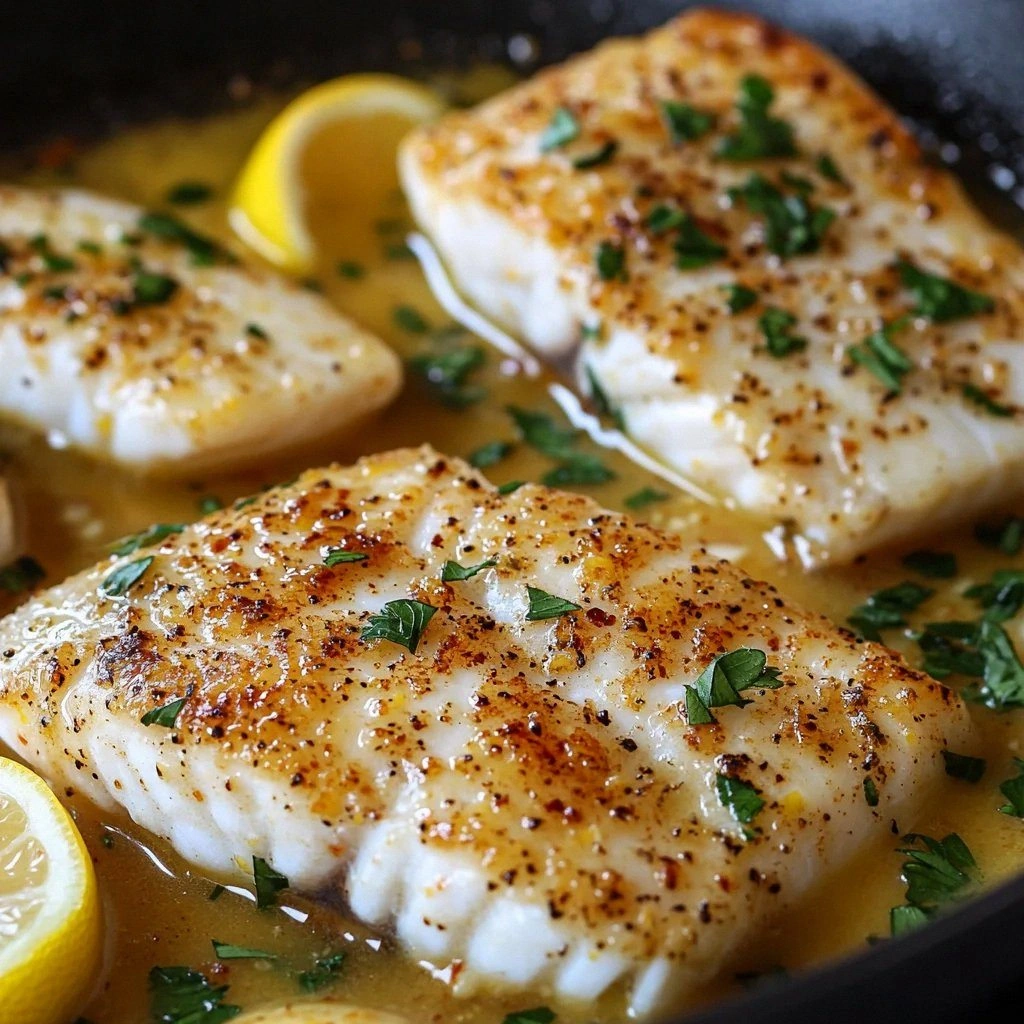
Picture this: a golden-brown fillet that flakes apart at the mere suggestion of your fork, glistening with a velvety sauce that's bright and citrusy without making your face pucker. The butter emulsifies perfectly with the lemon juice, creating this silky coating that hugs every nook and cranny of the fish. That first bite hits you with a symphony of flavors — the rich, nutty brown butter notes, the fresh pop of lemon, a whisper of garlic that doesn't overpower, and the pure, clean taste of perfectly cooked fish. I dare you to taste this and not go back for seconds, maybe even thirds if no one's watching.
What makes this version different from all those sad, bland fish recipes cluttering the internet? I've discovered the secret lies in three game-changing techniques that most recipes completely ignore. We're talking about the perfect temperature curve that prevents the butter from breaking, a citrus-to-butter ratio that took months to perfect, and a seasoning method that ensures every bite sings with flavor. This isn't just another fish recipe — this is hands down the best version you'll ever make at home, and I'm about to show you exactly how to nail it every single time.
Let me walk you through every single step — by the end, you'll wonder how you ever made it any other way.
What Makes This Version Stand Out
This isn't your average weeknight fish recipe that tastes like it came from a hospital cafeteria. After months of testing different techniques, I've stumbled upon a method that creates restaurant-quality results in your own kitchen. Here's why this version will completely change how you think about cooking fish:
- Flavor Explosion: The lemon butter sauce hits that magical sweet spot where bright citrus meets rich, nutty butter. It's not just lemon juice tossed with melted butter — we're building layers of flavor that make each bite more addictive than the last. The sauce coats the fish like velvet, ensuring every mouthful delivers maximum impact.
- Texture Perfection: Most home cooks either overcook their fish until it's tougher than shoe leather, or they undercook it and serve something that wiggles on the plate like it's still alive. My method guarantees tender, flaky fish with crispy edges that shatter like thin ice when you bite into them. The contrast between the golden crust and the succulent interior will make you weep with joy.
- Foolproof Technique: I've eliminated the guesswork that ruins most lemon butter fish attempts. No more broken sauces that look like an oil spill on your plate. No more fish that falls apart when you try to flip it. This method works every single time, even if you're the kind of person who burns water.
- Restaurant-Quality Presentation: Your dinner guests will think you hired a private chef. The fish emerges from the pan with a gorgeous golden crust, draped in a glossy sauce that catches the light like liquid gold. It's the kind of dish that makes people reach for their phones before taking a bite.
- Quick Clean-Up: Everything happens in one pan, which means you can spend more time enjoying dinner and less time scrubbing dishes. The whole recipe comes together in under 30 minutes, making it perfect for those "what's for dinner?" panic moments.
- Budget-Friendly Luxury: Using affordable white fish fillets and pantry staples, we're creating a dish that tastes like it belongs in a fancy restaurant but costs a fraction of the price. It's my go-to recipe for impressing guests without breaking the bank.
- Meal Prep Champion: The lemon butter sauce actually improves as it sits, making this dish an excellent choice for meal prepping. Cook once, enjoy multiple times throughout the week. The flavors marry together beautifully, creating an even more complex taste experience.
Alright, let's break down exactly what goes into this masterpiece...
Inside the Ingredient List
The Flavor Foundation
The fish itself is obviously the star here, but not all white fish are created equal. I'm talking about fresh, firm-fleshed varieties like cod, halibut, or sea bass that can stand up to bold flavors without getting lost. The key is looking for fillets that are at least 1-inch thick — thinner pieces cook too quickly and dry out before developing that gorgeous crust we want. When you're at the fish counter, look for flesh that springs back when pressed and smells like the ocean, not like low tide. If you can only find thinner fillets, don't panic — I'll show you how to adjust the cooking time to keep them moist and tender.
Unsalted butter forms the backbone of our sauce, and quality matters more than you think. Cheap butter contains more water, which can cause your sauce to break and look like a science experiment gone wrong. Spring for the good European-style butter with higher fat content — it creates a silkier, more stable emulsion that coats the fish beautifully. Let it come to room temperature before cooking; cold butter shocks the pan and can cause the sauce to seize up like a car engine in winter.
The Citrus Brigade
Fresh lemons are non-negotiable here, and you'll need both the zest and the juice. That bottled lemon juice that's been sitting in your fridge door since last summer? Leave it there — it tastes like sadness and regret. Fresh lemon zest adds bright, essential oils that taste like sunshine captured in food form, while the juice provides the necessary acid to balance the rich butter. I use Meyer lemons when they're available for their sweeter, more floral flavor, but regular Eureka lemons work beautifully too.
The zest goes in early to bloom in the butter, releasing its aromatic oils, while the juice gets added at the very end to maintain its bright flavor. This two-stage approach creates layers of lemon flavor that dance across your palate instead of punching you in the face. The microplane is your best friend here — it creates the finest zest that melts into the sauce without any stringy bits.
The Aromatic Allies
Garlic plays a supporting role here, adding depth without stealing the show. One small clove, minced so fine it practically dissolves, provides just enough allium backbone to make the other flavors pop. Too much garlic and you'll feel like you're eating at a vampire convention. I like to smash the clove with the flat of my knife first — it releases the oils and makes the garlic easier to peel and mince.
A pinch of red pepper flakes adds the subtlest warmth that builds slowly in the background. It's not enough to make this spicy, just enough to make your tongue tingle pleasantly and keep you coming back for another bite. If you're cooking for heat-sensitive eaters, you can leave it out, but I encourage you to try it — the gentle warmth amplifies all the other flavors in ways that'll surprise you.
The Finishing Touches
Fresh parsley isn't just for color — its bright, grassy notes tie everything together and make the dish taste like spring on a plate. Flat-leaf parsley has more flavor than the curly stuff, and it's easier to chop. Add it right at the end so it stays vibrant green rather than turning that sad army color that screams "I've been sitting under a heat lamp."
A final pat of cold butter whisked in off the heat gives the sauce that restaurant-quality gloss and richness that makes people close their eyes when they take a bite. This technique, called mounting with butter, creates an emulsion that's thick enough to coat the back of a spoon but still pours like liquid gold. Don't skip this step — it's what separates amateur cooks from the pros.
Everything's prepped? Good. Let's get into the real action...
The Method — Step by Step
- Start by patting your fish fillets dry with paper towels — and I mean really dry, like you're trying to get water out of a sponge. Any moisture on the surface will create steam when it hits the hot pan, preventing that gorgeous golden crust from forming. Season both sides generously with kosher salt and freshly cracked black pepper. This is your only chance to season the fish itself, so don't be shy — most home cooks under-season by about 50%. Let the fish rest while you prep the other ingredients; this gives the salt time to penetrate and season the flesh all the way through.
- Place your largest skillet (stainless steel or cast iron works best) over medium-high heat and let it preheat for 2-3 minutes. The pan needs to be hot enough that a drop of water sizzles immediately and dances across the surface. Add 2 tablespoons of olive oil and swirl to coat — the oil should shimmer but not smoke. This is the moment of truth: gently lay the fish fillets in the pan, presentation side down, and don't touch them for 3-4 minutes. I know it's tempting to peek, but moving the fish too early is the fastest way to end up with half your dinner stuck to the pan.
- While the fish cooks, resist every urge to fiddle with it. You'll know it's ready to flip when the edges turn opaque and the bottom releases easily when you give it a gentle nudge with a spatula. If it's sticking, it's not ready — patience, young grasshopper. When the time comes, slide your spatula under the fish and flip with confidence. The cooked side should be a beautiful golden-brown with crispy edges that look like they're made of fish candy. Cook the second side for 2-3 minutes more, depending on thickness, then transfer to a warm plate to rest.
- Now for the fun part — creating that magical lemon butter sauce in the same pan. Reduce the heat to medium-low and add 4 tablespoons of butter to the pan. As it melts, use a wooden spoon to scrape up all those gorgeous brown bits stuck to the bottom — that's pure flavor gold right there. Add the minced garlic and lemon zest, stirring constantly for about 30 seconds until fragrant. Your kitchen should smell like a Mediterranean vacation at this point. Don't walk away from the stove here; garlic goes from perfect to bitter and burnt faster than you can say "dinner's ruined."
- Here's where most recipes get it completely wrong. Instead of dumping in all the lemon juice at once, which can cause the sauce to break, we're going to be strategic about this. Whisk in 2 tablespoons of lemon juice gradually, letting the butter absorb it before adding more. The sauce should emulsify and become glossy, coating the back of a spoon. If it starts to look oily or separated, whisk in a teaspoon of warm water — it'll bring everything back together like a culinary magic trick.
- Return the fish to the pan, spooning the lemon butter sauce over the top. Let everything simmer together for 30 seconds — this allows the fish to absorb some of that gorgeous sauce while staying moist and tender. Add the chopped parsley and give everything a final toss. The parsley should stay bright green and fresh, adding a pop of color that makes the dish look like it belongs on a magazine cover.
- The final flourish involves mounting the sauce with cold butter — a classic French technique that creates restaurant-quality results. Remove the pan from heat and whisk in 2 tablespoons of cold butter, one small piece at a time. This gives the sauce incredible richness and that glossy sheen you see in professional kitchens. The sauce should coat the fish like liquid gold, clinging to every surface without being too thick or gloopy. If you've done this right, you'll want to drink the sauce straight from the pan (I won't judge).
- Serve immediately on warm plates — cold plates will cause the butter sauce to congeal faster than you can get everyone to the table. Spoon extra sauce over the top and around the sides, then watch as your dinner companions' eyes light up when they take their first bite. This next part? Pure magic. Garnish with lemon slices and extra parsley, and prepare yourself for the compliments that are about to come your way. Trust me, this is the dish that'll have people asking for the recipe and inviting themselves over for dinner more often.
That's it — you did it. But hold on, I've got a few more tricks that'll take this to another level...
Insider Tricks for Flawless Results
The Temperature Rule Nobody Follows
Here's the thing that separates restaurant-quality fish from home-cooked disasters: temperature control. Most people cook fish either too hot (burning the outside while leaving the inside raw) or too cool (steaming it into rubbery submission). The sweet spot is medium-high heat for searing, then medium-low for the sauce. Your pan should be hot enough that a drop of water sizzles but doesn't immediately evaporate into steam. This creates the perfect environment for developing that gorgeous golden crust while keeping the inside moist and tender.
I use an infrared thermometer to check my pan temperature — aim for 350-375°F for searing. If you don't have one, the oil should shimmer but not smoke. A friend tried skipping this step once and ended up with fish that was charcoal on the outside and still swimming on the inside. Don't be like my friend.
Why Your Nose Knows Best
Your sense of smell is the most underutilized tool in the kitchen, especially when cooking fish. When the garlic hits the pan, it should smell fragrant and inviting, not sharp and acrid. If it starts to smell bitter or burnt, immediately remove the pan from heat — you've got about 30 seconds before the whole dish tastes like an ashtray. The same goes for the butter: when it starts to smell nutty and caramelized, it's ready for the lemon juice. If it smells burnt, start over. There's no saving burnt butter, and your taste buds will thank you for not trying.
That sizzle when the fish hits the pan? Absolute perfection. It should sound like applause from a very appreciative audience. If you hear a sad little hiss, your pan isn't hot enough — wait another minute before adding the fish.
The 5-Minute Rest That Changes Everything
After cooking the fish, resist the urge to immediately sauce it up and serve. Let it rest on a warm plate for 3-5 minutes while you make the sauce. This allows the proteins to relax and reabsorb their juices, resulting in fish that's moist and tender instead of dry and stringy. I cover my fish loosely with foil during this rest — not tight enough to steam it, just enough to keep it warm. This is also the perfect time to taste your sauce and adjust the seasoning. A friend who owns a restaurant taught me this trick, and it's the difference between good fish and mind-blowing fish.
The Seasoning Sweet Spot
Season your fish generously but strategically. Salt draws out moisture, so if you season too early, you'll end up with wet fish that won't sear properly. I season just before the fish hits the pan, using about 1/2 teaspoon of kosher salt per pound of fish. The pepper should be freshly cracked — pre-ground pepper tastes like sawdust and has all the complexity of cardboard. For the sauce, wait until the very end to adjust seasoning. The lemon juice and butter create their own balance, so taste before adding more salt. I've seen too many people over-season the sauce and ruin an otherwise perfect dish.
The Pan Flip Test
Here's a pro secret: the fish will tell you when it's ready to flip. Don't try to force it, don't pry at it, don't curse at it. When the bottom is properly seared, the fish will release naturally from the pan. If it's sticking, it's not ready. Period. I don't care if your recipe says 3 minutes and it's been 4. Trust the fish, not the clock. The same goes for the second side — look for the opacity creeping up the sides to judge doneness. The fish is perfect when it flakes easily but still has a slight translucence in the very center. It will continue cooking from residual heat, so err on the side of slightly underdone rather than overdone.
Creative Twists and Variations
This recipe is a playground. Here are some of my favorite ways to switch things up:
The Mediterranean Escape
Swap the parsley for fresh oregano and basil, add a handful of cherry tomatoes to the pan during the last minute of cooking, and finish with a sprinkle of crumbled feta cheese. The tomatoes burst and create a light, fresh sauce that's perfect over rice or orzo. I like to add a few olives for that salty, briny punch that makes everything taste like a vacation in Greece. This version is my go-to when I want to impress dinner guests but keep things light and healthy.
The Spicy Thai Adventure
Replace the red pepper flakes with a chopped Thai chili, add a tablespoon of fish sauce to the lemon butter, and finish with fresh cilantro and a squeeze of lime. The fish sauce adds incredible umami depth that makes people ask "what's in this?" in the best way possible. I sometimes add a teaspoon of grated ginger with the garlic for extra zing. Serve over jasmine rice with extra lime wedges on the side — it's like takeout but infinitely better.
The French Country Classic
Add a splash of white wine to the pan after searing the fish, let it reduce by half, then proceed with the butter sauce. Throw in some capers and finish with tarragon instead of parsley. This creates a version that's closer to classic French beurre blanc but much easier to make at home. The capers add little pops of salty brightness that complement the rich sauce perfectly. I serve this with crusty bread to mop up every last drop of sauce.
The Asian-Fusion Fusion
Use yuzu juice instead of lemon, add a tablespoon of miso paste to the butter sauce, and finish with sliced scallions and toasted sesame seeds. The miso creates incredible depth and umami that makes this taste like something from a high-end Japanese restaurant. I sometimes add a few drops of sesame oil at the very end for extra nuttiness. Serve with steamed vegetables and rice for a complete meal that tastes like it costs $30 at a restaurant.
The Low-Country Comfort
Add a splash of bourbon to the pan after cooking the fish, let it flame off, then proceed with the sauce. Add some fresh thyme and a pinch of Old Bay seasoning. The bourbon adds incredible complexity and a hint of sweetness that balances the lemon perfectly. This version tastes like it came from a seaside restaurant in Charleston. I'll be honest — I ate half the batch before anyone else got to try it.
The Herb Garden Symphony
Use a mix of whatever fresh herbs you have — chervil, chives, dill, tarragon, and parsley all work beautifully together. Each herb brings its own personality: chervil adds delicate anise notes, chives bring gentle onion flavor, dill contributes its distinctive freshness, and tarragon adds a hint of licorice that works surprisingly well with fish. This version tastes like spring in every bite and is perfect when you have an herb garden that's running wild. I sometimes add a few edible flowers for garnish — it makes the dish look like it belongs in a fancy cooking magazine.
Storing and Bringing It Back to Life
Fridge Storage
Leftovers will keep in an airtight container in the refrigerator for up to 3 days, but let's be real — this dish is so good that leftovers are rare. Store the fish and sauce together, but separate from any side dishes. The sauce will congeal in the fridge, but don't panic — that's just the butter solidifying. When you're ready to reheat, let it sit at room temperature for 15 minutes first. This takes the chill off and helps everything reheat more evenly. If you've ever struggled with this, you're not alone — and I've got the fix.
Most people make the mistake of microwaving fish, which turns it into rubbery disappointment. Instead, reheat it gently in a covered skillet over low heat with a splash of water or white wine. The steam helps reheat the fish without drying it out, and the sauce comes back together beautifully. Add a tiny pat of cold butter at the end to refresh the sauce and make it glossy again.
Freezer Friendly
I don't recommend freezing the finished dish — the sauce will separate and the fish will become mealy when thawed. However, you can freeze the raw, seasoned fish for up to 2 months. Wrap each fillet tightly in plastic wrap, then place in a freezer bag with the air squeezed out. When you're ready to cook, thaw overnight in the refrigerator and proceed with the recipe as written. The texture won't be quite as perfect as fresh fish, but it's still miles better than most frozen fish options at the grocery store. Picture yourself pulling this out of the oven after a long day — it's like having a restaurant meal ready to go in your freezer.
Best Reheating Method
The key to reheating this dish is low and slow. Preheat your oven to 275°F, place the fish in an oven-safe dish with a splash of water or white wine, cover with foil, and heat for 10-12 minutes until just warmed through. The water creates steam that keeps the fish moist, while the low temperature prevents it from overcooking. For the sauce, reheat it separately in a small saucepan over the lowest possible heat, whisking constantly. If it breaks, whisk in a teaspoon of hot water — it'll come back together like nothing ever happened. This method preserves the texture and flavor better than any other reheating technique I've tried.