I was standing in my kitchen on a cold December afternoon, staring at a half‑baked loaf that smelled like a failed experiment and wondering why every holiday bread I’d ever tried turned out either dry as a desert or soggy like a rain‑soaked mitten. I had just rescued a batch of fresh‑picked cranberries from the freezer, and a daring friend had dared me to “make something that actually makes people say wow.” I accepted, because honestly, I love a good culinary challenge—especially when it involves butter, sugar, and a splash of vanilla. The result? A loaf that makes the whole house feel like a cozy cabin on a snowy night, with flavors that hug your palate like a warm blanket.
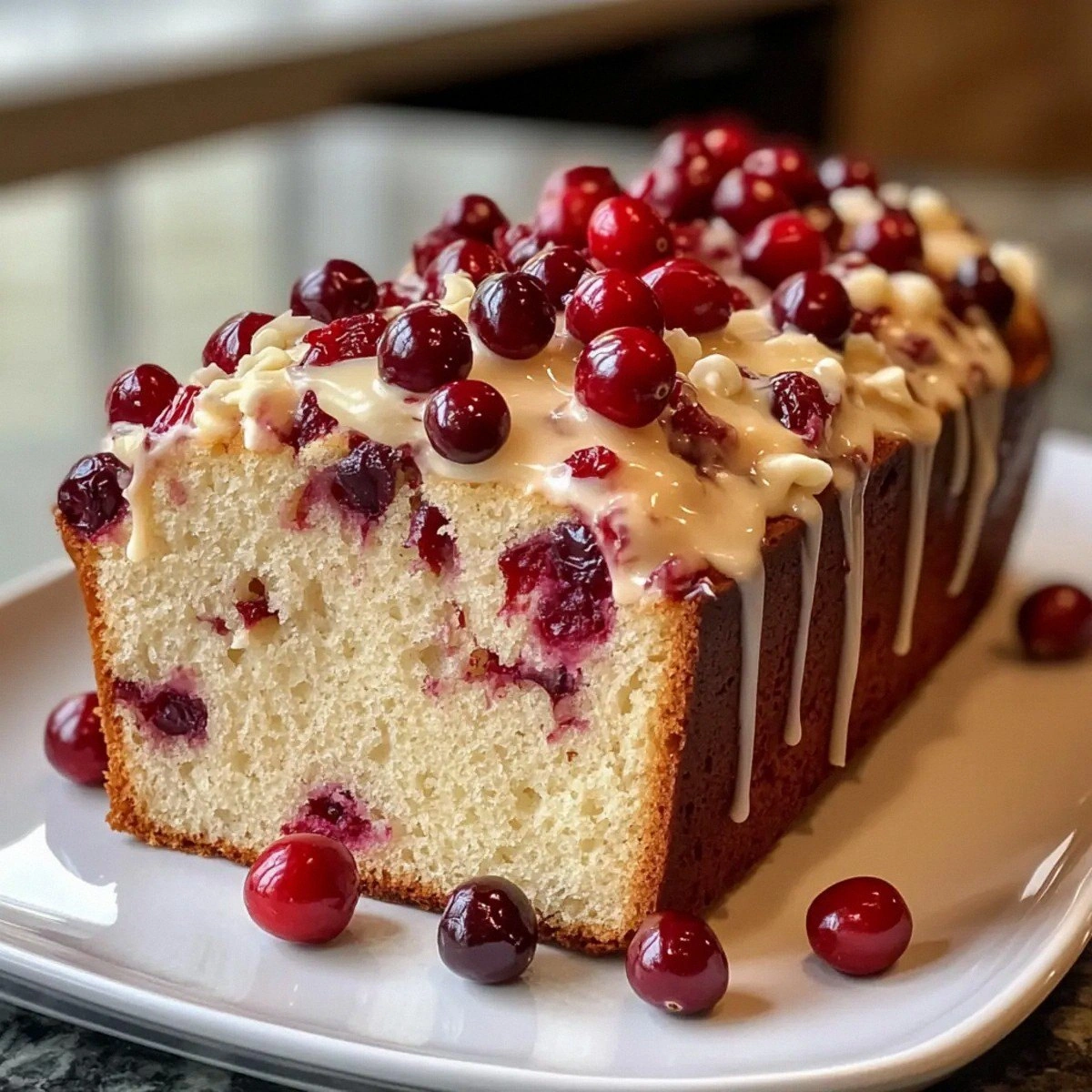
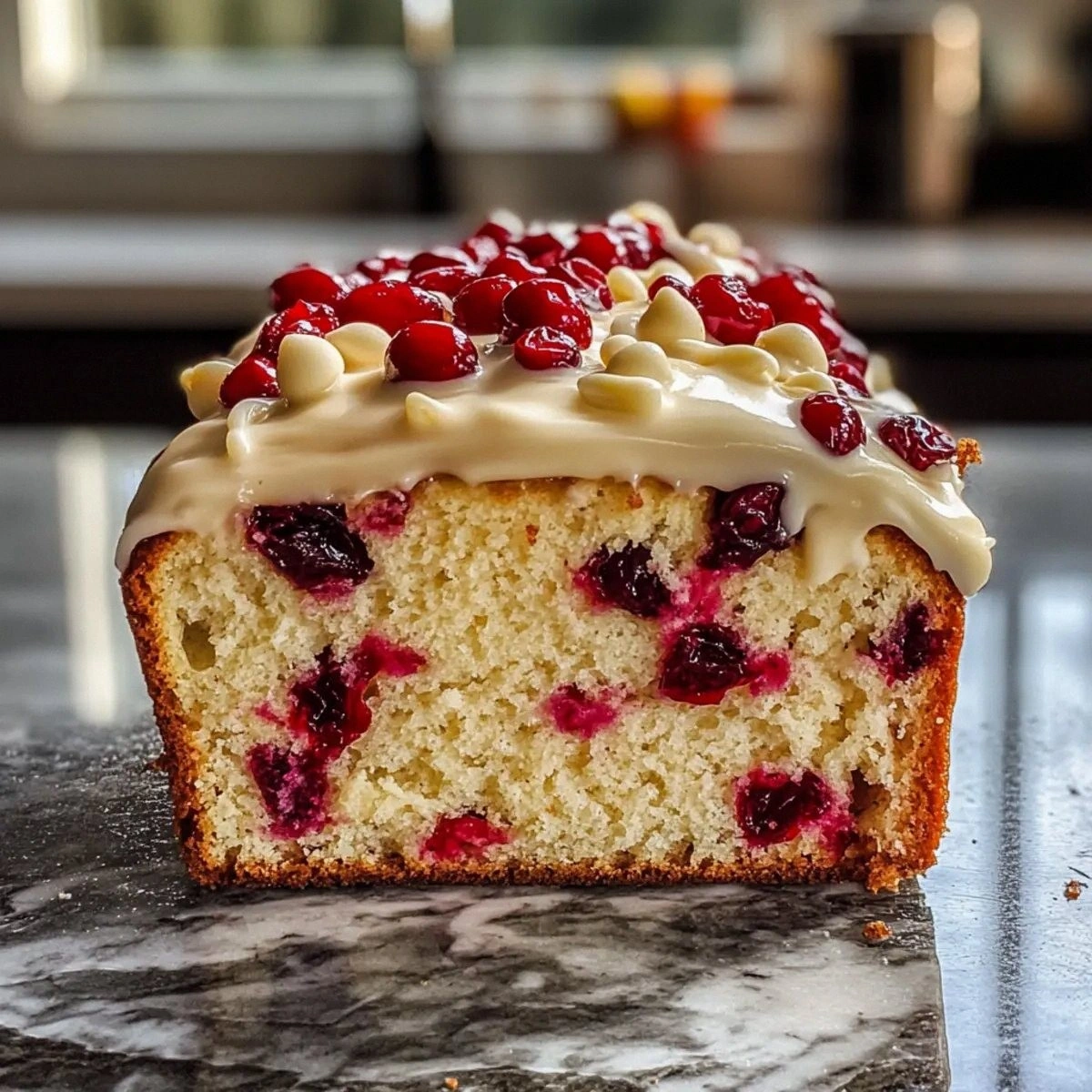
Picture this: the moment you open the oven, a wave of sweet‑tart aroma hits you, a blend of toasted cranberries, buttery crumb, and a whisper of white chocolate that makes your eyes water a little. The crust is golden‑brown, just the right amount of crisp, while the interior is tender, speckled with ruby‑red cranberries that burst with juicy zing. When you slice into it, steam rises like a gentle fog, and the crumb reveals pockets of melted white chocolate that melt in your mouth like clouds of sugar. The taste is a perfect balance—tart cranberries, sweet buttery dough, and a subtle vanilla finish that lingers just long enough to make you reach for another slice.
Most holiday breads either over‑sweeten or under‑season, and they often neglect the texture that makes a loaf truly unforgettable. This version stands out because it combines the heartiness of whole‑wheat flour with the lightness of all‑purpose flour, creating a crumb that’s both sturdy enough to hold the cranberries and airy enough to melt on your tongue. I threw in white chocolate chips, a secret weapon that adds a creamy surprise in every bite, and a simple glaze that turns the crust into a glossy, snow‑kissed finish. If you’ve ever struggled with a dense, gummy loaf, you’re not alone—and I’ve got the fix right here.
And here’s the kicker: the technique I use to fold the cranberries and chocolate into the batter is a game‑changer, ensuring they stay evenly distributed without sinking to the bottom. I’ll also reveal a little hack involving buttermilk that gives the bread a subtle tang while keeping it moist for days. I dare you to taste this and not go back for seconds. Let me walk you through every single step — by the end, you’ll wonder how you ever made it any other way.
What Makes This Version Stand Out
- Taste: The tangy cranberries cut through the buttery sweetness, while the white chocolate adds a luxurious melt‑in‑your‑mouth moment that feels like a holiday miracle.
- Texture: A crisp, caramelized crust gives way to a tender, airy crumb studded with juicy fruit and creamy chips—no gummy or dry spots.
- Simplicity: Only ten ingredients, most of which you already have on hand, and a straightforward mixing method that even a novice can master.
- Uniqueness: The combination of whole‑wheat flour and a buttermilk‑based batter is rare in holiday breads, delivering a subtle tang that brightens the flavor profile.
- Crowd Reaction: Friends and family will declare it the star of the table, often asking for the recipe before the first slice is even served.
- Ingredient Quality: Using high‑quality unsalted sweet cream butter and fresh dried cranberries makes a world of difference in flavor depth.
- Cooking Method: Baking in a loaf pan with a steam‑boost technique ensures a moist interior and a glossy, crackly top.
- Make‑Ahead Potential: This bread freezes beautifully, and the glaze can be applied after reheating for a fresh‑out‑of‑the‑oven look.
Inside the Ingredient List
The Flavor Base
All‑purpose flour (2 cups) provides the structure you expect from a classic quick bread, while whole‑wheat flour (1 cup) adds a nutty depth that makes the loaf feel wholesome. If you swapped the whole‑wheat for more all‑purpose, you’d lose that subtle earthiness that balances the sweet cranberries. For the best results, sift both flours together with the leavening agents to ensure a uniform texture. Tip: Look for flour that’s labeled “unbleached” for a slightly richer flavor.
Baking soda (1 tsp) and baking powder (1 tsp) work together to give the loaf its lift; the soda reacts with the acidity of the buttermilk, while the powder provides a steady rise. Skipping either will result in a dense, heavy loaf that feels more like a brick than a treat. If you’re out of baking soda, you can substitute with an extra ½ tsp of baking powder, but the tang from the buttermilk will be less pronounced.
The Texture Crew
Unsalted sweet cream butter (½ cup) is melted and creamed with sugar, creating a tender crumb that’s rich without being greasy. Using unsalted butter lets you control the salt level precisely; if you use salted butter, reduce the added kosher salt by half. The sugar (1 cup) not only sweetens but also contributes to the caramelized crust. For a deeper flavor, you could swap half the white sugar for brown sugar, which adds a hint of molasses.
The eggs (2 large) act as binders and add moisture. If you’re baking for a friend with an egg allergy, try using a flax‑egg (1 tbsp ground flaxseed + 3 tbsp water) per egg; the texture will be slightly denser but still delicious. The pure vanilla extract (2 tsp) infuses the batter with aromatic warmth that pairs perfectly with the cranberries.
The Unexpected Star
Buttermilk (1 cup) is the secret weapon that gives the loaf a gentle tang and keeps it moist for days. Its acidity reacts with the baking soda, creating tiny air pockets that make the crumb airy. If you don’t have buttermilk, mix 1 cup of milk with 1 tbsp of lemon juice or white vinegar and let it sit for 5 minutes.
Dried cranberries (1 cup) are the holiday hero—tart, chewy, and bursting with flavor. Rinse them briefly before using to remove excess sugar, then pat dry. This prevents the loaf from becoming overly sweet and ensures the berries stay plump. White chocolate chips (1 cup) melt into pockets of creamy sweetness that contrast beautifully with the cranberries. If you prefer a darker note, try swapping half the white chocolate for dark chocolate chips.
The Final Flourish
The glaze is a simple mix of powdered sugar (1 cup), vanilla extract (1 tsp), and milk (2 tbsp). It creates a glossy, snow‑like coating that adds a final touch of sweetness without overwhelming the loaf. If you want a richer glaze, substitute half the milk with heavy cream; the glaze will be thicker and more decadent.
Everything’s prepped? Good. Let’s get into the real action…
The Method — Step by Step
Preheat your oven to 350°F (175°C) and grease a 9×5‑inch loaf pan with a thin layer of butter, then dust with a little flour. This prevents sticking and gives the crust a head start on browning. I always tap the pan on the counter to settle the butter evenly—no clumps, no uneven spots.
In a large mixing bowl, whisk together the all‑purpose flour, whole‑wheat flour, baking soda, baking powder, and kosher salt. This dry mix is the backbone of the bread; whisking it first ensures the leavening agents are evenly distributed. When you’re done, set the bowl aside and give yourself a mental high‑five—you’ve just avoided the dreaded “pocket of soda” problem.
In a separate saucepan, melt the unsalted butter over low heat, then stir in the sugar until it dissolves into a glossy syrup. Once it’s combined, remove from heat and let it cool for a minute. Watch Out: If the butter is too hot, it will scramble the eggs later, ruining the texture.
Beat the two large eggs in a medium bowl, then whisk in the pure vanilla extract and buttermilk. The mixture should look slightly frothy. Add the melted butter‑sugar mixture and whisk until smooth—this is where the batter becomes silky, like a satin sheet.
Combine the wet and dry ingredients, folding gently with a rubber spatula. Stop mixing as soon as you see no dry flour streaks; over‑mixing will develop gluten and make the crumb tough. At this point, the batter should be thick but pourable.
Fold in the dried cranberries and white chocolate chips using a gentle “cut and fold” motion. The berries should be evenly speckled throughout; if you see clumps at the bottom, tilt the bowl and lift the batter to redistribute.
Kitchen Hack: Toss the berries and chips with a teaspoon of flour before folding; this coats them and prevents sinking.Pour the batter into the prepared loaf pan, smoothing the top with a spatula. Place a shallow pan of hot water on the lower rack of the oven to create steam; this helps the crust develop that coveted crackly finish. Close the oven door quickly—don’t let the steam escape.
Bake for 30‑35 minutes, or until a toothpick inserted into the center comes out clean and the top is a deep golden brown. Around the 20‑minute mark, rotate the pan 180° for even browning. The aroma at this stage is a signal that you’re about to create something magical.
While the bread is cooling on a wire rack, whisk together the powdered sugar, vanilla extract, and milk for the glaze. Adjust the consistency with a splash more milk if it’s too thick; you want it to drizzle, not pool.
When the loaf is just warm (about 10 minutes out of the oven), drizzle the glaze over the top, letting it cascade down the sides. Let the glaze set for a few minutes before slicing. This final step transforms the loaf into a glossy, holiday‑ready centerpiece.
That’s it — you did it. But hold on, I’ve got a few more tricks that’ll take this to another level. Stay with me here — this is worth it.
Insider Tricks for Flawless Results
The Temperature Rule Nobody Follows
Always bring your butter, eggs, and buttermilk to room temperature before mixing. Cold ingredients can cause the batter to seize, leading to a dense crumb. I keep the butter on a warm plate for a few minutes and let the eggs sit out while the oven preheats. This tiny step guarantees a uniform batter that rises evenly.
Why Your Nose Knows Best
When the loaf is about 20 minutes into baking, you’ll notice a sweet, buttery scent that’s unmistakable. That’s your cue to rotate the pan for even browning. Trusting your sense of smell is more reliable than a timer alone, especially if your oven runs hot or cool.
The 5‑Minute Rest That Changes Everything
After removing the bread from the oven, let it rest in the pan for exactly five minutes before turning it out onto a rack. This short rest lets the steam finish cooking the interior gently, preventing a gummy bottom. A friend once skipped this step and ended up with a soggy base—let’s just say the loaf didn’t get any applause.
Glaze Timing Mastery
Apply the glaze while the loaf is still warm but not piping hot; this ensures the glaze spreads smoothly without melting away. If you wait too long, the glaze will just sit on top and harden, losing that beautiful sheen. A quick tip: set a timer for 10 minutes after the loaf comes out, then start glazing.
The Secret of the Steam
Placing a shallow pan of hot water on the oven floor during the first half of baking creates a humid environment. This steam delays crust formation just long enough for the loaf to expand fully, resulting in a higher rise and a tender crumb. If you forget the water, the loaf will still be good, but the top won’t have that coveted crackle.
Creative Twists and Variations
This recipe is a playground. Here are some of my favorite ways to switch things up:
Orange‑Zest Cranberry Delight
Add the zest of one orange to the batter and swap half the white chocolate chips for dark chocolate chunks. The citrus brightens the tartness of the cranberries, while the dark chocolate adds a sophisticated bitterness that adult palates adore.
Maple‑Pecan Crunch
Replace the white chocolate chips with toasted pecans and stir in 2 tablespoons of pure maple syrup with the butter‑sugar mixture. The result is a caramel‑like crunch that pairs perfectly with the cranberry’s zing, making it an ideal addition to a Thanksgiving spread.
Spiced Chai Infusion
Mix 1 teaspoon of ground chai spice blend (cinnamon, cardamom, ginger, clove) into the dry ingredients, and swap the vanilla glaze for a honey‑lemon drizzle. This gives the loaf a warm, aromatic profile that feels like a hug on a cold day.
Vegan Friendly Version
Swap the butter for coconut oil, use flax‑eggs (1 tbsp ground flaxseed + 3 tbsp water per egg), and replace the dairy milk in the glaze with almond milk. The texture remains moist, and the flavor stays true to the original, proving that you don’t need animal products to create holiday magic.
Mini Loaf Pops
Divide the batter among muffin tins and bake for 20‑22 minutes. Once cooled, drizzle each mini loaf with the glaze and sprinkle extra cranberries on top. These bite‑size versions are perfect for holiday parties where guests want a quick, handheld treat.
Storing and Bringing It Back to Life
Fridge Storage
Wrap the cooled loaf tightly in plastic wrap or store it in an airtight container. It will stay fresh for up to five days in the refrigerator. Before serving, let it sit at room temperature for 20 minutes to regain its soft crumb.
Freezer Friendly
Slice the loaf, then wrap each piece in parchment paper followed by a layer of foil. Freeze for up to three months. When you’re ready to enjoy, pop a slice in the microwave for 30 seconds or warm in a 300°F oven for 8‑10 minutes.
Best Reheating Method
To revive a refrigerated or thawed loaf, preheat your oven to 325°F, place the bread on a baking sheet, and add a tiny splash of water (about a teaspoon) to the crust. Cover loosely with foil and heat for 10‑12 minutes. The added moisture creates steam that restores the crumb’s tenderness while the glaze re‑glosses itself.