I'll confess something that might get me banned from certain Italian kitchens — I used to think cauliflower risotto was a sad consolation prize for people who couldn't handle the real deal. There, I said it. But then one rainy Tuesday, with nothing but a head of cauliflower threatening to turn into a science experiment in my fridge and a serious craving for something creamy and comforting, I decided to prove myself wrong. What happened next in that steamy kitchen of mine was nothing short of magic, the kind that makes you dance around in your socks while stirring and wonder why nobody told you cauliflower could taste this ridiculously good.
Picture this: the rain tapping against your windows like nature's percussion, your favorite playlist humming in the background, and the most incredible aroma filling your kitchen — buttery, nutty, slightly sweet with hints of garlic and wine. That's what you're signing up for today. The cauliflower transforms into these tender little pearls that soak up all the glorious flavors, creating a dish so luxuriously creamy you'd swear there's a mountain of cheese hiding in there (spoiler alert: there's not). The edges get beautifully caramelized, adding these deep, complex flavors that make each bite feel like discovering a secret.
What makes this version the absolute game-changer you've been waiting for? We're talking about a technique that coaxes every ounce of flavor from humble vegetables, creating layers upon layers of taste that'll make your taste buds do backflips. No more mushy cauliflower disasters or bland, disappointing results that taste like hospital food. This is the kind of dish that makes vegetarians high-five omnivores and convinces picky eaters that maybe, just maybe, vegetables aren't trying to ruin their lives after all.
Okay, ready for the game-changer? We're going to roast half the cauliflower until it's golden and caramelized, then blend the other half into a silky puree that creates this incredible texture base. Trust me on this — it's the difference between good and "holy cow, did I really make this?" Let me walk you through every single step — by the end, you'll wonder how you ever made it any other way.
What Makes This Version Stand Out
Flavor Bomb: Most recipes steam or boil cauliflower into submission, but we're roasting half of it until the edges turn deep amber and nutty, then pureeing the rest into a velvety base. This creates layers of flavor — sweet, caramelized notes dancing with fresh, clean cauliflower essence in every single bite.
Texture Paradise: Forget everything you know about cauliflower's reputation for being mushy or boring. We're creating these delightful little nuggets that pop between your teeth while the rice gets perfectly al dente, all suspended in a sauce so creamy you'll swear there's heavy cream involved (there's not).
Weeknight Hero: Despite tasting like you spent hours in the kitchen, this entire dish comes together in under 45 minutes. The roasting happens while you're prepping everything else, and the active cooking time is just 20 minutes of stirring while you sip wine and pretend you're on a cooking show.
Restaurant Quality: This isn't some sad diet food — it's the kind of dish that would make a Michelin-starred chef nod approvingly. The technique we're using creates a depth of flavor that most home cooks never achieve, with those beautiful caramelized bits adding umami that makes people close their eyes in happiness.
Crowd-Pleasing Magic: I've served this to die-hard carnivores who claimed they could never love a vegetable, picky children who normally treat cauliflower like poison, and food snobs who turn their noses up at anything "healthy." Every single one of them went back for seconds, and most asked for the recipe.
Ingredient Integrity: We're not hiding the cauliflower under a mountain of cheese or cream. Instead, we're celebrating its natural sweetness and nuttiness, enhancing it with just enough supporting players to make it shine. Think of it as cauliflower's coming-out party, not its witness protection program.
Make-Ahead Friendly: Unlike traditional risotto that must be served immediately, this beauty can be partially prepared ahead and finished just before serving. The cauliflower puree can be made days in advance, and the roasted bits keep their crunch for hours. Game changer for dinner parties!
Alright, let's break down exactly what goes into this masterpiece...
Inside the Ingredient List
The Flavor Foundation
The star of our show is obviously the cauliflower, but not just any cauliflower will do. You want a head that feels heavy for its size with tight, creamy white florets and fresh green leaves. Avoid anything with brown spots or that smells like last week's leftovers — freshness is absolutely crucial here because we're letting cauliflower be the hero, not covering up its flaws. When selecting your cauliflower, give it a gentle squeeze; it should feel firm and dense, never hollow or lightweight. The size matters too — a medium head (about 2 pounds) gives us the perfect ratio of roasted bits to creamy puree.
Arborio rice is non-negotiable for the proper risotto experience, despite what some internet rebels might tell you. Those short, plump grains contain just the right amount of starch to create that signature creamy texture without turning into mush. The amylopectin starch in Arborio is what releases during cooking, creating that magical creaminess that makes risotto so addictive. Don't even think about substituting with long-grain rice — you'll end up with a sad, separated mess that'll make you question your life choices. Buy the good stuff and store it in an airtight container; properly stored Arborio can last up to a year in your pantry.
The Aromatics Alliance
Garlic and shallots form the aromatic backbone that transforms this from simple vegetables and rice into something extraordinary. Shallots bring a delicate sweetness that onions can't match — they're like onions' more sophisticated cousin who studied abroad and came back with refined tastes. When you're shopping, look for shallots that are firm and heavy with dry, papery skins; avoid any that feel soft or have started sprouting. The garlic should be fresh and fragrant, with tight skins and no green shoots — old garlic turns bitter and will ruin everything faster than you can say "what went wrong?"
Fresh thyme is our herb of choice because it plays beautifully with cauliflower's nutty flavors without overwhelming them. Those tiny leaves pack an incredible punch of earthy, slightly lemony flavor that dried thyme just can't replicate. If you absolutely must substitute, use half the amount of dried, but honestly, fresh thyme is cheap and keeps for weeks in your fridge. Strip the leaves by running your fingers down the stem — they'll fall right off and make you feel like a culinary wizard.
The Liquid Luxury
Vegetable stock forms the flavorful bath that coaxes our rice into creamy perfection, but here's where most recipes go wrong — they use watery, bland stock that tastes like dishwater. You want a rich, full-bodied vegetable stock that could stand on its own as soup, not something that tastes like someone waved a carrot near some hot water. Homemade is obviously best, but if you're buying it, look for brands with actual vegetable pieces floating around and ingredients you can pronounce. Warm stock is crucial for proper risotto cooking; cold stock shocks the rice and makes it seize up like a teenager asked about their love life.
White wine isn't just for drinking while you cook (though that's important too) — it adds acidity and depth that brightens all the other flavors. Use something you'd actually drink, because that old bottle of "cooking wine" from 1997 is doing nobody any favors. A crisp, dry white like Pinot Grigio or Sauvignon Blanc works perfectly here. The alcohol cooks off, leaving behind these complex fruity notes that make you wonder why you don't cook with wine more often.
The Finishing Touch
Parmesan cheese is where we get that incredible umami punch and extra creaminess, but we're using it strategically — not drowning the cauliflower in a cheese avalanche. Buy a chunk of real Parmigiano-Reggiano and grate it yourself; the pre-grated stuff is coated in cellulose to prevent clumping, which also prevents it from melting smoothly. A good Parmesan should smell nutty and slightly sweet, with a texture that crumbles rather than bends. If you're keeping it vegetarian, look for Parmesan made with microbial rennet instead of animal rennet — most good cheese shops can point you in the right direction.
Butter might seem like overkill in an already rich dish, but that final tablespoon stirred in at the end is what Italians call "mantecatura" — it creates an incredible silkiness and shine that elevates everything. Use good European-style butter with higher fat content for the best results; it's worth the extra couple of dollars. Cold butter works better than room temperature here because it emulsifies more slowly, creating a more stable, glossy sauce.
Everything's prepped? Good. Let's get into the real action...
The Method — Step by Step
- Start by cranking your oven to 425°F and place a baking sheet inside to heat up — this is the secret to those gorgeous caramelized edges we're after. While it's heating, break your cauliflower into bite-sized florets, keeping some larger pieces for variety in texture. Toss half the cauliflower with olive oil, salt, and pepper on that screaming hot baking sheet — it should sizzle like applause when it hits the metal. Roast for 20-25 minutes until the edges turn deep golden brown and slightly crispy, shaking the pan once halfway through to ensure even browning.
- While the roasting magic happens, take the remaining cauliflower and pulse it in your food processor until it resembles rice grains — we're creating our creamy base here. Heat a tablespoon of olive oil in a large, heavy-bottomed pot over medium heat, then sauté your cauliflower rice until it's softened and starting to turn translucent, about 5 minutes. Add a cup of vegetable stock, cover, and let it simmer until the cauliflower is completely tender, about 10 minutes. Transfer this mixture to your blender and puree until absolutely smooth — this is your secret weapon for incredible creaminess without any dairy.
Watch Out: When blending hot liquids, remove the center cap from your blender lid and cover with a kitchen towel instead. This prevents pressure buildup that could cause an explosion of hot cauliflower all over your kitchen (and trust me, that's a mess you don't want to clean up).
- Now for the fun part — heat another tablespoon of olive oil and the butter in your pot over medium heat until the butter stops foaming. Add your minced shallots and cook until they're translucent and fragrant, about 3 minutes, stirring constantly so they don't brown. Toss in the garlic and thyme, cooking just until you can smell their incredible aroma filling your kitchen — about 30 seconds. This is where your neighbors start knocking on the door asking what smells so amazing.
- Add your Arborio rice and stir constantly for 2 minutes until each grain is coated in the fragrant oil and butter mixture. You want the rice to look slightly translucent around the edges with a tiny white dot in the center — this is called "toasting" and it prevents the grains from becoming mushy. Pour in your white wine and stir until it's almost completely absorbed; the alcohol will cook off, leaving behind those complex fruity notes that make this dish restaurant-worthy.
- Here's where patience becomes a virtue — add your warm vegetable stock one ladle at a time, stirring constantly and allowing each addition to be absorbed before adding the next. This should take about 18-20 minutes total, and yes, you need to stir the whole time. This isn't the moment to check your phone or wander off — the constant stirring releases the starch from the rice, creating that signature creamy texture. Your arm might get tired, but think of it as a free arm workout with delicious results.
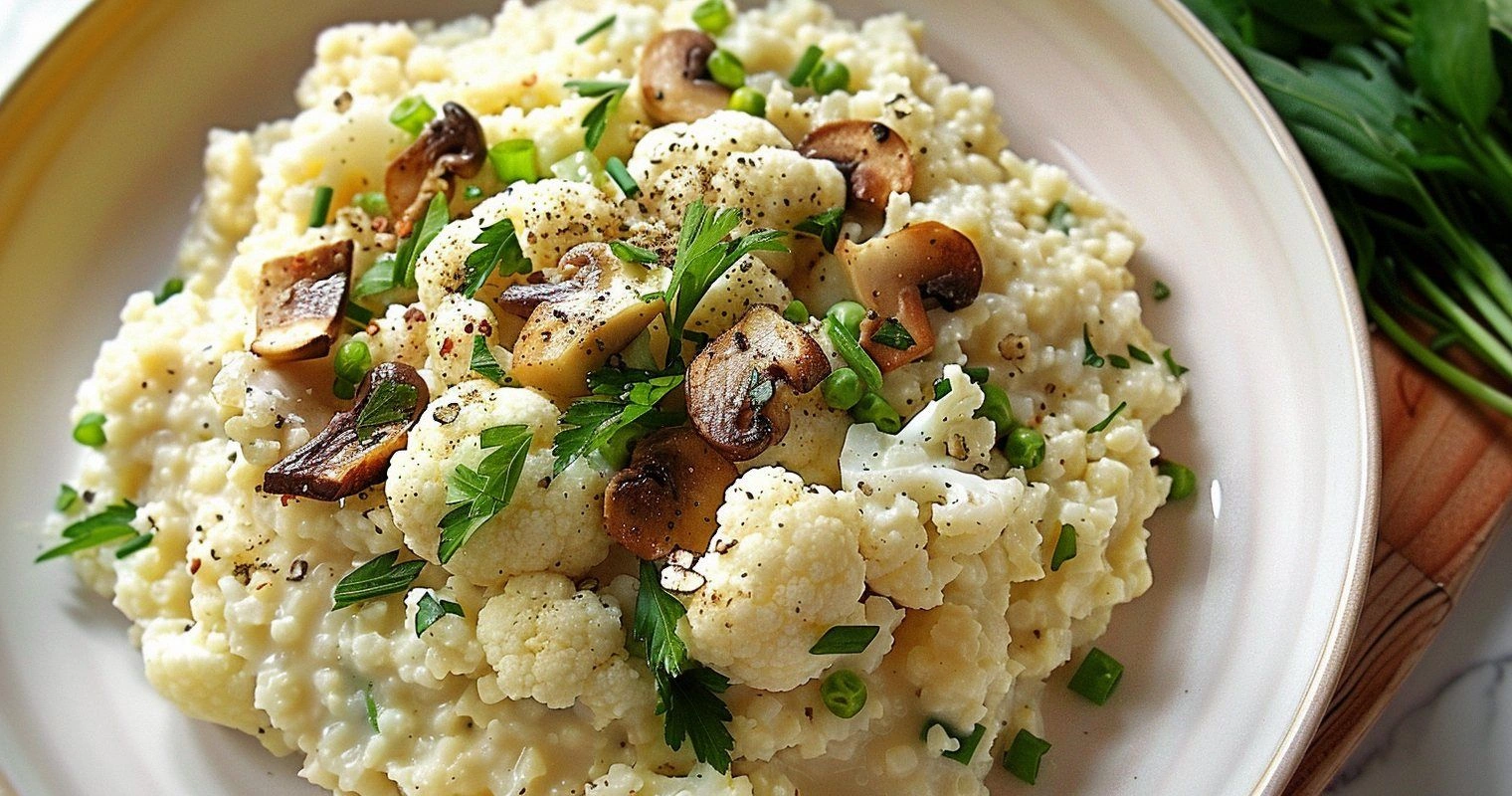
- When your rice is tender but still has a slight bite (al dente, as the Italians say), stir in your cauliflower puree along with half the roasted cauliflower pieces. The mixture should immediately turn creamy and luxurious, coating the back of a spoon like liquid velvet. Taste and season generously with salt and pepper — this is crucial because the rice needs more seasoning than you think. Add the remaining roasted cauliflower, reserving some of the prettiest pieces for garnish.
- Remove from heat and immediately stir in your grated Parmesan and the remaining cold butter, beating vigorously to create an emulsion. This final step, called "mantecatura" in Italian, transforms the dish from good to absolutely sublime. The risotto should be loose enough to spread slightly when you tilt the pan, but not so liquid it runs like soup. If it's too thick, add a splash of warm stock; too thin, let it sit for a minute off heat. Serve immediately in warmed bowls, topped with the reserved roasted cauliflower, extra Parmesan, and maybe some fresh herbs if you're feeling fancy.
- Picture yourself pulling this out of the oven, the whole kitchen smelling incredible, steam rising from the creamy rice studded with golden cauliflower nuggets. Your family or guests will gather around like moths to a flame, spoons at the ready, eyes wide with anticipation. This next part? Pure magic. As they take their first bite, watch their expressions change from curious to delighted to downright amazed that cauliflower could taste this indulgent.
That's it — you did it. But hold on, I've got a few more tricks that'll take this to another level...
Insider Tricks for Flawless Results
The Temperature Rule Nobody Follows
Here's the thing that separates restaurant-quality risotto from the sad, gluey stuff most people make — temperature control is everything. Your stock must stay hot throughout the entire cooking process, but your rice should never boil violently. Maintain a gentle simmer where tiny bubbles barely break the surface; too hot and your rice turns to mush, too cool and it never releases enough starch to get creamy. I keep my stock in a small saucepan on the back burner at the lowest setting, and I adjust the heat under my risotto pot constantly. A friend tried skipping this step once — let's just say it didn't end well, and we now refer to her attempt as "cauliflower rice pudding."
Why Your Nose Knows Best
Don't underestimate the power of smell in cooking — it's like having a built-in kitchen timer. When your shallots hit the pan, they should smell sweet and delicate, never sharp or acrid. If your garlic starts to smell bitter or harsh, you've gone too far and need to start over because burnt garlic ruins everything it touches. The rice should smell slightly nutty when toasting, like popcorn just before it pops. And when you add the wine, take a deep breath — you should smell the alcohol cooking off, leaving behind just the fruity essence. This sensory awareness separates good cooks from great ones.
The 5-Minute Rest That Changes Everything
Here's a restaurant secret most home cooks never learn — risotto needs to rest. After you finish cooking, let it sit off heat for exactly 5 minutes before serving. During this time, the rice grains finish absorbing liquid and the starches set up properly, creating that perfect consistency between loose and creamy. Cover the pot with a clean kitchen towel (not the lid) to let steam escape while keeping it warm. This brief pause also allows the flavors to meld and deepen in ways that immediate serving just can't achieve. Trust me, those five minutes feel like an eternity when you're hungry, but they're the difference between good risotto and legendary risotto.
The Stirring Pattern That Works
Forget what you've heard about stirring constantly like a maniac — there's actually a method to this madness. Stir in a figure-eight pattern, making sure to scrape the bottom and edges where rice tends to stick and burn. Every few minutes, give the pot a gentle shake to redistribute everything. This technique prevents sticking while encouraging proper starch release. And here's the kicker — you can actually take tiny breaks. Stir for 30 seconds, rest for 10, repeat. Your arm will thank me, and your risotto will still be perfect.
The Secret Ingredient Nobody Talks About
Ready for the game-changer? A tiny splash of good quality lemon juice added right at the end brightens everything up and makes the cauliflower taste more like itself. It's counterintuitive — adding acid to make something taste more like itself — but it works like magic. Just a teaspoon for the whole batch, added with the final butter and cheese, wakes up all the other flavors and adds this incredible freshness that makes people ask "what's that amazing flavor?" Don't skip this step — it's the difference between good and unforgettable.
Creative Twists and Variations
This recipe is a playground. Here are some of my favorite ways to switch things up:
The Mediterranean Escape
Transform this into a sun-drenched Mediterranean dream by adding sun-dried tomatoes, kalamata olives, and crumbled feta cheese. Replace the thyme with oregano and add a pinch of smoked paprika for warmth. The briny olives and sweet-tart tomatoes create this incredible contrast with the creamy cauliflower, while the feta adds tangy pockets of flavor. Finish with a drizzle of your best olive oil and maybe some fresh basil leaves. This version pairs beautifully with grilled fish or chicken.
The Autumn Comfort
Embrace fall flavors by adding roasted butternut squash cubes and swapping the thyme for fresh sage. The natural sweetness of both vegetables creates this incredible harmony, while crispy sage leaves fried in brown butter take it to another level entirely. Add some toasted pumpkin seeds for crunch and a drizzle of maple syrup just before serving. This is the kind of dish that makes you want to curl up in front of a fireplace with a glass of red wine.
The Spicy Rebel
Add some heat with Calabrian chili paste or a pinch of red pepper flakes added with the shallots. The spice cuts through the richness beautifully, creating this addictive quality where you can't stop eating despite the heat. Add some crispy pancetta or bacon if you're not keeping it vegetarian, and finish with fresh parsley instead of thyme. This version is perfect for those who think cauliflower is too mild and needs some excitement in its life.
The Spring Awakening
Celebrate spring by adding fresh peas, asparagus tips, and mint instead of thyme. The bright green vegetables look stunning against the creamy white base, and the fresh mint adds this incredible brightness that screams spring. Use white asparagus if you can find it for an extra elegant touch. This lighter version is perfect for Easter brunch or any spring celebration.
The Umami Bomb
Add dried porcini mushrooms soaked in warm water, using the soaking liquid as part of your stock for incredible depth. Stir in some white miso paste with the cauliflower puree for an extra umami punch that makes this taste like it has meat in it. Finish with truffle oil and some crispy shallots on top. Even mushroom haters love this version — the umami is so satisfying and complex.
The Smoky Sensation
Cold-smoke your cauliflower before roasting for an incredible depth of flavor, or add smoked salt and a touch of liquid smoke to achieve a similar effect. Add some smoked gouda instead of parmesan for extra smokiness, and finish with crispy kale chips for texture. This version tastes like it came from a fancy barbecue joint, but it's entirely vegetarian.
Storing and Bringing It Back to Life
Fridge Storage
Here's the reality check — risotto is always best fresh, but life happens and sometimes you need leftovers. Store cooled risotto in an airtight container in the refrigerator for up to 3 days, though I dare you to taste this and not go back for seconds within 24 hours. Press plastic wrap directly against the surface to prevent it from drying out and absorbing weird fridge flavors. The texture will change slightly as it chills, becoming firmer as the starches set up, but we've got tricks to bring it back to life.
Freezer Friendly
While purists might clutch their pearls, you can freeze this risotto for up to 2 months if you absolutely must. Portion it into freezer-safe containers or zip-top bags, pressing out as much air as possible. The key is to slightly undercook the rice if you know you're freezing it — it'll finish cooking when you reheat. Thaw overnight in the refrigerator, never at room temperature unless you enjoy food poisoning. Frozen risotto works great as arancini (fried risotto balls) if the texture isn't perfect after thawing.
Best Reheating Method
The microwave is a crime against risotto, so let's do this right. Warm it gently in a pot with a splash of vegetable stock or water over low heat, stirring frequently. Add a tiny splash of water before reheating — it steams back to perfection and prevents sticking. Stir in a pat of butter and some fresh Parmesan at the end to bring back that creamy texture. If it's too thick, add more liquid; too thin, let it cook uncovered for a minute. Never let it boil vigorously or you'll end up with cauliflower mush. For best results, reheat only what you'll eat immediately.