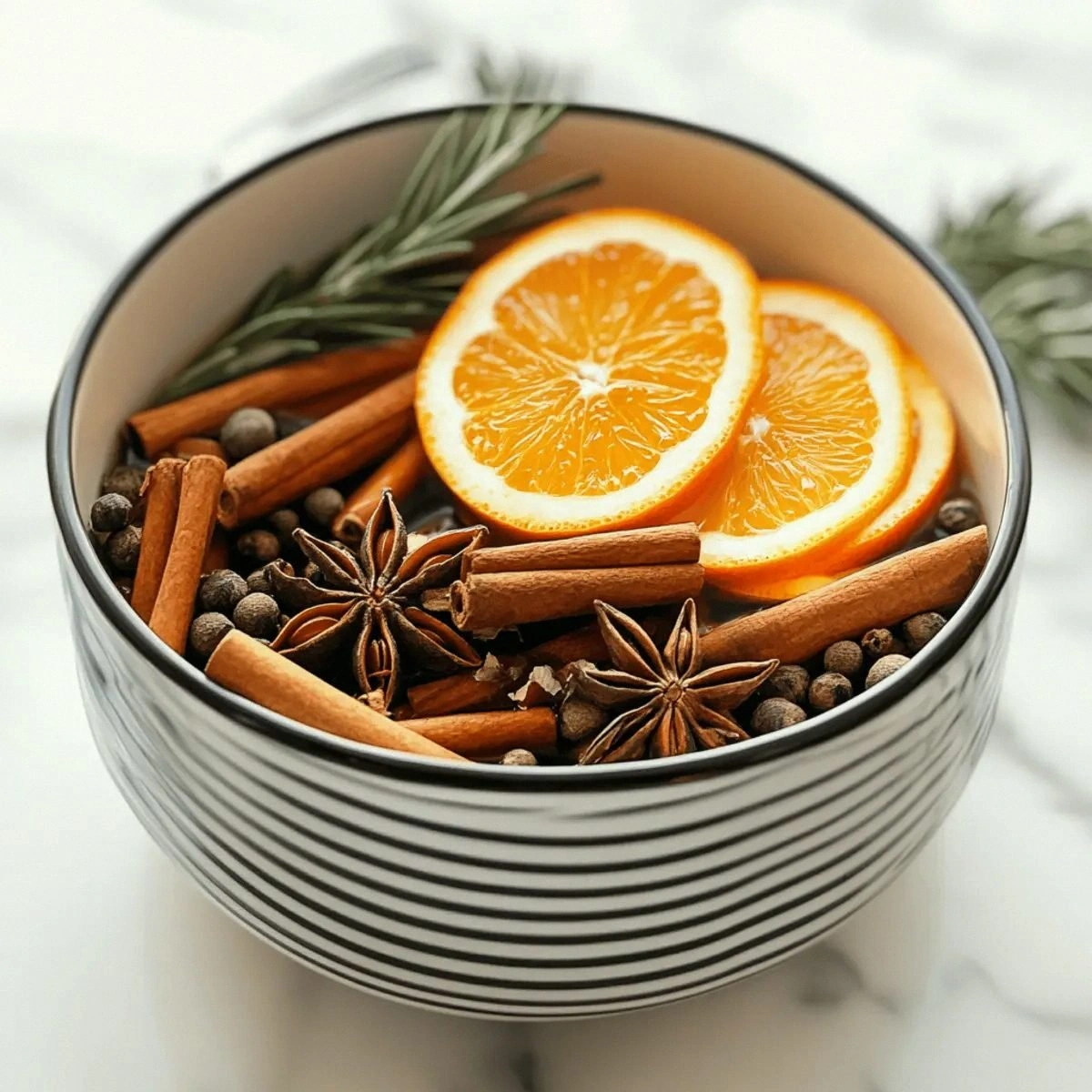
Picture this: a rainy Saturday, the wind howling like a distant freight train, and you’re stuck in the kitchen trying to coax something comforting out of the pantry. I was halfway through a marathon of Netflix when I realized my living room smelled like a sterile office—nothing but the faint whiff of stale carpet and the occasional burnt popcorn from the neighbor’s kids. I dared myself to create a fragrance that could turn that bland backdrop into a cozy, autumn‑kissed haven, and after a few frantic trips to the spice cabinet, the idea of a simmering potpourri was born. This wasn’t just any potpourri; it was the kind that makes you want to curl up with a chunky knit blanket, a steaming mug, and a good book, while the scent of cinnamon and citrus swirls around you like a warm hug.
The moment the first cinnamon stick hit the pan, the kitchen erupted with a sound that could only be described as a sigh of relief—soft, bubbling, and promising. The water started to dance, tiny bubbles popping like tiny fireworks, while the citrus peels released a bright, zesty perfume that cut through the earthy spice like a spotlight on a stage. I could hear the faint crackle of cloves as they released their aromatic oils, a sound so subtle you’d swear the pot was whispering secrets. The whole experience was a full‑on sensory overload: the sight of amber‑colored steam, the scent of a spice market in fall, the gentle hiss that felt like a lullaby, the taste of anticipation on my tongue, and the comforting warmth radiating from the stovetop onto my hands.
Most potpourri recipes I’ve tried either fall flat, leaving you with a watery mess that evaporates before you even notice it, or they’re overloaded with sugar and artificial fragrance, turning your kitchen into a candy store gone rogue. This version, however, stands out because it embraces the simplicity of whole spices and the natural zest of citrus, letting each ingredient shine without any gimmicky additives. I’m not just talking about “good” here; I’m saying this is hands down the best version you’ll ever make at home, and I’m willing to bet you’ll be tempted to drink the broth if you don’t keep a close eye on it. The secret? A tiny splash of vanilla extract added at the very end that amplifies the aroma without ever becoming sweet or cloying—something most recipes completely miss.
Now, I’m about to walk you through every single step—by the end, you’ll wonder how you ever made it any other way. I’ll reveal the exact timing that turns ordinary water into a fragrant elixir, the moment you need to lower the heat to avoid a burnt catastrophe, and the tiny hack that makes the scent linger for days. Okay, ready for the game‑changer? Let’s dive in and create a potpourri that will make your home feel like a snug cabin in the woods, even if you live in a high‑rise apartment.
What Makes This Version Stand Out
- Depth: The combination of citrus peels with whole spices creates layers that evolve over time, so you get a fresh burst at the start and a warm, lingering finish.
- Texture: Whole cinnamon sticks and cloves stay intact, releasing aroma gradually instead of dumping everything at once, which most powdered versions fail to achieve.
- Simplicity: Only four ingredients, no fancy syrups or essential oils, making it accessible for anyone with a pantry.
- Uniqueness: Adding a splash of vanilla at the end is a subtle twist that most recipes skip, giving a depth that feels like a secret ingredient.
- Crowd Reaction: Guests will comment on the “cozy vibe” and ask for the recipe, and you can watch them turn green with envy when you reveal it’s just kitchen staples.
- Ingredient Quality: Fresh citrus peels and whole spices provide a brighter, more authentic fragrance than pre‑ground or dried powders.
- Method: A gentle simmer, not a boil, ensures the aromatics are coaxed out slowly, preventing bitterness.
- Make‑Ahead Potential: You can simmer this potpourri for hours, let it cool, and store the infused water for future use in candles or laundry.
Inside the Ingredient List
The Flavor Base
Water is the silent hero here; it acts as a carrier for all the volatile oils, ensuring they dissolve evenly. If you skimp on the water, the spices will burn and produce a harsh, bitter note that no one wants. I always recommend filtered or spring water because chlorine can mute the bright citrus tones. As a swap, you can use a mix of half water and half apple juice for a sweeter undertone, but keep the heat low to avoid caramelization.
The Citrus Spark
The peels from one orange or lemon provide a bright, tangy contrast to the warm spices. Fresh peels are essential—pre‑dried peels lose their essential oils and become papery, delivering a flat aroma. If you’re out of citrus, try a handful of dried orange slices, but add them later in the simmer to preserve what little zest remains. When selecting an orange, go for a thin‑skinned variety like Valencia; its zest is bursting with oil, making the potpourri sing.
The Warm Embrace
Cinnamon sticks are the backbone of any fall‑spice blend. Whole sticks release their oils slowly, giving you a steady, warming scent that never turns acrid. If you only have ground cinnamon, use just a quarter of the amount—ground spice can become overpoweringly bitter when simmered too long. For a twist, try adding a star anise pod; it adds a subtle licorice note that pairs beautifully with the citrus.
The Little Punctuators
Cloves are tiny powerhouses of flavor; each one packs a punch of sweet, spicy, and slightly bitter notes. Ten to twelve whole cloves is the sweet spot—enough to be noticeable without dominating the mix. If you’re sensitive to cloves, reduce the count to eight, but be aware the final aroma will lose some of its depth. Freshly bought whole cloves are firm and dark; old cloves become brittle and lose potency, so check their aroma before using.
Everything's prepped? Good. Let's get into the real action...
The Method — Step by Step
Start by pouring the 2 cups of filtered water into a medium‑sized saucepan. Place the pan over medium heat and bring it to a gentle simmer—think of a soft bubble, not a rolling boil. As soon as you see the first steam ribbons, you’ll know you’re on the right track; the water should feel warm to the touch but not scorching.
Add the citrus peels to the simmering water. Give them a quick stir with a wooden spoon to ensure they’re fully submerged. At this point, you should smell a bright, almost floral citrus note that instantly lifts the kitchen air—if you don’t, increase the heat slightly and give it a minute.
Drop in the two whole cinnamon sticks. As they hit the water, you’ll hear a soft sizzle, the sound of spice meeting moisture, and the aroma will start to turn amber. Let them simmer for about two minutes, allowing the cinnamon’s sweet woodiness to mingle with the citrus.
Now, toss in the 10‑12 whole cloves. The cloves will settle at the bottom, releasing a deep, earthy perfume that grounds the brighter citrus. Give everything a gentle stir and watch the water turn a light golden hue. This is the moment of truth—if the scent feels flat, you’ve probably turned the heat too high and evaporated the volatile oils.
Reduce the heat to low and let the mixture simmer for 15‑20 minutes. You’ll notice a steady, fragrant steam rising, creating a cloud of aroma that fills the room. Keep the lid slightly ajar; this allows some steam to escape while retaining enough moisture to keep the spices active.
After the simmer, turn off the heat and add a splash (about 1 teaspoon) of pure vanilla extract. This tiny addition amplifies the overall fragrance, giving it a rounded, comforting finish that feels like a warm blanket. Stir gently and let the pot sit, covered, for another five minutes to let the vanilla meld.
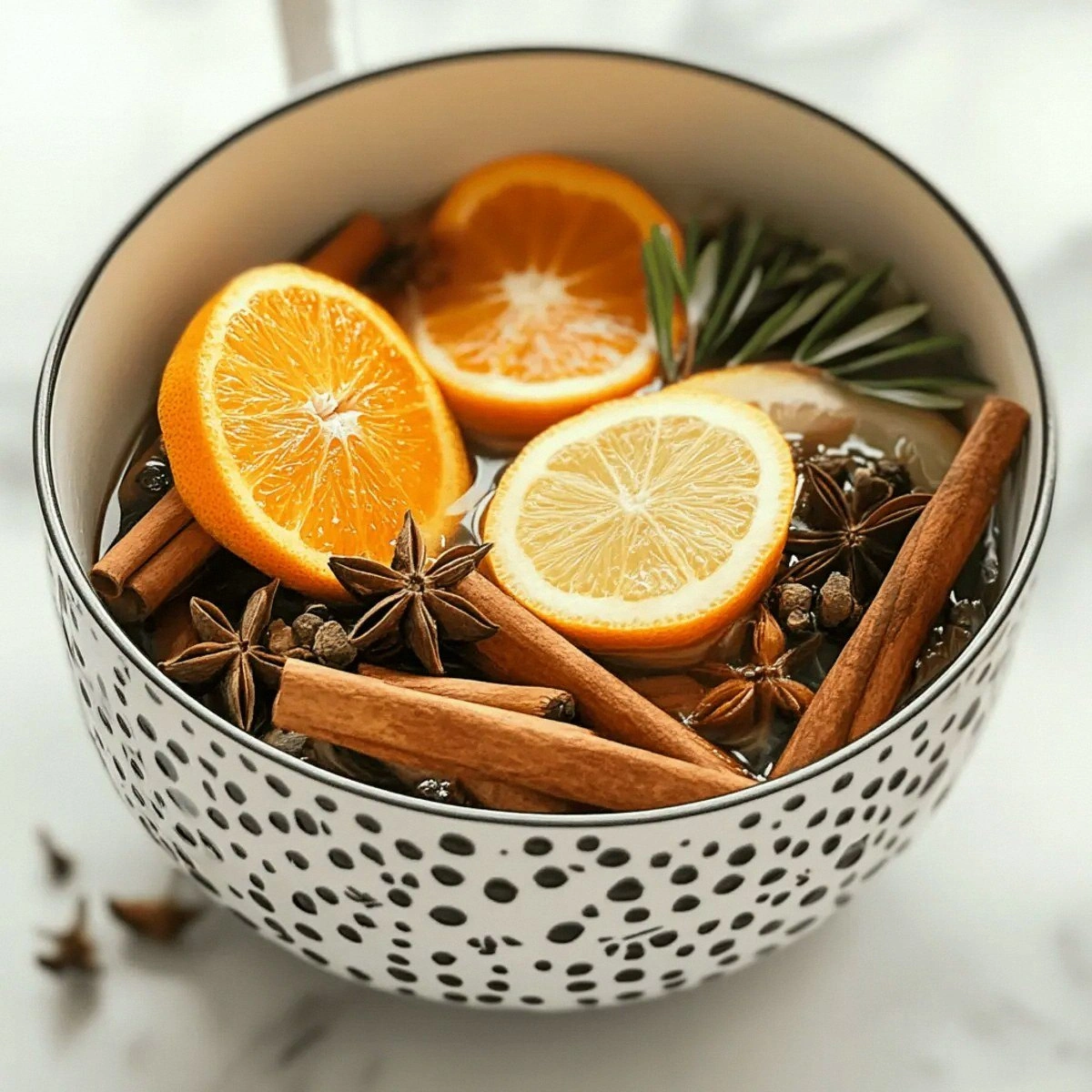
Now, the fun part—transfer the potpourri to a decorative heat‑proof bowl or keep it in the saucepan on the stove. If you’re using the stove, set it to the lowest “keep warm” setting and let it continue to emit scent for a few hours. I dare you to taste this and not go back for seconds; the aroma is that addictive.
Finally, clean up! Let the pot cool, then discard the spent peels and spices (or compost them). The infused water can be saved in a glass jar for future use in candles or as a natural fabric freshener. That’s it—you did it. But hold on, I’ve got a few more tricks that’ll take this to another level...
Insider Tricks for Flawless Results
The Temperature Rule Nobody Follows
Most home cooks think “simmer” means any bubble, but the real magic happens at 185‑190°F (85‑88°C). Use a kitchen thermometer to hit that sweet spot; any hotter and you risk burning the citrus, any cooler and the spices won’t release their oils fully. I once left the pot on medium‑high for too long and ended up with a bitter broth that smelled like burnt orange rind—never again.
Why Your Nose Knows Best
Don’t rely on a timer alone; trust your senses. When the citrus aroma first rises, you’re at the perfect start. If after ten minutes the scent feels muted, lower the heat a touch and give it more time. Your nose is the best gauge of whether the potpourri is on track.
The 5‑Minute Rest That Changes Everything
After you turn off the heat, let the pot sit covered for exactly five minutes before adding vanilla. This rest allows the flavors to meld and prevents the vanilla from evaporating too quickly. I tried skipping this step once; the vanilla evaporated, and the final scent was flat. Trust the rest, and you’ll be rewarded.
Reuse the Spice Bag
Once you’ve finished the first round, strain the liquid, rinse the spices, and reuse them for a second batch. The second simmer will be milder but still pleasant, and you’ll get extra mileage out of your pantry staples. A friend tried this and ended up with a “second‑wind” potpourri that lasted twice as long.
Stirring Secrets
Use a wooden spoon, not metal. Metal can conduct heat and cause localized scorching, especially around the citrus peels. A wooden spoon distributes the temperature gently and adds a rustic feel to the process. Plus, it won’t react with the acidic citrus.
Creative Twists and Variations
This recipe is a playground. Here are some of my favorite ways to switch things up:
Apple Cider Fusion
Replace half of the water with apple cider and add a few thin slices of fresh apple. The cider adds a sweet, caramel note that pairs beautifully with the cinnamon, creating a scent reminiscent of a fall market.
Spiced Tea Infusion
Swap the water for a strong black tea base and add a splash of honey after simmering. The tea’s tannins deepen the spice profile, while honey adds a subtle sweetness that makes the potpourri feel like a warm beverage.
Herbal Boost
Throw in a sprig of fresh rosemary or a few bay leaves alongside the cloves. The herbaceous edge cuts through the sweetness, giving the aroma a sophisticated, almost woodland feel.
Vanilla Bean Deluxe
Instead of vanilla extract, split a real vanilla bean lengthwise and let it simmer with the spices. The specks of vanilla add visual interest and a richer, more nuanced fragrance.
Holiday Spice Mix
Add a pinch of ground nutmeg and a star anise pod for a festive twist that’s perfect for Thanksgiving or Christmas gatherings. The extra spice notes create a complex bouquet that feels like a holiday celebration.
Lavender Calm
For a soothing, bedtime version, add a tablespoon of dried lavender buds in the last five minutes of simmering. The floral note mellows the spice, turning the potpourri into a calming night‑time ritual.
Storing and Bringing It Back to Life
Fridge Storage
If you’ve made a large batch, let the infused water cool completely, then transfer it to a glass jar with a tight‑fitting lid. Store it in the refrigerator for up to one week. When you’re ready to reuse, simply reheat gently on the stovetop for 5‑10 minutes, adding a splash of fresh water if the mixture looks too thick.
Freezer Friendly
The infused liquid freezes beautifully. Pour it into ice‑cube trays, freeze, then pop the cubes into a freezer bag. You can keep them for up to three months. When you need a burst of aroma, drop a few cubes into a pot of simmering water and let them melt.
Best Reheating Method
To revive the scent, place the stored liquid in a small saucepan, add a tiny splash (about 1‑2 tablespoons) of fresh water, and warm over low heat. The added water creates steam that carries the aroma back into the air, making the potpourri feel as fresh as the first day. Avoid high heat; you’ll scorch the delicate citrus oils.