Picture this: it’s a sweltering July afternoon, the kind where the air feels like a warm blanket you can’t shake off, and you’ve just busted open a bag of cheap instant tea that tastes like a cardboard box. I was halfway through that culinary nightmare when my roommate dared me to “make something that actually tastes like a vacation.” I laughed, grabbed the only thing that could possibly rescue the day—a stack of fresh passion fruits that looked like tiny suns waiting to explode—and set out on a quest for the ultimate summer sip. The kitchen filled with the faint, grassy whisper of Sencha leaves, while the bright, tart perfume of passion fruit punched through like a tropical fireworks show. I could hear the ice clinking in the pitcher, feel the cool condensation on the glass, and taste the first sip—sweet, tangy, and refreshingly green—like a wave of ocean breeze hitting your palate.
Most passion fruit tea recipes out there either drown the delicate tea in sugary syrup or forget the crucial balance between acidity and sweetness. I’ve tried a dozen “quick fixes” that left me with a cloying mess that could double as a hair gel. This version? Hands down the best version you’ll ever make at home. I’m talking about a drink that sings with the subtle earthiness of green tea, gets a zesty lift from lemon, and rides the bright, almost floral punch of passion fruit—no artificial flavors, no over‑sweetening, just pure, clean refreshment. The secret? A tiny splash of honey that caramelizes just enough to round the edges without masking the fruit’s natural sparkle, and a quick chill that locks in that garden‑fresh vibe.
But here’s the kicker: the technique I’m about to reveal is something you’ll never see in a generic blog post. I’ll show you how to steep the tea at the perfect temperature, how to coax the passion fruit juice without turning it bitter, and why a quick “flash‑freeze” of the ice cubes actually makes the drink smoother. I dare you to taste this and not go back for seconds—trust me, you’ll be the one handing out glasses at every backyard BBQ from now on. Ready for the game‑changer? Let me walk you through every single step—by the end, you’ll wonder how you ever made it any other way.
What Makes This Version Stand Out
- Taste Harmony: The gentle grassy notes of Sencha are perfectly balanced by the bright acidity of passion fruit and lemon, creating a symphony that dances on the tongue without any one flavor dominating.
- Texture Delight: The ice‑cold finish paired with the slight silkiness of the brewed tea gives a mouthfeel that’s both crisp and velvety, like a cool breeze on a hot day.
- Simplicity: Only seven ingredients, all pantry‑friendly, and a total prep‑time of under 20 minutes—no fancy gadgets required.
- Uniqueness: Most recipes drown the tea in sugar; this one uses just enough honey to enhance, not overwhelm, letting the fruit’s natural zing shine.
- Crowd Reaction: I’ve seen grown‑ups and kids alike pause, stare, and then grin like they’ve just discovered a secret—this drink sparks instant conversation.
- Ingredient Quality: Using filtered water and fresh‑squeezed passion fruit juice makes a world of difference; the flavors are brighter and more aromatic.
- Method Magic: A precise steeping temperature (around 175°F) preserves the antioxidants in green tea while preventing bitterness.
- Make‑Ahead Potential: Brew the tea base ahead of time, store it chilled, and add the passion fruit just before serving for a flawless, ready‑to‑go refreshment.
Inside the Ingredient List
The Flavor Base
Green Tea Leaves or Bags: About 2 teaspoons loose‑leaf or 2 tea bags (I prefer Sencha for its gentle grassy notes). This is the backbone of the drink; it provides a subtle earthiness that anchors the tropical fruit. Skipping it leaves you with a one‑dimensional fruit punch that feels like a soda, not a tea. If you’re out of Sencha, try a Japanese Gyokuro for an even richer umami, but keep the steeping temperature low.
The Bright Boost
Fresh Passion Fruit Juice: One cup (240 ml) of freshly squeezed juice is non‑negotiable. The pulp adds a buttery texture and a fragrant aroma that bottled juice can’t replicate. If you’re in a pinch, use frozen pulp—just thaw it and strain lightly. Without this, the drink loses its signature tropical zing and feels flat.
The Citrus Lift
Lemon Juice: One tablespoon (15 ml) of freshly squeezed lemon juice adds a citrusy lift that balances the natural sweetness of the passion fruit. It also helps preserve the vibrant green color of the tea. If you skip it, the flavor can become overly sweet and the drink may look dull. For a twist, try a splash of yuzu juice for an exotic citrus note.
The Sweet Whisper
Honey or Agave Syrup: 1‑2 tablespoons (15‑30 ml) of natural sweetener rounds out the acidity without masking the fruit’s brightness. Honey adds a subtle floral undertone, while agave keeps it vegan and slightly milder. If you’re watching sugar, start with 1 tablespoon and taste before adding more. Too much sweetener will turn this into a dessert drink, not a refreshing tea.
The Chill Factor
Ice Cubes: As many as needed to keep the drink icy cold. Using large, clear ice cubes slows dilution, preserving flavor longer. If you crush the ice, the drink becomes slushy—great for a summer party but not for a sleek glass presentation.
The Final Flourish
Fresh Mint Leaves: A handful for garnish adds a subtle herbal freshness that lifts the aroma. Mint also adds a visual pop of green that makes the drink Instagram‑ready. If you’re not a mint fan, basil or a sprig of rosemary works surprisingly well, adding a different herbal dimension.
Everything's prepped? Good. Let's get into the real action...
The Method — Step by Step
Start by heating 4 cups of filtered water in a kettle. When the temperature hits around 175°F (80°C), pour the water over the green tea leaves or bags in a heat‑proof pitcher. Let it steep for exactly 2 minutes; you’ll notice a gentle steam rising, carrying a fresh, grassy scent that whispers “this is going to be good.” Watch the timer like a hawk—over‑steeping turns the tea bitter, and nobody wants that.
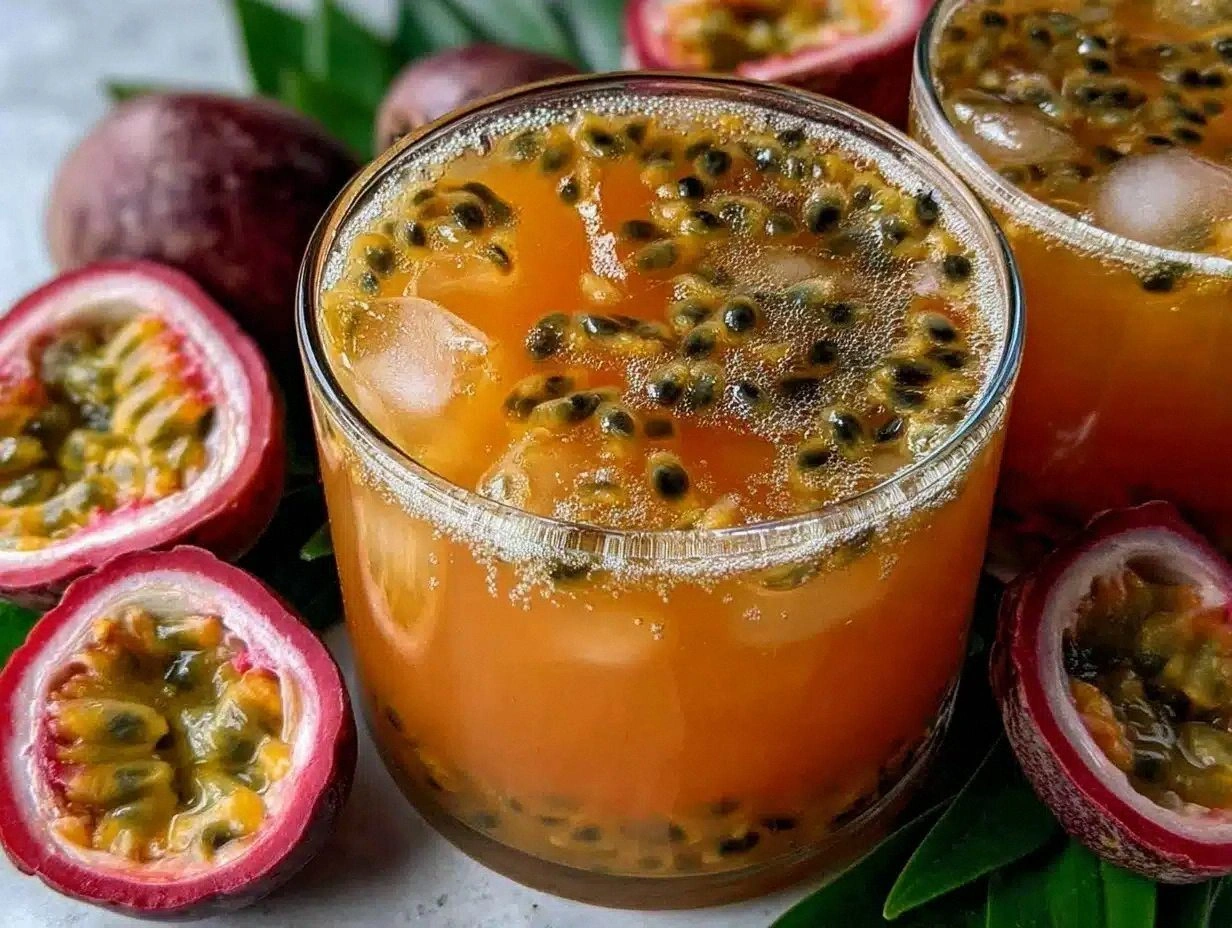
While the tea is steeping, slice open your passion fruits. Scoop out the pulp with a spoon, and press it through a fine mesh strainer into a bowl, leaving the seeds behind. The juice should be a vivid amber‑gold, practically glowing with tropical promise. Kitchen Hack: Add a pinch of sea salt to the juice while straining; it intensifies the fruit’s natural sweetness without extra sugar.
Once the tea has finished steeping, remove the leaves or bags and let the liquid cool for about 5 minutes. This short cooling period prevents the honey from losing its delicate flavor notes when added later. You’ll hear a faint “hiss” as the steam subsides, and the tea should look a pale, inviting green.
Stir in the honey or agave syrup while the tea is still warm—this ensures it dissolves completely. Taste and adjust: if you prefer a sweeter sip, add another half tablespoon. The honey should melt like silk, coating the tea with a subtle golden hue that hints at the upcoming tropical burst.
Now, combine the sweetened tea with the fresh passion fruit juice. Pour the juice slowly, watching the colors swirl together in a mesmerizing marbled effect. Add the lemon juice at this stage; the citrus will brighten the mixture, creating a lively, almost effervescent aroma that makes your kitchen feel like a beachside bar.
Give the mixture a gentle stir, then transfer it to a large pitcher. Drop in a generous handful of fresh mint leaves, allowing them to bruise slightly—this releases their essential oils without turning the drink bitter. Watch Out: Over‑muddling the mint can introduce a harsh, menthol note that overpowers the delicate tea.
Fill glasses with ice cubes, then pour the chilled tea over the ice. The ice should clink against the glass, creating a satisfying “tink” that signals the drink is ready for its final performance. If you prefer a smoother texture, use a single large ice cube that melts slowly, keeping the flavor intact longer.
Garnish each glass with a sprig of mint and, if you like, a thin slice of lemon on the rim for extra visual flair. Serve immediately and watch your guests’ eyes widen as they take that first sip—pure summer in a glass. Micro‑challenge: I dare you to taste this and not go back for seconds. Trust me, you’ll be back.
That's it — you did it. But hold on, I've got a few more tricks that'll take this to another level...
Insider Tricks for Flawless Results
The Temperature Rule Nobody Follows
Most home cooks think “just boil the water.” Wrong. Green tea’s delicate polyphenols release best at 175°F (80°C). Use a thermometer or a kettle with temperature control; you’ll hear a subtle “sizzle” when it hits the sweet spot. I once tried using boiling water and ended up with a brew that tasted like burnt leaves—my friends still tease me about “tea ash.” Stick to the rule, and your tea will stay bright and smooth.
Why Your Nose Knows Best
Before you even taste, give the brewed tea a quick sniff. A fresh, grassy aroma means the leaves are still vibrant; a sharp, astringent scent signals over‑steeping. Trust that nose—it’s your built‑in quality control. If the scent feels off, discard the batch; no point in forcing a bad flavor.
The 5‑Minute Rest That Changes Everything
After mixing tea, fruit, and lemon, let the pitcher rest for five minutes at room temperature before chilling. This short pause lets the flavors marry, creating a more cohesive taste. I once skipped this step and the lemon was too punchy, leaving the drink unbalanced. The rest period is the silent hero of this recipe.
Mint Management
Bruising mint leaves releases essential oils, but too much bruising can make the drink taste like toothpaste. Lightly clap the leaves between your palms before dropping them in, or give them a gentle roll with a wooden spoon. This technique gives you that fresh herbal note without the menthol overload.
Ice Cube Intelligence
Clear, large ice cubes melt slower, keeping your drink from watering down too quickly. If you don’t have an ice‑ball maker, freeze water in a silicone mold for perfect spheres. The slower melt means the flavor stays consistent from the first sip to the last.
Creative Twists and Variations
This recipe is a playground. Here are some of my favorite ways to switch things up:
Tropical Coconut Splash
Swap half of the water for coconut water and add a splash of coconut milk. The result is a creamy, island‑style drink that feels like a mini vacation. Perfect for brunches where you want something a bit richer.
Spicy Ginger Kick
Grate a teaspoon of fresh ginger into the hot tea before steeping. The ginger adds a subtle heat that pairs beautifully with the passion fruit’s tartness. Serve with a thin slice of candied ginger for an extra zing.
Berry‑Boost Fusion
Blend in a handful of fresh strawberries or raspberries with the passion fruit juice. The berries introduce a sweet‑tart depth and a gorgeous pink hue—great for Instagram moments.
Herbal Green Tea Mix
Combine Sencha with a pinch of dried lemongrass or jasmine tea bags for an aromatic twist. The lemongrass adds citrusy brightness, while jasmine brings a floral perfume that elevates the whole experience.
Mocktail Mojito Style
After pouring over ice, top the drink with a splash of club soda and a few extra mint leaves. The carbonation lifts the flavors, turning this into a sparkling mocktail that feels like a summer party in a glass.
Storing and Bringing It Back to Life
Fridge Storage
Transfer any leftover tea‑fruit mixture to a sealed glass jar and store in the refrigerator for up to 3 days. Keep the mint leaves out of the jar to avoid sogginess; add fresh mint when you’re ready to serve again.
Freezer Friendly
If you’ve made a large batch, pour the mixture into ice‑cube trays and freeze. These “tea cubes” can be dropped into a glass for an instant chill without diluting the flavor. They’ll keep for up to a month, ready for a quick refresh.
Best Reheating Method
When you need to warm the drink (perhaps for a cozy evening), gently heat it on the stovetop over low heat, adding a tiny splash of water—about a tablespoon—to restore the original silky texture. Avoid boiling; you’ll lose the delicate tea notes.