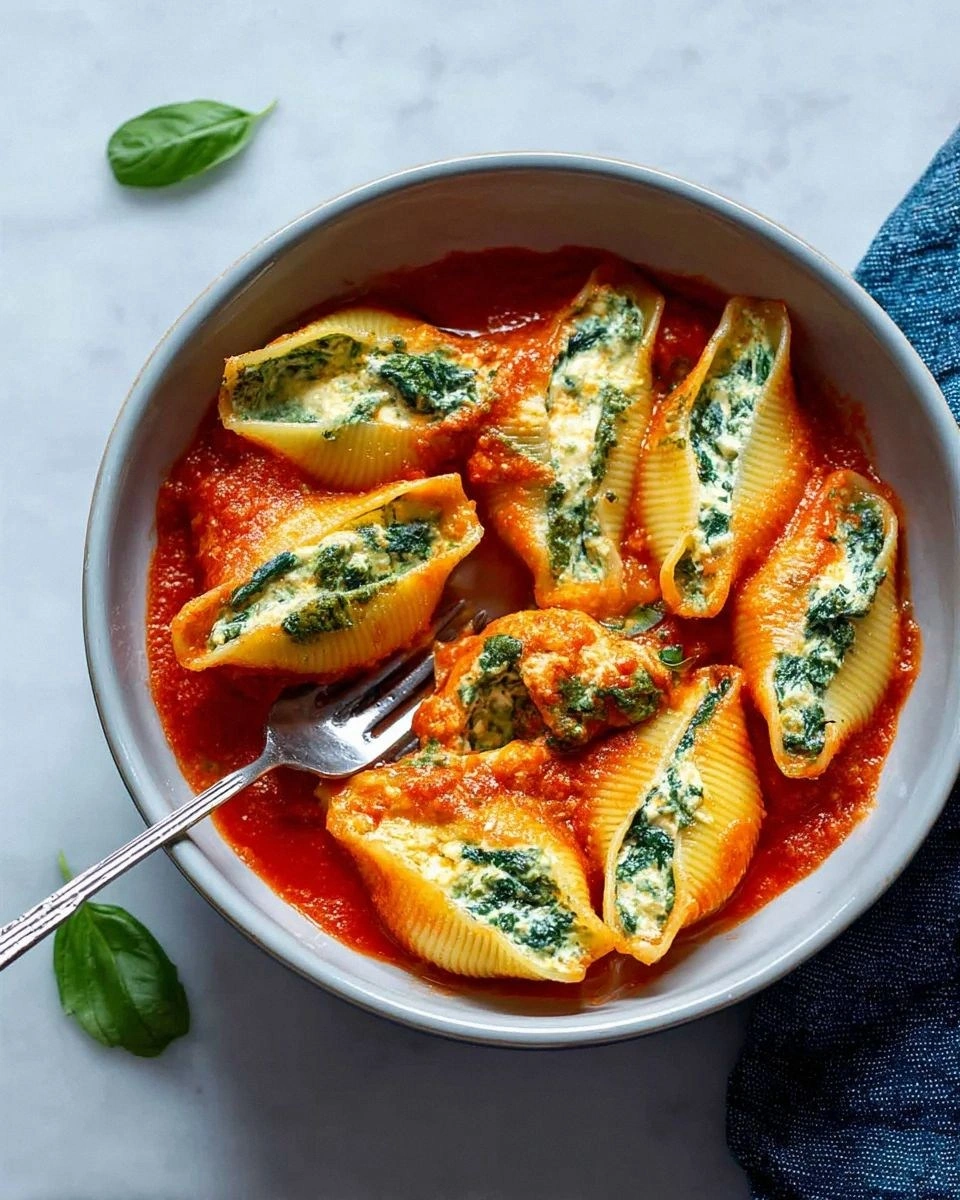
I was standing in my kitchen, the timer on my old stovetop ticking like a metronome, when a sudden craving for something both comforting and sophisticated hit me like a bolt of lightning. I tried whipping up a quick baked ziti, but the sauce turned out watery, the cheese clumped, and the whole thing tasted like a sad, soggy blanket. I stared at the half‑cooked pasta and thought, “There’s got to be a better way to make stuffed shells without ending up with a culinary disaster.” That moment sparked a daring experiment that led me down a rabbit hole of fresh basil, creamy ricotta, and spinach that practically glowed green. I’m willing to bet you’ve had a similar kitchen epiphany—one that ends with a plate of something that looks like it belongs on a fancy restaurant menu but is made in a humble home oven.
Picture this: the oven door swings open, and a fragrant cloud of basil, garlic, and toasted pine nuts erupts, wrapping the entire kitchen in a perfume that could coax even the most stubborn neighbor out of their apartment. The shells themselves are plump, each one cradling a silky mixture of ricotta, spinach, and mozzarella that oozes out in slow, buttery ribbons when you cut into them. The basil sauce coats the pasta like velvet, shimmering with a buttery sheen that makes the whole dish look like it’s been brushed with liquid gold. You hear the faint crackle of the cheese browning on top, and the first bite delivers a perfect harmony of tangy, nutty, and herbaceous notes that dance across your palate.
Most recipes for stuffed shells either drown the filling in a heavy tomato sauce or skimp on the cheese, leaving you with a bland, dry result. I’ve tried them all, and I can honestly say this is hands down the best version you’ll ever make at home. The secret? A fresh basil‑pine nut sauce that stays bright and fragrant, a ricotta‑spinach blend that’s enriched with a whisper of nutmeg, and a technique that ensures every shell holds its shape without cracking. I dare you to taste this and not go back for seconds—because once you’ve experienced this level of flavor, the ordinary version will feel like a culinary crime.
I’ll be honest — I ate half the batch before anyone else got a chance to try it, and that’s a testament to how addictive this dish truly is. The twist that makes this recipe a game‑changer is the addition of a splash of lemon zest right at the end of the sauce, which lifts the richness and gives the whole thing a bright, clean finish. Let me walk you through every single step — by the end, you’ll wonder how you ever made it any other way.
What Makes This Version Stand Out
- Flavor Explosion: The basil‑pine nut sauce is not just a topping; it’s a flavor bomb that infuses every bite with herbaceous brightness and a subtle nuttiness that makes the ricotta filling sing.
- Texture Harmony: You get a tender shell, a creamy interior, and a slightly crisp, golden top—each contrast is intentional and perfectly balanced.
- Simplicity Meets Sophistication: Despite the impressive result, the ingredient list is short, and the steps are straightforward enough for a weekday dinner.
- Ingredient Quality: Fresh spinach and high‑quality ricotta are the stars; they bring moisture and richness that frozen alternatives simply can’t match.
- Crowd‑Pleaser Factor: Even the pickiest eaters can’t resist the cheesy pull and aromatic basil; it’s a guaranteed hit at family gatherings.
- Make‑Ahead Magic: Assemble the shells a day ahead, refrigerate, and bake when you’re ready—perfect for busy schedules.
- Versatile Base: The sauce can be swapped for a light tomato version or a creamy alfredo if you’re feeling adventurous.
- Seasonal Flexibility: While fresh basil shines in summer, you can freeze it or use dried basil for a year‑round treat.
Inside the Ingredient List
The Flavor Base
Fresh basil is the heart‑beat of this dish. When you blend it with pine nuts, garlic, and a splash of lemon zest, you create a sauce that’s bright, aromatic, and slightly buttery. If you skip the pine nuts, you’ll lose that subtle crunch and depth; the sauce will feel flat. A good tip is to toast the pine nuts lightly in a dry skillet until they turn golden and fragrant—this unlocks a nutty aroma that elevates the entire sauce.
The Texture Crew
Ricotta and mozzarella work together like a dream team. Ricotta provides a light, airy texture while mozzarella adds that glorious stretch and melt. If you replace ricotta with cottage cheese, you’ll get a grainier mouthfeel, and the sauce may become watery. For the best result, drain the ricotta in a fine‑mesh sieve for 10 minutes to remove excess moisture; this keeps the filling from becoming soggy.
The Unexpected Star
A pinch of nutmeg in the filling might sound odd, but it adds a warm, almost sweet undertone that balances the earthiness of the spinach. Skip it, and the dish can feel a little one‑dimensional. If you’re allergic to nutmeg, a dash of smoked paprika can give a smoky lift without compromising the flavor profile.
The Final Flourish
A splash of heavy cream in the basil sauce creates a silkiness that makes the sauce cling to each shell like a second skin. Too much cream, however, will weigh the sauce down; the key is to add it at the very end, after the sauce has thickened with flour and milk. If you’re dairy‑free, substitute with coconut cream—just remember it will add a faint coconut note that pairs surprisingly well with basil.
Everything's prepped? Good. Let's get into the real action…
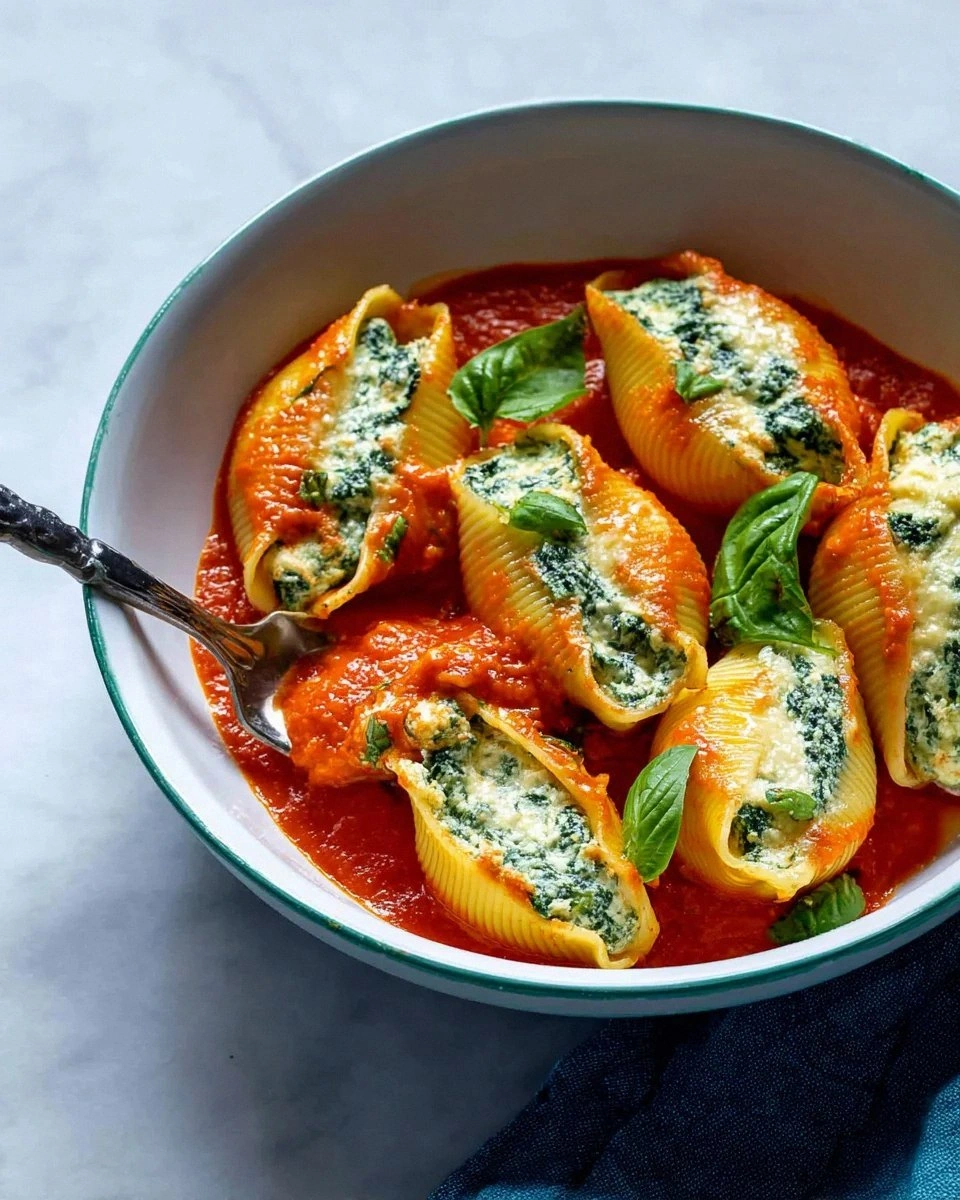
The Method — Step by Step
Preheat your oven to 375°F (190°C). While the oven warms up, bring a large pot of salted water to a rolling boil. Drop the jumbo shells in and cook for just 4‑5 minutes—just enough to soften the edges without fully cooking them. This short boil is the secret that keeps the shells from cracking later. When they float to the surface, use a slotted spoon to transfer them to a bowl of ice water; this shock stops the cooking process and makes them easier to handle.
While the shells are cooling, heat 2 tbsp of olive oil in a large skillet over medium heat. Add the minced garlic and toast for about 30 seconds until you smell that nutty, aromatic perfume—this is the moment where flavor truly awakens. Then toss in the fresh spinach, season with a pinch of salt, and sauté until wilted, about 2‑3 minutes. Drain any excess liquid by pressing the spinach against the side of the pan with a wooden spoon; you don’t want watery shells later.
In a large mixing bowl, combine the ricotta, shredded mozzarella, grated Parmesan, the sautéed spinach, a pinch of freshly grated nutmeg, ½ tsp black pepper, and 1 tsp salt. Use a rubber spatula to fold everything together until you have a uniform, creamy mixture. Taste a tiny spoonful—if it feels bland, add a pinch more salt; the filling should be flavorful because the sauce will be relatively mild.
Now, gently stuff each shell with the ricotta mixture. The trick is to use a small cookie scoop or a tablespoon; overfilling can cause the shells to burst in the oven. Place each stuffed shell seam‑side down on a parchment‑lined baking sheet. You should have about 12 shells, but if you have extra filling, you can spoon it around the edges of the dish later.
Time for the basil sauce. In a blender, combine 1 cup packed fresh basil leaves, 2 tbsp toasted pine nuts, 3 minced garlic cloves, 1 tsp lemon zest, and ¼ cup grated Parmesan. Pulse until you have a coarse paste. With the blender running, drizzle in 2 tbsp olive oil until the mixture emulsifies into a smooth, vibrant green sauce.
Transfer the basil paste to a saucepan over medium heat. Sprinkle in 2 tbsp all‑purpose flour and whisk continuously for about a minute; this creates a roux that will thicken the sauce without clumping. Slowly pour in 1 cup milk while whisking, then bring the mixture to a gentle simmer. Once it starts to thicken (about 3‑4 minutes), stir in ½ cup heavy cream and let it simmer for another 2 minutes. The sauce should coat the back of a spoon and have a glossy sheen.
Arrange the stuffed shells in a 9‑x‑13‑inch baking dish, overlapping them slightly so no gaps remain. Pour the warm basil sauce evenly over the shells, ensuring each one is completely cloaked. Sprinkle an extra ¼ cup of grated Parmesan on top for a golden crust.
Cover the dish with foil and bake for 20 minutes. After 20 minutes, remove the foil and continue baking for another 10‑12 minutes, or until the sauce bubbles and the cheese on top turns a deep, caramelized gold. The edges of the shells should start pulling away from the sauce, signaling that they’re perfectly cooked.
Once out of the oven, let the dish rest for 5 minutes. This short rest allows the sauce to set, making it easier to serve. Garnish with a handful of fresh basil leaves and a drizzle of extra‑virgin olive oil for that final glossy finish. Serve hot, and watch your guests dive in with gleeful anticipation.
That's it — you did it. But hold on, I've got a few more tricks that'll take this to another level...
Insider Tricks for Flawless Results
The Temperature Rule Nobody Follows
Never bake stuffed shells at a scorching 425°F. High heat can cause the sauce to scorch at the edges while the interior remains lukewarm. Keep the oven at a steady 375°F, and if you want extra browning, finish with a quick broil for 1‑2 minutes—just watch it like a hawk, because the cheese can go from golden to burnt in seconds.
Why Your Nose Knows Best
When the sauce starts to bubble, trust the aroma. A faint, nutty scent means the flour roux has cooked through; a sharp, burnt smell signals you’ve pushed the heat too high. If you ever feel uncertain, take a quick sniff; your nose is the most reliable thermometer in the kitchen.
The 5‑Minute Rest That Changes Everything
Allowing the dish to rest for five minutes after it comes out of the oven isn’t just about etiquette. The rest lets the sauce thicken further and the cheese settle, so when you cut into a shell, the filling doesn’t spill out like a lava flow. This tiny pause makes the plating look cleaner and the texture more cohesive.
The Secret of Toasted Pine Nuts
Toast pine nuts until they’re just golden, not brown. The difference between a light toast and a burnt one is a matter of seconds, but the flavor shift is massive. Lightly toasted nuts add a buttery crunch that lifts the basil sauce from “good” to “show‑stopper.”
The “No‑Water” Sauce Technique
When you whisk flour into the hot butter, you’re creating a roux that can seize if water is added too quickly. Instead, use warm milk and add it gradually while whisking constantly. This ensures a silky texture without lumps, and the sauce stays glossy rather than grainy.
Creative Twists and Variations
This recipe is a playground. Here are some of my favorite ways to switch things up:
Sun‑Dried Tomato Surprise
Swap half of the fresh basil for sun‑dried tomatoes blended into the sauce. The result is a richer, slightly sweet sauce that pairs beautifully with the creamy filling. Ideal for those who love a hint of Mediterranean sunshine.
Spicy Arrabbiata Kick
Add a pinch of red‑pepper flakes to the basil sauce and a splash of arrabbiata sauce to the filling. This gives the dish a gentle heat that awakens the palate without overpowering the delicate cheese.
Vegan Velvet
Replace ricotta with a tofu‑based ricotta (blend silken tofu, lemon juice, and nutritional yeast) and use dairy‑free mozzarella. Swap heavy cream for coconut cream and use olive oil instead of butter. The result is a plant‑based version that still delivers that creamy, dreamy texture.
Mushroom Medley
Sauté a mixture of cremini, shiitake, and oyster mushrooms with the spinach. The earthy umami adds depth, making the dish feel heartier—perfect for cooler evenings.
Four‑Cheese Fiesta
Add a handful of grated Gruyère and a sprinkle of crumbled feta to the filling. The Gruyère brings a nutty bite, while feta adds a salty tang that cuts through the richness.
Herb‑Infused Twist
Mix fresh oregano, thyme, and parsley into the basil sauce for a garden‑fresh herb explosion. This variation works especially well when you have a surplus of herbs from a spring garden.
Storing and Bringing It Back to Life
Fridge Storage
Cool the baked shells to room temperature, then cover the dish tightly with foil or transfer the leftovers to an airtight container. They’ll keep for up to 3 days. When reheating, sprinkle a few extra drops of olive oil on top to prevent the sauce from drying out.
Freezer Friendly
Unbaked, stuffed shells freeze beautifully. Arrange them on a baking sheet, freeze until solid, then transfer to a zip‑top bag. When you’re ready, bake them straight from the freezer, adding an extra 10‑15 minutes to the cooking time. The sauce will thaw and meld perfectly as it bakes.
Best Reheating Method
To revive leftovers, preheat the oven to 350°F (175°C), place the portion in a shallow baking dish, and add a splash (about 2 tbsp) of water or broth. Cover with foil and heat for 15‑20 minutes, then uncover for the final 5 minutes to re‑crisp the cheese. The added moisture creates steam that restores the sauce’s silkiness.