I still remember the morning I ruined Thanksgiving brunch. There I stood, apron askew, clutching a spatula like it might save my dignity, while my family stared at the sad, soggy pumpkin bread I'd attempted to transform into French toast. The center was raw, the edges burnt, and the syrup tasted like someone dissolved a candle in sugar water. My cousin took one bite, politely set down her fork, and whispered, "Maybe we just order bagels?" That culinary face-plant haunted me for years—until last October when I cracked the code to what I now call the breakfast equivalent of a warm sweater on a crisp morning.
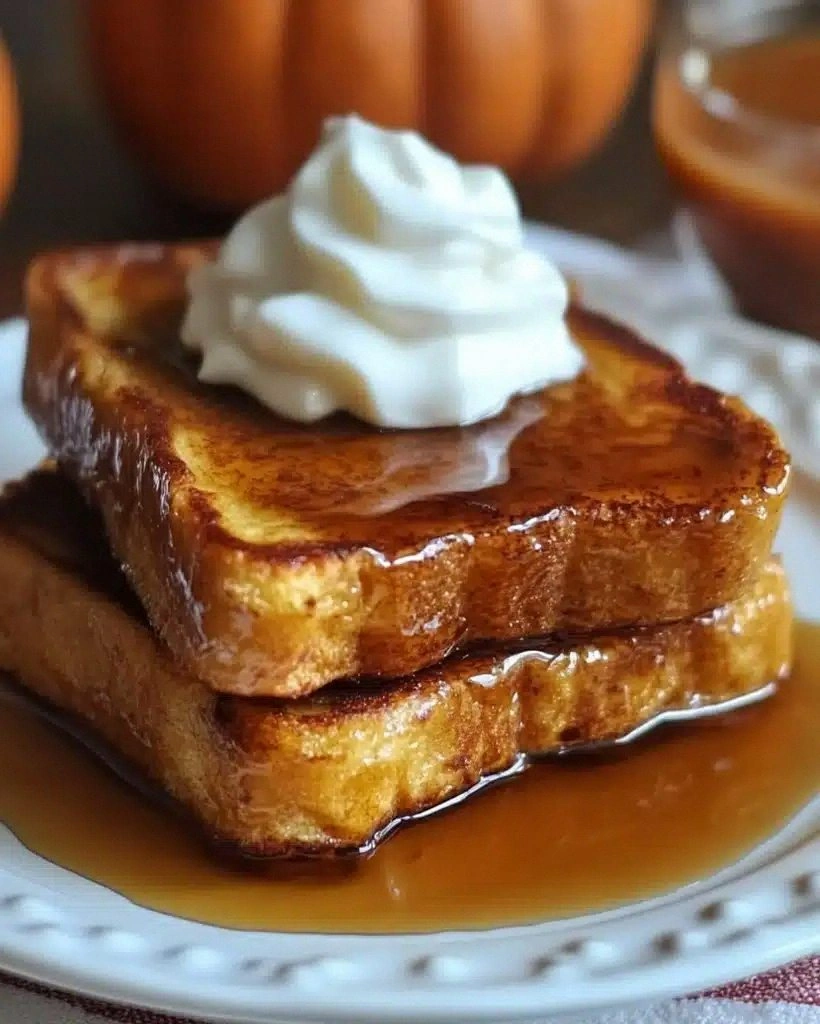
This isn't just another pumpkin-spike-and-fry situation. We're building layers of custardy brioche that soak up real pumpkin purée, fragrant spices, and just enough brown sugar to caramelize the edges into lacy, crackly frames. The syrup alone will make you question every diner you've ever visited: it's velvet-thick, maple-kissed, and carries the fainst whisper of bourbon if you're feeling rebellious. Picture yourself pulling the first slice from the pan—the butter hisses, cinnamon swirls through the air like aromatic confetti, and the toast lands with a satisfied plop that echoes through your kitchen like a breakfast drumroll.
Most recipes get this completely wrong. They treat pumpkin like an afterthought, dump in pre-mixed "pumpkin pie spice," and wonder why the final product tastes like cardboard that's been left in a Yankee Candle store overnight. Here's what actually works: we bloom the spices in browned butter so their oils awaken, we fold pumpkin purée into a custard so silky it could double as dessert mousse, and we finish with a syrup that simmers long enough to taste like liquid autumn but stays pourable straight from the fridge. If you've ever struggled with French toast that's wet in the middle or syrup that crystallizes into rock candy, you're not alone—and I've got the fix.
Okay, ready for the game-changer? We're going to age the custard. Ten minutes of rest lets the starches hydrate, the spices marry, and the pumpkin mellow so every bite tastes like it was crafted by a Parisian pastry chef who moonlights at a Vermont sugar shack. Let me walk you through every single step—by the end, you'll wonder how you ever made it any other way.
What Makes This Version Stand Out
Pumpkin-Forward: Most recipes hide behind cinnamon. Here, real pumpkin purée stars, lending natural sweetness, a sunset-orange hue, and that unmistakable autumn flavor that makes you want to wear plaid and stomp through leaves.
Texture Alchemy: By combining thick-cut brioche with a custard that's heavier on yolks than milk, you get custard-soft centers and caramel-crisp edges that shatter like thin ice under your fork—no soggy bottoms, no dry Sahara crusts.
One-Pan Syrup Magic: While the toast cooks, the same skillet cradles maple, pumpkin, and butter into a glossy syrup in under five minutes. Fewer dishes, more flavor, and your stove smells like a harvest festival.
Make-Ahead Hero: The custard mix keeps three days refrigerated, so you can soak and griddle on sleepy weekday mornings faster than a drive-thru run. Future-you will high-five past-you.
Spice Strategy: We bloom cinnamon, nutmeg, and cardamom in brown butter—releasing volatile oils that perfume the kitchen and taste deeper than any premixed spice blend could dream.
Crowd-Pleasing Flexibility: Kids love the sweet warmth; adults appreciate the bourbon option and the way sea salt cuts through richness. Serve it at brunch, call it dessert, or eat it standing at the counter at 2 a.m.—no judgment.
Alright, let's break down exactly what goes into this masterpiece...
Inside the Ingredient List
The Flavor Base
Pumpkin purée is the soul of this dish, but reach for the plain canned stuff, not the sugary pie filling. You want earthy sweetness that plays well with brown sugar and spice. If you only have pie filling, cut the added sugar in half and skip the spice blend—your toast will still sing, but with backup vocals instead of a solo.
Heavy cream might feel indulgent, but it's insurance against dry toast. The fat coats the brioche, repelling excess moisture so the centers stay custardy without turning into pumpkin-scented papier-mâché. No cream? Whole milk plus a tablespoon of melted butter works in a pinch, though you'll lose some silkiness.
Dark brown sugar brings molasses undertones that kiss the edges of the bread during frying, creating those crave-worthy lacy bits that taste like the top of a crème brûlée. Light brown sugar works, but the flavor flirts with bland; add a teaspoon of molasses if you're stuck with the pale stuff.
The Texture Crew
Buy brioche in a fat bakery loaf, not the skinny pre-sliced sandwich style. You want inch-thick slabs sturdy enough to soak for a full minute without collapsing into pumpkin pudding. Challah or potato bread are decent understudies, but brioche's buttery crumb drinks custard like it's been training for this moment its entire life.
Egg yolks are the silent MVPs. They thicken the custard, add sunrise-yellow color, and create a velvety mouthfeel that whole eggs alone can't deliver. Save the whites for an omelet tomorrow—your future self already appreciates the foresight.
A whisper of cornstarch might feel odd, but it stabilizes the custard so the pumpkin doesn't separate into grainy specks. Think of it as culinary insurance that costs pennies and pays off in perfectly smooth slices.
The Unexpected Star
Cardamom often sits in the back of the spice rack, but here it steps forward with citrusy perfume that makes cinnamon smell like it hired a personal trainer. Buy whole pods if you can; crack them open and grind the seeds for a fragrance that'll make neighbors knock on your door.
Vanilla bean paste trumps extract. Those tiny flecks dot the custard like culinary caviar and give the syrup a gourmet vibe that'll have brunch guests asking which bakery you robbed. No paste? Double the extract and add a pinch of instant espresso—it deepens flavor the way sunglasses add mystery.
The Final Flourish
Real maple syrup is non-negotiable. The fake corn-syrup stuff tastes like plastic Halloween costumes and will ruin everything you've built. Grade B (now labeled Grade A Dark) carries robust flavor that punches through pumpkin without getting lost.
Unsalted butter lets you control seasoning. Salted butter works, but cut any added salt in half; you want contrast, not a salt lick.
Everything's prepped? Good. Let's get into the real action...
The Method — Step by Step
- Start by melting four tablespoons of butter in a skillet until the foam subsides and the milk solids turn chestnut brown—your kitchen will smell like toasted hazelnuts and victory. Swirl constantly because butter goes from perfect to bitter faster than a toddler's mood swing. Pour half of this liquid gold into a heat-proof bowl for later; leave the rest in the pan for blooming spices.
- Sprinkle cinnamon, nutmeg, and cardamom into the still-hot skillet and stir for thirty seconds. The spices will sizzle and darken, unlocking oils that smell like someone bottled autumn and set it on fire. Keep the heat medium; scorched spices taste like regret and pencil shavings.
- Whisk together pumpkin purée, brown sugar, egg yolks, heavy cream, vanilla bean paste, and that reserved brown butter until the mixture looks like velvet sunset. Add a pinch of salt—salt amplifies sweetness the way a frame elevates art. Let this custard rest for ten minutes; during this brief vacation the starches hydrate and the flavors meld so your toast tastes like it spent a night in flavor finishing school.
- Lay your brioche slices on a rimmed baking sheet and pour the custard over the top. Flip each piece once, using tongs like a gentle giant, then walk away for one full minute per side. The bread should feel heavy and saturated but not falling apart—think of a well-watered houseplant versus one drowning in the rain.
- Heat a heavy skillet—cast iron if you've got it—over medium until a drop of water skitters like it's late for a meeting. Add a knob of butter; when it foams, lay in the first slice. Hear that sizzle? That's the sound of success caramelizing. Cook three to four minutes per side, pressing gently with a spatula so the center contacts the heat but not so hard you squeeze out the custard.
- Flip once and only once. Multiple flips are the enemy of that lacy crust. Peek after three minutes; the underside should be the color of a perfectly toasted marshmallow. If it's pale, give it another thirty seconds. If it's black, lower the heat and promise the toast you'll do better next time.
- Transfer finished slices to a wire rack set over a baking sheet in a low oven—this keeps them crisp while you griddle the rest. Stack them on a plate and they'll steam themselves soggy faster than gossip spreads at book club.
- While the last slice cooks, return the skillet to medium heat and pour in maple syrup, a spoonful of pumpkin, and a splash of cream. Whisk until it bubbles like a witch's cauldron and thickens enough to coat the back of a spoon. Off heat, swirl in a tablespoon of butter for gloss that would make a hair commercial jealous.
- Serve two slices per plate, drizzle with the glossy syrup, and watch faces light up like you've just handed out front-row concert tickets. Garnish with a dusting of powdered sugar if you're feeling fancy, or just hand over the syrup boat and let people go wild.
That's it—you did it. But hold on, I've got a few more tricks that'll take this to another level...
Insider Tricks for Flawless Results
The Temperature Rule Nobody Follows
Medium heat is gospel. Too high and the custard scorches before the center sets; too low and the bread dries out while waiting for color. Think of it like tanning—slow and steady bronze beats lobster-red every time. If you're unsure, sacrifice one slice as a test pilot and adjust accordingly.
Why Your Nose Knows Best
When the butter stops foaming and starts smelling like toasted nuts, you're thirty seconds from browning. Stand there, wooden spoon in hand, and babysit that butter like it's a toddler at a pool party. The moment you see amber flecks and smell hazelnuts, yank it off heat—the residual pan will finish the job.
The 5-Minute Rest That Changes Everything
After cooking, let the toast rest on the wire rack for five minutes before syrup touches it. This brief pause lets the custard set, so when you cut into it you get clean slices rather than custard lava. A friend tried skipping this step once—let's just say it didn't end well for her white tablecloth.
Double-Dip for Extra Custardy Centers
If you love the creamy middle more than the crispy edge, dip the soaked bread back into the custard for a second, quicker soak—fifteen seconds per side. It's like giving your toast a custard bath, but work fast; brioche is thirsty and will fall apart if you linger.
The Salt Switch-Up
Use flaky sea salt on top instead of table salt. Those crunchy crystals pop against sweet syrup and give tiny bursts of salinity that make the maple taste mapley-er. It's the culinary equivalent of turning up the volume on your favorite song.
Creative Twists and Variations
This recipe is a playground. Here are some of my favorite ways to switch things up:
Bourbon Pecan Pumpkin Toast
Swap two tablespoons of maple syrup in the custard for bourbon, then fold in a handful of chopped toasted pecans. The alcohol cooks off, leaving smoky depth that pairs with the nutty crunch like they were destined to meet on a breakfast plate.
Cream Cheese-Stuffed Surprise
Beat softened cream cheese with powdered sugar and a whisper of vanilla, then sandwich a thin layer between two slices of brioche before soaking. When griddled, the filling melts into a cheesecake core that makes people close their eyes after the first bite.
Savory-Sweet Bacon Edition
Crisp thick-cut bacon, crumble it, and press the shards into the custard on one side of each slice before frying. The salty-sweet contrast tastes like breakfast decided to dress up for date night.
Orange-Cardamom Sunrise
Add a teaspoon of orange zest and an extra pinch of cardamom to the custard. The citrus lifts the pumpkin and makes the whole dish taste brighter—like sunshine on a plate even when it's grey outside.
Coconut Milk Vegan Remix
Substitute full-fat coconut milk for the cream, use cornstarch slurry instead of eggs, and swap in thick slices of day-old challah. The result is dairy-free but still lush, with a subtle coconut aroma that transports you to a beachside autumn.
Mini French Toast Sticks
Cut brioche into strips, soak, and griddle as directed. Serve with the syrup in shot glasses for dipping—perfect for brunch parties where people want to mingle while they munch.
Storing and Bringing It Back to Life
Fridge Storage
Cool leftovers completely, then layer them between sheets of parchment in an airtight container. They'll keep three days in the refrigerator. Reheat in a toaster oven at 350°F for six minutes—skip the microwave unless you enjoy rubbery edges and sad, soggy centers.
Freezer Friendly
Flash-freeze slices on a baking sheet for an hour, then transfer to a zip-top bag with parchment between layers. They'll survive two months in the arctic depths of your freezer. Reheat from frozen in a 375°F oven for twelve minutes, flipping halfway. They emerge almost as crispy as day one.
Best Reheating Method
Add a tiny splash of water to the baking sheet before covering with foil—the steam revives the custard without turning the crust limp. Remove the foil for the last two minutes so the edges crisp back up. It's like sending your toast to a spa day and a tanning session all at once.