Picture this: I’m standing in my tiny kitchen, the timer on the old oven buzzing like an over‑excited bee, and my roommate just dared me to bake something that would make her forget about the pizza she was eyeing in the fridge. I laughed, grabbed a handful of carrots that looked like they’d been plucked from a garden of neon orange, and rummaged through the pantry for that can of crushed pineapple that always sits at the back, gathering dust like a forgotten souvenir. The air was already thick with the faint scent of vanilla from a previous batch of cookies, and I could hear the faint hum of the fridge, the clink of a spoon against a bowl, and the distant bark of a neighbor’s dog. I was half‑confident, half‑panicking, and completely ready to turn this kitchen chaos into something unforgettable.
When the batter finally hit the mixing bowl, it was a swirl of colors that reminded me of a tropical sunrise—bright orange carrots dancing with golden pineapple chunks, all bound together by a silky ribbon of oil and eggs. As I whisked, the fragrance that rose was nothing short of a warm hug: sweet pineapple flirting with the earthy whisper of cinnamon, a hint of vanilla like a secret promise. I could feel the batter’s texture, smooth yet speckled with tiny orange flecks, and I knew this was the moment where ordinary turns into extraordinary. I dared you to taste this and not go back for seconds, because once you bite into that moist crumb, you’ll be chasing that flavor high like a kid after the last piece of candy.
Most carrot‑pineapple cakes I’ve tried in the past ended up dry, bland, or overly sweet, like a carnival treat that lost its sparkle. This version, however, is hands down the best version you’ll ever make at home. The secret? A precise balance of acidity from the pineapple, the natural moisture of shredded carrots, and a frosting that’s tangy enough to cut through the sweetness without being harsh. I’m about to spill the beans on the technique that most recipes get completely wrong: the “oil‑first” method, where you combine the oil and sugar before introducing the eggs, which creates an emulsion that locks in moisture like a tiny, edible sponge.
And there’s a twist you won’t see coming—an optional dash of finely shredded carrots on top of the frosting, adding a pop of color and a subtle crunch that makes every bite a visual and textural surprise. Okay, ready for the game‑changer? Let me walk you through every single step — by the end, you’ll wonder how you ever made it any other way.
What Makes This Version Stand Out
- Taste Harmony: The sweet pineapple and earthy carrots create a flavor duet that feels like a tropical vacation meets a cozy autumn afternoon, balanced by a cream cheese frosting that adds just the right tang.
- Moisture Mastery: By whisking oil and sugar first, the batter retains moisture better than any traditional creaming method, resulting in a crumb that stays soft for days.
- Simplicity Meets Sophistication: Only a handful of pantry staples are needed, yet the final product feels like it came from a five‑star bakery, thanks to precise leavening and spice ratios.
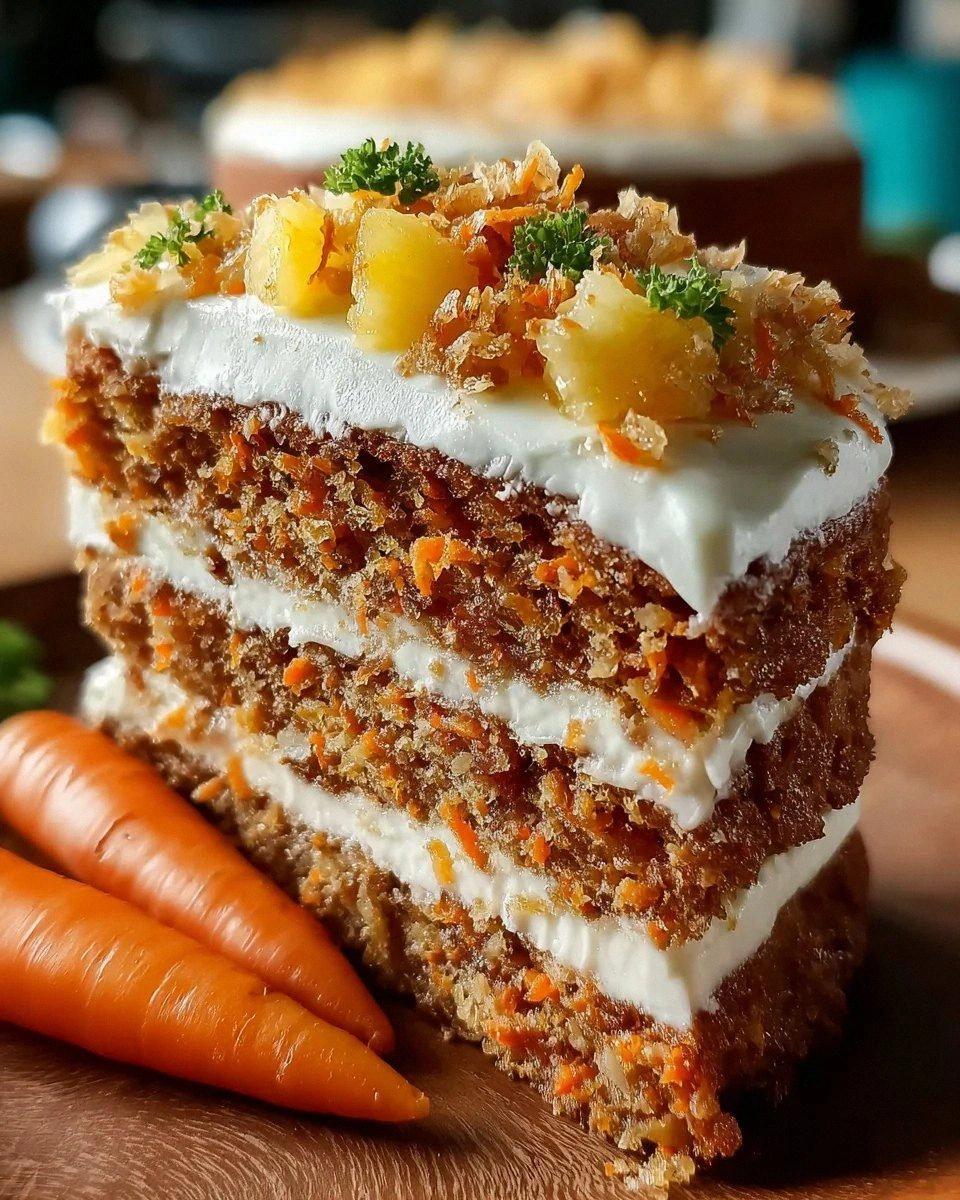
- Unique Visual Appeal: The bright orange speckles of carrot and golden pineapple chunks are visible in every slice, turning each piece into a miniature work of art.
- Crowd‑Pleaser Factor: Whether you serve it at a brunch, a birthday, or a casual get‑together, this cake sparks conversation—people keep asking, “What’s the secret?”
- Ingredient Quality: Using fresh, finely shredded carrots and high‑quality crushed pineapple ensures natural sweetness without the need for excessive added sugar.
- One‑Pan Wonder: The entire cake bakes in a single 9‑inch springform pan, reducing cleanup and making the process feel less intimidating.
- Make‑Ahead Magic: The frosting can be prepared a day ahead, allowing the flavors to meld, and the cake can be stored for up to three days without losing its tender crumb.
Inside the Ingredient List
The Flavor Base
Pure vanilla: A splash of pure vanilla adds aromatic sweetness that deepens the overall flavor profile. If you skip it, the cake loses that subtle, lingering perfume that makes each bite feel luxurious. You can substitute with a high‑quality vanilla extract, but avoid imitation for the best result.
White sugar: This balances the natural acidity of pineapple and the earthiness of carrots. Using superfine sugar helps it dissolve quickly, preventing a grainy texture. If you’re watching carbs, a 1:1 swap with coconut sugar works but will add a caramel note.
The Texture Crew
Cooking oil: Oil keeps the cake wonderfully moist and contributes to a tender crumb. I use a neutral oil like canola or grapeseed; olive oil would add an unwanted fruity note. Butter can be used for richness, but it will create a denser texture.
Eggs: Eggs provide structure and moisture, acting like the scaffolding of a skyscraper. Too many eggs can make the cake rubbery, while too few will cause it to crumble. Three large eggs are perfect for a 9‑inch pan.
Plain flour: The base for your cake; it gives it its lovely texture. Sift the flour with the leavening agents to avoid lumps. For a gluten‑free version, swap with a 1‑to‑1 blend of rice flour and tapioca starch.
The Unexpected Star
Drained crushed pineapple: This juicy addition brings moisture and a tropical flair to every bite. Make sure it’s well‑drained; excess liquid can make the batter too runny, leading to a soggy center. If you can’t find crushed, blend canned pineapple chunks and strain.
Finely shredded carrots: They’re the star of the show, adding natural sweetness and a bit of crunch. Choose carrots that are firm and bright orange; older carrots become woody and lose flavor. For extra depth, grate a small portion of carrot peel (washed well) for a subtle earth note.
The Final Flourish
Cream cheese: The star of the frosting; it adds a creamy tartness that perfectly complements the sweetness of the cake. Use full‑fat cream cheese for the smoothest texture. If you prefer a lighter version, blend half cream cheese with Greek yogurt.
Room temperature butter: It helps in achieving a smooth and creamy frosting consistency. Butter should be softened, not melted, to avoid a greasy frosting.
Sifted powdered sugar: For that perfectly sweet touch in your frosting, sift to avoid lumps. You can replace half with coconut sugar for a slightly caramelized flavor.
Vanilla essence: A bit more vanilla sweetness to elevate your frosting even further. Use the same quality as in the batter for consistency.
Chopped nuts (optional): Add some crunch and texture, perfect for those nut lovers in your life. Toast them lightly to bring out their aroma.
Fresh pineapple chunks and finely shredded carrots (topping): These make for gorgeous toppings, adding a lovely touch of color and flavor! Sprinkle them just before serving for a fresh burst.
Everything's prepped? Good. Let's get into the real action...
The Method — Step by Step
Preheat your oven to 350°F (175°C). While the oven warms up, grease a 9‑inch springform pan with a thin layer of oil and line the bottom with parchment paper. This prevents the cake from sticking and makes removal a breeze. I always give the pan a quick spin to coat every nook; the scent of the oil heating is already a promise of what’s to come.
Kitchen Hack: Place a sheet of aluminum foil under the parchment; it catches any drips and makes cleaning the oven rack effortless.In a large mixing bowl, combine the cooking oil and white sugar. Whisk vigorously for about a minute until the mixture looks glossy and slightly pale. This emulsification step is crucial; it traps tiny air bubbles that later expand, giving the cake its lift. You’ll notice the mixture thickening—a sign that the sugar is beginning to dissolve.
Add the eggs one at a time, beating well after each addition. Then stir in the pure vanilla and vanilla essence for the frosting later (you’ll set aside a teaspoon for the frosting). The batter should become smooth and slightly glossy, with a texture that feels thick yet pourable. If you feel it’s too thick, a splash of milk can loosen it without altering flavor.
In a separate bowl, whisk together the plain flour, raising powder & baking soda, ground cinnamon, and fine sea salt. Sift this dry blend into the wet mixture, folding gently with a rubber spatula. Over‑mixing at this stage can develop gluten, leading to a dense cake—so stop once you see no streaks of flour.
Now the star ingredients join the party: fold in the finely shredded carrots, drained crushed pineapple, and optional chopped nuts. The batter will look speckled and vibrant, like a painter’s palette. This is the moment of truth—if you can smell the sweet pineapple and warm cinnamon mingling, you’re on the right track.
Watch Out: Do not over‑fold the batter; a few lumps are okay. Over‑mixing will deflate the air bubbles you just created, resulting in a flat cake.Pour the batter into the prepared springform pan, smoothing the top with a spatula. Tap the pan gently on the counter three times to release any trapped air pockets. The surface should be level, but a slight dome is fine—it will settle as it bakes.
Slide the pan into the preheated oven and bake for 30‑35 minutes. Around the 25‑minute mark, start checking: insert a toothpick into the center; it should come out with a few moist crumbs but no wet batter. The edges will start pulling away from the sides of the pan, and the top will have a golden‑brown hue that smells like a tropical sunrise.
While the cake bakes, prepare the frosting. In a bowl, beat the room temperature butter until creamy, then add the softened cream cheese and continue beating until the mixture is light and fluffy—think cloud‑like. Gradually sift in the powdered sugar, beating after each addition, and finish with a splash of vanilla essence. The frosting should be smooth enough to spread without tearing the cake.
When the cake is done, let it cool in the pan for 10 minutes, then release the springform and transfer the cake to a wire rack to cool completely. This cooling step is essential; trying to frost a warm cake will melt the butter in the frosting, turning it into a runny mess.
Once completely cooled, spread the cream cheese frosting evenly over the top and sides using an offset spatula. Sprinkle fresh pineapple chunks and a handful of finely shredded carrots on top for that gorgeous finish. Press them gently so they adhere, creating a decorative crown that looks as good as it tastes.
Kitchen Hack: Chill the frosting for 15 minutes before spreading; it firms up just enough to hold the toppings without sliding off.
That's it — you did it. But hold on, I've got a few more tricks that'll take this to another level...
Insider Tricks for Flawless Results
The Temperature Rule Nobody Follows
Never bake a cake straight from the fridge. Let all ingredients reach room temperature before mixing; this ensures even heat distribution and a uniform crumb. I once tried using cold eggs and ended up with a dense center that felt like a rubber band. A quick 30‑minute sit on the counter does wonders.
Why Your Nose Knows Best
When the cake is halfway through baking, the aroma will shift from raw batter to a sweet, caramelized scent. Trust that nose cue more than the clock; if the smell is deep and nutty, the cake is likely done even if the timer shows a few minutes left. Over‑baking can dry out those precious carrots.
The 5‑Minute Rest That Changes Everything
After removing the cake from the oven, let it rest in the pan for exactly five minutes before turning it out. This short pause lets the steam finish cooking the interior gently, preventing a cracked surface. My friend skipped this step once and ended up with a crust that shattered like thin ice—never again.
Frosting Flexibility
If you prefer a lighter frosting, whisk in a tablespoon of milk or heavy cream after the powdered sugar is fully incorporated. This creates a silkier texture without sacrificing sweetness. The trick is to add liquid gradually; too much will make the frosting runny.
Crunch Factor Boost
Toast the chopped nuts in a dry skillet over medium heat for 3‑4 minutes, stirring constantly. This brings out a deeper, buttery flavor that contrasts beautifully with the soft cake. I love adding a pinch of sea salt on top of the toasted nuts for an extra pop.
Creative Twists and Variations
This recipe is a playground. Here are some of my favorite ways to switch things up:
Tropical Coconut Splash
Replace half of the cooking oil with coconut oil and add a quarter cup of shredded coconut to the batter. The coconut aroma pairs beautifully with pineapple, turning the cake into a beach‑side treat. Top with toasted coconut flakes for extra crunch.
Spiced Autumn Edition
Swap the ground cinnamon for a blend of cinnamon, nutmeg, and a pinch of ground cloves. Add a tablespoon of maple syrup to the wet mix for a warm, caramel note that feels like fall in a slice. Serve with a dollop of whipped cream flavored with a dash of pumpkin spice.
Chocolate Carrot Fusion
Incorporate ¼ cup of unsweetened cocoa powder into the dry ingredients and fold in mini chocolate chips with the pineapple. The chocolate’s bitterness balances the sweetness, creating a sophisticated flavor profile. Garnish with a drizzle of dark chocolate ganache.
Gluten‑Free Freedom
Use a 1‑to‑1 gluten‑free flour blend (rice flour, potato starch, tapioca) and add a teaspoon of xanthan gum to mimic gluten’s structure. The result is a tender, crumbly cake that still holds together beautifully. Make sure the baking powder is gluten‑free as well.
Vegan Delight
Replace eggs with flax eggs (1 tbsp ground flaxseed + 3 tbsp water per egg) and use a plant‑based oil like avocado oil. Swap cream cheese for a vegan cream cheese alternative and use coconut sugar for the frosting. The flavor remains bright, and the texture stays moist.
Mini Muffin Magic
Divide the batter into a greased muffin tin and bake for 20‑22 minutes. These bite‑size versions are perfect for brunch buffets or on‑the‑go snacks. Top each muffin with a tiny pineapple chunk and a drizzle of frosting for a pretty presentation.
Storing and Bringing It Back to Life
Fridge Storage
Cover the cake loosely with plastic wrap or store it in an airtight container. It will stay fresh for up to three days, retaining its moisture thanks to the pineapple. If the frosting becomes a bit firm, let the slice sit at room temperature for 15 minutes before serving.
Freezer Friendly
Wrap the cake tightly in a double layer of foil, then place it in a freezer‑safe bag. It can be frozen for up to two months. To thaw, move it to the refrigerator overnight, then let it sit at room temperature for 30 minutes. The texture will be as soft as the day you baked it.
Best Reheating Method
Preheat your oven to 300°F (150°C). Place a slice on a baking sheet, add a tiny splash of water (about a teaspoon) on top, and cover loosely with foil. Heat for 8‑10 minutes; the steam will revive the cake’s softness, and the frosting will melt just enough to become silky again.