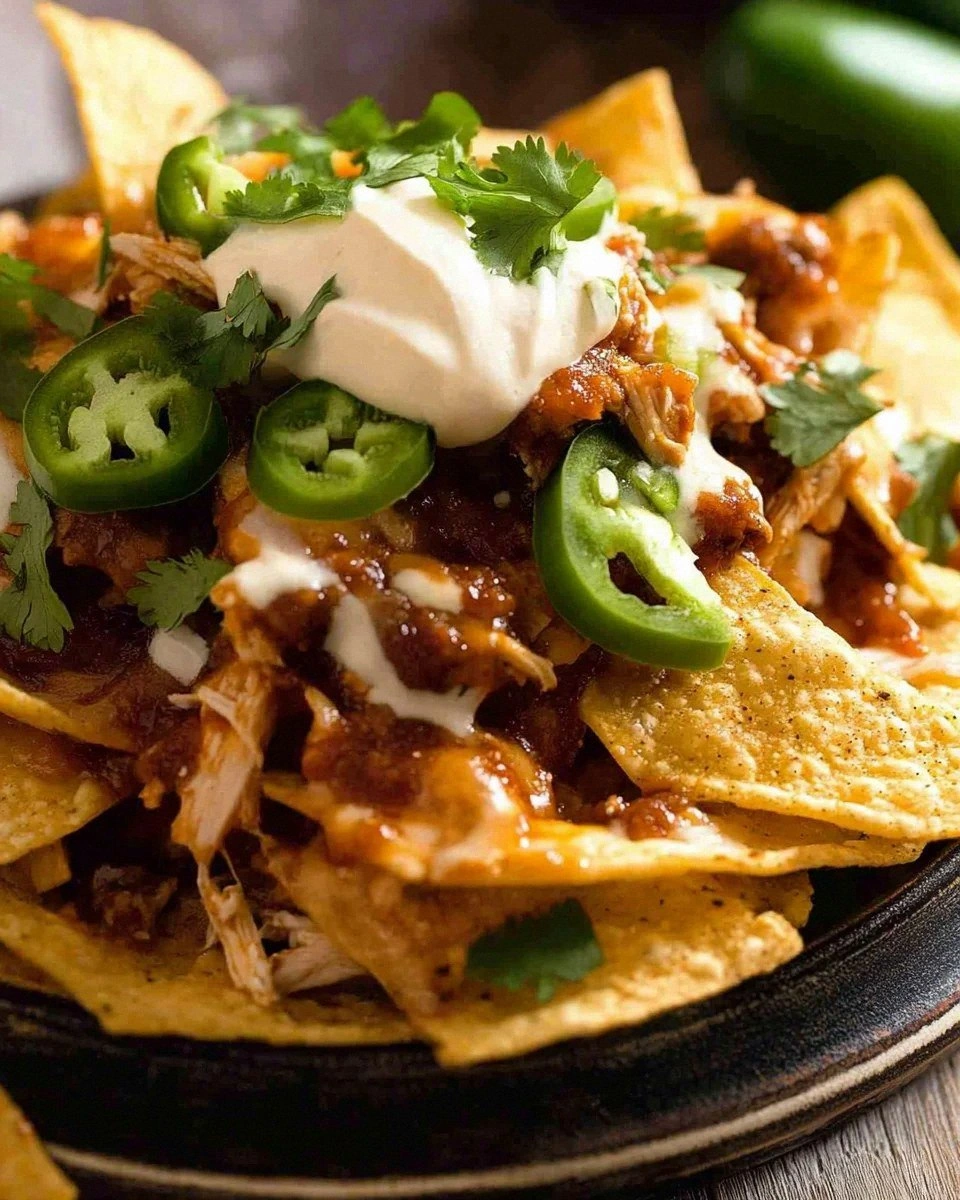
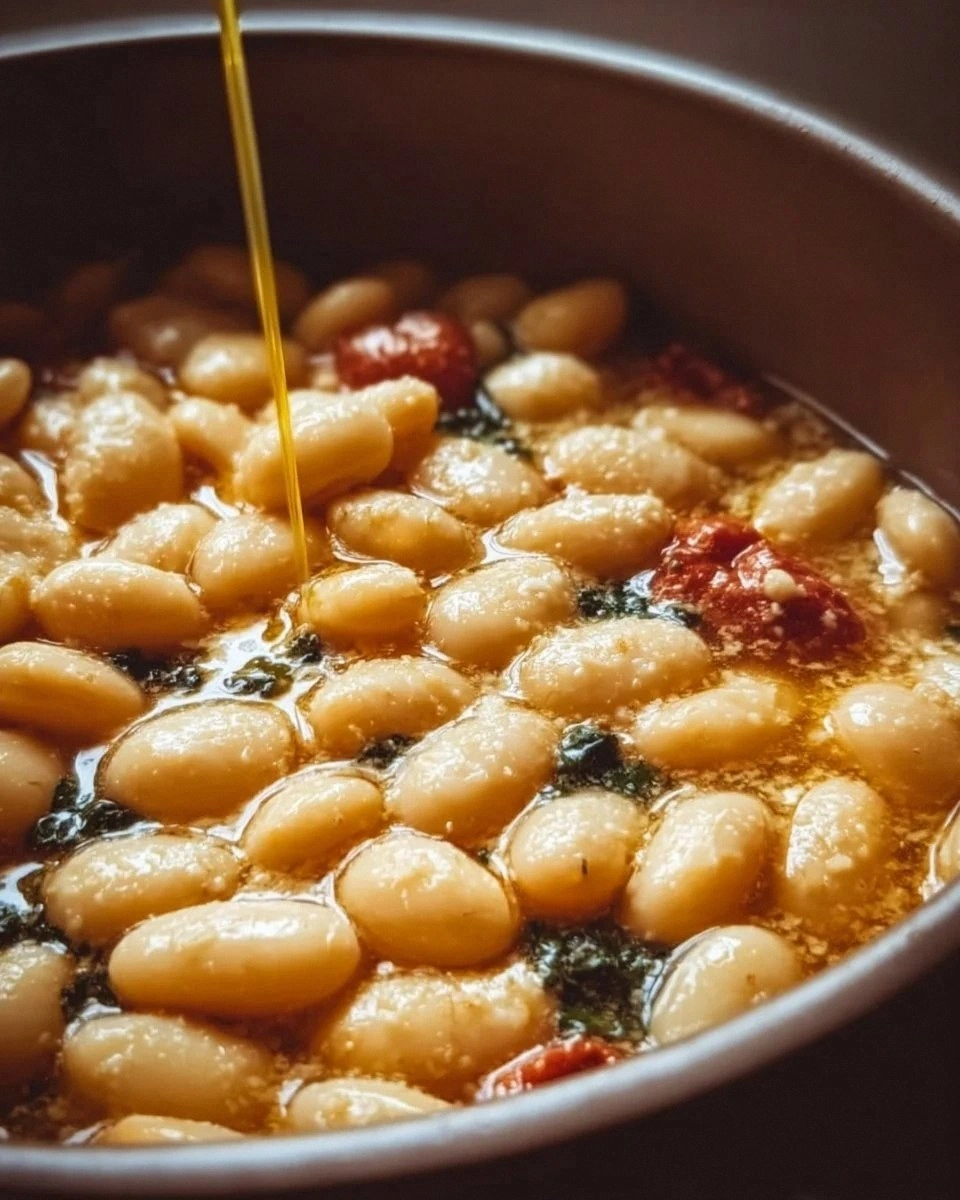
Picture this: I was halfway through a marathon of late‑night ramen, the broth thick and fragrant, when I realized the pantry was a barren wasteland of silence. The only thing that could rescue my taste buds was the humble corned beef left from last week’s lunch. I grabbed a pot, a handful of rice, and a splash of soy sauce, and the kitchen became a battlefield of sizzling flavors. That night, I invented a dish that would become my secret weapon for any hungry soul.
The first bite was an explosion of saltiness that hit the palate like a seasoned sailor’s kiss. The crunch of pickles and the tang of sauerkraut cut through the richness, creating a layered experience that made me question every other fried rice I’d ever tasted. The aroma alone—garlic, onions, and that unmistakable smoky hint of corned beef—was enough to lure even the most disciplined eater into a state of culinary euphoria. It was so good that I could almost hear the kitchen appliances cheering in approval.
This isn’t just another take on a classic dish; it’s a culinary revelation that turns a humble dinner into a celebration. I dare you to taste this and not go back for seconds. The secret? A bold blend of pickled tang, umami-packed beef, and a splash of hot sauce that wakes up every other ingredient. And the best part? It’s a one‑pot wonder that’s ready in under an hour. I’m about to walk you through every single step—by the end, you’ll wonder how you ever made it any other way.
Let’s dive deep into why this version stands out, what makes each bite unforgettable, and how you can tweak it to suit your taste buds. Whether you’re a seasoned chef or a kitchen newbie, you’ll find this recipe both approachable and exhilarating. The next section will break down the magic that makes this dish a standout in any dinner lineup.
What Makes This Version Stand Out
- Umami Explosion: The corned beef, seasoned with its brine and spices, delivers a depth that’s hard to beat. It’s like a savory perfume that lingers on the tongue, making every mouthful memorable. This isn’t just beef; it’s a flavor powerhouse that transforms the dish.
- Texture Symphony: The combination of crisp pickles, tender sauerkraut, and fluffy rice creates a satisfying bite that dances across the palate. Each element plays its part—crunch, chew, melt—resulting in a harmonious mouthfeel. You’ll find yourself savoring every bite like a well‑orchestrated concerto.
- Quick & Effortless: With a prep time of just fifteen minutes and a cook time of thirty, this recipe is a lifesaver on busy weeknights. No complicated sauces or long marination periods. It’s the ultimate “grab‑and‑go” comfort food.
- Unexpected Twist: The inclusion of sauerkraut and pickles adds a tangy punch that sets this fried rice apart from traditional versions. It’s a daring move that pays off in every bite, giving the dish a unique character.
- Crowd‑Pleaser: Friends who’ve tried it often say it’s “hands down the best version you’ll ever make at home.” The bold flavors and comforting textures make it a hit at gatherings or solo meals alike.
- Ingredient Integrity: Each component is chosen for its quality and contribution to the overall flavor profile. From the neutral oil that keeps the pan slick to the hot sauce that adds heat, every element is purposeful.
- Make‑Ahead Friendly: The dish retains its flavor even after refrigeration, making it perfect for meal prep. Reheat and enjoy a fresh batch with minimal fuss.
- Versatility: Swap the pickles for jalapeños or the sauerkraut for kimchi, and you’ll get a whole new flavor adventure. The base is solid enough to accommodate creative twists.
Alright, let's break down exactly what goes into this masterpiece. The next section will walk you through the ingredient groups that create the foundation of this dish.
Inside the Ingredient List
The Flavor Base
Neutral oil is the unsung hero that lets the other flavors shine. A tablespoon of a high‑smoke‑point oil—like canola or grapeseed—keeps the pan slick and prevents the ingredients from sticking. If you’re craving a smoky undertone, a splash of sesame oil in the last minute of cooking will add a nutty aroma without overpowering the dish.
Corned beef, the star of the show, is a cured cut that carries a briny, savory profile. Two cups of diced or shredded corned beef bring a hearty, meaty depth that anchors the entire dish. The salt in its cure is already balanced, so you’ll want to keep the added salt to a minimum to avoid a runaway salty finish.
Garlic, with its pungent aroma, is minced finely to release its oils. Three cloves will give the dish a subtle heat that lingers without becoming a dominant flavor. If you’re sensitive to garlic, reduce the amount by half and pair it with a splash of lemon zest for brightness.
The Texture Crew
Rice is the backbone of any fried rice dish. Four cups of pre‑cooked, cold rice—ideally a day old—ensures each grain stays separate and doesn’t turn mushy. The cold rice also allows it to absorb the flavors without becoming soggy.
Eggs add a silky, protein‑rich element that binds the rice together. Two large eggs are beaten and scrambled into the pan, creating soft curds that mingle with the other ingredients. If you prefer a fluffier texture, whisk the eggs with a splash of milk before scrambling.
Green onions, sliced into thin rings, bring a bright, oniony crunch that contrasts the savory corned beef. Three medium stalks, both white and green parts, add layers of flavor. Reserve a few green tops for garnish to give the dish a fresh finish.
The Unexpected Star
Sauerkraut introduces a fermented tang that cuts through the richness of the beef and eggs. One cup of sauerkraut, drained and chopped, adds a slight bite and a probiotic boost. If you’re not a fan of sauerkraut’s sharpness, replace it with diced red cabbage for a milder crunch.
Pickles, whether bread and butter or dill, provide a sweet‑sharp counterpoint that balances the saltiness of the corned beef. One cup of diced pickles brings a refreshing snap and a burst of acidity that lifts the entire dish. For a spicy kick, use pickles brined in chili flakes.
The Final Flourish
Soy sauce is the umami glue that brings everything together. Three tablespoons of low‑sodium soy sauce add depth and a subtle salty sheen. Adjust the amount to taste, but remember that the corned beef already carries salt.
Hot sauce is the finishing touch that gives the dish a lively heat. A tablespoon—or to your liking—of your favorite hot sauce adds a fiery finish that wakes up the senses. If you prefer a milder heat, opt for a sweet chili sauce or a drizzle of sriracha.
Everything's prepped? Good. Let's get into the real action. The next section will guide you through the cooking process step by step.
The Method — Step by Step
-
Heat a large wok or skillet over medium‑high heat and pour in the tablespoon of neutral oil. Watch as it shimmers and starts to lightly smoke—this is the cue that the pan is ready. Add the minced garlic and sauté for about 30 seconds, letting the aroma bloom without letting it burn. This quick garlic burst sets the flavor foundation for the dish.
-
Introduce the diced corned beef to the pan, breaking up any clumps with a wooden spoon. Stir‑fry for 2–3 minutes until it starts to brown slightly and releases a savory aroma. The beef should feel warm and slightly crispy on the edges, indicating that it’s absorbing the oil and seasoning. This step is crucial for building depth.
-
Push the beef to one side of the pan and pour the beaten eggs onto the empty space. Scramble them gently until they’re just set, then fold them into the beef mixture. The eggs act as a binder, creating a silky texture that holds the rice together. Keep the heat steady so the eggs don’t overcook or dry out.
-
Add the cold, pre‑cooked rice, breaking up any clumps with your spoon. Toss everything together, ensuring the rice is evenly coated with oil and the flavors mingle. This step takes about 4–5 minutes; the rice should be heated through but still firm. The goal is to achieve a slightly toasted, caramelized surface on each grain.
-
Stir in the chopped sauerkraut and diced pickles, letting them heat through for a minute. The pickles should soften just enough to release their juices, while the sauerkraut adds a fermented tang. The mixture should smell bright and slightly sour, a perfect counterbalance to the savory beef.
-
Pour in the soy sauce and sprinkle the hot sauce over the rice. Mix well, ensuring every grain gets a coat of sauce. The soy sauce should give the dish a glossy sheen, while the hot sauce adds a subtle heat that lingers. Taste at this point; adjust the soy or hot sauce if you prefer more salt or heat.
-
Add the sliced green onions, reserving a few for garnish. Stir everything for another 2 minutes, allowing the onions to soften slightly but still retain a crisp bite. The onions add a fresh, slightly sweet note that lifts the dish from heavy to light.
-
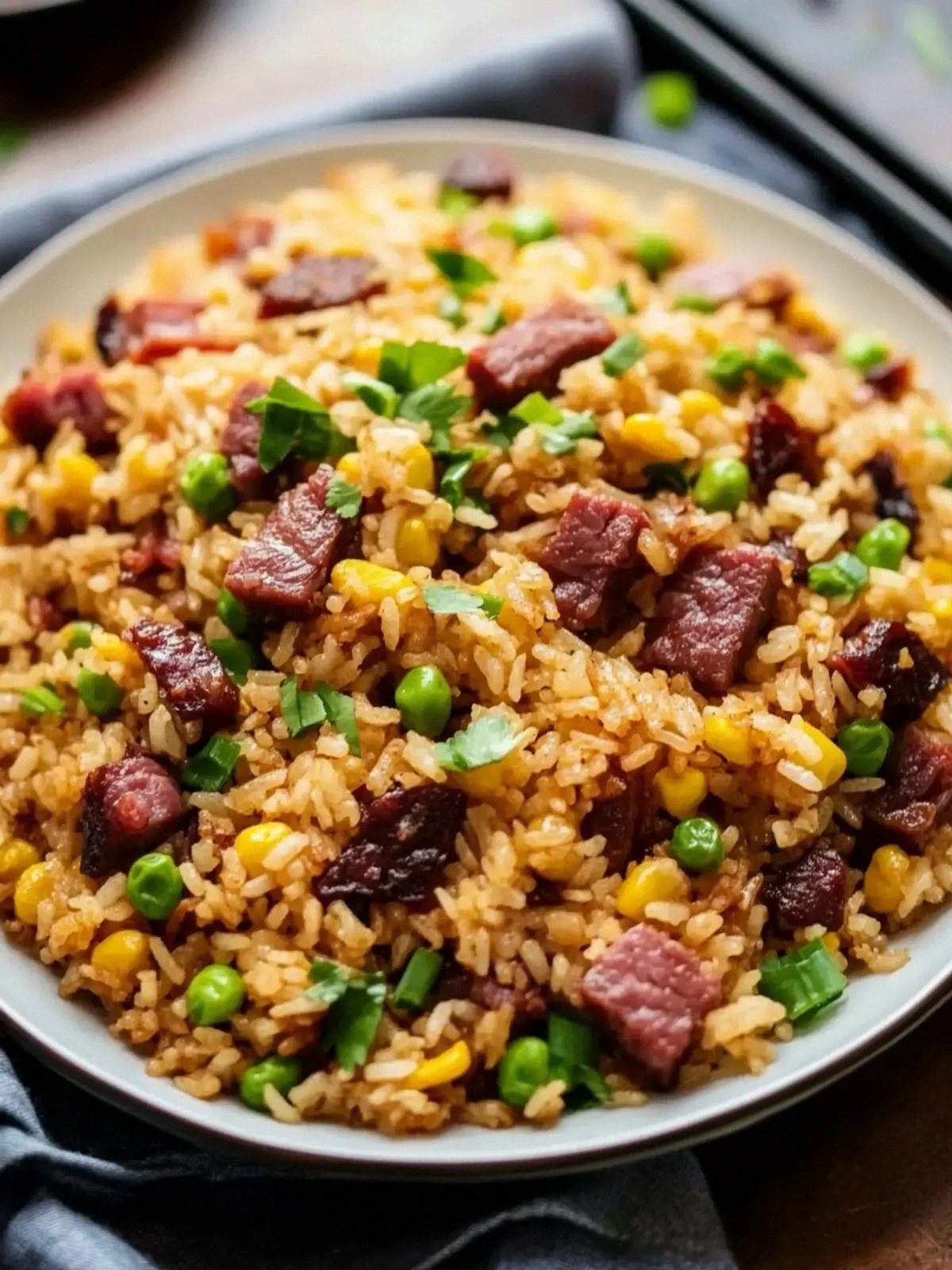
Finally, give the whole pot a final stir, then remove from heat. Let it rest for a minute so the flavors meld together. Serve hot, garnishing with the reserved green onion tops and a drizzle of extra hot sauce if you’re feeling adventurous. The dish should look glossy, the rice grains distinct, and the aromas intoxicating.
That's it — you did it. But hold on, I've got a few more tricks that'll take this to another level. The next section will share insider tips that will elevate your fried rice from good to unforgettable.
Insider Tricks for Flawless Results
The Temperature Rule Nobody Follows
Many cooks lower the heat too soon, resulting in soggy rice. Keep the skillet at medium‑high throughout the process. This ensures the rice gets a slight char on the bottom, adding a subtle nutty flavor that’s essential for a winning fried rice.
Why Your Nose Knows Best
Don’t rely solely on taste when seasoning. The aroma of the garlic and the sizzling of the beef should signal when you’re close to the right balance. If the scent feels too flat, add a pinch of salt or a splash more soy sauce. Your nose is a reliable guide.
The 5‑Minute Rest That Changes Everything
After removing the pan from heat, let the dish sit covered for exactly five minutes. This brief rest allows the flavors to meld, the rice to steam slightly, and the textures to settle. When you re‑stir before serving, the result is a more cohesive, flavorful bite.
Keep It Cool When You’re in a Hurry
If you’re making this dish in advance, store it in a shallow container to keep the heat from creating steam pockets. When reheating, add a splash of water and cover the pan to steam the rice back to perfection. This trick preserves the fluffy texture and prevents it from drying out.
Add a Splash of Umami
A teaspoon of fish sauce or a dash of Worcestershire sauce can deepen the umami profile. Use sparingly; a little goes a long way. This addition can transform the dish into an even richer, more complex experience.
Creative Twists and Variations
This recipe is a playground. Here are some of my favorite ways to switch things up:
Kimchi Kick
Swap sauerkraut for kimchi and use gochujang instead of hot sauce. The result is a spicy, fermented Korean‑style fried rice that’s perfect for adventurous eaters.
Mediterranean Flair
Replace the pickles with sun‑dried tomatoes and add a handful of chopped olives. Finish with a squeeze of lemon and a sprinkle of oregano for a bright, aromatic twist.
Vegan Version
Omit the eggs and use a tofu scramble instead. Keep the corned beef for flavor or substitute with smoked tempeh. This version delivers the same umami punch while staying plant‑based.
Breakfast Boost
Serve the fried rice with a side of fried eggs or a dollop of Greek yogurt. The creamy addition complements the savory rice and makes it a hearty breakfast or brunch.
Spicy Jalapeño Twist
Add diced jalapeños or a splash of chipotle sauce to the mix. The heat will intensify, giving the dish a smoky, fiery edge that pairs well with a cool cucumber salad.
Sausage Surprise
Stir in sliced breakfast sausage or chorizo for an extra meaty dimension. The sausage’s spices mingle with the soy sauce, creating a robust flavor profile that’s both comforting and bold.
Storing and Bringing It Back to Life
Fridge Storage
Store leftovers in an airtight container for up to three days. The rice will keep its texture if you seal the container tightly. When ready to eat, reheat in a skillet with a splash of water to restore moisture.
Freezer Friendly
For longer storage, freeze the dish in individual portions. It will stay good for up to two months. Thaw overnight in the refrigerator and reheat on the stove, adding a tablespoon of water to keep the rice from drying out.
Best Reheating Method
Reheat the fried rice on medium heat, stirring frequently. Add a splash of water or broth to create steam, which helps the rice regain its fluffiness. Finish with a drizzle of sesame oil for a fragrant finish.