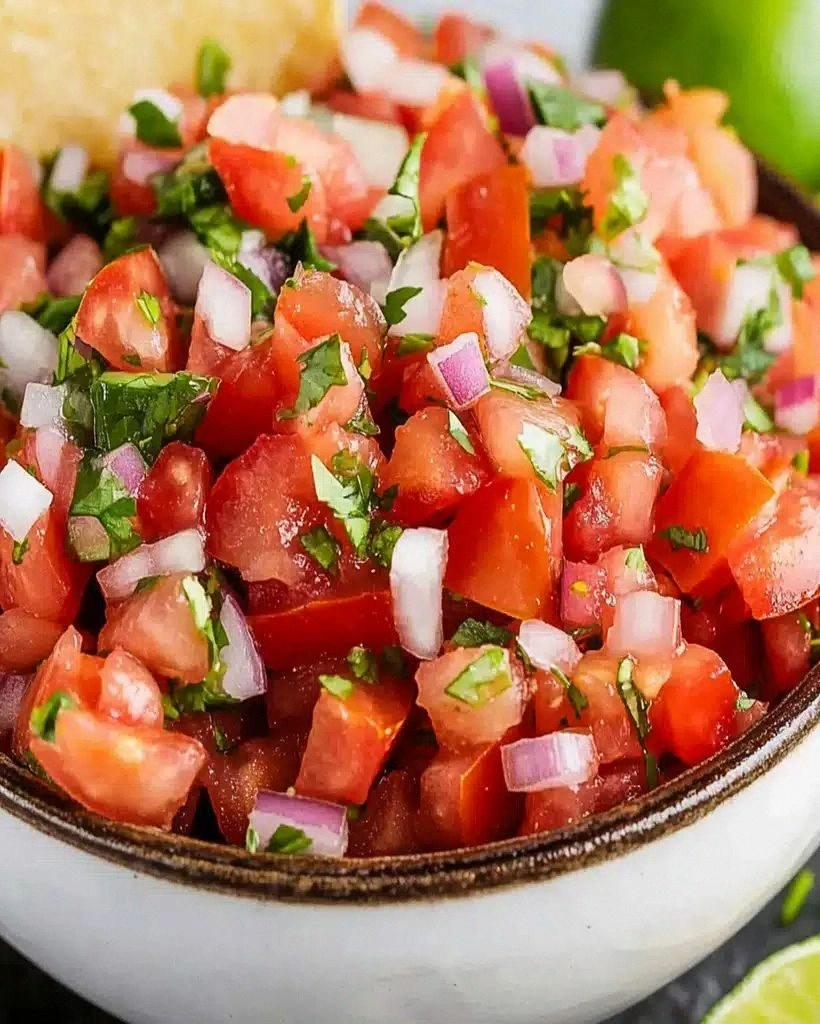
I’m going to start with a confession: I once tried to make a “quick” Greek salad for a potluck, tossed everything together, and ended up with a soggy mess that tasted like a wilted garden. I swear I heard the lettuce weeping. That disaster sparked a fierce, almost obsessive, quest to create the ultimate Mediterranean Greek Salad that would never surrender its crispness or its bold flavors. After countless trial‑and‑error sessions—some involving accidental olive‑oil splatters that could have redecorated my kitchen walls—I finally nailed a version that feels like a sun‑kissed Greek island on a plate. I dare you to taste this and not go back for seconds.
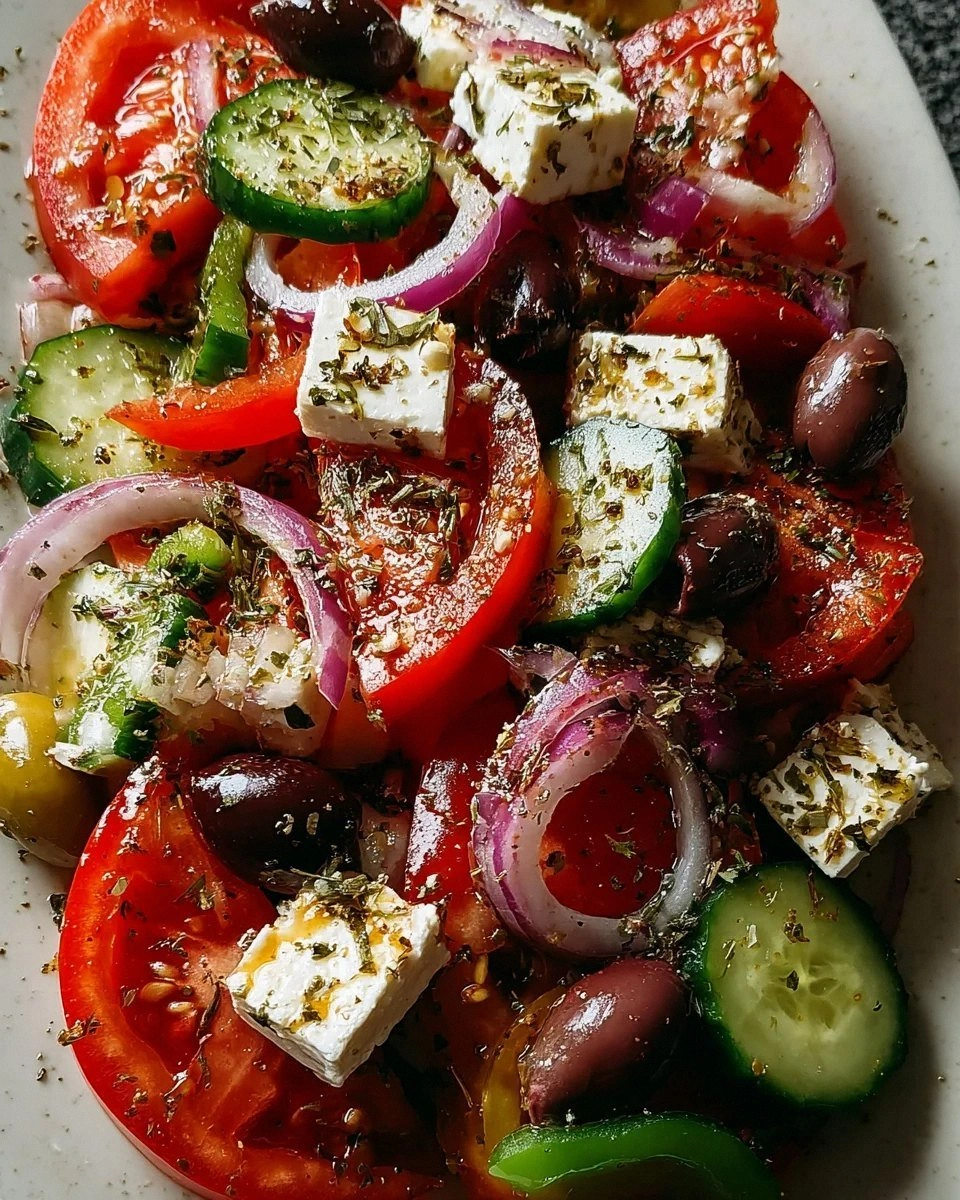
Picture this: a bright summer afternoon on a white‑washed terrace, the distant hum of cicadas, a gentle breeze carrying the scent of rosemary and sea salt. The salad arrives at the table shimmering with ruby‑red tomatoes, emerald cucumber slices, and glossy black Kalamata olives that glisten like polished onyx. You hear the faint clink of a glass, the rustle of a linen napkin, and the soft sigh of satisfaction as the first forkful meets your mouth. The crunch of cucumber, the briny pop of olives, and the creamy crumble of feta create a symphony that makes your taste buds dance the zeibekiko.
Why does this version stand out? Most recipes get the basics right but miss the nuance—like the way a splash of red wine vinegar can cut through the oil and brighten every bite, or how a pinch of dried oregano adds an earthy whisper that lingers. I’ve added a secret step: lightly massaging the tomatoes with a pinch of sea salt before they join the mix. This draws out their juices, concentrates the sweetness, and prevents the salad from turning watery. Trust me, that little extra effort is pure magic.
Now, I’m not just throwing ingredients together; I’m orchestrating a balance of texture, acidity, and richness that makes every forkful feel like a well‑composed Mediterranean concerto. The olive oil isn’t just a dressing; it’s the golden thread that ties everything together, while the red wine vinegar is the bright, high‑note that lifts the whole piece. And the feta? It’s the creamy, salty crescendo that makes the whole thing unforgettable. This is hands down the best version you’ll ever make at home.
Okay, ready for the game‑changer? I’m about to walk you through every single step—by the end, you’ll wonder how you ever made it any other way. Grab your cutting board, your favorite bowl, and let’s dive into the world of Mediterranean freshness.
What Makes This Version Stand Out
- Taste: The combination of sweet tomatoes, tangy vinegar, and salty feta creates a flavor profile that sings louder than a bouzouki solo.
- Texture: Crunchy cucumber, crisp bell pepper, and the buttery crumble of feta give you a mouthfeel that’s both refreshing and satisfying.
- Simplicity: No cooking, no complicated techniques—just a handful of fresh ingredients and a quick whisk of dressing.
- Uniqueness: The pre‑salting of tomatoes and the optional fresh oregano twist set this salad apart from the run‑of‑the‑mill versions you see online.
- Crowd Reaction: I’ve watched strangers at picnics turn into instant fans, reaching for a second serving before the first even finishes.
- Ingredient Quality: Using high‑quality extra‑virgin olive oil and authentic Kalamata olives makes the difference between “good” and “legendary.”
- Make‑Ahead Potential: The dressing can be prepared ahead of time, and the veggies stay crisp if you keep them separate until serving.
- Versatility: Perfect as a side, a light lunch, or even a base for a protein‑packed bowl.
Inside the Ingredient List
The Flavor Base
Tomatoes are the sweet, juicy heart of this salad. Using heirloom or vine‑ripened tomatoes guarantees a burst of natural sugar that balances the salty feta and olives. If you skip them, you lose the essential acidity that makes the dressing cling to each bite. For the best results, choose tomatoes that are firm yet yielding to a gentle press—think of a perfectly ripe peach.
The Texture Crew
Cucumber adds a cool, watery crunch that feels like a refreshing splash on a hot day. Opt for English cucumbers if you prefer a milder flavor with fewer bitter seeds. Red onion, thinly sliced, offers a zesty bite that mellows beautifully if you soak it in cold water for a minute. Green bell pepper contributes a sweet snap and a pop of color that makes the salad visually appealing. If you leave any of these out, the salad will feel flat—both in texture and in visual appeal.
The Unexpected Star
Kalamata olives are the dark, tangy heroes of this dish. Their briny depth adds a Mediterranean soul that you can’t replicate with any other olive. When pitted and sliced, they distribute their flavor evenly, ensuring each forkful carries that signature salty punch. If you can’t find Kalamata, try Castelvetrano olives for a milder, buttery alternative, but remember you’ll be swapping the characteristic bite.
The Final Flourish
Feta cheese, crumbled just before serving, provides a creamy, salty contrast that ties the whole salad together. Choose a block of feta made from sheep’s milk for a richer texture; it crumbles less and holds its shape better. Extra‑virgin olive oil is the silky base that carries the flavors, while red wine vinegar adds a bright zing that awakens the palate. Dried oregano lends an earthy aroma, and a pinch of sea salt and cracked black pepper finishes the dish with a subtle seasoning that enhances every component.
Everything's prepped? Good. Let's get into the real action...
The Method — Step by Step
Start by washing all your fresh produce under cold running water. Pat them dry with a clean kitchen towel; you want each piece to be as dry as possible so the dressing clings rather than slides off. This is the moment where you set the stage for crunch, so treat each vegetable with respect.
Dice the tomatoes into bite‑size cubes, aiming for uniform pieces about a quarter inch across. Sprinkle a pinch of sea salt over them and let them sit for five minutes. You'll notice the tomatoes releasing a little juice—this is the secret to intensifying their natural sweetness without adding extra sugar.
While the tomatoes are sweating, peel (if you wish) and dice the cucumber. Remember the kitchen hack from earlier: a quick salt‑sprinkle and a five‑minute rest will keep the cucumber from soaking up too much dressing later.
Thinly slice the red onion using a mandoline or a sharp chef’s knife. If the raw bite feels too sharp, submerge the slices in a bowl of ice water for a minute, then drain on a paper towel. This step softens the onion’s edge without sacrificing its aromatic punch.
Core and dice the green bell pepper into similar-sized cubes as the tomatoes. The pepper adds a subtle sweetness and a bright green contrast that makes the salad pop on the plate.
Slice the Kalamata olives lengthwise, then halve them if you prefer smaller bites. Their dark ribbons will speckle the salad with bursts of briny goodness.
Now for the dressing: In a small bowl, whisk together three generous tablespoons of extra‑virgin olive oil, one tablespoon of red wine vinegar, a teaspoon of dried oregano, and a pinch of freshly cracked black pepper. The mixture should emulsify into a glossy, golden sauce that coats the back of a spoon.
Combine the drained tomatoes, cucumber, red onion, bell pepper, and olives in a large mixing bowl. Toss gently to distribute the vegetables evenly. At this point, the salad should look like a vibrant mosaic of colors, each piece waiting for its turn to shine.
Drizzle the dressing over the salad, then toss again—this time with a little more vigor. You’ll hear a faint sizzle as the oil meets the cool vegetables, a sound that signals the flavors are beginning to marry. Keep tossing until every piece is lightly coated; you don’t want any dry spots.
Just before serving, crumble the feta cheese over the top of the salad. The feta should sit like snowy peaks on a sun‑drenched hillside, providing a creamy contrast to the crisp veggies.
Give the salad one last gentle toss to incorporate the feta, then taste and adjust salt or pepper if needed. This final taste check is where you truly become the chef—trust your palate.
That's it — you did it. But hold on, I've got a few more tricks that'll take this to another level. Stay with me here — this is worth it.
Insider Tricks for Flawless Results
The Salt‑Release Rule Nobody Follows
Salting the tomatoes early isn’t just about seasoning; it’s a moisture‑management technique. By allowing the tomatoes to release their juices, you avoid a watery salad later on. I once tried to skip this step, and the final bowl looked like a soggy soup—hardly appetizing. So, always give the tomatoes a five‑minute salt bath, then gently pat them dry if there’s excess liquid.
Why Your Nose Knows Best
Before you even taste, give the dressing a quick sniff. If you smell a sharp vinegar punch, you’ve probably over‑acidified; a quick dash of olive oil will mellow it out. Conversely, if the aroma feels flat, a pinch more oregano or a splash of vinegar will revive it. Trusting your nose saves you from a bland final product.
The 5‑Minute Rest That Changes Everything
After tossing everything together, let the salad rest for five minutes. This short pause lets the flavors meld, much like a mini‑marinade. The cucumber will absorb a whisper of the dressing, the onion will soften, and the feta will settle into the crevices. I’ve seen people rush to serve immediately and then wonder why the salad feels “unfinished.” Patience pays off.
The Olive‑Oil Temperature Trick
If you’re using extra‑virgin olive oil straight from the fridge, give it a few minutes at room temperature. Cold oil can coat the veggies unevenly, leading to patches of dryness. Warm (but not hot) oil spreads more evenly, ensuring every bite gets that silky finish.
The Crumble‑First vs. Crumble‑Last Debate
A friend once tried crumbling the feta into the bowl before adding the dressing, thinking it would melt into a creamy sauce. The result? A clumpy, salty mess that overpowered the fresh veggies. Keep the feta on top until the last second; its distinct texture is a star, not a background note.
Creative Twists and Variations
This recipe is a playground. Here are some of my favorite ways to switch things up:
Mediterranean Protein Boost
Add grilled chicken breast or marinated shrimp on top for a heartier meal. The smoky char of the protein pairs beautifully with the bright acidity of the dressing, turning a side into a main.
Herbaceous Explosion
Swap dried oregano for a handful of fresh mint and basil. The fresh herbs introduce a cooling, aromatic layer that feels like a garden breeze on a hot day.
Vegan Version
Replace feta with crumbled tofu marinated in lemon juice and nutritional yeast. The tofu mimics the crumbly texture while keeping the dish entirely plant‑based.
Spicy Kick
Finely dice a small jalapeño or drizzle a teaspoon of harissa into the dressing. The heat cuts through the richness of the olive oil and adds a surprising depth.
Grain‑Based Base
Mix the salad with cooked quinoa or farro for a more filling bowl. The nutty grains absorb the dressing, creating a cohesive bite that stays satisfying longer.
Storing and Bringing It Back to Life
Fridge Storage
Transfer the salad (minus the feta) to an airtight container and store for up to three days. Keep the dressing separate if you plan to store longer; combine just before serving to maintain crunch.
Freezer Friendly
While raw salads don’t freeze well, you can freeze the diced tomatoes and cucumbers separately for future use. Thaw them in the fridge, drain excess water, then reassemble the salad.
Best Reheating Method
If you’ve stored the salad with dressing and it looks a bit dry, add a tiny splash (about a teaspoon) of cold water or extra olive oil before serving. Gently toss; the added moisture revives the vegetables, making them feel freshly tossed.