I still remember the night I accidentally created the best chickpea potato soup of my life. It was one of those evenings when the fridge held nothing but a sad can of chickpeas, three potatoes that had started growing alien life forms, and an onion that had seen better days. My delivery app kept timing out, my stomach was staging a protest, and I was ready to declare cereal a perfectly acceptable dinner. But something magical happened in that moment of desperation — I decided to throw everything into a pot and see what fate would deliver. The result was so spectacular that I spent the next three weeks perfecting every detail, testing spice combinations, and annoying my neighbors with constant soup-making at ungodly hours.
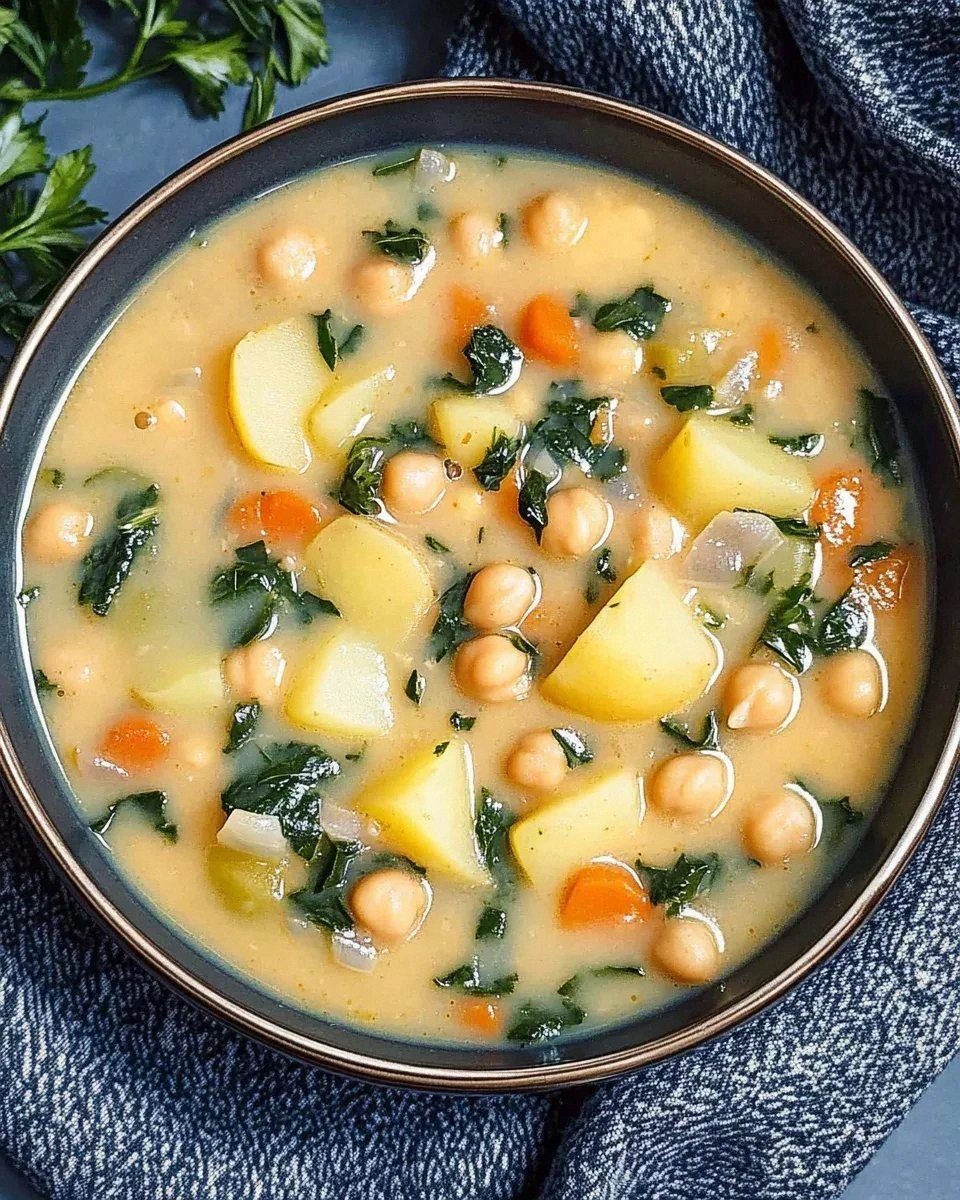
Picture this: tender potatoes that have absorbed every ounce of flavor like tiny flavor sponges, chickpeas that maintain their nutty integrity while surrendering just enough creaminess to thicken the broth, and aromatics that dance together in perfect harmony. The first spoonful hits your tongue with this incredible depth that makes you close your eyes involuntarily — you know that moment when food is so good you forget where you are? That's this soup. The broth is silky yet substantial, coating each spoon with this golden elixir that's somehow both comforting and exciting at the same time.
Here's the thing that'll blow your mind — this isn't just another throw-everything-in-a-pot soup recipe. I've cracked the code on building layers of flavor that make restaurant chefs jealous. We're talking about a technique that transforms humble pantry staples into something that tastes like it simmered for hours in a professional kitchen. The secret lies in how we treat each component, coaxing out maximum flavor through specific steps that most home cooks skip entirely.
What you're about to experience is the soup that converted my meat-loving best friend into a chickpea believer. It's the recipe that saved me during graduate school when my food budget was tighter than my jeans after Thanksgiving dinner. It's the bowl I make when friends need comfort, when I'm feeling under the weather, or when I simply want my kitchen to smell like a warm hug. Let me walk you through every single step — by the end, you'll wonder how you ever made it any other way.
What Makes This Version Stand Out
This isn't your average dump-and-stir situation. I've spent years refining this recipe, testing every variable from chickpea brands to potato varieties, and the result is nothing short of spectacular. The difference starts with how we build the flavor base — most recipes rush this crucial step and end up with a flat, one-dimensional soup that tastes like sad vegetables floating in hot water.
- Restaurant-Quality Depth: We start by caramelizing the aromatics until they're golden and sweet, creating a flavor foundation that tastes like it simmered all day. This technique, borrowed from professional kitchens, transforms ordinary onions into umami bombs that season the entire pot.
- Perfect Texture Balance: Half the chickpeas get mashed into the broth while the rest stay whole, giving you both creamy body and satisfying bites. It's like getting two soups in one — luxurious and rustic simultaneously.
- Spice Layering Magic: We bloom the spices in oil before adding liquids, unlocking their essential oils and creating a complexity that makes people ask "what's in this?" on the first bite.
- Potato Perfection: By cutting potatoes into specific sizes and adding them at precise intervals, we ensure every cube is fork-tender but never mushy. No more sad, disintegrating potato bits.
- Bright Finish: A squeeze of lemon at the end awakens all the flavors and cuts through the richness, making each spoonful taste fresh and exciting rather than heavy or dull.
- Make-Ahead Champion: This soup actually improves overnight as the flavors meld, making it perfect for meal prep or entertaining. Your future self will thank you.
Alright, let's break down exactly what goes into this masterpiece...
Inside the Ingredient List
Every ingredient in this soup pulls its weight and then some. I've tested this recipe with everything from fancy heirloom beans to bottom-shelf basics, and I can tell you exactly what matters and what's just marketing fluff. The beauty lies in how these humble components transform through specific techniques — it's like watching a caterpillar become a butterfly, except tastier and less confusing to small children.
The Flavor Base
The holy trinity of onion, carrot, and celery forms the backbone here, but we're not just chopping and dropping. Each vegetable gets treated like the star it deserves to be. The onion gets diced small so it practically melts into the broth, releasing its natural sweetness as it caramelizes. We're talking about cooking it until it's golden and jammy — this isn't the time for barely-cooked crunch. The carrot adds subtle sweetness and that gorgeous golden color that makes the soup look like liquid sunshine. Celery brings an herbaceous note that brightens everything, but if you're one of those people who think celery is just crunchy water, trust me — cooked down properly, it becomes something magical entirely.
The Texture Crew
Chickpeas are the unsung heroes here, providing both protein and that satisfying bite that makes this feel like a meal rather than a starter. I prefer canned for convenience, but if you're feeling ambitious, dried chickpeas that you've soaked overnight will give you an even better texture. The key is using two different treatments — half get mashed into oblivion to thicken the soup, while the rest stay whole for that pop of texture. Potatoes are your canvas for creaminess, and I specify Yukon Gold for a reason — they hold their shape while still getting that fluffy interior that absorbs flavor like a dream. Russets will fall apart, reds stay too firm, but Yukons? They're the Goldilocks of the potato world.
The Unexpected Star
Here's where we get a little wild — a tablespoon of tomato paste might seem odd in a chickpea soup, but it's the secret weapon that adds depth and umami without making things taste like marinara. It melts into the background, adding complexity that makes people wonder what's creating that rich, almost meaty flavor. Smoked paprika gives us that campfire warmth without any actual smoking required, and trust me, once you try it, you'll wonder why every soup doesn't include this brilliant Spanish spice.
The Final Flourish
Fresh lemon juice added right before serving is non-negotiable — it awakens everything like flipping on a light switch in a dark room. The acid balances the richness and makes all the other flavors sing in harmony. Fresh parsley isn't just for color (though it does make the soup Instagram-worthy), it adds a clean, bright note that dried herbs can't match. And please, for the love of all that's delicious, use good olive oil for drizzling. This isn't the place for that ancient bottle that's been sitting next to your stove since 2019.
Everything's prepped? Good. Let's get into the real action...
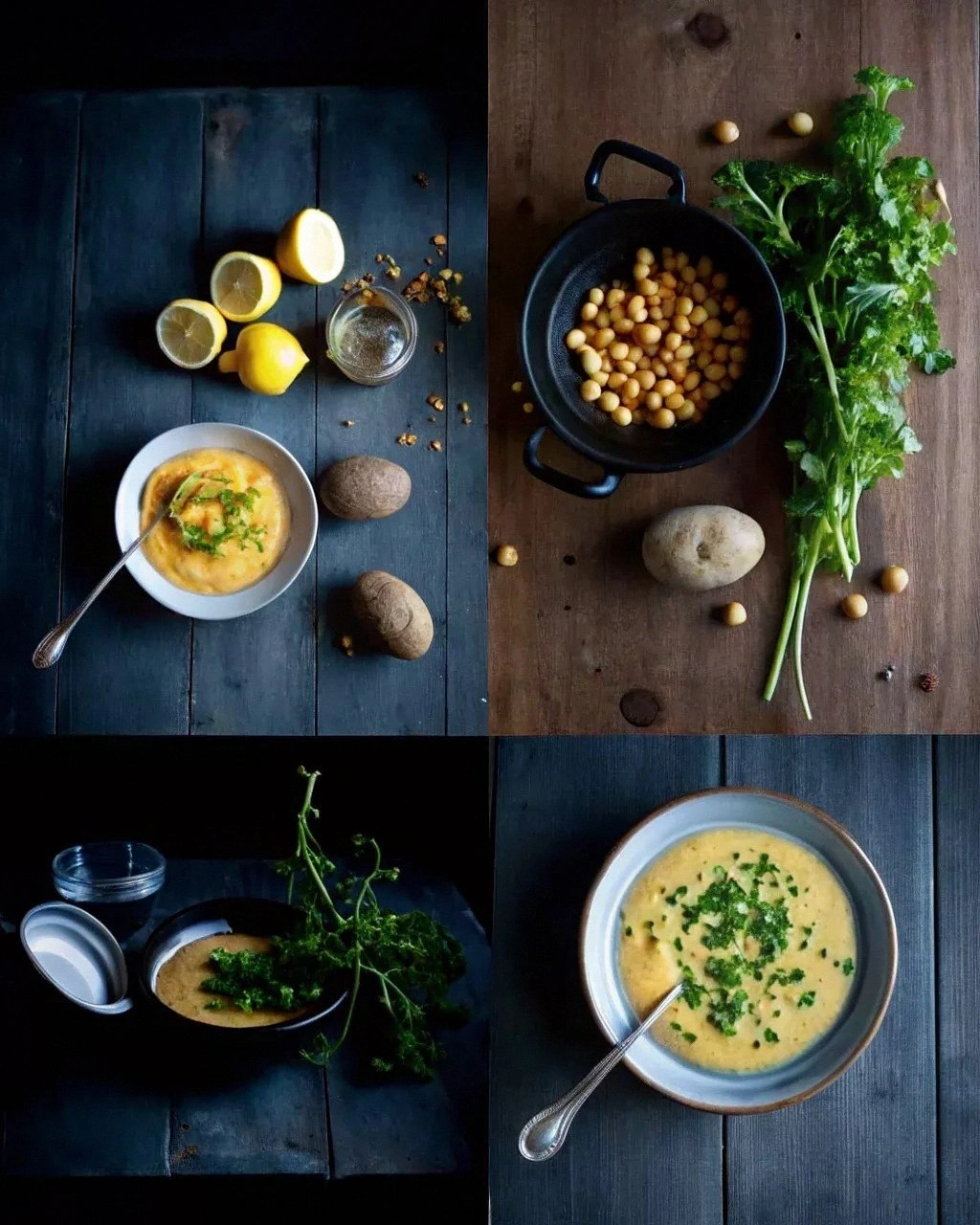
The Method — Step by Step
- Heat your olive oil in a heavy-bottomed pot over medium heat until it shimmers like a mirage on hot pavement. Add the onions with a generous pinch of salt — this draws out moisture and helps them caramelize rather than steam. Now here's where patience pays off: cook these babies for at least 10 minutes, stirring every minute or so, until they transform from sharp and white to golden and sweet. Your kitchen should start smelling like heaven's kitchen at this point. If they're browning too fast, lower the heat — we're building flavor here, not racing to the finish line.
- Toss in the carrots and celery, continuing to cook for another 5-6 minutes until they soften and the carrots start to take on a bit of color around the edges. This is where most recipes go wrong — they rush this step and end up with crunchy vegetables in their final soup. We want everything meltingly tender because texture matters, people! The vegetables should be sweating their liquid and creating a fond on the bottom of the pan — those brown bits are pure gold for flavor.
- Clear a space in the center of your pot and add the tomato paste directly to the hot surface. Let it cook for about 90 seconds, stirring constantly, until it darkens from bright red to a deep brick color. This caramelization process removes any tinny canned taste and develops complex, almost wine-like flavors. Mix everything together so the paste coats all the vegetables — think of it as giving them a savory suntan.
- Now for the spice moment: add your garlic, cumin, coriander, and smoked paprika. Stir constantly for just 30 seconds — you want to bloom the spices in the hot oil, unlocking their essential oils and creating an aroma that'll make your neighbors jealous. Don't walk away here — spices can go from perfectly toasted to bitter and burnt in seconds. The mixture should smell intensely fragrant and look like you've transported your kitchen to a Moroccan spice market.
- Pour in about half a cup of your vegetable broth and use your spoon to scrape up every bit of browned goodness from the pot bottom. This process, called deglazing, lifts all those caramelized flavors into the liquid where they can season the entire soup. It's like rescuing treasure that would otherwise burn and turn bitter. Stir until the bottom feels smooth under your spoon.
- Add the remaining broth, bay leaves, and potatoes. Bring everything to a boil, then reduce to a gentle simmer. Here's the key — you want tiny bubbles, not a rolling boil that'll pulverize your vegetables. Cover partially and let it bubble away for about 12 minutes, until the potatoes are just starting to become tender when pierced with a knife. The timing here is crucial because we're not done yet.
- Time for the chickpea transformation! Using a ladle, remove about a cup of chickpeas from your can (or cooked batch) and mash them thoroughly with a fork or potato masher. You're looking for a rough paste — some whole pieces are fine, but most should be broken down. This mashed mixture will dissolve into the broth and create that luxurious, creamy texture that makes restaurant soups so satisfying. Add both the mashed and whole chickpeas to the pot.
- Season with salt and pepper, then let everything simmer together for another 8-10 minutes. This marriage time is when the magic happens — the chickpeas absorb the seasoned broth while their starches thicken everything to the perfect consistency. Taste and adjust seasoning as needed. The soup should coat the back of a spoon but still be pourable. If it's too thick, add a splash more broth; too thin, let it reduce for a few more minutes.
- Remove from heat and stir in the lemon juice and parsley. This final addition brightens everything and creates that "I can't stop eating this" quality that separates good soup from legendary soup. Let it rest for 5 minutes — this allows the flavors to settle and meld. Serve hot, drizzled with your best olive oil and maybe some crusty bread for sopping up every last drop.
That's it — you did it. But hold on, I've got a few more tricks that'll take this to another level...
Insider Tricks for Flawless Results
The Temperature Rule Nobody Follows
Here's something that'll change your soup game forever: the temperature of your ingredients matters more than you think. Adding cold broth to a hot pot drops the temperature dramatically, causing your vegetables to steam instead of sauté. Keep your broth warm in a separate pot or microwave it for 90 seconds before adding. This maintains the cooking momentum and prevents that dreaded temperature crash that leads to mushy vegetables and flat flavors. I learned this the hard way after wondering why my soup tasted different every time — turns out my roommate kept the broth in the coldest part of the fridge.
Why Your Nose Knows Best
Trust your sense of smell throughout this process — it's your most reliable kitchen timer. When the onions are perfectly caramelized, your kitchen will smell sweet and slightly nutty, never sharp or raw. The spices are ready when you can smell them from across the room, creating an aroma cloud that's almost intoxicating. If something smells bitter or burnt, it probably is, and you should adjust the heat immediately. I've developed this sixth sense for doneness that has saved more dinners than I can count.
The 5-Minute Rest That Changes Everything
Patience isn't just a virtue — it's the difference between good soup and soup that makes people speechless. After you turn off the heat, let the soup rest for exactly 5 minutes before serving. During this time, the flavors continue to meld, the temperature drops to that perfect "I won't burn my tongue" level, and the broth thickens slightly as the starches fully hydrate. This is when you should set the table, pour drinks, or just inhale deeply and feel proud of what you've created.
Creative Twists and Variations
This recipe is a playground. Here are some of my favorite ways to switch things up:
The Moroccan Magic Version
Add a cinnamon stick, a pinch of saffron, and substitute harissa for half the smoked paprika. Finish with chopped preserved lemon and fresh cilantro. This version transports you straight to a Marrakech spice shop, with warm, exotic flavors that make winter evenings feel like desert nights. The sweetness of cinnamon plays beautifully against the earthy chickpeas, creating a soup that's both familiar and thrillingly different.
The Creamy Dream Version
Stir in a can of coconut milk during the last 5 minutes of cooking, and add a handful of fresh spinach that wilts into silky ribbons. This transforms the soup into something luxurious and almost decadent, perfect for impressing dinner guests or treating yourself on a rainy Tuesday. The coconut adds a subtle sweetness that complements the spices, while the spinach provides color and nutrients.
The Fire Breather Version
Add a diced jalapeño with the onions, double the smoked paprika, and finish with a swirl of chili crisp oil. This version will clear your sinuses and warm you from the inside out — perfect for cold days when you need to feel alive. My spice-loving friend calls this "soup with attitude," and she's not wrong. The heat builds slowly, making each spoonful more addictive than the last.
The Mediterranean Garden Version
Add zucchini, bell peppers, and a handful of cherry tomatoes during the last 10 minutes of cooking. Finish with fresh basil and a drizzle of pesto. This lighter, brighter version tastes like summer in a bowl, with vegetables that maintain their individual character while contributing to the overall harmony. It's the perfect way to use up garden abundance or make winter vegetables feel like they're fresh from the farmer's market.
The Protein Power Version
Add a cup of red lentils with the potatoes — they'll cook down and add even more protein and fiber. Finish with Greek yogurt swirled on top and some toasted pumpkin seeds for crunch. This version is so satisfying it could fuel a marathon, yet it's still vegetarian and incredibly healthy. The lentils dissolve and create an even creamier texture while boosting the nutritional profile significantly.
The Comfort Food Extreme Version
Add a cup of small pasta shells during the last 8 minutes, and serve topped with grilled cheese croutons. This is what you make when you need a hug from the inside out — it's like someone took all your childhood comfort foods and turned them into a soup. The pasta adds that carb satisfaction that makes this feel like a complete meal, while the grilled cheese croutons give you the perfect dipping vehicle.
Storing and Bringing It Back to Life
Fridge Storage
This soup keeps beautifully in the refrigerator for up to 5 days, and honestly, it might taste even better on day three when the flavors have had time to become best friends. Store it in an airtight container — I prefer glass because it doesn't absorb flavors, but plastic works if that's what you've got. The soup will thicken as it cools, so don't panic when you open the container and it looks like potato salad. A splash of broth or water when reheating brings it right back to the perfect consistency.
Freezer Friendly
Portion the completely cooled soup into freezer bags, squeeze out excess air, and lay them flat to freeze. They'll keep for up to 3 months and stack like savory pancakes in your freezer. Pro tip: freeze some in single-serving portions for those nights when cooking feels impossible. Thaw overnight in the fridge or use the defrost setting on your microwave. The texture holds up beautifully because we're not relying on dairy that can separate or grainy starches.
Best Reheating Method
Forget the microwave unless you're truly desperate — this soup deserves better. Reheat gently in a pot over medium-low heat, stirring occasionally, until it's steaming and the edges are just beginning to bubble. Add a splash of water or broth to loosen it up, and don't forget to taste and adjust the seasoning. Salt has a way of disappearing during storage, so you might need to wake things up with a pinch more. Finish with fresh lemon juice and parsley, even if you're just reheating leftovers, because you deserve to feel like you're eating something special.