Picture this: a midnight kitchen, the faint hum of the fridge, and a stubborn pot of rice that refuses to stick. I was on a quest to turn that bland, separate grain into something that clings to your spoon like a sweet, savory hug. I stared at the clock—five minutes to my deadline for a dinner party that had been scheduled for weeks. Suddenly, a craving for something bold, tangy, and utterly comforting swam through my mind. The solution? A sticky tamarind mushroom sauce that transforms ordinary rice into a glossy, umami‑laden masterpiece. I dared myself to experiment, and the result was nothing short of a kitchen revolution.
I was in the middle of a culinary marathon when a friend texted, “I’ve got a craving for something sweet and sour tonight. Any ideas?” I laughed, “You’ve come to the right place.” I pulled out a jar of tamarind paste, a handful of mushrooms, and a cup of rice. The aroma that filled the room—earthy mushrooms, sharp tamarind, and sweet brown sugar—was a prelude to the flavor fireworks that were about to happen. If you’ve ever felt the frustration of a dry, mushy bowl of rice, you’re not alone. That’s why I’m going to share a version that’s hands down the best you’ll ever make at home.
What makes this recipe a game‑changer is not just the sticky glaze, but the way it balances sweet, sour, salty, and umami in a single bite. The tamarind base cuts through the earthiness of the mushrooms, while the brown sugar adds a caramelized depth that makes the sauce coat the grains like velvet. I’ve spent years tweaking ratios, and this one is the sweet spot where the sauce is thick enough to cling but still fluid enough to swirl around each grain. I dare you to taste this and not go back for seconds. That’s the kind of confidence I have in this dish—once you try it, you’ll never settle for bland again.
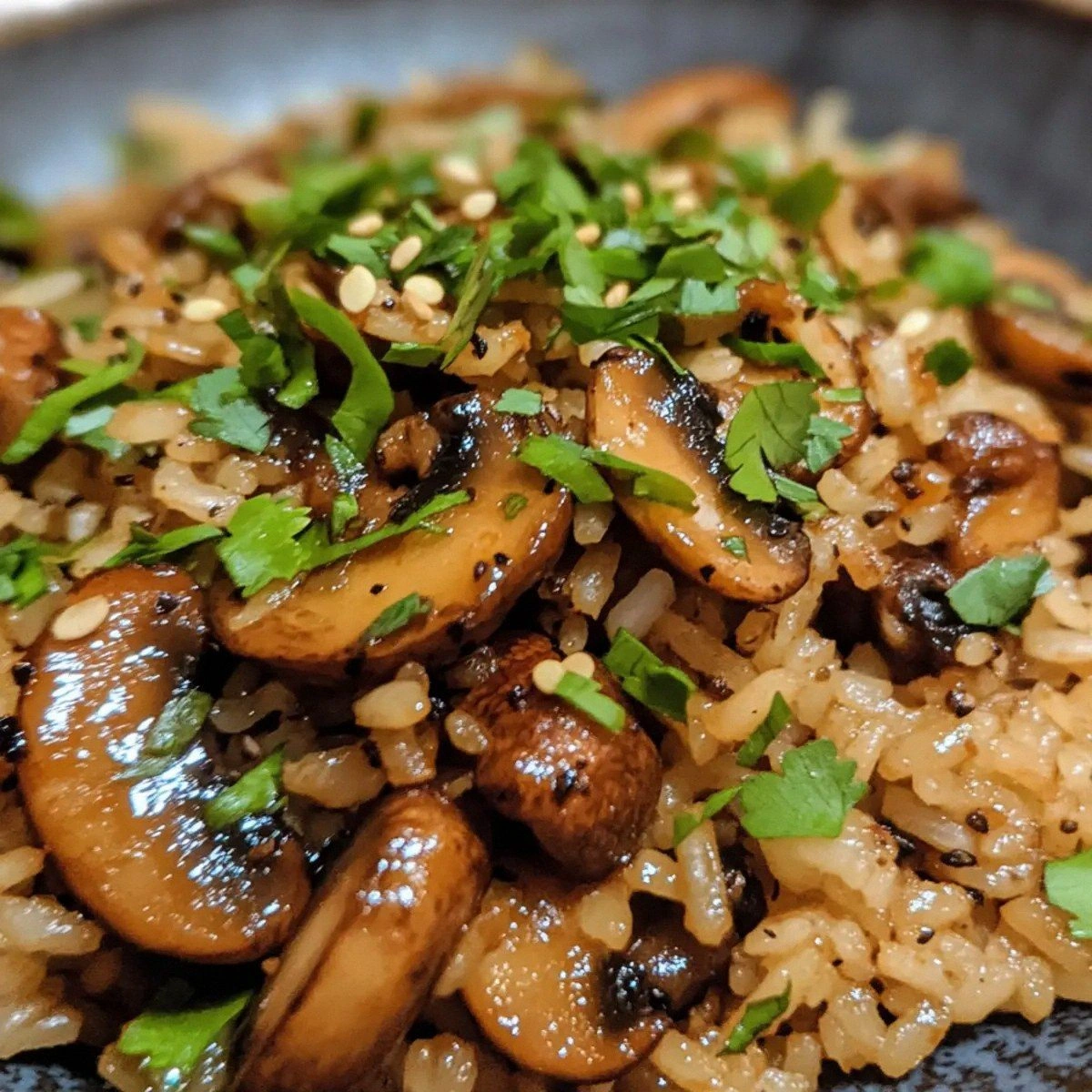
Picture yourself pulling this out of the oven, the whole kitchen smelling incredible, and guests lining up for seconds. The moment you plate it, the sauce glistens like a glossy coat, the mushrooms are perfectly caramelized, and the rice is fluffy yet sticky. The contrast between the crunchy edges and the tender interior creates a satisfying bite that feels like a celebration in every mouthful. I’ve had people say, “This is the most flavorful rice I’ve ever had,” and I’ve been honest— I ate half the batch before anyone else got to try it. Let me walk you through every single step—by the end, you’ll wonder how you ever made it any other way.
What Makes This Version Stand Out
Bold Flavor: The tamarind sauce delivers a punch of tang that cuts through the earthiness of mushrooms, creating a harmonious balance that most recipes miss.
Texture: The sticky glaze coats each grain of rice like a glossy lacquer, giving a satisfying chew that pairs perfectly with the crisp mushroom edges.
Simplicity: With just eleven ingredients and a single pot, you’ll have a gourmet meal ready in under an hour—no fancy techniques required.
Uniqueness: The combination of tamarind, brown sugar, and soy sauce is rarely seen in mushroom rice recipes, offering a fresh twist that feels both exotic and familiar.
Audience Appeal: Whether you’re feeding a crowd or a single person, the dish scales beautifully and impresses even the most discerning palates.
Ingredient Quality: Fresh, high‑quality mushrooms and tamarind paste are the secret to depth; the sauce’s sweetness comes from real brown sugar, not refined sugar.
Make‑Ahead Potential: The sauce can be prepared a day ahead; the rice only needs to be reheated, making this a perfect dish for busy evenings.
Visual Appeal: The glossy sauce and vibrant mushroom pieces make the dish a feast for the eyes, turning an ordinary side into a showstopper.
Alright, let’s break down exactly what goes into this masterpiece…
Inside the Ingredient List
The Flavor Base
Tamarind paste is the star of this dish, providing a deep, sour backbone that lifts the entire flavor profile. It’s a tangy, slightly sweet fruit that, when blended with brown sugar and soy sauce, creates a sauce that’s both complex and approachable. If you skip the tamarind, you lose that bright, citrusy kick that makes the dish memorable. A good quality tamarind paste—preferably from a reputable Asian market—will give you the best balance of tartness and sweetness.
The Texture Crew
Mushrooms are the textural hero here. Their meaty, umami-packed flesh contrasts beautifully with the sticky rice and the glossy sauce. Slice them evenly to ensure even cooking and a uniform caramelized surface. If you prefer a milder flavor, button mushrooms work well; for a richer, deeper taste, cremini or shiitake are excellent choices. A quick blanch before sautéing can help reduce excess moisture and prevent soggy rice.
The Unexpected Star
Brown sugar is the sweet counterpart to the tamarind’s sourness. Its molasses undertones add a subtle caramel depth that sweetens the sauce without overpowering the other flavors. Using dark brown sugar is recommended; light brown sugar will produce a milder sweetness that may not stand up to the bold tamarind. If you’re watching your sugar intake, a touch of honey or maple syrup can replace it, though the flavor will shift slightly.
The Final Flourish
Vegetable oil and garlic bring warmth and aroma to the dish, while soy sauce adds saltiness and depth. The oil’s high smoke point ensures a crisp sear on the mushrooms, and the garlic’s pungency brightens the sauce. Salt and pepper are added to taste at the end, allowing you to adjust the seasoning without masking the sauce’s complexity. Remember, a pinch of pepper can add a subtle heat that balances the sweetness.
Everything’s prepped? Good. Let’s get into the real action…
The Method — Step by Step
- Start by whisking together the tamarind paste, brown sugar, soy sauce, minced garlic, and half a cup of water in a small bowl until the sugar dissolves. The mixture should look smooth and glossy. I like to stir until the sugar is completely melted, which takes about 30 seconds. This ensures the sauce will coat the rice evenly without any gritty bits. Keep this sauce aside; it’s the heart of the dish.
- Rinse the long‑grain rice under cold water until the water runs clear. This removes excess starch and prevents the rice from becoming gummy. Then, combine the rice with 2 cups of water in a medium saucepan. Bring to a boil, reduce heat to low, cover, and simmer for 18 minutes. The rice should be tender yet slightly chewy, with a fluffy texture that will hold the sauce.
- While the rice cooks, heat the vegetable oil in a large skillet over medium‑high heat. Add the sliced onions and sauté until translucent, about 3 minutes. The onions will add a subtle sweetness that complements the tamarind’s tartness. Stir occasionally to prevent sticking.
- Add the sliced mushrooms to the skillet. Cook until they release their juices and begin to brown, about 5–7 minutes. The edges of the mushrooms will start pulling away and develop a crisp, caramelized surface. This step is crucial; it gives the dish its signature umami depth.
- Pour the tamarind sauce over the sautéed onions and mushrooms. Reduce the heat to medium and let the mixture simmer for 5 minutes, stirring frequently. The sauce will thicken and the mushrooms will absorb the tangy sweetness. Watch the edges; they should start to look glossy and slightly caramelized.
- Add the cooked rice to the skillet, gently folding it into the sauce so that every grain is coated. The rice will start to absorb the glaze, turning sticky and glossy. This is the moment of truth; the rice should look like it’s been dipped in a caramel sauce.
- Season with salt and pepper to taste. The salt will enhance the tamarind’s brightness, while the pepper adds a subtle heat. Give it a final stir and let it cook for an additional 2 minutes to meld the flavors. The aroma should be a sweet, savory perfume that makes your mouth water.
- Serve hot, straight from the skillet. Garnish with chopped scallions or toasted sesame seeds if desired. The dish should look glossy and inviting, with a burst of color from the mushrooms and herbs. Take a bite and experience the harmony of sweet, sour, salty, and umami all in one mouthful.
- If you’re planning ahead, let the dish cool, then refrigerate in an airtight container. When you’re ready to serve, reheat it on the stovetop with a splash of water, stirring until it’s steaming and glossy again. The rice will regain its sticky texture, and the sauce will stay luscious.
That’s it — you did it. But hold on, I’ve got a few more tricks that'll take this to another level. Stick around for insider tips that will make your next batch even more unforgettable.
Insider Tricks for Flawless Results
The Temperature Rule Nobody Follows
Cooking the rice at the right temperature is key to achieving that perfect sticky texture. If the heat is too high, the rice will steam and become mushy; if too low, it won’t absorb the sauce. I recommend a low simmer after the initial boil, which allows the grains to stay separate yet cling to the glaze. This subtle technique ensures each bite is a balanced explosion of flavor.
Why Your Nose Knows Best
Trust your nose to judge when the sauce is ready. When the tamarind mixture starts to thicken and emit a sweet, caramelized aroma, it’s time to combine it with the rice. A strong aroma signals that the sugars have caramelized just right, preventing the sauce from being too thin or too syrupy.
The 5-Minute Rest That Changes Everything
After you combine the rice and sauce, let the dish rest for five minutes before serving. This pause allows the flavors to mingle and the rice to absorb the glaze fully. It also gives the sauce time to set, so the rice doesn’t slide off the spoon when you plate it. A quick rest is a small step that yields a huge payoff.
The Sweet‑Sour Balance Hack
If you find the sauce too tart, add a teaspoon of honey or a splash of coconut milk to mellow it out. Conversely, if it’s too sweet, a squeeze of lime juice will brighten it. Experimenting with these small tweaks can tailor the dish to your palate or your guests’ preferences.
The Onion Trick for Extra Depth
Sautéing the onions until they’re caramelized before adding the mushrooms adds a layer of sweetness that complements the tamarind. Don’t rush this step; let the onions develop a golden hue. This slow cooking brings out the natural sugars in the onions, creating a subtle backdrop that elevates the entire dish.
Creative Twists and Variations
This recipe is a playground. Here are some of my favorite ways to switch things up:
Spicy Tamarind Mushroom
Add a pinch of red pepper flakes or a sliced fresh chili to the sautéed onions for a fiery kick. The heat will contrast beautifully with the sweet tamarind, creating a flavor profile that’s both bold and balanced. Perfect for those who love a little heat in their meals.
Coconut‑Infused Delight
Replace half of the water used for cooking rice with coconut milk and finish the sauce with a splash of coconut cream. The result is a creamy, tropical version that transports you to a beachside getaway. The coconut’s sweetness pairs wonderfully with the tamarind’s tartness.
Herb‑Enhanced Version
Stir in a handful of fresh cilantro or basil right before serving. The herbs add a burst of freshness that cuts through the richness of the sauce. This variation is ideal for spring or summer gatherings.
Vegan Protein Boost
Add cooked chickpeas or lentils to the dish for extra protein and a hearty texture. The legumes absorb the sauce beautifully, making the dish more filling without compromising the delicate balance of flavors.
Mushroom Variety Mix
Swap out the standard button mushrooms for shiitake, oyster, or portobello for a deeper, earthier flavor. Each mushroom type brings its own unique umami profile, turning the dish into a culinary adventure.
Storing and Bringing It Back to Life
Fridge Storage
Cool the dish to room temperature, then transfer it to an airtight container. Store in the refrigerator for up to 3 days. The sauce will thicken slightly, so a quick stir before serving will restore its glossy finish. Avoid storing in a container with a tight seal, as the rice may become too dry.
Freezer Friendly
For longer storage, portion the dish into freezer‑safe containers and seal tightly. Freeze for up to 2 weeks. When ready to eat, thaw overnight in the refrigerator. The rice may separate slightly, so a gentle stir will re‑incorporate the sauce.
Best Reheating Method
Reheat on the stovetop over low heat, adding a splash of water or broth to loosen the sauce. Stir constantly until steaming and glossy. A microwave works too—just heat in short bursts and stir in between. The key is to avoid overheating, which can make the rice dry.