Picture this: a Saturday afternoon, your kitchen smelling faintly of burnt toast, and you’re staring at a cracked batch of meringue that refuses to rise. I was in that exact moment, feeling the sting of disappointment as the glossy peaks sagged like a tired balloon. That disaster sparked a dare from my friend, “Make it better than the last time,” and I knew I had to turn that failure into triumph. The result? A cloud‑like almond dacquoise, airy yet buttery, crowned with silky whipped cream that melts on the tongue like a secret kiss.
I’ve tried countless almond meringue recipes, but this version feels like a secret handshake between tradition and innovation. The first bite releases a crisp, caramelized crunch that dissolves into a velvety almond mousse, while the toasted almond shards add a nutty crunch that shatters like thin ice. The delicate balance of sweetness and nutty aroma is so precise that it feels like a whispered promise of indulgence. I dare you to taste this and not go back for seconds, because the flavor will haunt your palate long after the last crumb.
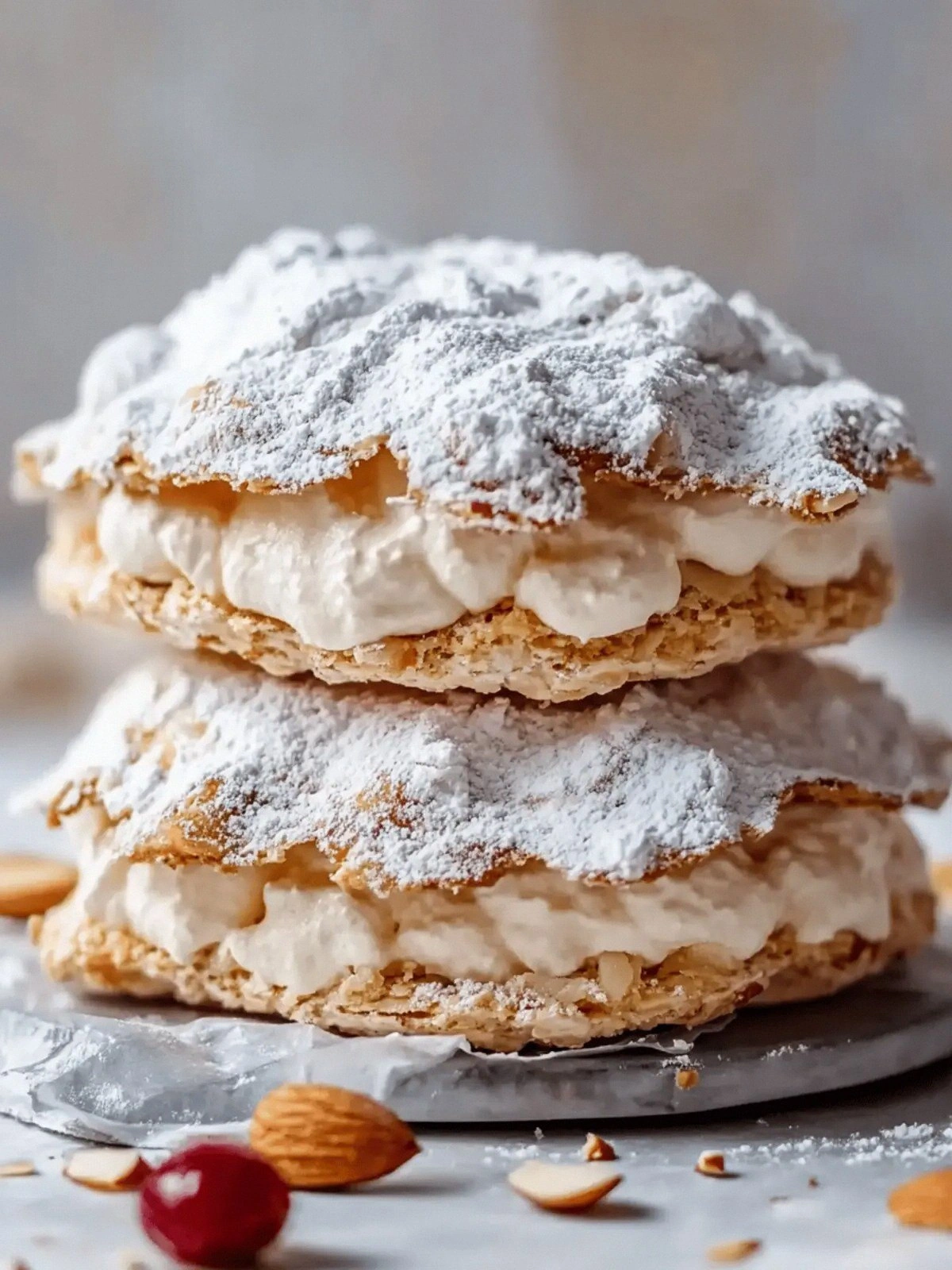
What sets this recipe apart isn’t just the flawless texture; it’s the way every element sings in unison. The almond flour creates a tender crumb that is light as a feather, yet firm enough to hold the luscious cream. The meringue, stabilized by cornstarch and a pinch of salt, achieves a glossy sheen and a crackly edge that invites you to bite into its golden heart. The whipped cream, sweetened just enough to complement the almonds, is airy enough to float atop the dacquoise like a cloud, creating a visual and tactile contrast that is pure poetry.
And here’s the kicker: the recipe uses a simple yet surprising twist—toast the almond flour slightly before folding it into the meringue. This step infuses a subtle nutty aroma that elevates the entire dessert, making it feel like a gourmet creation from a high‑end patisserie. By the end of this guide, you’ll wonder how you ever made it any other way. Let me walk you through every single step—by the end, you’ll be the master of this almond cloud.
What Makes This Version Stand Out
- Texture: The combination of finely ground almonds and a touch of cornstarch creates a meringue that is both crisp on the outside and luxuriously airy inside, unlike the typical dense almond cakes.
- Flavor Depth: Toasting the almond flour before folding it in releases a warm, nutty aroma that lingers, turning each bite into a sensory celebration.
- Simplicity: The recipe requires only basic kitchen tools—no specialized equipment—and yet delivers a dessert that feels indulgently complex.
- Visual Appeal: The golden, glossy surface of the dacquoise coupled with the silvery clouds of whipped cream creates an Instagram‑ready aesthetic.
- Make‑ahead Friendly: The dacquoise can be assembled a day in advance; the whipped cream is best added fresh, but the structure holds up beautifully.
- Versatility: Swap in cocoa powder for a chocolate variation or sprinkle candied citrus zest for a bright twist—this base adapts to countless flavor profiles.
- Crowd‑Pleaser: Whether you’re hosting a dinner party or a quiet evening, guests will be amazed by the professional quality of this dessert.
- Ingredient Quality: Using high‑grade almonds and fresh heavy cream ensures that every bite is pure, unadulterated sweetness.
Alright, let’s break down exactly what goes into this masterpiece…
Inside the Ingredient List
The Flavor Base
At the heart of this dessert is the almond flour, which not only gives structure but also a delicate nutty flavor that’s unmistakable. Using finely ground almonds ensures a smooth crumb that doesn’t feel gritty; if you use whole almonds, the texture becomes uneven and the meringue can crack. The key is to toast the flour just until it turns a light golden hue—this releases the oils and deepens the aroma, turning each bite into a fragrant experience. If you skip the toasting step, the cake will still rise, but it will lack that warm, roasted undertone that makes the dessert feel luxurious.
The Texture Crew
Egg whites are the backbone of any meringue; four fresh whites provide the necessary volume and structure. The 100 g of granulated sugar is folded into the whites to create the classic sweet base, while the additional 100 g of powdered sugar is reserved for the whipped cream, ensuring a smooth, silky finish. Cornstarch, measured at one teaspoon, acts as a stabilizer, preventing the meringue from collapsing and giving it a glossy, almost glassy finish. A pinch of salt, though seemingly insignificant, balances the sweetness and enhances the almond flavor; without it, the dessert can taste flat.
The Unexpected Star
Heavy cream, 250 ml, is whipped to soft peaks and then folded into the meringue, creating a light, cloud‑like consistency that feels like a dessert dream. The 1.5 tablespoons of powdered sugar sweeten the cream without overpowering the almond notes, while the 0.5 teaspoon of vanilla extract adds a subtle, warm depth that rounds off the flavor profile. If you’re looking for a dairy‑free version, coconut cream can be a substitute, but it will change the texture slightly—expect a denser, more tropical finish. The toasted sliced almonds, 50 g, are sprinkled on top to provide a satisfying crunch and a visual pop of golden color.
The Final Flourish
Once the dacquoise is assembled, dust it with a light layer of powdered sugar, which adds a delicate sweetness and a subtle visual sheen. For an extra touch of elegance, top the whipped cream with more sliced almonds, creating a layered effect that looks as good as it tastes. If you’re craving a touch of citrus, a few drops of lemon zest can brighten the flavor without compromising the almond base. And remember: the key to a perfect finish is to keep the whipped cream light; over‑whipped cream will become grainy and lose its airy quality.
Everything’s prepped? Good. Let’s get into the real action…
The Method — Step by Step
- Preheat your oven to 180 °C (350 °F) and line a 22 cm square baking pan with parchment paper. While the oven heats, place the almond flour in a small bowl and toast it in a dry skillet over medium heat for about 4 minutes, stirring constantly until it turns a light golden brown. The aroma that fills the kitchen at this point should feel like a warm hug, signaling that the nuts are ready. Once toasted, set the flour aside to cool; this step is crucial for the flavor depth.
- In a clean, dry mixing bowl, separate the egg whites from the yolks. Whisk the whites with a pinch of salt until soft peaks form, then gradually add the granulated sugar while continuing to whisk until stiff, glossy peaks appear. This stage is delicate—if the whites are over‑whipped, the meringue will become dry and crumbly. The goal is a silky, stable foam that can hold the almond flour without collapsing.
- Fold the toasted almond flour into the meringue in two stages, first adding half, then the remaining half, using a gentle, folding motion. This technique prevents the meringue from deflating, preserving its airy structure. As you fold, the batter will look like a pale, cloud‑like mixture, hinting at the final texture. The cornstarch should be evenly distributed; if you see clumps, the meringue may become uneven.
- Transfer the batter to the prepared pan and tap it gently on the counter to release any large air pockets. The batter should spread evenly, creating a smooth surface. Place the pan in the preheated oven and bake for 25 minutes, or until the edges lift slightly from the parchment and the top turns a golden amber. The smell of toasted almonds and sugar rising from the oven will make you feel like you’re in a bakery.
- Remove the pan from the oven and let the dacquoise cool completely on a wire rack. Once cooled, dust the top with a light layer of powdered sugar. This not only adds a sweet finish but also gives the dessert a delicate, cloud‑like appearance that’s perfect for plating.
- While the cake cools, whip the heavy cream to soft peaks, then fold in 1.5 tablespoons of powdered sugar and the vanilla extract until the mixture is smooth and glossy. The cream should be light enough to float on top of the dacquoise without sinking. This whipped layer will serve as the final cloud that completes the dessert’s airy theme.
- Once the dacquoise is cooled and dusted, spread the whipped cream evenly over the top, creating a smooth, white blanket that contrasts with the golden edges. Sprinkle the toasted sliced almonds on top for a crunchy finish. The combination of the airy meringue, the silky cream, and the almond shards creates a symphony of textures that will make your taste buds dance.
- Serve immediately, or chill for up to 2 hours before serving to let the flavors meld. If you prefer a colder dessert, refrigerate for 4–6 hours; the cream will set slightly, making each bite feel like a chilled cloud. This dessert is best enjoyed fresh, but it holds up beautifully for a short period, making it a versatile option for any gathering.
That’s it — you did it. But hold on, I've got a few more tricks that'll take this to another level…
Insider Tricks for Flawless Results
The Temperature Rule Nobody Follows
Temperature control is everything in a meringue. The eggs should be at room temperature; if they’re too cold, the whites won’t whip properly, and if they’re too warm, they’ll become too soft. I keep my eggs in a bowl of warm water for about 10 minutes before whisking, which brings them to the optimal temperature. This simple step guarantees a stable foam that rises beautifully.
Why Your Nose Knows Best
The aroma of toasted almonds is a subtle indicator that the flour is ready. A faint nutty smell that permeates the kitchen signals that the oils have been released, and the flavor will be richer. If you notice a strong, almost burnt scent, stop the toasting immediately; over‑toasting can bring bitterness that will ruin the dessert.
The 5‑Minute Rest That Changes Everything
After you fold the almond flour into the meringue, let the batter rest for exactly five minutes before baking. This pause allows the flour to fully absorb the moisture, preventing the batter from becoming too wet during baking. It also gives the cornstarch time to set, ensuring a crisp edge.
The Secret to a Glowing Finish
For a glossy sheen, lightly brush the top of the dacquoise with a thin layer of beaten egg yolk before baking. The yolk adds shine without altering the flavor profile significantly. Some bakers skip this step, but it gives the dessert a professional, bakery‑like look that impresses guests.
The Quick Chill Trick
If you need to cool the cake quickly, place the pan in a cold water bath for a few minutes. The water should be cool but not ice‑cold, as the sudden temperature drop can cause the meringue to crack. This trick is especially useful when you’re in a hurry and want to serve the dessert promptly.
The Finish Line: Dusting Technique
When dusting powdered sugar, use a fine sieve to avoid clumping. Lightly tap the sieve over the cake until a thin, even layer coats the surface. This not only enhances the appearance but also adds a subtle sweetness that balances the almond flavor.
Creative Twists and Variations
This recipe is a playground. Here are some of my favorite ways to switch things up:
Chocolate Dacquoise Delight
Swap the almond flour for an equal amount of cocoa powder, and add 20 g of dark chocolate chips to the batter. The result is a rich, chocolatey dessert with the same airy texture. This variation is perfect for chocolate lovers and pairs wonderfully with a glass of port.
Citrus Zest Surprise
Add the zest of one orange or lemon to the batter for a bright, citrusy lift. The zesty aroma complements the nutty flavor, creating a refreshing contrast. Sprinkle a few candied citrus pieces on top for an extra pop of color.
Caramel Swirl Edition
Fold a thin ribbon of caramel sauce into the whipped cream before spreading it over the cake. The caramel adds a buttery sweetness that pairs beautifully with the almond base. This version is a crowd‑pleaser for those who love a touch of indulgence.
Almond‑Rosemary Fusion
Infuse the almond flour with a pinch of dried rosemary before toasting. The herb adds an earthy nuance that balances the sweetness. This savory twist is unexpected yet delicious, ideal for a sophisticated dinner party.
Berry‑Infused Cloud
Fold fresh raspberries or blueberries into the whipped cream, creating a fruity swirl. The berries add a burst of color and tartness that cuts through the richness. This variation is perfect for spring or summer celebrations.
Nutty Salted Caramel Variation
Drizzle salted caramel sauce over the top and sprinkle crushed pistachios for a crunchy, salty finish. The combination of sweet, salty, and nutty flavors creates a complex taste profile that will wow your guests. This version is especially popular during holiday gatherings.
Storing and Bringing It Back to Life
Fridge Storage
Store the dacquoise in an airtight container in the refrigerator for up to 48 hours. Cover the top with parchment paper to prevent moisture from settling on the cake. The meringue will maintain its crispness, while the whipped cream remains creamy.
Freezer Friendly
Wrap the cooled cake tightly in plastic wrap, then place it in a freezer bag. It will keep well for up to two weeks. Thaw in the refrigerator overnight before serving to preserve the texture.
Best Reheating Method
To revive a frozen or refrigerated cake, place it on a baking sheet and warm it at 150 °C (300 °F) for 10 minutes. The gentle heat restores the airy texture without melting the whipped cream. Add a tiny splash of water before reheating to create steam, which helps the meringue regain its lightness.