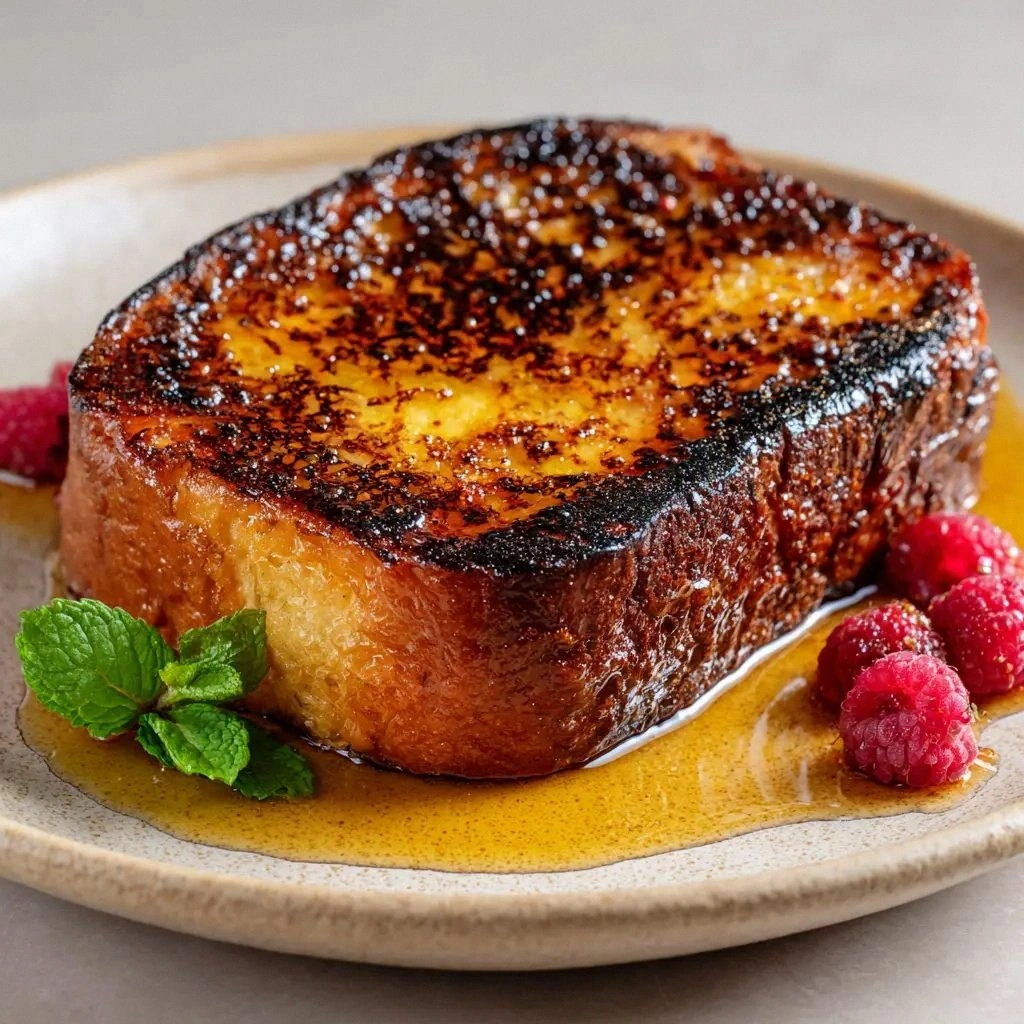
The Ultimate Crème Brûlée Fren
It started with a kitchen catastrophe that I’ll never forget: I was halfway through a classic French dessert, the crème brûlée, and the sugar caramelized into a black, brittle mess that looked more like a burnt offering than a sweet treat. I stared at the charred surface, feeling the sting of disappointment, and then, in a moment of culinary rebellion, I thought, “What if I could combine the silky custard with a crunchy, caramelized top and a buttery, brioche base?” That simple question turned a disaster into a delicious obsession. I’ve been obsessed ever since, tweaking, testing, and finally arriving at the version that I call the Ultimate Crème Brûlée Fren.
Imagine walking into a kitchen that smells like freshly baked bread, vanilla, and caramelized sugar, with the sound of a skillet sizzling. The sight of golden brioche slices, the feel of the buttery crust against your fingertips, the taste of sweet custard melting into your tongue, and the crackling sound as you caramelize the sugar on top—all of these sensations combine to create an experience that’s almost cinematic. I’m talking about a dessert that feels like a warm hug, a caramelized crunch that snaps like thin ice, and a custard that coats the palate like velvet. If you’re a foodie who loves to experiment, this is the dish that will keep you coming back for more.
What makes this version stand out from the countless other crème brûlée recipes is the marriage of French technique with an American twist. I’ve taken the classic custard base, added a maple syrup infusion for depth, and served it on brioche toast that’s been buttered and toasted to a golden brown. The result is a multi-textured, multi-flavored masterpiece that feels like a dessert and a breakfast all in one. The secret is the balance: the custard is silky but not too sweet, the brioche is buttery without being greasy, and the caramelized sugar layer is crisp but not overly hard. I dare you to taste this and not go back for seconds.
Let me walk you through every single step—by the end, you’ll wonder how you ever made it any other way. I’ve packed this article with insider tricks, kitchen hacks, and future‑pacing tips that will turn your kitchen into a culinary laboratory. Whether you’re a seasoned chef or a kitchen rookie, you’re about to experience dessert alchemy that will change the way you think about crème brûlée forever.
What Makes This Version Stand Out
- Taste: The custard is a delicate balance of vanilla, maple, and subtle sea salt that elevates the sweetness without overwhelming it. The maple syrup brings a warm, caramelized depth that pairs perfectly with the brioche.
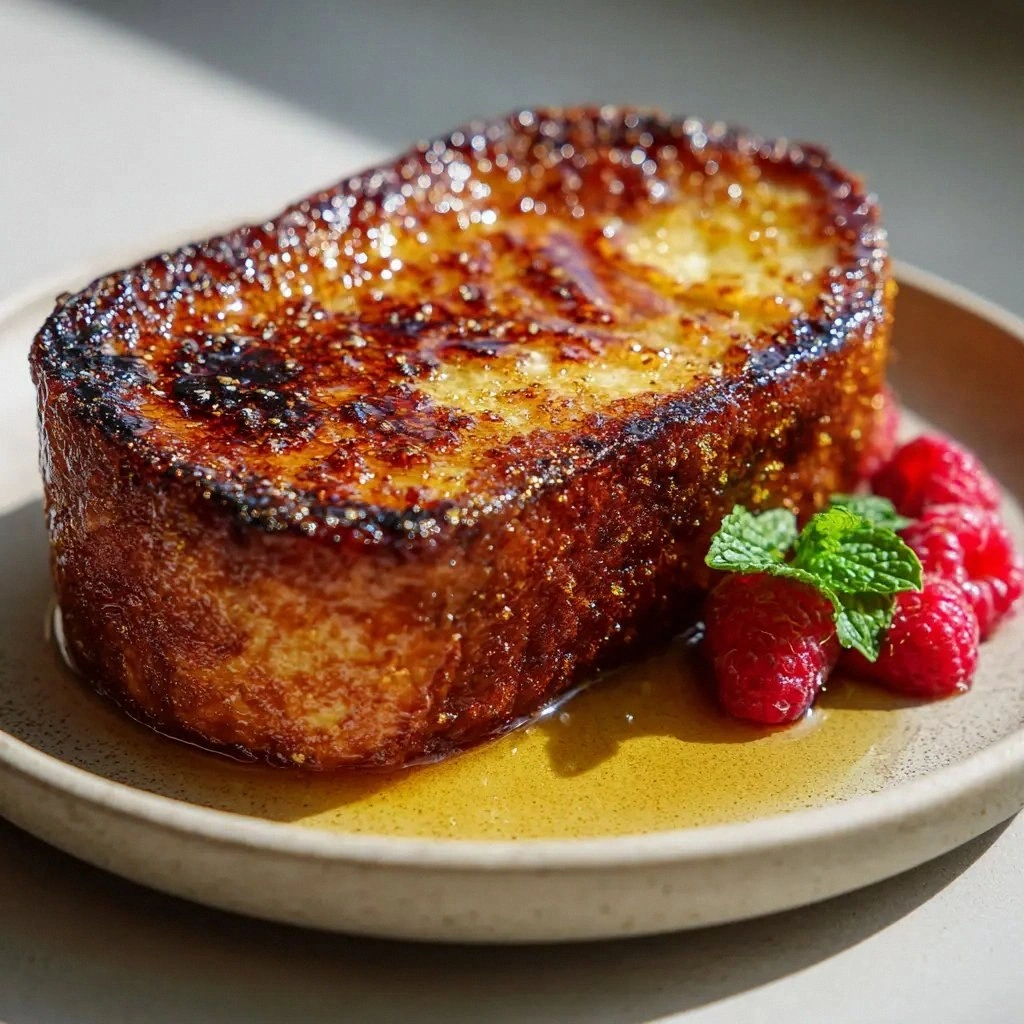
- Texture: A crisp, caramelized sugar crust that breaks with a satisfying snap, a silky custard that coats the tongue, and a buttery brioche that melts in your mouth.
- Simplicity: Only 13 ingredients, no fancy equipment, and a straightforward method that anyone can follow.
- Uniqueness: Combines French custard technique with a brioche base and maple syrup, creating a dessert that feels both classic and modern.
- Crowd Reaction: Guests always ask for the recipe after tasting it. The dessert is a showstopper at dinner parties, brunches, and family gatherings.
- Ingredient Quality: Fresh, high‑quality brioche and fresh raspberries are essential for the best flavor profile.
- Cooking Method: The method uses a double boiler and a quick sugar caramelization, ensuring even cooking and a perfect crust.
- Make‑Ahead Potential: You can prepare the custard and brioche in advance, then assemble just before serving for a stress‑free dessert experience.
Alright, let’s break down exactly what goes into this masterpiece…
Inside the Ingredient List
The Flavor Base
The custard is the heart of this dessert, and its flavor comes from a careful blend of whole eggs, egg yolks, heavy cream, whole milk, vanilla extract, and a pinch of fine sea salt. The eggs provide richness and body, while the cream and milk create a silky mouthfeel. Vanilla adds aromatic sweetness, and the sea salt balances the overall flavor profile, preventing the custard from becoming cloyingly sweet. If you skip the sea salt, the custard will taste flat and overly sweet. For an alternative, you could use almond milk for a nutty undertone, but be aware that it will alter the custard’s thickness.
The Texture Crew
Brioche bread is the cornerstone of this dish. Its airy, buttery crumb creates a contrast against the dense custard, while the toasted edges add a delightful crunch. The unsalted butter used to toast the brioche ensures a golden, caramelized crust that locks in flavor. If you’re looking for a gluten‑free version, try a high‑quality gluten‑free brioche or a brioche‑style roll made with alternative flours. The fresh raspberries add a burst of tartness and a pop of color, while the mint sprigs provide a fresh finish that cuts through the sweetness.
The Unexpected Star
Maple syrup is the secret ingredient that sets this recipe apart. It introduces a deep, caramelized sweetness that complements the vanilla and balances the custard’s richness. The maple syrup also adds a subtle smokiness that’s reminiscent of a campfire. If you prefer a different flavor profile, consider using honey or a fruit puree, but remember that the texture and sweetness level will change.
The Final Flourish
The sugar topping is what gives the dish its signature caramelized crust. It’s a thin layer of granulated sugar that, when heated, caramelizes to a golden‑brown, slightly crunchy texture. The sugar also provides a visual contrast, making the dessert look as good as it tastes. If you’re sensitive to sugar, try using a sugar substitute that caramelizes well, like erythritol or a blend of sugar and a natural sweetener. The mint sprigs are not only decorative; they add a subtle herbal note that lifts the overall flavor.
Everything’s prepped? Good. Let’s get into the real action…
The Method — Step by Step
- Preheat the Oven: Set your oven to 350°F (175°C). Place a baking sheet in the middle rack to warm up while you prepare the custard. The oven’s steady heat is crucial for a smooth custard.
- Toast the Brioche: Slice the brioche into 1/2‑inch thick pieces. In a large skillet, melt 2 tablespoons of unsalted butter over medium heat. Add the brioche slices and toast until golden brown on both sides, about 3 minutes per side. The butter should coat each slice, creating a buttery crust.
- Make the Custard Base: In a medium bowl, whisk together 3 large whole eggs, 2 large egg yolks, 1/2 cup heavy cream, 1/2 cup whole milk, 1/4 cup granulated sugar, 1 tablespoon vanilla extract, and 1/4 teaspoon fine sea salt. Whisk until the mixture is smooth and the sugar is dissolved.
- Double Boiler: Fill a saucepan with a few inches of water and bring to a simmer. Place the whisked mixture in a heat‑proof bowl that fits snugly on top of the saucepan without touching the water. Stir constantly until the custard thickens to a consistency that coats the back of a spoon, about 5–7 minutes. This gentle heat prevents curdling.
- Cool the Custard: Remove the bowl from the double boiler and pour the custard into a clean container. Cover with plastic wrap, pressing the wrap directly onto the surface to prevent a skin from forming. Let it cool to room temperature, then refrigerate for at least 30 minutes.
- Prepare the Sugar Crust: While the custard chills, measure 1/4 cup granulated sugar. Sprinkle the sugar evenly over the tops of the toasted brioche slices. The sugar should form a thin, even layer.
- Caramelize the Sugar: Place the brioche slices on a baking sheet lined with parchment paper. Use a kitchen torch to melt the sugar until it turns a deep amber color and forms a crisp crust. If you don’t have a torch, set your oven to broil and watch closely; the sugar can burn quickly.
- Assemble the Dessert: Spoon a generous amount of the chilled custard onto each toasted brioche slice. The custard should cascade down the sides, creating a luscious layer. Top each slice with a handful of fresh raspberries and a sprig of mint for a burst of freshness.
- Serve Immediately: Present the dessert on a warm plate. The contrast between the warm brioche, the silky custard, and the crisp sugar crust will create an unforgettable sensory experience. I dare you to taste this and not go back for seconds.
That's it — you did it. But hold on, I've got a few more tricks that'll take this to another level…
Insider Tricks for Flawless Results
The Temperature Rule Nobody Follows
Many bakers think that higher temperatures always produce better results, but that’s not true for custard. The key is a low, steady heat that allows the eggs to set without scrambling. Use a double boiler or a water bath set to 180°F (82°C). If you’re using a pot, keep the water at a gentle simmer. This technique ensures a silky custard that’s never lumpy.
Why Your Nose Knows Best
Before you even taste the custard, give it a sniff. A well‑made custard will emit a subtle vanilla aroma with hints of maple. If it smells like raw eggs or has a metallic edge, it’s overcooked. Trust your nose to guide you to the perfect consistency.
The 5‑Minute Rest That Changes Everything
After removing the custard from the double boiler, let it rest for exactly 5 minutes before covering. This pause allows the heat to distribute evenly, preventing a sudden rise that can cause the custard to curdle. It’s a small step that makes a big difference.
Keep the Sugar Even
When sprinkling sugar on the brioche, use a fine sieve to avoid clumps. The even distribution of sugar ensures a uniform caramelization, preventing some parts from becoming too hard while others remain soft. This step is essential for a consistent texture.
Mint for a Fresh Finish
Fresh mint isn’t just decorative. It adds a bright, herbal note that cuts through the richness of the custard. If you’re not a fan of mint, try basil or a few drops of lemon zest for a different twist.
Storage Tip for Leftovers
If you have leftovers, store them in an airtight container in the refrigerator. When reheating, gently warm the custard over low heat or in a microwave, stirring frequently to avoid curdling. The brioche will soften slightly, but the custard will regain its silky texture.
Creative Twists and Variations
This recipe is a playground. Here are some of my favorite ways to switch things up:
Chocolate Crème Brûlée Toast
Swap the maple syrup for a tablespoon of melted dark chocolate. Add a dash of espresso powder to deepen the flavor. The result is a decadent, chocolate‑laden dessert that still retains the crisp sugar crust.
Berry Burst Edition
Replace the raspberries with a mix of fresh blueberries, blackberries, and strawberries. Drizzle a little blueberry compote over the custard for an extra burst of fruity flavor. This version is perfect for summer gatherings.
Spiced Maple Delight
Add a pinch of ground cinnamon and nutmeg to the custard mixture. The warm spices complement the maple syrup and create a cozy, autumnal flavor profile. Serve with a dusting of powdered sugar for a festive touch.
Almond Crème Brûlée
Use almond milk instead of whole milk and add 1 tablespoon of almond extract to the custard. Top the dessert with toasted almond slivers for crunch. This variation offers a nutty, slightly sweet profile that pairs beautifully with the brioche.
Herb‑Infused Mint Variation
Infuse the custard with fresh rosemary or thyme by steeping the herbs in the cream before whisking. Strain out the herbs for a subtle herbal note. Pair with a mint sprig for a layered herbal experience.
Vegan Crème Brûlée Toast
Replace the eggs with a flaxseed or chia seed “egg” mixture, use coconut milk instead of heavy cream, and choose a plant‑based maple syrup. The texture will be slightly denser, but the flavor remains rich and satisfying.
Storing and Bringing It Back to Life
Fridge Storage
Store the assembled dessert in an airtight container in the refrigerator for up to 24 hours. The custard will thicken slightly, but the brioche will stay soft. Keep the sugar crust separate until you’re ready to serve.
Freezer Friendly
For longer storage, freeze the custard separately in a freezer‑safe container for up to 2 weeks. When ready to serve, thaw overnight in the refrigerator, then reheat gently as described earlier. The brioche can be toasted fresh for best texture.
Best Reheating Method
To reheat the custard, place it in a small saucepan over low heat, adding a splash of milk or cream to loosen the consistency. Stir constantly to avoid scorching. For the brioche, reheat in a toaster oven or under a broiler for a few seconds to regain crispness.
Add a tiny splash of water before reheating — it steams back to perfection, restoring the custard’s silky texture and preventing it from drying out.