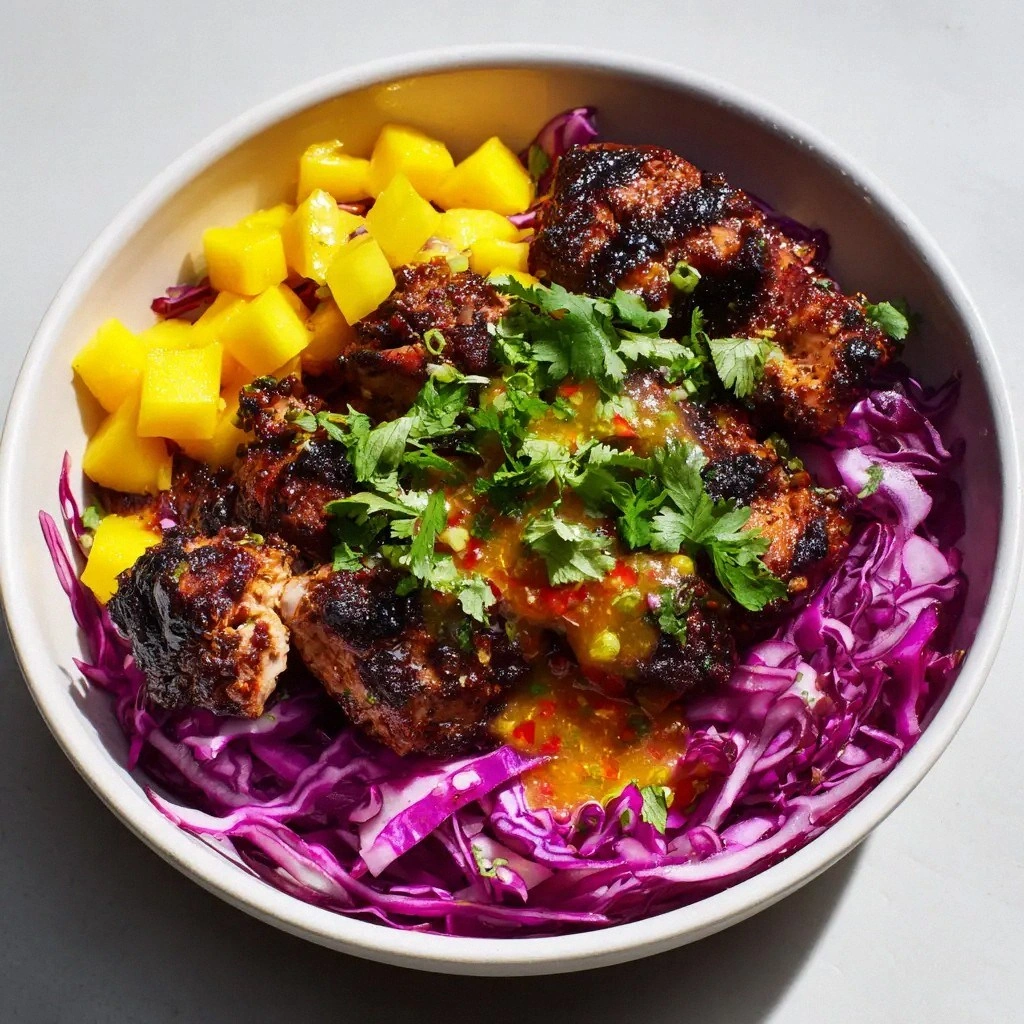
Picture this: you’re in a cramped kitchen, the fridge is a rainbow of leftovers, and a sudden craving for something that screams summer hits you like a lightning bolt. You pull out a bag of chicken thighs, a mango that looks like a sun, and a scotch bonnet pepper that glows like a tiny, fiery comet. The air is already buzzing with the promise of adventure, and I’m about to turn that spark into a full‑blown culinary fireworks display. I dare you to taste this and not go back for seconds.
When I first tried to recreate the jerk chicken bowls that my cousin swore were “the best version you'll ever make at home,” I nearly set the stove on fire. The first time, I forgot the lime juice and the dish ended up tasting like a dry, overcooked sandwich. That disaster taught me that the right balance of heat, acidity, and sweetness is the secret sauce behind every great bowl. I’ve spent the last month perfecting the exact ratio that makes the sauce cling to the chicken like velvet, while the mango slaw pops like a tropical confetti cannon.
What sets this version apart isn’t just the bold flavors; it’s the way each element is engineered to work in harmony. The coconut rice acts like a neutral sponge, soaking up the smoky glaze without drowning in it. The lime slaw brings a bright, citrusy crunch that cuts through the richness of the coconut and the heat of the pepper. And the avocado slices? They provide a creamy counterpoint that smooths the palate and elevates the whole dish to a gourmet experience.
Most recipes get this completely wrong by either over‑cooking the chicken or under‑seasoning the sauce. I’ve been told that the key is to sear the thighs until the edges are crisp and then finish them in a low‑heat oven while the sauce reduces to a glossy, caramelized coating. That technique locks in juices and gives the chicken a mouth‑watering, slightly charred texture that’s impossible to resist. If you’re craving something that feels like a vacation in a bowl, you’ve come to the right place.
But before we dive into the step‑by‑step, let me paint you a sensory snapshot: the sizzling sound as the chicken hits the pan, the aroma of fresh herbs mingling with the sharp sting of lime, and the sight of the mango turning from green to golden. Picture yourself pulling this out of the oven, the whole kitchen smelling incredible, and the first bite sending a wave of heat, sweetness, and citrus straight to your taste buds. Stay with me here — this is worth it.
What Makes This Version Stand Out
Bold Flavor: The combination of scotch bonnet heat, lime acidity, and coconut sweetness creates a flavor profile that’s both complex and approachable. It’s a dance of spicy, sweet, and tangy notes that never feels overbearing.
Texture Contrast: Crispy chicken, crunchy coleslaw, creamy avocado, and fluffy coconut rice give you a mouthful of varied textures that keep each bite exciting.
Quick Prep: All the prep work can be done in under 15 minutes, making this a go‑to meal for busy weeknights.
Make‑ahead Friendly: The sauce can be made a day ahead, and the chicken can be marinated overnight for deeper flavor.
Freshness Factor: The use of fresh mango and cilantro keeps the dish bright and vibrant, making it feel like a summer treat any time of year.
Visual Appeal: The bright colors of mango, lime, and cilantro make the dish look as good as it tastes, turning any meal into a feast for the eyes.
Alright, let’s break down exactly what goes into this masterpiece. And because I love to share the little secrets that make a dish shine, here’s a quick kitchen hack that will save you time and frustration.
Inside the Ingredient List
The Flavor Base
Chicken thighs are the backbone of this dish, offering a juicy, flavorful foundation that absorbs the spicy, sweet, and tangy elements of the sauce. Their higher fat content compared to breasts ensures that the glaze doesn’t dry out the meat, giving each bite a succulent mouthfeel. If you skip the thighs entirely, you lose the hearty texture that balances the bright slaw. For those who prefer a leaner option, chicken breasts can be used, but expect a slightly drier result unless you keep a close eye on the cooking time.
The scotch bonnet pepper is the star of the heat spectrum, delivering a bright, fruity warmth that lingers on the palate. Its capsaicin content is high, but the pepper’s natural sugars keep it from becoming overwhelmingly fiery. If you’re not a fan of intense heat, replace it with a habanero or a milder jalapeño; the flavor profile will shift slightly, becoming less sharp but still vibrant. A pinch of ground allspice and dried thyme in the sauce adds depth, reminiscent of Caribbean spice blends.
The lime juice and zest provide a sharp, citrusy brightness that cuts through the richness of the coconut rice and the sweetness of the mango. Lime’s acidity also helps tenderize the chicken, ensuring it stays moist during cooking. If you’re allergic to citrus or simply want a milder tang, swap lime for lemon; the flavor will be brighter but slightly less tropical.
Avocado oil is chosen for its high smoke point and subtle flavor, allowing the chicken to sear without burning. Its neutral taste ensures the spices shine through, while the oil’s healthy fats help the glaze adhere to the meat. Olive oil could be used in a pinch, but it has a lower smoke point and a distinct flavor that might compete with the jerk seasoning.
Coconut sugar is used instead of regular sugar to keep the dish within the Caribbean palate, adding a mild caramel undertone that balances the heat. If you’re looking for a lower‑calorie option, try honey or agave nectar; the sweetness will be slightly different but still effective. The key is to avoid overly sweeteners that could mask the spice.
The Texture Crew
The coleslaw mix provides a crunchy, fibrous base that absorbs the lime slaw dressing while keeping a crisp bite. It also adds a subtle, slightly sweet flavor that contrasts with the spicy chicken. If you can’t find a pre‑made mix, a combination of shredded cabbage, carrots, and red cabbage works just as well. Keep the slaw chilled until you’re ready to assemble the bowls to maintain its crunch.
Fresh cilantro brings a bright, herbaceous note that lifts the entire dish. Its citrusy undertones complement the lime and mango, creating a harmonious flavor tapestry. If cilantro is off your list, mint or basil can be used as a substitute, though the flavor profile will shift towards a more herbal note.
The sliced avocado offers a creamy texture that softens the heat and adds a buttery finish. It also provides healthy fats that help the body absorb fat‑soluble vitamins from the dish. If you prefer a dairy alternative, a dollop of Greek yogurt or a sprinkle of cotija cheese can replace the avocado’s richness.
The Unexpected Star
The mango is the dish’s sweet, juicy counterpoint, adding a tropical sweetness that balances the heat of the pepper. Its flesh should be ripe, almost buttery, to ensure it melts in your mouth. If mangoes are out of season, ripe papaya or pineapple chunks can serve as a suitable substitute, offering similar sweetness and tropical flair.
Red onion adds a subtle sharpness that cuts through the sweetness of the mango and the richness of the coconut rice. It also provides a pop of color and a slight crunch. If you’re sensitive to onions, try shallots or a small amount of caramelized onion to soften the bite.
The Final Flourish
Coconut rice is the base that holds everything together, offering a chewy, fragrant foundation that absorbs the sauce’s flavors without becoming soggy. Its natural sweetness complements the mango and balances the heat. If you’re avoiding gluten or dairy, try cauliflower rice or quinoa for a lower‑carb alternative.
Lime, honey, and a splash of water are the finishing touches that bring the bowl together. Lime adds acidity, honey adds a touch of natural sweetness, and water keeps the rice from drying out during reheating. If you’re looking for a lower‑calorie version, reduce the honey to a teaspoon and add a splash of coconut milk for creaminess.
Everything’s prepped? Good. Let’s get into the real action.
The Method — Step by Step
- Marinate the Chicken: In a large bowl, combine the chicken thighs, scotch bonnet pepper, minced garlic, grated ginger, soy sauce, lime juice, avocado oil, coconut sugar, dried thyme, allspice, black pepper, cinnamon, nutmeg, and a pinch of salt. Toss until the meat is evenly coated. Cover and refrigerate for at least 30 minutes, or overnight for deeper flavor. As the chicken marinates, the spices penetrate the fibers, creating a juicy, flavorful core.
- Prep the Slaw: In a separate bowl, whisk together lime juice, honey, a splash of water, and a pinch of salt. Add the coleslaw mix, sliced red onion, and cilantro. Toss until the vegetables are evenly coated. Keep the slaw chilled until you’re ready to assemble the bowls to maintain its crunch.
- Cook the Rice: Rinse the coconut rice under cold water until the water runs clear. In a medium saucepan, combine the rice with 2 cups of coconut milk and a pinch of salt. Bring to a boil, then reduce to a simmer, cover, and cook for 18-20 minutes, or until the liquid is absorbed. Fluff with a fork and keep warm.
- Sear the Chicken: Heat a large skillet over medium‑high heat. Add the marinated chicken thighs and sear for 3-4 minutes on each side until a golden crust forms. The sear locks in juices and gives the chicken a satisfying crunch.
- Finish in the Oven: Preheat the oven to 375°F (190°C). Transfer the skillet to the oven and bake for 12-15 minutes, or until the internal temperature reaches 165°F (74°C). The oven finish allows the sauce to thicken into a glossy glaze that clings to the chicken. Kitchen Hack: If you don’t have an oven, finish the chicken on the stovetop by reducing the heat to low and letting the sauce thicken over 10 minutes.
- Slice the Chicken: Remove the chicken from the skillet and let it rest for 5 minutes. Slice into bite‑sized pieces. Resting allows the juices to redistribute, ensuring each bite is moist.
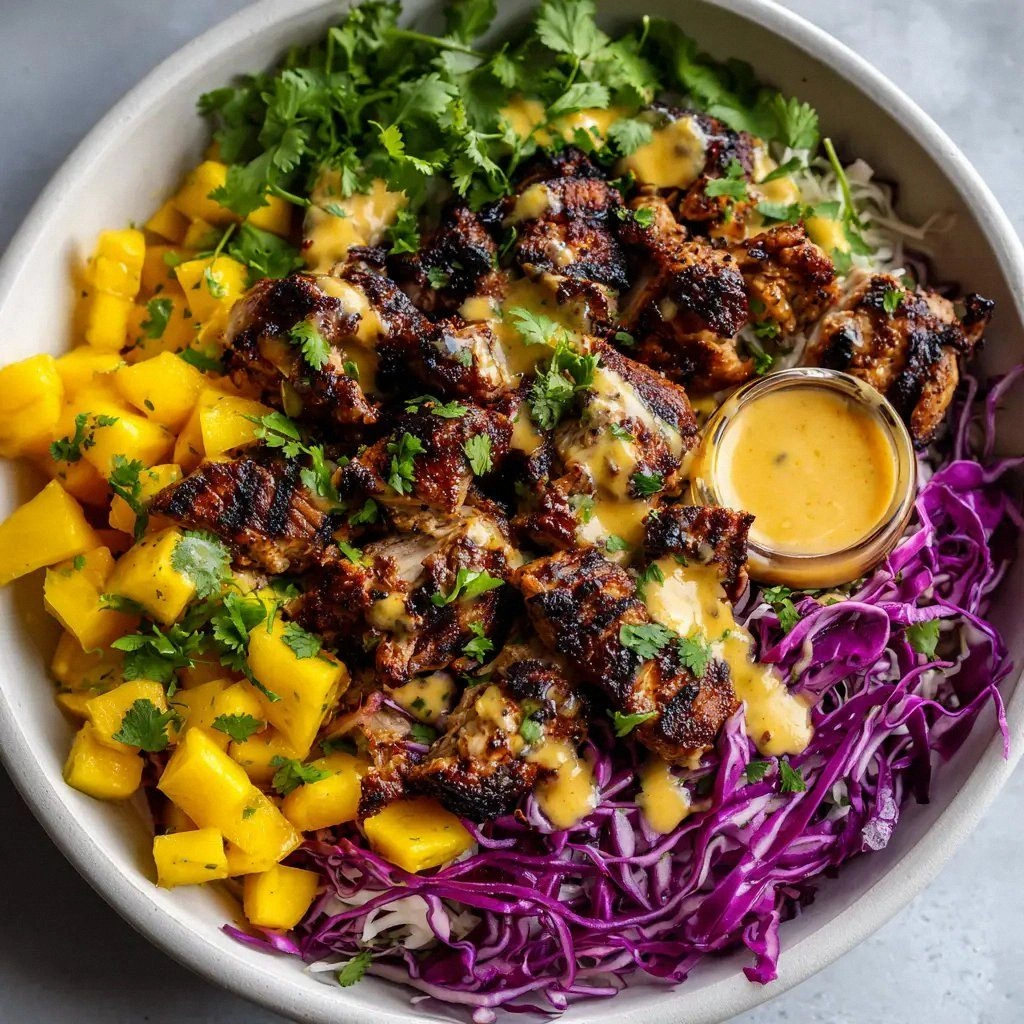
- Assemble the Bowls: Divide the coconut rice among four bowls. Top with sliced chicken, a generous spoonful of mango slaw, a few slices of avocado, and a drizzle of the remaining glaze. Garnish with extra cilantro and a wedge of lime for an extra burst of freshness.
- Finish with Lime: Just before serving, squeeze a fresh lime wedge over each bowl. The acidity brightens the flavors and adds a refreshing zing.
That’s it — you did it. But hold on, I've got a few more tricks that'll take this to another level.
Insider Tricks for Flawless Results
The Temperature Rule Nobody Follows
Many cooks believe that high heat is the key to a great sear, but the truth is that a medium‑high setting with a splash of oil yields a more even crust. I’ve found that a quick sear followed by a low oven finish keeps the chicken juicy and the glaze glossy. If you skip the oven step, the sauce will stay thin and watery.
Why Your Nose Knows Best
Before you add the final pinch of salt, give the sauce a sniff. A slightly sweet, citrusy aroma indicates that the balance is right. If it smells overwhelmingly peppery, let it simmer a bit longer to mellow the heat.
The 5-Minute Rest That Changes Everything
Letting the chicken rest after cooking is not a waste of time; it’s a flavor‑enhancing ritual. During this brief pause, the juices redistribute, preventing a dry bite. I’ve seen even seasoned chefs overlook this step, resulting in a less succulent dish.
Keep It Cool, Keep It Crunchy
Don’t let the slaw sit at room temperature for more than 15 minutes. The longer it sits, the softer it becomes and the more it absorbs the dressing, losing that satisfying crunch. Keep the slaw chilled in the fridge until assembly.
Use a Silicone Baking Mat
When finishing the chicken in the oven, place a silicone mat on the pan. This prevents the sauce from sticking and makes cleanup a breeze. I’ve had a few accidental spills that could have been avoided with this simple trick.
Finish With a Splash of Water
When reheating leftovers, add a splash of water or coconut milk to the rice. This steams the grains and restores moisture, preventing them from drying out. It also helps the glaze reattach to the chicken for a fresh, moist bite.
Creative Twists and Variations
This recipe is a playground. Here are some of my favorite ways to switch things up:
Spicy Pineapple Bowl
Swap the mango for diced pineapple and add a splash of sriracha to the sauce. The tropical sweetness of pineapple pairs beautifully with the heat, creating a new flavor dimension that’s both sweet and spicy.
Vegetarian Jerk Bowl
Replace the chicken with grilled tofu or tempeh. Marinate the protein in the same jerk seasoning and sear it until crispy. The tofu absorbs the spices, offering a plant‑based version that’s equally delicious.
Southwest Fusion
Introduce a handful of black beans and corn to the rice for a southwestern twist. Add a dash of cumin to the sauce to tie the flavors together. This version feels like a cross‑cultural culinary adventure.
Smoky Chipotle Variation
Incorporate chipotle powder into the sauce for a smoky, earthy undertone. Reduce the lime juice slightly to balance the added heat. The result is a bold, smoky bowl that’s perfect for cooler evenings.
Quinoa Power Bowl
Use quinoa instead of coconut rice for a protein boost. The nutty flavor of quinoa complements the jerk seasoning while keeping the dish gluten‑free. It’s a hearty, wholesome alternative.
Breakfast Jerk Bowl
Swap the rice for scrambled eggs and top with avocado slices, a sprinkle of chives, and a drizzle of hot sauce. The savory, spicy flavor pairs wonderfully with the richness of eggs, making a satisfying breakfast.
Storing and Bringing It Back to Life
Fridge Storage
Store the assembled bowls in airtight containers for up to 3 days. Keep the rice and slaw separate if you prefer to assemble them fresh each day. This keeps the textures crisp and the flavors vibrant.
Freezer Friendly
For longer storage, freeze the chicken and rice separately. Wrap the chicken in foil and place in a freezer bag; do the same with the rice. Reheat individually in the microwave or on the stovetop.
Best Reheating Method
To reheat, add a splash of water or coconut milk to the rice, cover, and heat gently over low heat until steaming. Warm the chicken in a skillet until the glaze is glossy again. This technique restores moisture and flavor, making leftovers feel fresh.