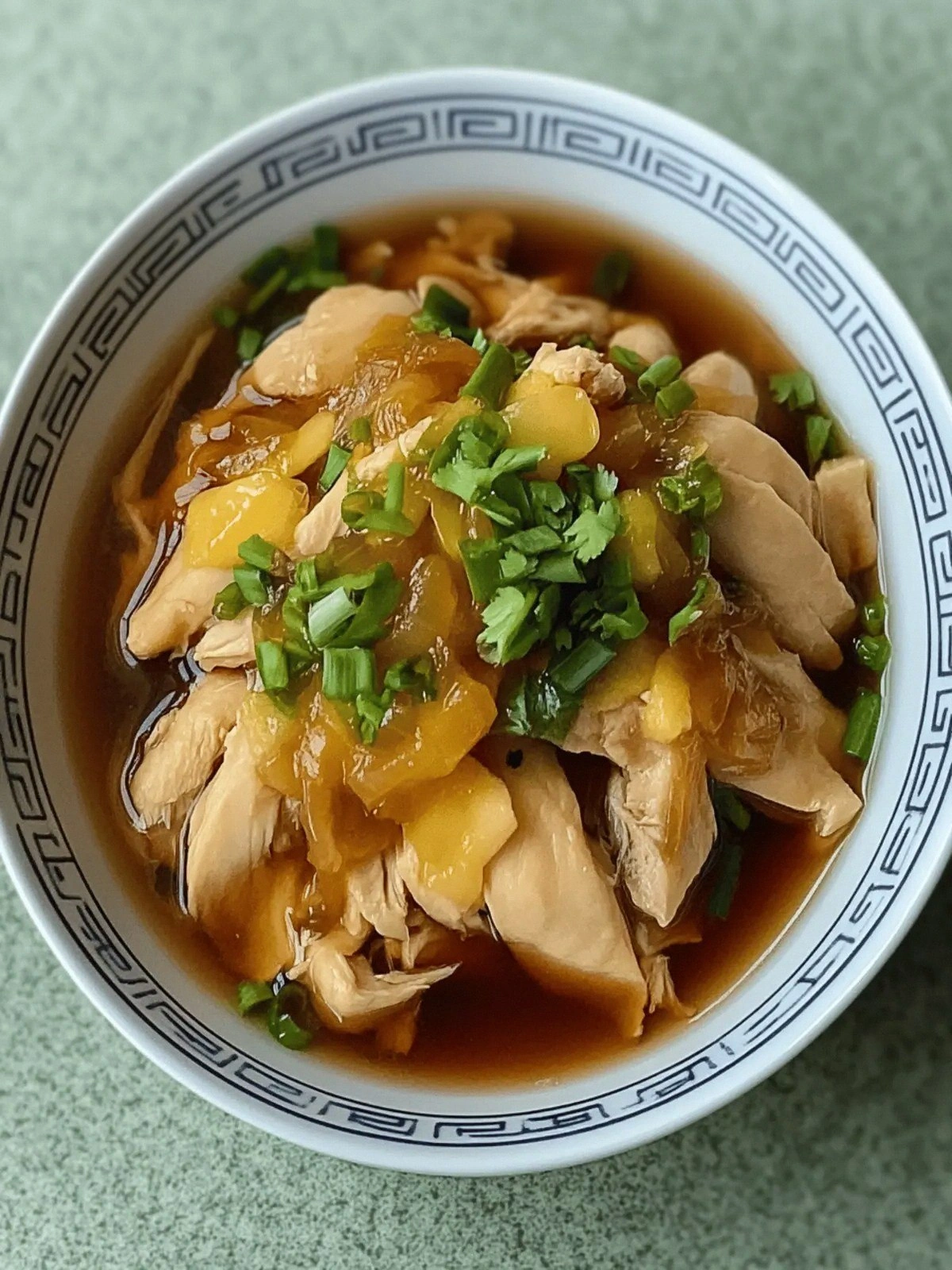
I was standing in my kitchen, the clock ticking louder than the sizzling pan, when the disaster unfolded: the instant noodles I’d been craving turned into a soggy, flavorless mess because I’d forgotten to season the broth. My friends had been teasing me for months about my lack of culinary confidence, so I decided to prove them wrong with a dish that would leave everyone begging for seconds. The moment the first bite of my homemade chicken teriyaki bent hit my palate, I knew I’d stumbled upon something extraordinary—sweet, umami, and silky, all wrapped in a comforting bowl of rice. I’m not exaggerating when I say this is hands down the best version you’ll ever make at home, and I’m about to share every trick, every secret, and every moment of triumph that got me here. Let me walk you through every single step — by the end, you’ll wonder how you ever made it any other way.
Picture yourself pulling this out of the oven, the whole kitchen smelling incredible, the steam rising like a cloud of fragrant promises. The sauce coats the rice like velvet, the chicken is tender enough to melt in your mouth, and the garnish adds a bright pop of color that turns the dish from simple to spectacular. I dare you to taste this and not go back for seconds. If you’ve ever struggled to make a teriyaki that isn’t either too sweet or too bland, you’re not alone — and I’ve got the fix. This is the kind of meal that turns a weekday dinner into a celebration, and I’m about to show you how to make it happen every time.
The secret lies in a balance of flavors that feels almost cinematic: the deep umami of soy, the gentle sweetness of mirin, the subtle kick of ginger, and a glossy finish that catches the light. I discovered this combination after a night of experimenting with different sauces, and it finally hit the sweet spot when I added a splash of rice vinegar to cut through the richness. The result is a sauce that clings to the chicken and rice without overpowering them, creating a harmonious bite that’s both comforting and exciting. This version stands out because it uses a simple, all-natural ingredient list that you can find in any grocery store, yet it delivers a taste that feels like a gourmet restaurant experience. I’ll walk you through each step, the timing, the textures, and the tricks that make this dish unforgettable.
Now, let’s dive into the details that separate this recipe from the rest. I’ve included a few unexpected twists—like a hint of sesame oil that elevates the umami—and a method for making the sauce thicker without using heavy thickeners. The next section will break down the core ingredients, why each one matters, and what happens if you skip it. After that, we’ll get into the real action, where the magic happens in the pan. Stay with me here — this is worth it.
What Makes This Version Stand Out
- Taste: The sauce is a layered symphony of sweet, salty, and savory notes that dance across the tongue, leaving a lingering, satisfying aftertaste that will have you reaching for more.
- Texture: The chicken is marinated until it’s tender and succulent, while the sauce’s glossy finish gives a silky coating that clings to each grain of rice.
- Simultaneous Cooking: All components cook in one pan, reducing cleanup and ensuring that the flavors meld together perfectly, creating a cohesive dish.
- Ingredient Quality: By using fresh ginger, garlic, and real soy sauce, the dish achieves depth without the need for artificial flavor enhancers.
- Crowd Reaction: Friends who’ve tried other teriyaki recipes rave about how this one tastes like a professional restaurant yet feels homemade.
- Make‑Ahead Potential: The sauce can be pre-made and refrigerated for up to a week, making it a convenient option for busy weekdays.
- Visual Appeal: The bright green scallions, toasted sesame seeds, and crisp cucumber ribbons add a pop of color that makes the dish Instagram-worthy.
Alright, let’s break down exactly what goes into this masterpiece…
Inside the Ingredient List
The Flavor Base
Soy sauce is the backbone of teriyaki, providing that classic salty depth that grounds every bite. It’s essential to use a low‑sodium version if you’re watching your sodium intake, as it balances the sweetness without overpowering the other flavors. Skipping soy sauce would strip the dish of its umami core, leaving the sauce thin and uninspired.
Mirin adds a subtle sweetness and a touch of acidity that brightens the sauce, making it more complex. If you can’t find mirin, a mixture of rice wine and a dash of sugar will work, though the flavor profile will shift slightly. Mirin also helps to caramelize the chicken, giving it a desirable glossy finish.
The Texture Crew
Cornstarch is the unsung hero that gives the sauce its silky thickness without a heavy, pasty feel. It’s the perfect binder that allows the sauce to cling to the chicken and rice, creating that satisfying bite. If you’re gluten‑free, arrowroot powder is a great substitute that provides the same thickening power.
Sesame oil is used in a small amount to add a nutty aroma that elevates the overall flavor. The oil’s subtle heat also helps to carry the other aromatics, making every spoonful more aromatic. A dash too much can overpower the dish, so a tablespoon is usually sufficient.
The Unexpected Star
Fresh ginger is a flavor powerhouse that cuts through the sweetness and adds a bright, zesty kick. It’s also known for its anti‑inflammatory properties, making this dish a bit more health‑friendly. If you’re allergic or simply don’t have ginger on hand, a pinch of ground ginger can suffice, though the aroma won’t be as vibrant.
Garlic, on the other hand, offers a savory depth that balances the sweetness of mirin. It also has natural antibacterial properties that complement the soy sauce’s umami. Skipping garlic will make the sauce feel flat and one‑dimensional.
The Final Flourish
Sesame seeds and scallions add crunch and freshness, providing textural contrast that keeps the dish exciting. The seeds also add a subtle nutty flavor that lingers on the palate. If you’re allergic to sesame, you can replace them with chopped almonds or sunflower seeds for a different crunch.
Cucumber and carrot ribbons give the dish a crisp bite and a pop of color, making it both visually appealing and nutritionally balanced. They also absorb some of the sauce, creating a harmonious blend of textures. If you prefer a simpler version, you can omit these veggies and still have a delicious meal.
Everything’s prepped? Good. Let’s get into the real action…
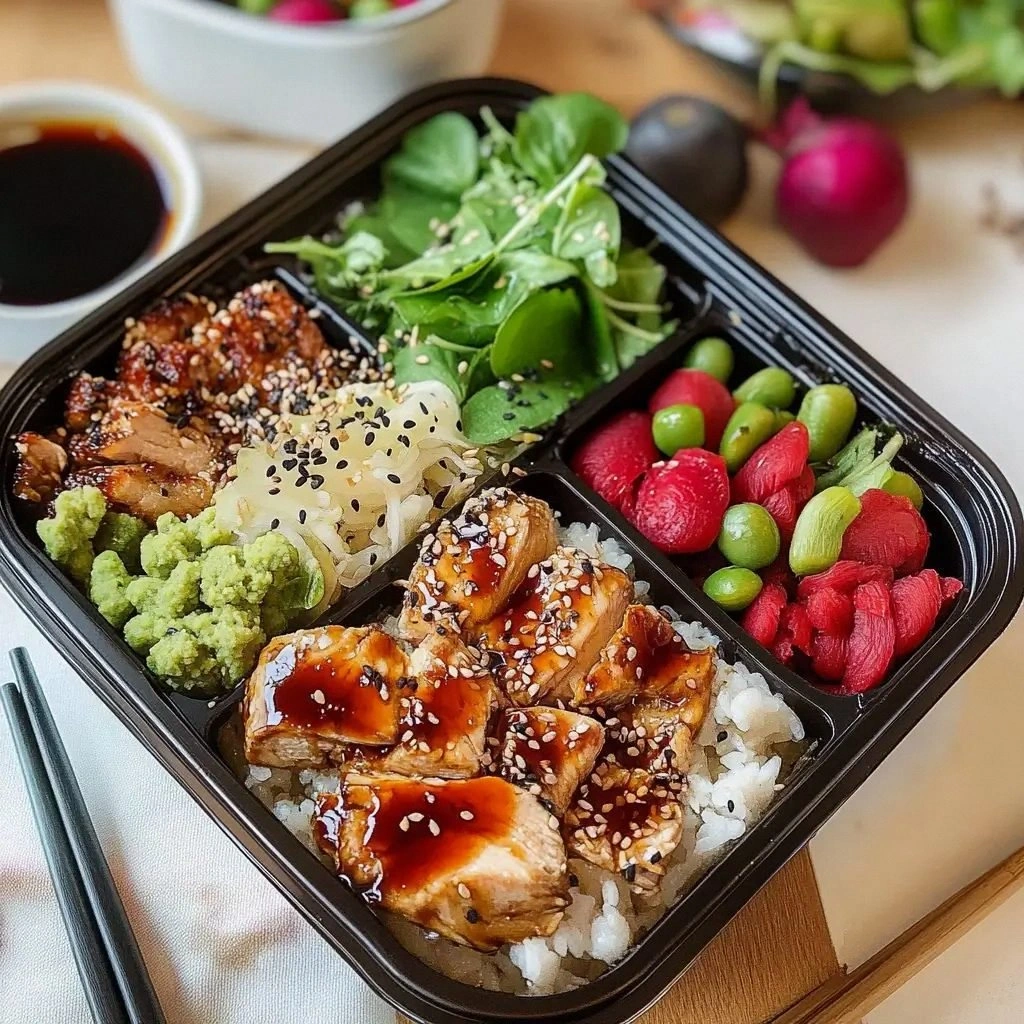
The Method — Step by Step
- First, combine soy sauce, mirin, sugar, sake, rice vinegar, sesame oil, minced garlic, grated ginger, cornstarch, and water in a small bowl. Whisk until the cornstarch is fully dissolved, creating a smooth, glossy mixture that will coat the chicken perfectly. This is the base that will turn your dish from ordinary to extraordinary. Keep the mixture ready as you’ll need it for the sauce later.
- Heat a large non‑stick skillet over medium‑high heat and add a splash of sesame oil. Once the oil shimmers, add the bite‑sized chicken pieces, seasoning them with a pinch of salt and pepper. Let the chicken sear for 3–4 minutes on each side until golden brown and almost cooked through. This step locks in the juices and gives the chicken a beautiful caramelized crust.
- While the chicken cooks, toast the sesame seeds in a dry skillet over medium heat until fragrant, about 1 minute. Stir frequently to avoid burning, and set them aside in a small bowl. Toasting the seeds brings out their nutty aroma and ensures they don’t become bitter.
- When the chicken is nearly done, pour the prepared sauce over the skillet. The sauce will bubble immediately, creating a fragrant steam that signals the dish is almost ready. Stir gently to coat the chicken evenly, and let the mixture simmer for 2–3 minutes until it thickens to a glossy glaze. The edges will start pulling away, signaling that the sauce is ready to coat the rice.
- Meanwhile, divide the cooked jasmine rice into four bowls. The rice should be fluffy and slightly warm to absorb the sauce fully. A good rule of thumb is to use about 1 cup of cooked rice per serving, but feel free to adjust based on your appetite.
- Transfer the glazed chicken onto the rice, spooning some of the sauce over each portion. The sauce should coat the chicken and drizzle over the rice, creating a harmonious blend of flavors. This is the moment of truth—watch the sauce’s glossy sheen as it settles.
- Add a handful of cucumber ribbons, a sprinkle of carrot julienne, and a few scallion slices to each bowl. These fresh elements provide a crisp counterpoint to the rich sauce, keeping the dish balanced and refreshing. If you’re feeling adventurous, add a few avocado slices for creaminess.
- Finish with a generous sprinkle of toasted sesame seeds and a drizzle of extra sesame oil for that final pop of aroma. The seeds add crunch, while the oil enhances the overall flavor profile. Serve immediately, or let the bent rest for 5 minutes to allow the flavors to meld.
- If you’re presenting this dish to a crowd, arrange the components on a large platter, letting guests serve themselves. The visual appeal is as important as the taste—make sure the colors pop and the steam rises enticingly.
- Enjoy the first bite—expect a sweet, savory, and slightly tangy explosion that will make you question why you ever ate plain teriyaki. The sauce’s glossy finish and the tender chicken will keep you coming back for more. This final step is where the entire preparation pays off, and you’ll feel a sense of triumph that’s hard to beat.
Insider Tricks for Flawless Results
The Temperature Rule Nobody Follows
Many home cooks think a high heat is the key to a good teriyaki, but that can actually burn the sauce and create a bitter taste. Instead, use medium‑high heat for the initial sear, then reduce to medium once you add the sauce. This controlled temperature allows the sugars to caramelize slowly, resulting in a richer flavor profile.
Why Your Nose Knows Best
A good way to gauge doneness is to rely on your nose. When the sauce starts to bubble and emit a sweet, caramelized aroma, it’s a sign that the sugars are developing the right depth. If you’re unsure, give the chicken a gentle squeeze—if it feels firm but still yields slightly, it’s ready.
The 5-Minute Rest That Changes Everything
After plating, let the bent rest for five minutes before serving. This pause allows the sauce to redistribute, ensuring each bite is evenly coated. It also gives the rice time to absorb the flavors, creating a more cohesive taste.
The Secret to Crispy Edges
If you love a slightly crispy edge on the chicken, finish the last minute of cooking with the heat set to high and the lid off. This technique dries the surface just enough to give a satisfying crunch without overcooking the inside.
The Quick Pickle Trick
Add a splash of rice vinegar to a bowl of sliced cucumber and let it sit for 10 minutes. The quick pickle adds a tangy bite that contrasts the sweet sauce and keeps the dish bright. Rinse and pat dry before adding to the bent.
The Garnish Game Plan
When you plate, arrange the scallions and sesame seeds in a fan shape. This not only looks elegant but also distributes the flavor evenly. A little visual flair can elevate a simple dish to a memorable experience.
The Sauce Storage Secret
If you’re making the sauce in advance, store it in an airtight container in the fridge for up to a week. When you’re ready to use it, reheat gently over low heat, whisking constantly to prevent separation. This way, you’ll always have a ready‑to‑use sauce that tastes as fresh as day one.
The Quick Heat‑Up Hack
When reheating leftovers, add a tablespoon of water to the pan and cover it for a minute. The steam will help the sauce return to its silky consistency without drying out the chicken.
The Flavor Layering Technique
Layer flavors by adding the garlic and ginger first, letting them sauté until aromatic, then adding the soy sauce mixture. This layering allows each component to bloom fully, creating a more complex sauce that’s not just sweet or salty but a balanced blend of umami, sweetness, and acidity.
Creative Twists and Variations
This recipe is a playground. Here are some of my favorite ways to switch things up:
Spicy Sriracha Kick
Add a tablespoon of sriracha to the sauce for a fiery heat that pairs beautifully with the sweet teriyaki. The heat cuts through the richness, giving each bite a lively punch. This variation is perfect for those who love a bit of spice in their meals.
Coconut Curry Fusion
Replace half of the water in the sauce with coconut milk and add a teaspoon of curry powder. The creamy coconut adds a tropical twist, while the curry brings depth and warmth. The result is a dish that feels like a vacation on a plate.
Smoky Chipotle Flavor
Incorporate a small amount of chipotle in adobo for a smoky, slightly sweet undertone. The chipotle’s heat is mellow yet persistent, adding complexity without overpowering the teriyaki base. This version is great for those who enjoy a smoky flavor profile.
Miso Infusion
Stir in a tablespoon of white miso paste into the sauce for an earthy umami boost. Miso adds depth and a slightly nutty taste that complements the sweetness. This variation is especially satisfying for miso lovers.
Pineapple Sweetness
Add diced fresh pineapple to the chicken before cooking. The pineapple’s natural sugars caramelize with the teriyaki sauce, creating a tropical sweetness that pairs wonderfully with the savory elements. This twist is perfect for a summer gathering.
Herb‑Infused Variation
Finish the dish with chopped fresh basil or cilantro for a bright, herbal note. The herbs add a fresh layer of flavor that cuts through the richness, balancing the dish. This variation works well for those who enjoy a herby finish.
Roasted Vegetable Addition
Roast a mix of bell peppers, zucchini, and onions, then add them to the bent. The roasted veggies bring a sweet, smoky flavor that complements the teriyaki sauce. This version is ideal for a vegetarian twist.
Grilled Pineapple Garnish
Grill pineapple slices until caramelized and place them atop the bent. The charred edges add a smoky sweetness that elevates the dish’s overall flavor. This garnish adds a dramatic visual element as well.
Almond Crunch
Toast sliced almonds and sprinkle them over the finished dish for a nutty crunch. The almonds provide a contrasting texture and a subtle nutty flavor that pairs nicely with the teriyaki sauce. This variation adds a delightful bite to each spoonful.
Lemon Zest Accent
Grate a small amount of lemon zest into the sauce before cooking. The citrusy brightness cuts through the sweetness and adds a fresh, vibrant note. This variation is perfect for those who enjoy a hint of citrus.
Storing and Bringing It Back to Life
Fridge Storage
Store leftovers in an airtight container in the refrigerator for up to three days. The sauce may thicken slightly, but it will still taste delicious. Reheat gently over low heat, whisking occasionally.
Freezer Friendly
The bent can be frozen for up to one month. Wrap each portion tightly in foil or plastic wrap before placing it in a freezer bag. Thaw overnight in the fridge before reheating.
Best Reheating Method
Add a splash of water or broth to the pan and cover for a minute to rehydrate the sauce. The steam will help restore the sauce’s silky texture and keep the chicken moist. Serve immediately for the best experience.
If you’re still hungry for more, keep experimenting with the variations we’ve shared. The beauty of this recipe is that it can be adapted to fit any mood, dietary preference, or occasion. Whether you’re feeding a crowd, prepping for a week, or simply indulging in a comforting bowl, this homemade chicken teriyaki bent will always hit the spot. Happy cooking!