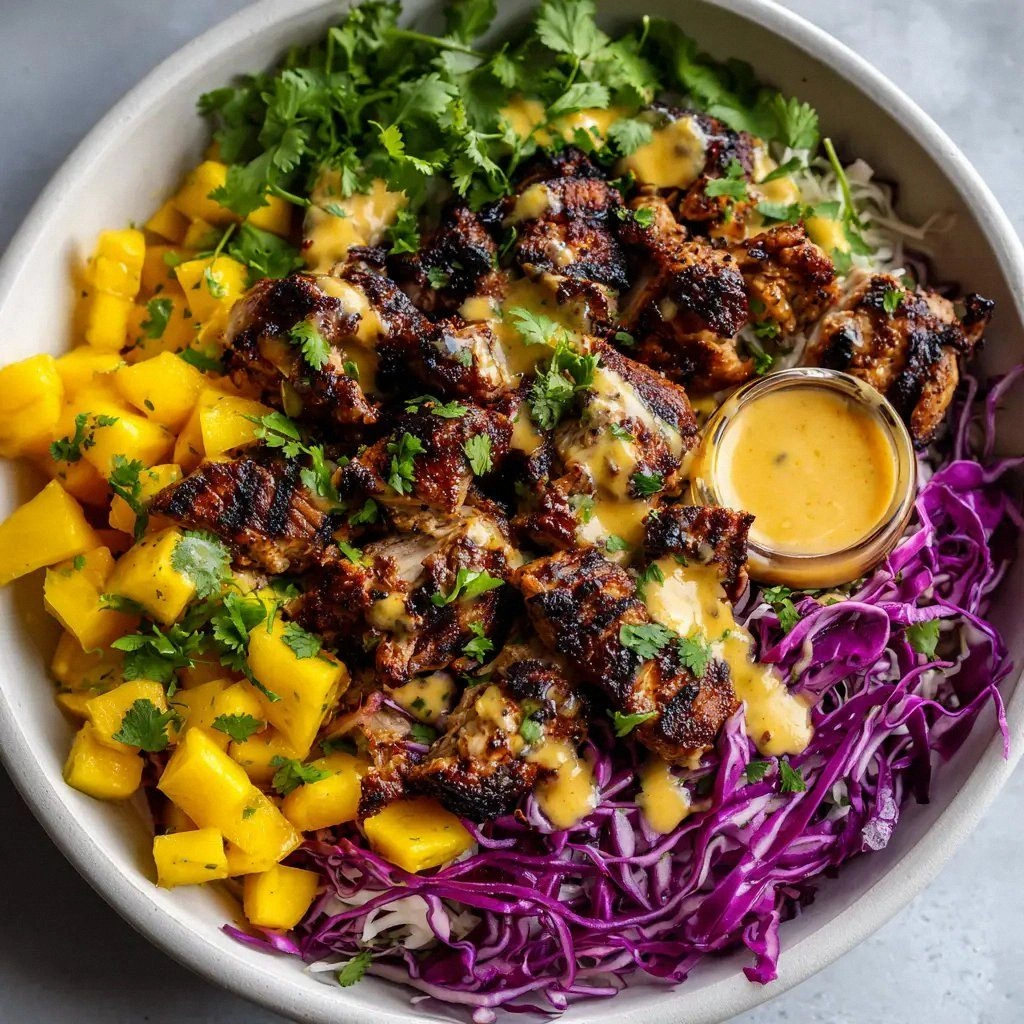
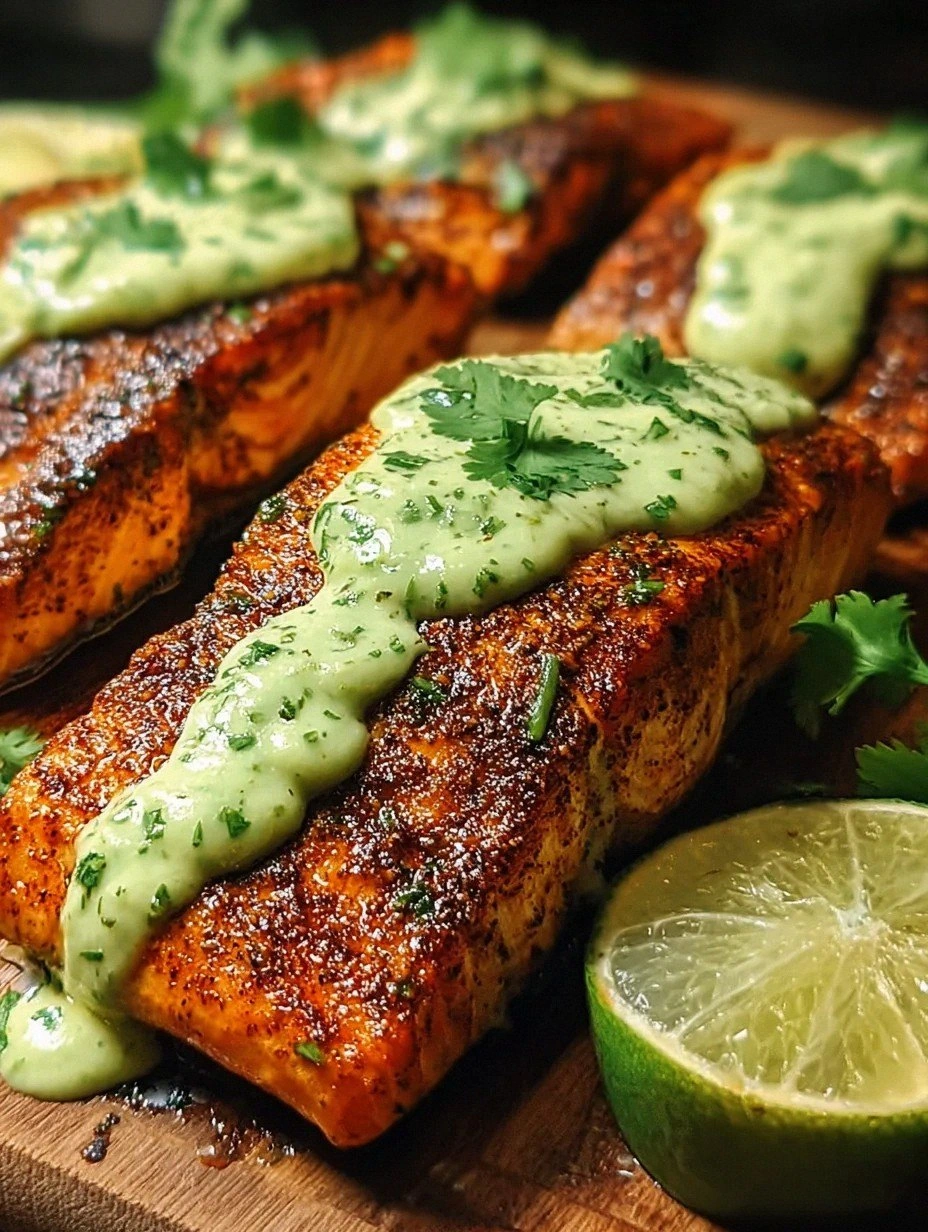
Imagine the kitchen as a stage, the pork as the star, and the citrus and spices as the supporting actors that bring depth and color. The moment the pork hits the pan, you’ll hear a satisfying sizzle that signals the start of a flavor adventure. The anticipation builds as the aroma fills the room, and you’ll find yourself reaching for a glass of water even before the first bite. Stay with me here—this is worth it. Let me walk you through every single step, and by the end, you’ll wonder how you ever made it any other way.
What Makes This Version Stand Out
- Taste: The combination of smoked paprika, cumin, and a generous splash of blood orange creates a depth that feels both smoky and bright. The citrus cuts through the richness of the pork, leaving a lingering aftertaste that invites another bite.
- Texture: Slow roasting at a low temperature keeps the meat moist, while a quick sear at the end crisps the edges, giving a satisfying contrast between tender interior and crunchy exterior.
- Simplicity: No complex sauces or secret ingredients—just pantry staples plus the star of the show, the blood orange. This makes the recipe approachable for beginners and seasoned cooks alike.
- Uniqueness: Blood oranges are rarely used in carnitas, and they add a visual pop and subtle tartness that elevates the dish beyond the usual.
- Crowd Reaction: Friends rave about the bright, fresh finish and the way the feta and cilantro add a layer of briny complexity that keeps everyone coming back for more.
- Ingredient Quality: Using a bone‑in pork shoulder with a good fat cap ensures a juicy result; the fresh blood oranges and cilantro give the dish a vibrant, farm‑to‑table feel.
- Cooking Method: A single pot, low‑heat roast, and a quick finish in the oven eliminates the need for multiple pans and reduces cleanup.
- Make‑ahead Potential: The pork can be cooked a day ahead and reheated without losing flavor; the citrus and feta are added fresh right before serving to maintain brightness.
Inside the Ingredient List
The Flavor Base
The foundation of this dish is the aromatic blend that coats the pork before it even hits the heat. Cumin and smoked paprika give a smoky earthiness, while paprika adds a subtle sweetness that balances the citrus. Garlic and onion powders provide depth, and dried oregano offers a hint of Mediterranean herbaceousness. If you’re craving a different flavor profile, swap the oregano for thyme or rosemary for a piney twist. The key is to let the spices mingle with the pork, allowing them to penetrate the meat’s fibers.
Skipping the spices would leave the pork bland, turning a potential culinary masterpiece into a forgettable side dish. The combination of cumin, paprika, and oregano creates a savory backbone that supports the bright citrus notes. If you’re a fan of heat, add a pinch of cayenne or a dash of chipotle powder. The spices also act as a natural preservative, helping the pork stay juicy during the slow‑roasting process.
The Texture Crew
The pork shoulder is the star of the show, and its fat content is crucial for a juicy result. A bone‑in cut adds flavor through the marrow, while the fat cap melts into the meat, creating a silky mouthfeel. If you prefer a leaner version, trim some fat, but be prepared for a slightly drier outcome. The meat should be cut into 2–3 inch cubes for even cooking.
The mini flour tortillas are the vessel that holds all the flavors together. Use soft, warm tortillas for a mouthfeel that complements the pork’s tenderness. If you’re avoiding gluten, substitute with corn tortillas or a gluten‑free flour blend. The tortillas should be heated just enough to be pliable, but not so hot that they crack.
The Unexpected Star
Blood oranges are the unexpected star that gives this dish its signature color and flavor. Their bright, sweet‑tart profile cuts through the richness of the pork, while the juice and zest add depth. If you can’t find blood oranges, substitute with a mix of regular orange and a splash of grapefruit juice for a slightly bitter edge. The citrus also helps to tenderize the meat, as the acids break down connective tissue.
The feta cheese adds a salty, creamy counterpoint that balances the citrus brightness. Crumbled feta should be added after the pork has cooled slightly, so it doesn’t melt into a gooey mess. If you’re lactose intolerant, replace feta with a vegan cheese or omit it entirely for a lighter version.
The Final Flourish
The finishing touches—Greek yogurt, mayo, lime wedges, chopped cilantro, and avocado—create a creamy, tangy sauce that coats the pork like velvet. The yogurt adds a mild tang, while mayo contributes body and richness. Lime wedges provide a fresh, citrusy bite that awakens the palate. Avocado slices add a buttery texture that contrasts with the crisp edges of the pork.
If you’re looking for a vegan version, replace the pork with jackfruit, the yogurt with coconut cream, and the mayo with a cashew‑based sauce. The key is to keep the citrus and spice elements intact, as they’re the backbone of this recipe. Everything’s prepped? Good. Let’s get into the real action.
The Method — Step by Step
- Preheat your oven to 300°F (150°C). Pat the pork shoulder dry with paper towels; this helps the spices adhere and the surface to brown. Sprinkle the pork with salt, pepper, cumin, paprika, smoked paprika, garlic powder, onion powder, and oregano, making sure every cube is coated. Let the meat rest for 10 minutes; the spices will penetrate the fibers, creating a deeper flavor base.
- In a large Dutch oven, melt the butter over medium heat. Add the chopped white onion and sauté until translucent, about 5 minutes. Then stir in the minced garlic and cook for another 30 seconds until fragrant. This onion base forms the sweet foundation that balances the pork’s richness.
- Add the pork cubes to the pot, searing them on all sides until they develop a golden crust. This step is crucial; the Maillard reaction creates a savory depth that the rest of the dish will echo. Once browned, remove the pork and set aside.
- Return the pork to the pot. Pour in the blood orange juice and the juice of the large orange. Add the sliced blood oranges, the lime slices, and the 3 tablespoons of water. Stir to combine, ensuring the pork is mostly submerged. This liquid will keep the meat moist and infuse it with citrus flavor.
- Cover the Dutch oven tightly with a lid or foil and transfer it to the preheated oven. Roast for 2 ½ to 3 hours, or until the pork is fork‑tender. The low temperature allows the collagen to break down slowly, resulting in melt‑in‑your‑mouth texture.
- Once the pork is tender, remove the pot from the oven and let it rest for 10 minutes. This resting period allows the juices to redistribute, ensuring every bite stays moist.
- Shred the pork with two forks, discarding any large fat chunks. Return the shredded pork to the pot and stir in the Greek yogurt, mayo, and a splash of the reserved cooking liquid to create a creamy, citrus‑laden sauce. The sauce should coat the pork like velvet, with a bright, slightly tangy finish.
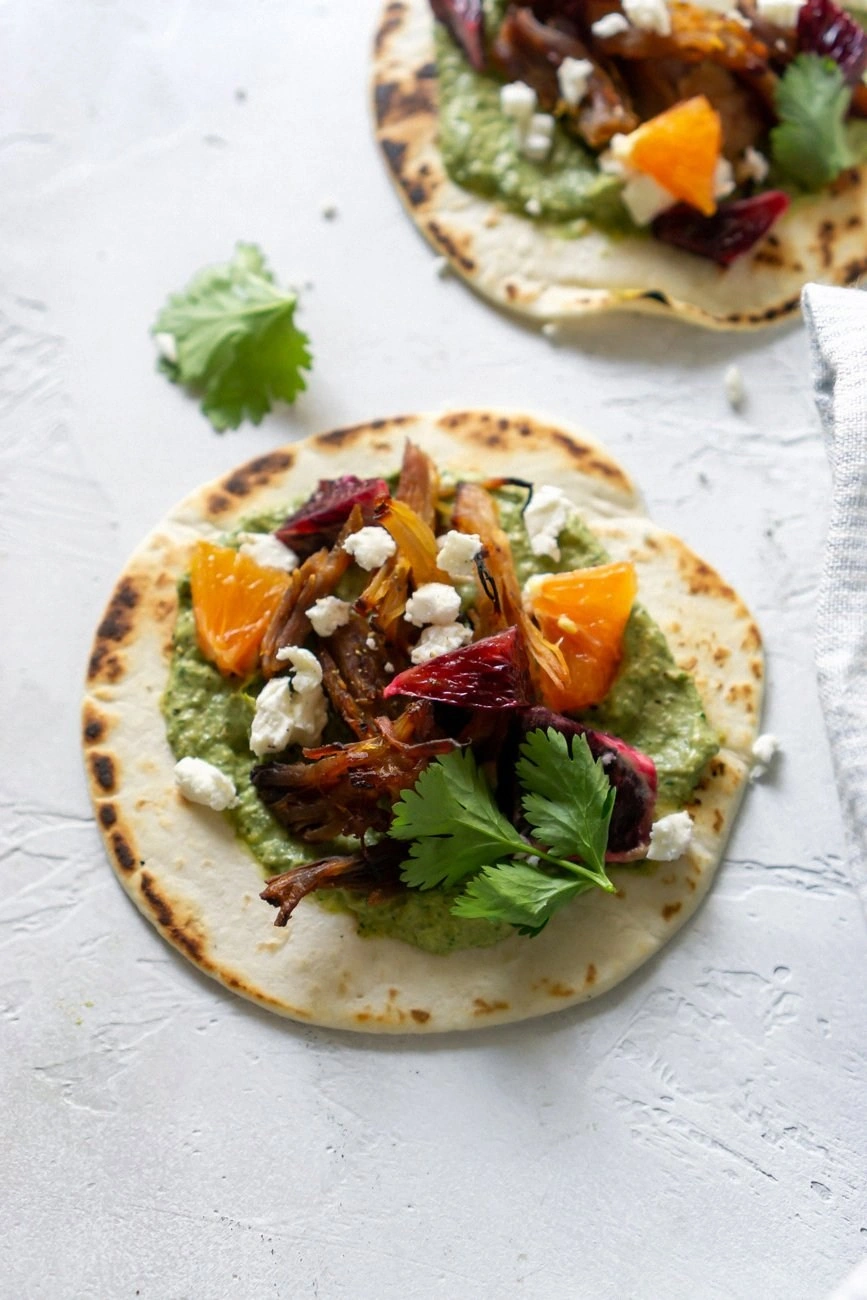
- Warm the mini flour tortillas in a dry skillet or microwave for 15 seconds. Assemble the tacos by placing a generous amount of pork on each tortilla, topping with crumbled feta, sliced avocado, chopped cilantro, and a squeeze of lime. Serve immediately, garnished with additional cilantro and lime wedges.
That’s it — you did it. But hold on, I’ve got a few more tricks that will take this to another level. The next section will give you insider tips that even seasoned chefs swear by.
Insider Tricks for Flawless Results
The Temperature Rule Nobody Follows
Many people assume that a higher oven temperature will cook pork faster, but this actually dries out the meat. Keep the oven at a steady 300°F (150°C) throughout the roast. The slow, low heat allows the connective tissue to break down into gelatin, which keeps the pork moist and tender. If you’re short on time, use a pressure cooker, but then add an extra minute of broil to crisp the edges.
Why Your Nose Knows Best
During the roast, you’ll notice the aroma shift from sweet onion to smoky paprika to citrusy blood orange. Trust your nose; when the pork starts to emit a deep, caramelized scent, it’s ready to come out of the oven. If you’re unsure, lift the lid for a quick peek; the meat should look almost liquid on the surface.
The 5‑Minute Rest That Changes Everything
After removing the pork from the oven, let it rest for exactly five minutes before shredding. This brief pause allows the juices to redistribute, ensuring that the final shredded pork remains succulent. I’ve seen people skip this step and end up with a dry, rubbery texture that ruins the entire dish.
The Citrus Splash
If you’re craving an extra burst of brightness, squeeze a splash of fresh lime juice into the sauce right before serving. The acidity cuts through the richness of the pork and balances the feta’s saltiness. Don’t be afraid to adjust the lime amount; a little goes a long way.
The Quick Broil for Crunch
For an extra layer of texture, place the shredded pork back under the broiler for 2–3 minutes. Watch it closely; the edges should crisp up but not burn. The resulting crunch will contrast beautifully with the creamy sauce and tender meat.
The Final Touch
Just before plating, sprinkle a handful of chopped cilantro and a few crumbled feta shards over the tacos. The fresh herbs add a burst of green, while the feta’s briny tang cuts through the citrusy sweetness. This final flourish gives the dish a polished, restaurant‑quality finish.
Creative Twists and Variations
This recipe is a playground. Here are some of my favorite ways to switch things up:
Smoky Chipotle Twist
Replace the smoked paprika with chipotle powder for a smoky, spicy kick. Add a splash of agave syrup to balance the heat. This variation is perfect for those who like a little fire in their tacos.
Herb‑Infused Variation
Swap the oregano for fresh thyme and add a handful of rosemary sprigs to the pot. The herbal aroma will give the pork a forest‑like depth, making it ideal for a fall gathering.
Vegan Jackfruit Carnitas
Use young green jackfruit as the protein base. Marinate with the same spice mix and slow‑cook until tender. Top with vegan feta and a drizzle of coconut yogurt for a plant‑based twist.
Spicy Mango Salsa
Add diced mango and jalapeño to the sauce for a sweet‑heat combination. The mango’s sweetness complements the blood orange, while the jalapeño adds a subtle kick.
Crispy Coconut Topping
Sprinkle toasted coconut flakes over the finished tacos for a nutty crunch. The coconut’s natural sweetness pairs wonderfully with the citrusy pork.
Breakfast Carnitas
Serve the pork over a bed of scrambled eggs and a drizzle of hot sauce for a breakfast twist. The savory pork and tangy citrus make a surprising, satisfying morning meal.
Storing and Bringing It Back to Life
Fridge Storage
Store leftover pork in an airtight container in the refrigerator for up to 4 days. Keep the sauce separate to avoid soggy tortillas. When you’re ready to eat, reheat the pork in a skillet over medium heat until warmed through, then add a splash of water to keep it moist.
Freezer Friendly
For longer storage, freeze the pork in a freezer‑safe bag for up to 3 months. Thaw overnight in the fridge and reheat as described above. The flavor remains intact, and the texture stays tender.
Best Reheating Method
The secret to reheating without drying out the pork is to add a tiny splash of water or broth before heating. This steams the meat back to life, preserving the juicy texture and bright citrus notes. Finish with a quick sear under the broiler to restore the crisp edges.