I was halfway through a midnight snack, eyes glued to a pizza box that had been left open in the fridge for days, when the universe decided to test my culinary mettle. The pizza was soggy, the cheese had turned into a rubbery nightmare, and my stomach was shouting for something comforting. In that moment of culinary despair, I remembered a friend who swore by her homemade Alfredo sauce, claiming it was “hands down the best version you'll ever make at home.” That promise stuck like butter on a hot pan, and I knew I had to prove it.
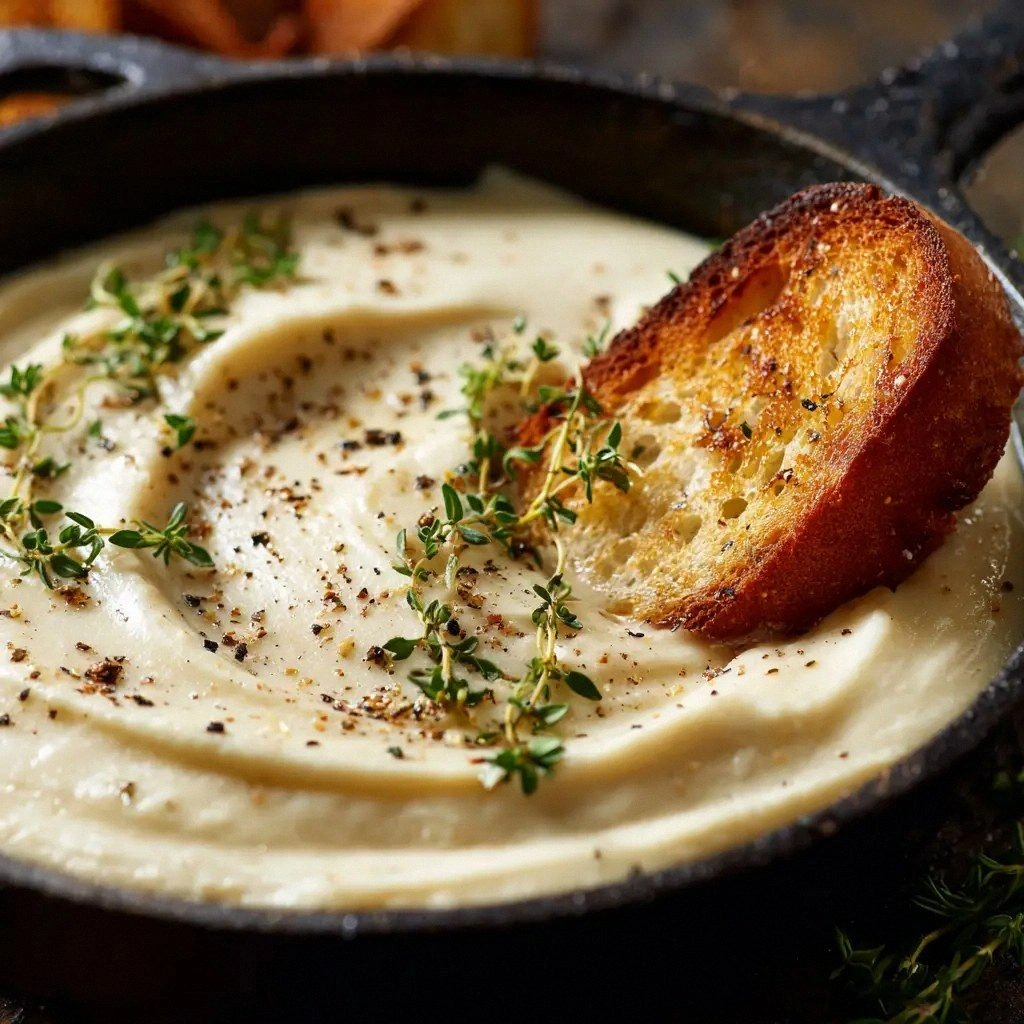
Picture this: the kitchen is dimly lit, a single pot on the stove crackling with butter, the aroma of garlic sizzling into a golden pool. The sound of the whisk is a rhythmic metronome, and the heat is a steady, reassuring hum. When the sauce finally thickens, it glistens like a satin curtain, the scent of nutmeg rising like a secret perfume. The first spoonful is a silky cascade that coats the tongue, a gentle velvet that melts into a creamy dream. You can almost taste the applause in the air, the satisfied sigh that follows the last bite.
What makes this recipe a revelation is not just the richness of the sauce, but the meticulous balance of flavor and texture that turns ordinary pasta into an unforgettable experience. The butter is the buttery base that creates a luscious mouthfeel; the garlic adds depth without overpowering; the heavy cream gives body; Parmesan contributes umami and a subtle nuttiness; a whisper of nutmeg ties everything together. The result is a sauce that coats pasta like velvet, yet remains light enough to let the noodles shine. I dare you to taste this and not go back for seconds.
And here’s the kicker: I discovered that a small, often-overlooked step—simmering the cream just enough before adding the cheese—can make the difference between a sauce that clings and one that glides. That subtle timing is the secret sauce of this recipe, a trick I learned from a culinary master who said, “The key is to let the cream marry the butter before the cheese arrives.” This simple tweak elevates the entire dish, turning it into a silky, decadent masterpiece.
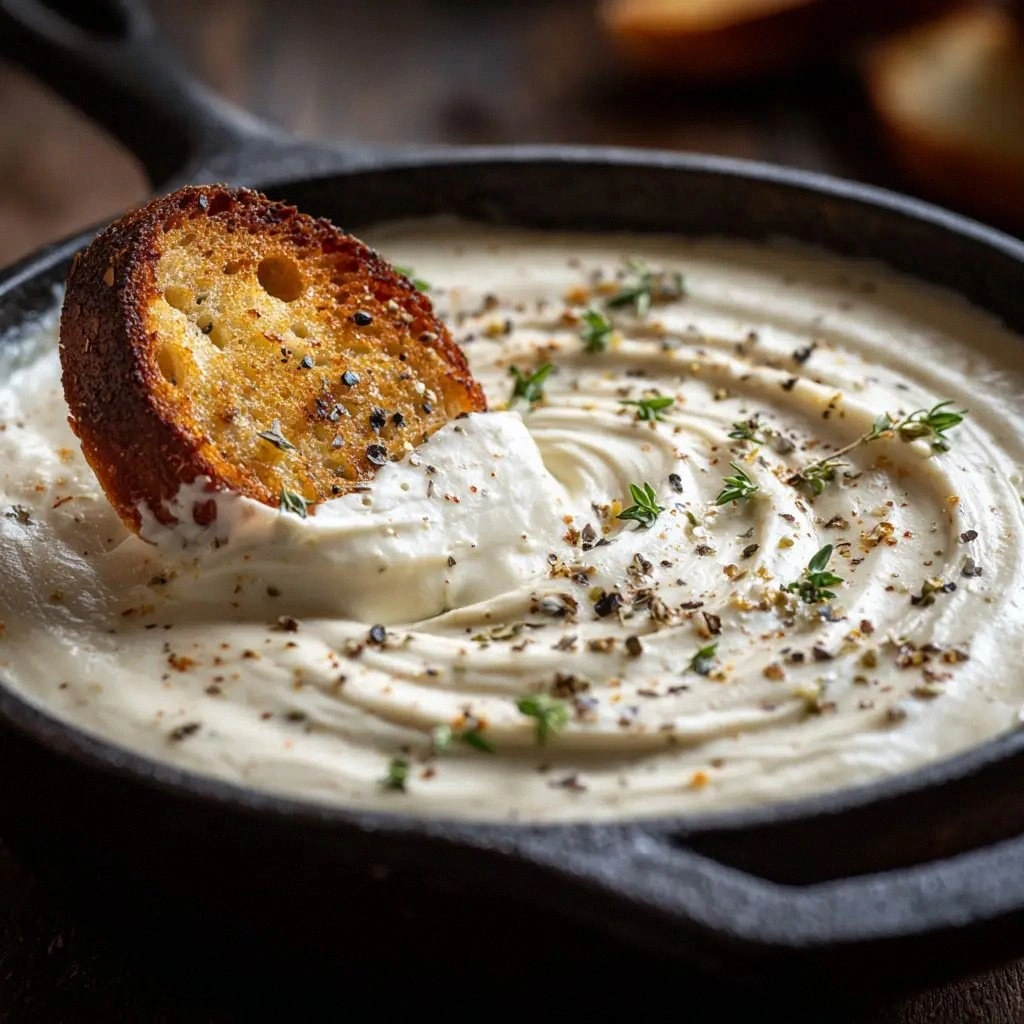
If you’ve ever struggled with a thick, clumpy sauce that feels like a rubbery mess, you’re not alone— and I’ve got the fix. Picture yourself pulling this out of the oven, the whole kitchen smelling incredible, the sauce swirling like a glossy lake. I’ll be honest—I ate half the batch before anyone else got to try it. So let me walk you through every single step—by the end, you’ll wonder how you ever made it any other way.
What Makes This Version Stand Out
- Richness: The combination of butter and heavy cream creates a luxurious base that feels indulgent yet balanced. It’s the kind of richness that makes you forget you’re eating a sauce.
- Silky Texture: By whisking the cream into the butter before adding the cheese, the sauce remains smooth and glossy, avoiding that dreaded grainy finish.
- Umami Boost: Freshly grated Parmesan delivers a deep umami punch that elevates the sauce beyond ordinary dairy.
- Nutmeg Touch: A pinch of nutmeg adds warmth and depth, a subtle hint that transforms the flavor profile into something more complex.
- Time Efficiency: The entire process takes less than 45 minutes, making it a perfect weeknight dinner that feels gourmet.
- Versatility: While it’s a classic Alfredo, the sauce works beautifully with chicken, shrimp, or roasted vegetables, turning any dish into a showstopper.
- Make‑Ahead Friendly: The sauce can be prepared ahead and reheated without losing its silky quality, making it a great option for entertaining.
- Crowd Reaction: Friends and family often remark that this sauce tastes like they’ve dined at a Michelin‑starred restaurant, and I’ve seen the “wow” moments on every plate.
Alright, let's break down exactly what goes into this masterpiece…
Inside the Ingredient List
The Flavor Base
Butter is the cornerstone of this sauce. It melts into a golden pool that carries the garlic’s aroma and provides a silky mouthfeel. If you skip butter, the sauce will feel flat and lack that buttery depth. For the best flavor, choose unsalted butter to control the salt level precisely. A small, high‑quality stick of butter can make a noticeable difference, especially when you’re aiming for a restaurant‑grade finish.
The Texture Crew
Heavy whipping cream is the texture hero. Its high fat content gives the sauce body and allows it to coat pasta like a velvety blanket. If you’re looking for a lighter version, you can replace half the cream with whole milk, but be prepared for a slightly thinner consistency. The key is to whisk the cream into the butter until it’s almost a silky emulsion before adding the cheese.
The Unexpected Star
Nutmeg may seem like an odd choice for a creamy sauce, but this warm spice brings a subtle depth that elevates the dish. It adds a hint of earthiness that balances the richness of the cheese and cream. A pinch is all you need; too much will overpower the sauce. If you’re a nutmeg skeptic, a dash of ground cinnamon can serve as a mild alternative.
The Final Flourish
Freshly grated Parmesan is the final flourish that adds umami and a slightly sharp bite. Freshly grated cheese melts more smoothly than pre‑grated, preventing clumps. When you add the cheese, do so slowly and whisk continuously to ensure a uniform, glossy finish. A pinch of black pepper and a touch of salt bring the flavors together, rounding out the sauce with a clean finish.
Everything's prepped? Good. Let's get into the real action…
The Method — Step by Step
- Melt the butter in a medium saucepan over medium heat until it foams and turns a light golden brown. This toasty aroma signals that the butter has developed a nutty flavor, adding depth to the sauce. Keep a close eye; once the butter starts to brown, it can go from golden to burnt in seconds. This is the moment of truth for your sauce’s base.
- Add the minced garlic to the browned butter and sauté for 30–45 seconds until fragrant. The garlic should release its oils but not brown, as burnt garlic will taste bitter. Stir constantly to keep the garlic from sticking to the pan. The sound of the garlic sizzling is a cue that you’re on the right track.
- Pour in the heavy cream, stirring to combine with the butter and garlic. Bring the mixture to a gentle simmer; you’ll see small bubbles forming along the edges. The cream should thicken slightly but still pour smoothly. This step is crucial for creating a velvety base that will hold the cheese.
- Reduce the heat to low and whisk in the grated Parmesan cheese in small increments, about a tablespoon at a time. Stir constantly until each addition melts completely before adding more. If you add all the cheese at once, the sauce may curdle. The goal is a smooth, glossy finish that coats the back of a spoon.
- Season the sauce with salt, pepper, and nutmeg, whisking to blend the spices evenly. The nutmeg adds a warm, aromatic undertone that balances the richness. Taste the sauce and adjust the seasoning; remember that the pasta will absorb some flavor.
- Remove the saucepan from the heat and let the sauce rest for 1–2 minutes. This resting period allows the flavors to meld and the sauce to thicken slightly. During this time, you can cook your pasta or prep your protein.
- If you’re adding protein, sauté chicken, shrimp, or mushrooms separately until cooked through. The sauce’s richness pairs beautifully with these proteins, creating a cohesive dish. Once cooked, toss the protein into the sauce to coat it evenly.
- Finally, pour the sauce over freshly cooked pasta, tossing gently to coat each strand. The sauce should cling to the pasta like a silk ribbon. Serve immediately, garnishing with extra Parmesan or fresh herbs if desired.
- Enjoy your homemade Alfredo sauce, and remember that practice makes perfect. Each time you make it, you’ll discover subtle nuances that refine your technique. The result is a sauce that feels like a culinary hug.
That’s it— you did it. But hold on, I've got a few more tricks that'll take this to another level…
Insider Tricks for Flawless Results
The Temperature Rule Nobody Follows
Maintaining a low simmer after adding the cheese is essential. A higher heat causes the proteins in the cheese to seize, leading to a gritty texture. I learned this the hard way when a batch turned into a rubbery mess. Keep the heat low and whisk vigorously; the sauce will stay silky.
Why Your Nose Knows Best
Smell the sauce as it cooks. A toasty, buttery scent signals proper browning. If you notice a metallic or burnt odor, it’s time to lower the heat or remove the pan from the stove. Your nose is a reliable quality control tool—trust it.
The 5‑Minute Rest That Changes Everything
After removing the sauce from heat, let it rest for a few minutes. This pause allows the flavors to marry and the sauce to thicken. Skipping this step can leave the sauce too thin, making it difficult to coat pasta evenly.
Keep the Garlic Fresh
Mince garlic just before cooking; old garlic can develop a bitter edge. If you’re using pre‑minced garlic, add it to the pan at the very beginning to give it time to mellow. Fresh garlic gives a bright, clean flavor that balances the richness.
Use a Stainless Steel Pan
A heavy‑bottomed stainless steel pan distributes heat evenly, preventing hot spots that can scorch the butter. Cast iron is also an excellent option for its heat retention. Avoid non‑stick pans, as they can affect the butter’s browning process.
The Right Cheese Matters
Freshly grated Parmesan melts smoothly; pre‑grated cheese often contains anti‑caking agents that hinder melting. If you’re in a hurry, use a high‑quality pre‑grated cheese, but be prepared for a slightly grainy texture.
Creative Twists and Variations
Garlic‑Infused Alfredo
Roast the garlic cloves in the oven until caramelized before adding them to the sauce. The sweet, mellow flavor adds a new dimension that pairs well with roasted vegetables or chicken. This version is ideal for a cozy, aromatic dinner.
Spinach & Mushroom Alfredo
Sauté fresh spinach and sliced mushrooms in a separate pan until wilted. Toss them into the sauce just before serving. The earthy mushrooms complement the creamy base, while the spinach adds a pop of color and nutrition.
Pesto‑Alfredo Fusion
Stir in a spoonful of basil pesto to the sauce after the cheese has melted. The herbaceous brightness cuts through the richness, creating a vibrant, herb‑infused sauce that’s perfect for summer pasta.
Lemon‑Zest Alfredo
Add a teaspoon of lemon zest and a splash of lemon juice to the sauce for a bright, citrusy lift. The acidity balances the heavy cream, making the dish lighter and more refreshing.
Creamy Broccoli Alfredo
Blanch broccoli florets until just tender, then fold them into the sauce. The broccoli’s subtle sweetness and crunch add texture, turning the dish into a wholesome family favorite.
Seafood Alfredo
Sauté shrimp or scallops in a little olive oil until pink, then add them to the sauce. The delicate seafood flavor pairs beautifully with the creamy base, creating a gourmet yet approachable meal.
Storing and Bringing It Back to Life
Fridge Storage
Cool the sauce to room temperature, then transfer it to an airtight container. Store in the refrigerator for up to 3 days. When reheating, whisk in a splash of heavy cream or milk to restore its silky texture.
Freezer Friendly
Divide the sauce into freezer‑safe portions and seal tightly. Freeze for up to 2 months. Thaw overnight in the refrigerator, then gently reheat on the stove with a splash of cream to bring back its smoothness.
Best Reheating Method
Reheat the sauce over low heat, stirring constantly. Add a tiny splash of water or milk to prevent it from thickening too much. Once it reaches a gentle simmer, it will be ready to pour over freshly cooked pasta.