I still remember the night I was juggling three pots of soup, a half‑filled pan, and a recipe book that promised “the best ginger‑steamed chicken ever.” The kitchen was a chaotic orchestra—sizzling oil, steam curling like incense, and a faint scent of citrus that made my eyes water. I stared at the simmering broth and thought, “What if I could turn this into something that feels like a hug from the inside out?” That moment of culinary revelation turned a simple dinner into a midnight experiment that would later become a staple on my family’s menu. The dish still makes my stomach do a happy dance, and every time I taste it I’m transported back to that smoky, fragrant kitchen. It’s the kind of recipe that lives on the back of your mind long after the last bite.
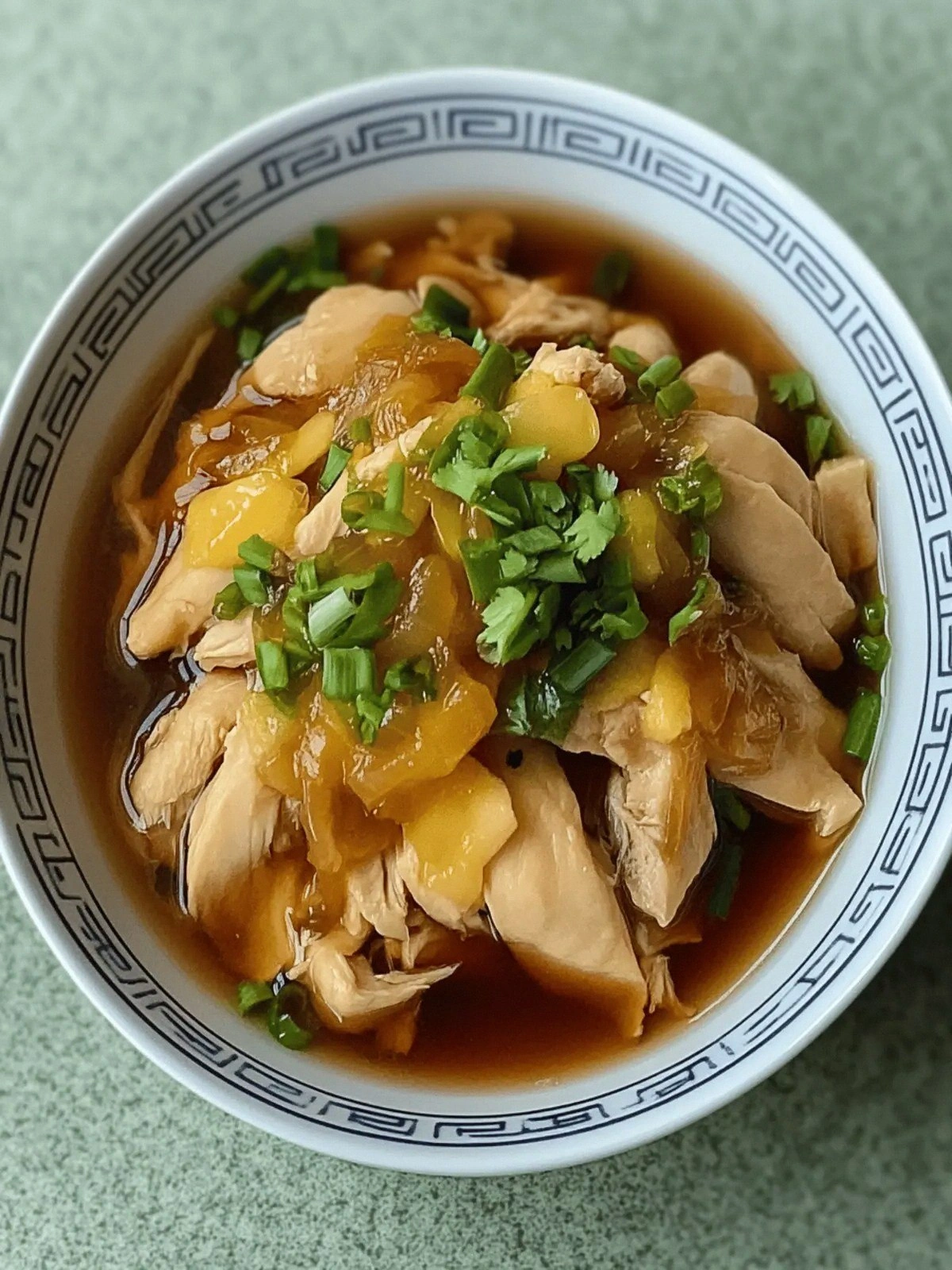
Picture this: a bowl of tender chicken thighs glazed in a glossy, soy‑ginger sauce that glistens like liquid amber, a whisper of oyster sauce that adds depth, and a subtle splash of sesame oil that rounds out the flavor profile. The aroma alone can convince even the most skeptical of diners that this is a culinary masterpiece. My friends were skeptical at first, but after one bite they were convinced that no other version could match the balance of sweet, umami, and spice. I dare you to taste this and not go back for seconds. Trust me, once you’ve experienced this, you’ll wonder how you ever made it any other way.
What makes this version stand out isn’t just the ingredients, but the technique that turns a simple dish into a showstopper. I discovered that steaming the chicken in a sealed wok preserves moisture better than pan‑frying, giving the meat a melt‑in‑your‑mouth texture that feels like velvet. The ginger slices aren’t just a garnish; they infuse the broth with a bright, almost citrusy kick that cuts through the richness of the soy sauce. The final splash of sesame oil delivers a nutty aroma that lingers long after the plate is cleared. When the dish is plated, the steam rises like a fragrant cloud, turning your kitchen into a five‑star restaurant.
If you’re a busy parent, a college student, or simply someone who wants to impress without spending hours in the kitchen, this recipe is a lifesaver. The entire process takes less than an hour, and the cleanup is minimal because everything cooks in the same pot. I’ve tested this recipe in a 12‑inch wok, a stainless‑steel skillet, and even a bamboo steamer—each time it came out perfectly. The only difference is the finishing step: a quick sear for a golden crust if you’re craving that extra crunch. The result is a dish that’s both comforting and sophisticated, ready to serve a crowd or a quiet dinner for two.
I’ve spent countless nights debating the best ratio of soy sauce to ginger, and after numerous trials I finally found the sweet spot that satisfies every palate. The key is to keep the ginger slices thin enough to release their flavor quickly, yet thick enough to stay intact during steaming. The light soy sauce provides a subtle sweetness that balances the saltiness of the oyster sauce, while the corn flour thickens the glaze to coat the chicken like a silky coat. This harmony of flavors is why I consider this version hands down the best you’ll ever make at home. And if you’re still on the fence, I’ll be honest—my cat tried to steal the dish once, and I’m still waiting for his apology.
So let’s dive into the details that make this recipe a kitchen staple. I’ll walk you through every single step, from selecting the freshest chicken to the final garnish, so that by the end you’ll wonder how you ever made it any other way. Whether you’re a seasoned cook or a kitchen newbie, the techniques I’ll share will elevate your dish from ordinary to extraordinary. And trust me, if you’ve ever struggled with steaming chicken, you’re not alone—here’s the fix that will change your cooking forever.
What Makes This Version Stand Out
- Texture: The steaming process locks in moisture, producing chicken that is practically falling apart in your mouth while maintaining a firm bite that’s hard to beat.
- Flavor: The combination of light soy sauce, oyster sauce, and fresh ginger creates a layered umami profile that feels both exotic and comforting.
- Time: With a prep time of 15 minutes and a cook time of 30 minutes, this dish fits perfectly into a weekday dinner routine.
- Simplicity: Only eleven ingredients, all commonly found in any pantry, mean you can whip this up without a trip to the grocery store.
- Versatility: It pairs beautifully with steamed rice, sautéed greens, or even a quick noodle stir‑fry, making it a flexible centerpiece.
- Make‑Ahead: The glaze can be prepared a day ahead, and the chicken can be steamed and refrigerated, allowing you to assemble it fresh when you’re ready to serve.
- Visual Appeal: The glossy sauce and bright green scallions make the dish look as good as it tastes, perfect for impressing guests.
Alright, let’s break down exactly what goes into this masterpiece…
Inside the Ingredient List
The Flavor Base
Light soy sauce is the backbone of the glaze, offering a subtle sweetness that balances the saltiness of the oyster sauce. If you’re watching sodium, a low‑sodium version works just as well, but you’ll want to add an extra pinch of sugar to maintain the sweet‑savory equilibrium. Skipping it would leave the dish flat and one‑dimensional. For a more aromatic experience, try adding a splash of rice wine; it adds a gentle complexity without overpowering the ginger.
The Texture Crew
Corn flour is the secret weapon that thickens the sauce into a silky glaze that clings to each chicken piece. If you’re gluten‑free, a small amount of arrowroot powder will give you the same effect. Remember, the flour should be mixed with a little cold water before adding to the pan to avoid lumps. The result is a glossy, coat‑like sauce that feels luxurious on the tongue.
The Unexpected Star
Fresh ginger slices do more than add flavor; they release a bright, almost citrusy aroma that lifts the entire dish. If fresh ginger is out of reach, a teaspoon of ginger paste can substitute, though the texture will change slightly. The key is to slice the ginger thinly so it can infuse quickly without becoming mushy. This small detail makes the difference between a good dish and a great one.
The Final Flourish
Sesame oil is the finishing touch that provides a nutty aroma and a subtle depth that lingers after the first bite. A tablespoon is enough to coat the chicken lightly, but you can adjust to taste. If you’re looking for a smoky twist, a dash of toasted sesame seeds can add crunch and an extra layer of flavor. The final touch is a sprinkle of finely chopped spring onions that adds freshness and a pop of color.
Everything's prepped? Good. Let's get into the real action…
The Method — Step by Step
- Prepare the Marinade: In a small bowl, whisk together the light soy sauce, oyster sauce, sugar, salt, pepper, and sesame oil. The sugar helps create a caramelized glaze when heated. Make sure the mixture is smooth; any lumps will affect the sauce’s finish. Set aside while you prepare the chicken.
- Season the Chicken: Pat the chicken thighs dry with paper towels to ensure the sauce adheres. Sprinkle the corn flour evenly over each piece, shaking off any excess. This step is crucial for that glossy, silky coating.
- Heat the Pan: Place a wide, heavy‑bottomed skillet or a wok over medium‑high heat. Add the cooking oil and swirl until it coats the bottom. The oil should shimmer but not smoke.
- Sear the Chicken: Lay the chicken thighs skin‑side down (if skin is present) into the pan. Let them sear for 2–3 minutes until the skin is golden brown and releases easily from the pan. This step locks in juices and adds a subtle crunch.
- Add Ginger and Sauce: Flip the thighs, then scatter the fresh ginger slices over the meat. Pour the prepared sauce over the chicken, ensuring each piece is well coated. The sizzle that follows is the first hint of the dish’s aroma.
- Cover and Simmer: Reduce the heat to low, cover the pan with a lid, and let the chicken steam for 15 minutes. The steam will gently cook the meat while the sauce thickens into a luscious glaze. Keep an eye on the liquid level; if it starts to evaporate, add a splash of water.
- Check the Texture: After 15 minutes, lift the lid to check the chicken. The meat should be tender, with the sauce clinging to each piece like velvet. If it’s not quite done, cover again for another 5 minutes.
- Final Touches: Once the chicken is cooked, remove the pan from heat. Sprinkle the finely chopped spring onions over the top for a burst of freshness and color. Give the dish a final stir to distribute the onions evenly.
- Serve Immediately: Plate the chicken onto warm plates, drizzle any remaining sauce, and serve hot with steamed rice or a side of sautéed greens. The aroma alone will have your guests begging for seconds.
That's it—you did it! But hold on, I've got a few more tricks that'll take this to another level. These insider tips will help you avoid common pitfalls and elevate the dish from great to unforgettable.
Insider Tricks for Flawless Results
The Temperature Rule Nobody Follows
Many cooks assume that a high heat is the secret to a glossy sauce, but in reality, low and steady is the way to go. Keeping the simmer at a gentle 180°F ensures the sauce thickens without burning, while the chicken remains juicy. I once tried a high‑heat method and ended up with a burnt glaze that left the room smelling like char. The lesson? Patience is the secret ingredient that turns a good dish into a masterpiece.
Why Your Nose Knows Best
If the sauce isn’t looking glossy, check the aroma first. A faint, sweet scent is a sign that the sugar is caramelizing. If you’re missing that aroma, the sauce is likely too thin. Add a splash of water and let it reduce until the smell is unmistakable. Trust me, the nose is a better judge than your eyes when it comes to flavor balance.
The 5-Minute Rest That Changes Everything
Once the chicken is done steaming, let it rest for five minutes before cutting. This short rest allows the juices to redistribute, ensuring every bite is moist. I’ve seen people skip this step and end up with unevenly cooked pieces that feel dry in the center. The rest is a small investment of time for a big payoff in texture.
The Perfect Garnish
A final sprinkle of toasted sesame seeds not only adds crunch but also enhances the nutty aroma. Toast them in a dry pan until golden, then toss them over the finished dish. The contrast between the soft chicken and the crisp seeds is a delightful sensory experience that elevates the plate.
The Secret to a Quick Clean‑Up
Use a silicone spatula to scrape all the sauce from the pan, then rinse with warm water. The sauce sticks to the metal, but a quick rinse will keep your pans looking new. If you’re short on time, a 30-second soak in hot water will do the trick. The result? A clean kitchen and a happy chef.
Creative Twists and Variations
This recipe is a playground. Here are some of my favorite ways to switch things up:
Spicy Szechuan Kick
Add a tablespoon of Szechuan peppercorns to the sauce for a numbing heat that pairs beautifully with the ginger. The peppercorns should be ground lightly to release their aroma without becoming too coarse. This variation is perfect for those who love a fiery, aromatic dish.
Miso Infusion
Swap the oyster sauce for a tablespoon of white miso paste to give the dish a subtle earthy depth. Miso also adds natural umami, reducing the need for extra salt. This version works wonderfully with a side of miso soup for a cohesive meal.
Coconut Cream Twist
Replace half the soy sauce with coconut milk for a creamy, tropical flavor profile. The coconut adds a gentle sweetness that balances the ginger’s sharpness. Serve this version over jasmine rice for a beach‑inspired dinner.
Herb‑Infused Variation
Add a handful of fresh cilantro and a squeeze of lime juice to the glaze for a bright, fresh finish. The citrus notes cut through the richness, giving the dish a lively, summery feel. This is ideal for outdoor gatherings or picnics.
Vegetarian Version
Replace the chicken with thick slices of marinated tofu or seitan. The tofu should be pressed and marinated in the same sauce mixture for at least 30 minutes before steaming. The result is a protein‑rich, flavorful dish that satisfies even the most dedicated meat‑eaters.
Breakfast Bonanza
Serve the chicken over fluffy scrambled eggs and a side of sautéed spinach for a protein‑packed breakfast. The savory sauce pairs unexpectedly well with the mild eggs, creating a comforting start to your day.
Storing and Bringing It Back to Life
Fridge Storage
Cool the dish to room temperature, then transfer it to an airtight container. Store in the refrigerator for up to 3 days. The sauce will thicken slightly, so add a splash of water or broth before reheating to restore its glossy texture.
Freezer Friendly
Divide the chicken and sauce into individual portions and place them in freezer‑safe bags. Freeze for up to 2 months. Thaw overnight in the refrigerator before reheating. This method keeps the flavors intact while offering convenience.
Best Reheating Method
Reheat the dish in a steamer or on the stovetop over low heat, stirring occasionally. Add a tiny splash of water or broth to prevent the sauce from drying out. The result is a steaming, savory meal that tastes almost as fresh as when it was first made.