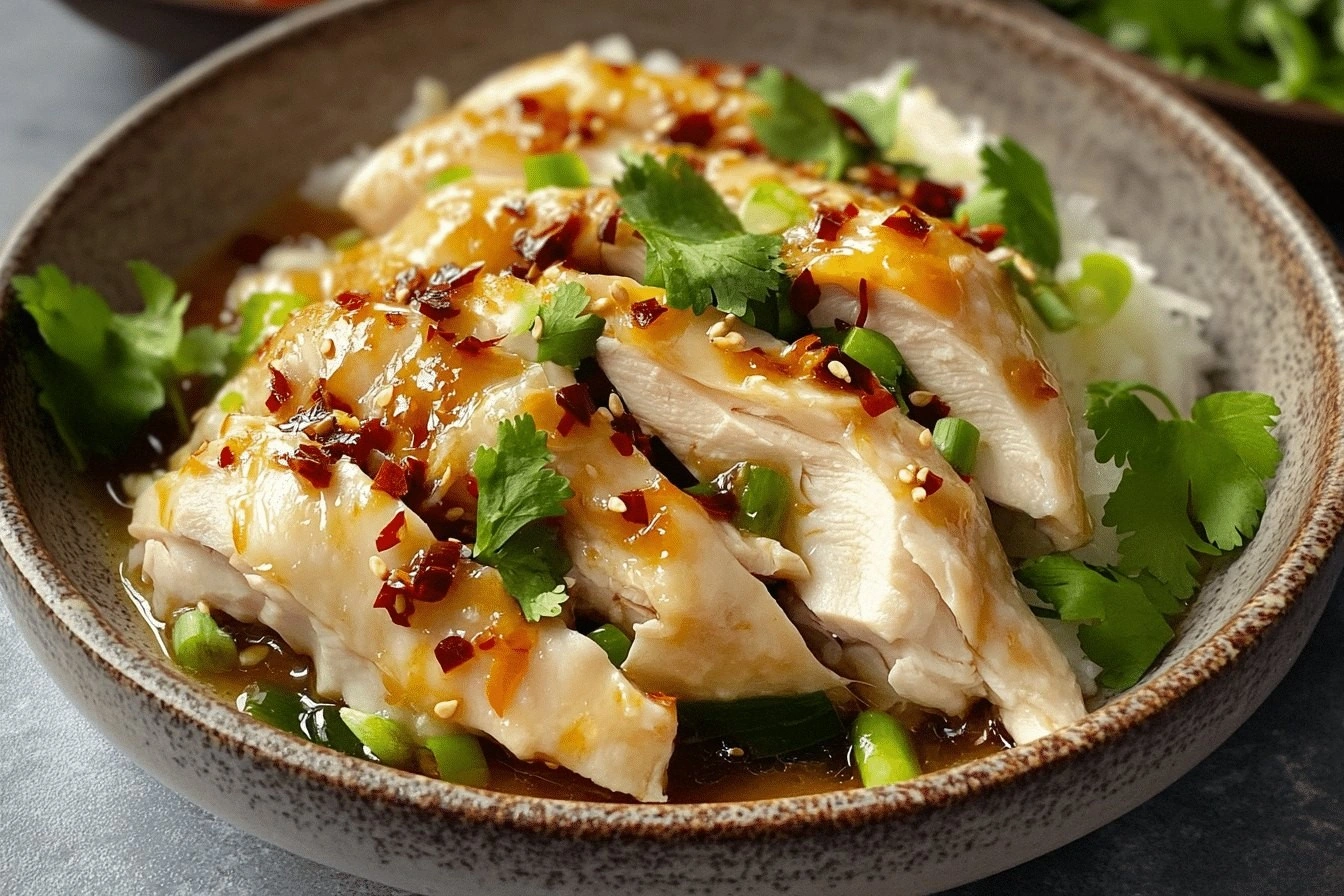
It was a Friday night, the kind that promised the comfort of a homemade meal but ended up in a kitchen disaster when I tried to make a fancy shrimp dish that I’d seen on a food blog. I had a pot of water boiling, shrimp on the counter, and a pan that looked like it had seen better days. The shrimp had been frozen all week, and I was determined to make something that would make my taste buds do the salsa. I stared at the shrimp, feeling the sting of disappointment, and whispered, “I dare you to taste this and not go back for seconds.”
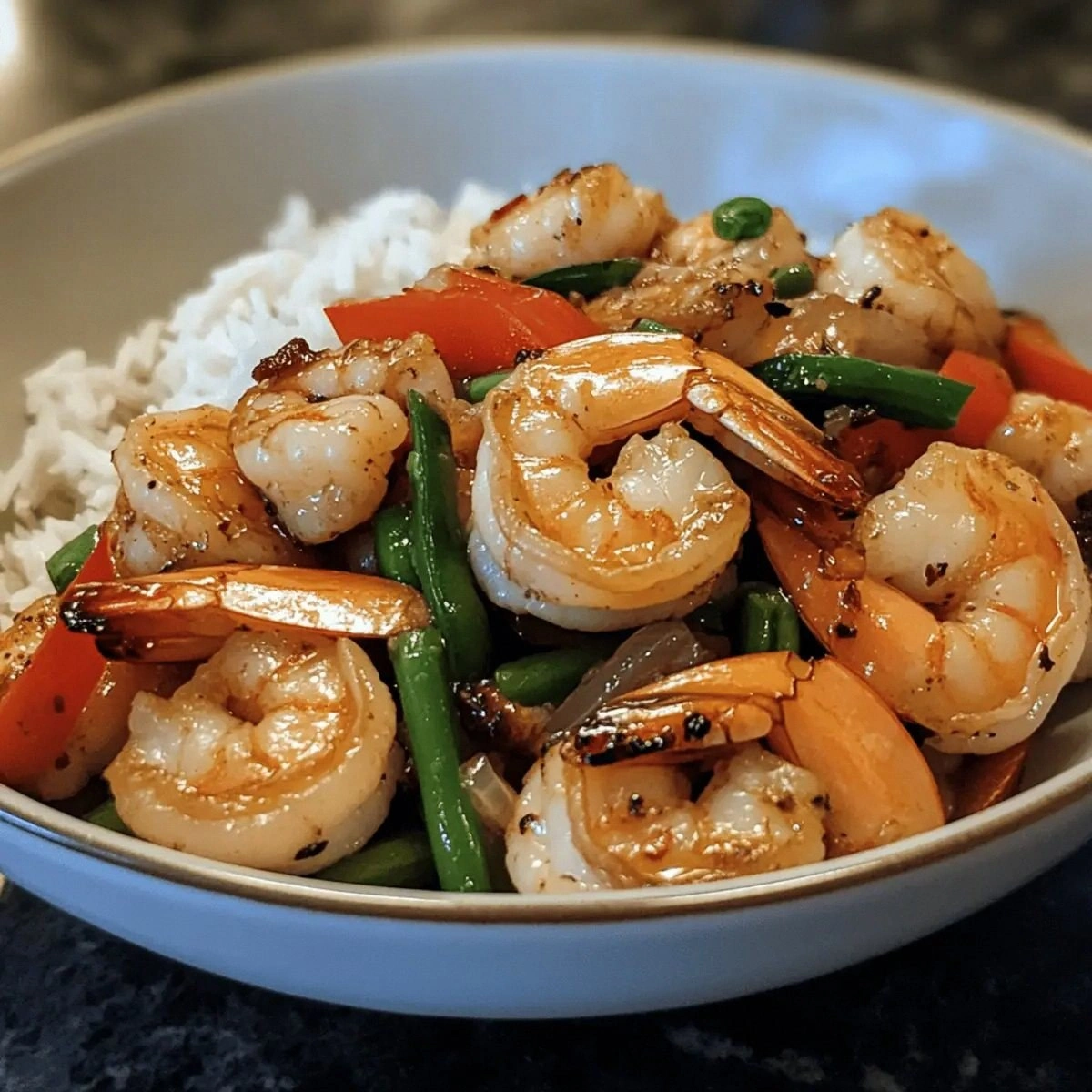
The moment I cracked the first shrimp open, a burst of briny aroma flooded the room, mingling with the faint scent of garlic and ginger that had been sautéed in the pan. The sizzling sound was like a drumroll, a promise of flavor to come. The bright red shrimp, glistening with a thin sheen of oil, looked like jewels set against the green snap peas and the fiery orange carrots. I could almost taste the sweet snap of the vegetables, the subtle heat of ginger, and the umami kiss of soy sauce, all wrapped in a honey glaze that would coat the shrimp like velvet. That was the moment I knew I was onto something special.
What makes this version stand out is not just the quick prep time, but the way each element is elevated to create a dish that feels like a restaurant experience without the price tag. The shrimp are perfectly cooked—firm yet tender—thanks to a quick sear that locks in juices. The vegetables stay crisp, offering a delightful crunch that contrasts with the silky sauce. The sauce itself is a harmonious blend of sweet, salty, and slightly tangy, with a glossy finish that makes every bite shine. I’ll be honest—by the end of this recipe I had already devoured half the batch before anyone else could even get a fork. If you’ve ever struggled to make shrimp stir‑fry that doesn’t turn out soggy or over‑seasoned, you’re not alone, and I’ve got the fix.
Most recipes get this completely wrong. They either overcook the shrimp, under‑season the sauce, or fail to balance the textures. Here’s what actually works: a quick sear, a balanced sauce, and a careful layering of ingredients. Picture yourself pulling this out of the pan, the whole kitchen smelling incredible, and a plate of shrimp that’s bright, crisp, and irresistibly glossy. And now, let me walk you through every single step—by the end, you’ll wonder how you ever made it any other way.
What Makes This Version Stand Out
- Flavor: The sauce is a sweet‑salty‑sour symphony that coats the shrimp like velvet, giving every bite a burst of umami that lingers on the palate.
- Texture: The snap peas and carrots stay firm, providing a satisfying crunch that balances the tender shrimp.
- Speed: From prep to plate, it takes only twenty minutes, making it ideal for weeknight dinners.
- Ingredient Quality: Using fresh shrimp and seasonal vegetables elevates the dish, ensuring each component shines.
- Visual Appeal: The vibrant colors of bell pepper, snap peas, and carrots create a plate that looks as good as it tastes.
- Versatility: The base can be adapted for different proteins or a vegetarian version without losing its essence.
- Crowd Reaction: Friends and family consistently ask for a second helping; it’s a guaranteed crowd‑pleaser.
- Make‑Ahead Potential: The sauce can be pre‑made and stored, saving time on busy nights.
Alright, let's break down exactly what goes into this masterpiece...
Inside the Ingredient List
The Flavor Base
Soy sauce, honey, and rice vinegar form the backbone of the sauce, creating a balanced sweet‑salty‑tangy profile that coats the shrimp like a glossy coat of silk. The soy sauce provides depth and umami, while the honey adds a caramelized sweetness that caramelizes under heat, turning the sauce into a glossy glaze. Rice vinegar cuts through the richness, preventing the dish from feeling heavy. If you’re watching sodium, you can use low‑sodium soy sauce, but be sure to taste and adjust the honey accordingly.
The ginger, freshly grated, adds a peppery bite that lifts the entire dish, making each bite feel bright and fresh. It also helps to tenderize the shrimp, giving them a slightly softer texture without overcooking. If you prefer a milder ginger flavor, reduce the amount to ½ tablespoon. Remember, ginger is powerful—use it sparingly to avoid overpowering the delicate shrimp.
The cornstarch slurry is the secret to that glossy, clingy sauce that clings to every piece of shrimp and vegetable. It thickens the sauce without making it clumpy, giving the dish that restaurant‑style finish. If you’re avoiding gluten, use arrowroot powder or a gluten‑free cornstarch blend instead. The cornstarch also helps the sauce to coat the shrimp evenly, preventing any dry patches.
The Texture Crew
Bell peppers, sliced into thin strips, bring a sweet, crisp bite that balances the savory shrimp. Their bright colors—red, yellow, or orange—add visual appeal and a vitamin C boost. When you add them early in the stir‑fry, they soften just enough to release their natural sugars without becoming mushy. If you’re using frozen bell pepper, thaw them first to avoid excess water in the pan.
Snap peas are the unsung heroes of this dish, offering a satisfying crunch that contrasts with the tender shrimp. They also provide a subtle sweet flavor that complements the sauce. To keep them crisp, add them in the last minute of cooking, just enough to warm through but not soften. If you’re using frozen snap peas, thaw them and pat them dry before adding to the pan.
Carrots, thinly sliced into matchsticks, add a subtle sweetness and a pop of orange that makes the dish feel fresh and bright. The thin slices cook quickly, ensuring they stay tender but not mushy. If you’re a fan of a bit of color variety, mix in some baby spinach or kale for a green pop that also adds nutrients.
The Unexpected Star
Garlic, minced, is the aromatic base that lifts the dish with its pungent, slightly sweet flavor. It also acts as a natural tenderizer for the shrimp. Use fresh garlic cloves rather than pre‑minced packs, as the latter can be bitter. If you’re sensitive to garlic, reduce the amount to two cloves or use a garlic‑infused oil for a milder flavor.
Sesame oil, added at the end, brings a nutty aroma that elevates the sauce, giving it a sophisticated finish. It also adds a subtle richness that balances the sweetness of honey. If you’re looking for a healthier option, you can reduce the amount of sesame oil and increase the sesame seeds for a crunchier texture.
The Final Flourish
Green onions, chopped, provide a fresh, sharp contrast that brightens the dish and adds a pop of color. They also add a mild onion flavor that pairs well with the soy sauce and ginger. Add them after the shrimp are cooked to keep their bright green color and crispness.
Sesame seeds add a nutty crunch that complements the sesame oil, creating a multi‑layered texture experience. Toast them lightly in a dry pan before sprinkling over the finished dish to bring out their flavor. If you’re allergic to sesame, you can omit them, but the dish will still shine.
Everything’s prepped? Good. Let’s get into the real action...
The Method — Step by Step
- Heat a large wok or skillet over medium‑high heat until it’s smoking hot. Add the sesame oil, swirling it to coat the bottom. The oil should shimmer but not smoke excessively. This high heat is crucial for the shrimp to sear quickly and develop a caramelized crust.
- Add the shrimp to the pan in a single layer. Don’t crowd the pan; if necessary, cook in two batches. Sear the shrimp for 1–2 minutes on each side until they turn pink and opaque. This quick sear locks in juices and gives the shrimp a slightly crispy edge. I dare you to taste this and not go back for seconds.
- Remove the shrimp from the pan and set aside on a plate. This prevents them from overcooking while you sauté the vegetables. The shrimp will finish cooking in the sauce later, so keep them warm.
- In the same pan, add the minced garlic and grated ginger. Sauté for 30 seconds until fragrant, being careful not to burn them. The aroma should be sweet and spicy, signaling that the aromatics are ready.
- Add the sliced bell pepper, snap peas, and carrot matchsticks. Stir‑fry for 2–3 minutes until the vegetables are just tender but still crisp. The vegetables should still have a bite; you’re looking for that “snap” sound when you bite them.
- While the vegetables cook, whisk together the soy sauce, honey, rice vinegar, and cornstarch in a small bowl until the cornstarch is fully dissolved. This slurry will thicken the sauce without lumps.
- Pour the sauce over the vegetables, stirring to coat everything evenly. Bring the mixture to a gentle simmer. The sauce should start to thicken and become glossy, clinging to each piece of vegetable.
- Return the shrimp to the pan, tossing them gently into the sauce. Cook for an additional 1–2 minutes until the shrimp are heated through and the sauce has thickened to a glaze that coats the shrimp. The shrimp should be perfectly tender, not rubbery.
- Add the chopped green onions and toasted sesame seeds, stirring quickly to distribute them evenly. Serve immediately over steamed rice or noodles, letting the sauce drizzle over the grains.
- Plate the dish with a flourish, perhaps sprinkling a few extra sesame seeds on top for an extra pop of crunch. Take a moment to appreciate the vibrant colors and the glossy sheen of the sauce. That sizzle when it hits the pan? Absolute perfection.
That's it—you did it. But hold on, I've got a few more tricks that'll take this to another level...
Insider Tricks for Flawless Results
The Temperature Rule Nobody Follows
The key to a perfect stir‑fry is maintaining high heat throughout the process. A hot pan ensures the shrimp sears quickly, while the vegetables stay crisp. If your stove doesn’t get hot enough, consider using a cast‑iron skillet or a wok that retains heat well. Always preheat the pan before adding oil; a quick test is to sprinkle a drop of water—if it dances, you’re ready.
Why Your Nose Knows Best
Smell is your best ally. The moment the garlic and ginger hit the hot oil, the aroma should become sweet and slightly spicy. If it starts to burn, it’s a sign the heat is too high. Trust your nose to tell you when the sauce is thickening and ready to coat the shrimp.
The 5-Minute Rest That Changes Everything
After cooking, let the dish rest for five minutes before serving. This allows the flavors to meld and the sauce to thicken slightly, giving the dish a silky finish. It also gives the shrimp a chance to finish cooking gently, preventing over‑cooking.
The Quick Toss Technique
When adding the shrimp back to the pan, toss them gently rather than stirring vigorously. This preserves the caramelized edges and prevents the shrimp from breaking apart. A quick flip and a gentle toss is all you need.
The Secret of the Crunch
To keep the snap peas and carrots crisp, add them to the pan just before the shrimp. The short cooking time preserves their crunch, while the heat from the shrimp and sauce warms them through. If you add them too early, they’ll become mushy.
Creative Twists and Variations
This recipe is a playground. Here are some of my favorite ways to switch things up:
Coconut‑Creamy Shrimp
Swap the sesame oil for coconut oil and add a splash of coconut milk to the sauce. The result is a creamy, tropical version that pairs beautifully with jasmine rice.
Spicy Sriracha Kick
Add a tablespoon of Sriracha or your favorite hot sauce to the sauce mixture. The heat balances the sweetness and adds a smoky undertone.
Mushroom Medley
Replace the snap peas with sliced shiitake or button mushrooms. The earthy flavor complements the shrimp and adds a meaty texture.
Thai‑Inspired Lime
Finish the dish with a squeeze of fresh lime juice and a sprinkle of fresh cilantro. The citrus brightens the dish and adds a fresh herbal note.
Vegetarian Version
Swap the shrimp for firm tofu, marinated in soy sauce and ginger beforehand. The tofu will absorb the sauce, giving it a savory depth similar to shrimp.
Low‑Carb Option
Serve the stir‑fry over cauliflower rice instead of regular rice. The cauliflower provides a neutral base that lets the sauce shine.
Storing and Bringing It Back to Life
Fridge Storage
Store the stir‑fry in an airtight container in the refrigerator for up to 2 days. The sauce may thicken slightly, but it will reheat well. For best flavor, let it sit at room temperature for 10 minutes before reheating.
Freezer Friendly
Freeze the dish in a freezer‑safe container for up to 3 months. When ready to eat, thaw overnight in the refrigerator. Reheat on the stovetop with a splash of water or broth to loosen the sauce.
Best Reheating Method
Reheat the stir‑fry in a pan over medium heat, adding a teaspoon of water or broth to keep the sauce from drying out. Stir frequently until hot throughout. A quick splash of water before reheating steams the dish back to perfection.