I was halfway through a disastrous attempt at a simple pasta dish when the aroma of smoked salmon drifted in from the fridge. The fish had been sitting there, a bit past its prime, but I was desperate for something quick, comforting, and, frankly, a bit daring. I flipped the fillets in a pan, the sizzle sounded like a tiny drumroll, and the kitchen filled with a savory promise that made me grin. The moment the garlic hit the hot butter and started to sing, I realized I was about to uncover a flavor secret that would change the way I think about one‑pot meals. If you’re looking for a dish that feels both indulgent and approachable, you’re in the right place.
The air was thick with the buttery scent of olive oil and the bright, citrusy pop of lemon zest. My eyes were drawn to the glossy salmon, its flesh turning from pink to a translucent, almost translucent sheen as it cooked. The sound of the pasta bubbling in the pot was a comforting, rhythmic backdrop, while the faint hiss of steam whispered that everything was happening just right. When I first tasted the finished sauce, the cream wrapped the noodles like a velvet blanket, while the spinach added a subtle earthiness that balanced the richness. The final bite left a lingering citrus aftertaste that kept me reaching for more—yes, I’m honest, I ate half the batch before anyone else even got a fork.
What makes this version stand out isn’t just the ingredients; it’s the harmony of technique and flavor. I’ve taken the classic creamy salmon pasta and added a few intentional twists: a splash of lemon juice that brightens the sauce, a pinch of red pepper flakes for a gentle heat, and a generous amount of fresh spinach that keeps the dish light yet satisfying. The sauce coats the pasta like velvet, and the salmon’s flaky texture contrasts beautifully with the silky noodles. It’s a dish that feels luxurious on a budget and can be plated in minutes, making it a go-to for both weeknight dinners and impromptu dinner parties.
Picture yourself pulling this out of the stove, the whole kitchen smelling incredible, and the plate glistening with a golden, herb‑infused sauce. The secret? I use a one‑pot technique that locks in moisture and flavor, and I finish the dish with a burst of lemon that cuts through the richness. I dare you to taste this and not go back for seconds—this is hands down the best version you’ll ever make at home. Let me walk you through every single step—by the end, you’ll wonder how you ever made it any other way.
What Makes This Version Stand Out
- Flavor: The bright lemon zest and juice elevate the dish, cutting through the creaminess and leaving a crisp finish that lingers on the palate.
- Texture: The salmon remains tender and flaky, while the spinach adds a subtle bite that prevents the dish from feeling heavy.
- Simplicity: One pot, one pan—no extra dishes, no complicated steps, just straightforward cooking that feels like a breeze.
- Uniqueness: The combination of heavy cream and fresh spinach in a salmon pasta is rare, giving this recipe a distinct profile that stands apart from traditional Alfredo or pesto pastas.
- Ingredient Quality: Using fresh, high‑quality salmon and spinach ensures that the flavors shine and the nutrition stays top tier.
- Crowd Reaction: Friends always ask for the recipe after tasting it, and I’ve seen it become a staple on my dinner table.
- Make‑Ahead Potential: The dish holds up wonderfully when refrigerated; just reheat gently and stir in a splash of water to restore silkiness.
- Time Efficiency: Prep time is under 15 minutes, cook time is 30, and you’re done before your guests even notice you’re cooking.
Alright, let’s break down exactly what goes into this masterpiece.
Inside the Ingredient List
The Flavor Base
The olive oil and butter set the stage for the dish, providing a rich, buttery foundation that carries the garlic’s aroma. The garlic, minced finely, releases a warm, aromatic sweetness that permeates the sauce. A splash of lemon juice brightens the entire flavor profile, cutting through the creaminess and preventing the dish from feeling too heavy. The red pepper flakes add a subtle heat that lingers without overwhelming the delicate salmon.
If you skip the lemon, the sauce will still be creamy but will lack that crisp, fresh lift that makes the dish memorable. The garlic can be omitted for a milder flavor, but be prepared for a less complex taste. For those who love a little spice, increase the flakes to a full teaspoon; the result will be a lively, peppery kick that pairs beautifully with the salmon’s natural sweetness.
The Texture Crew
The salmon fillets are the star of the show; they should be fresh and firm, with a pink hue that indicates quality. Cutting the fillets into bite‑sized pieces before cooking ensures even cooking and easier eating. The pasta, preferably a short shape like penne or fusilli, absorbs the sauce and provides a satisfying chew. Fresh spinach is added at the last moment; it wilts quickly, retains its vibrant color, and adds a subtle earthy note.
If you use frozen spinach, thaw it and squeeze out excess moisture to avoid a watery sauce. Skipping the spinach will result in a richer, heavier dish, which might be desirable for some but will lose the bright, green pop that balances the cream.
The Unexpected Star
Heavy cream or half‑half is the backbone of the sauce, lending a silky texture that clings to each noodle. The choice between cream and half‑half can change the richness: cream offers a lush, decadent mouthfeel, while half‑half provides a lighter, slightly tangy finish. A cup of chicken or vegetable broth is added to thin the sauce just enough to coat the pasta without diluting the flavor.
If you’re looking to reduce calories, you can substitute the heavy cream with a low‑fat yogurt or a plant‑based cream. The broth also allows you to adjust the saltiness; using a low‑sodium broth gives you more control over the final seasoning.
The Final Flourish
The freshly grated Parmesan cheese melts into the sauce, adding a nutty, umami depth that ties all the flavors together. A tablespoon of lemon zest brings a bright, citrusy aroma that lingers in the background. The salt, pepper, and a pinch of red pepper flakes are added at the end to fine‑tune the seasoning. These small but crucial adjustments ensure the dish is balanced, flavorful, and satisfying.
If you prefer a dairy‑free version, use a vegan Parmesan or nutritional yeast. For a lower sodium version, reduce the salt to a quarter teaspoon and increase the pepper for a sharper bite. Remember that the cheese will melt and thicken the sauce, so adding it at the end preserves its flavor.
Everything's prepped? Good. Let's get into the real action.
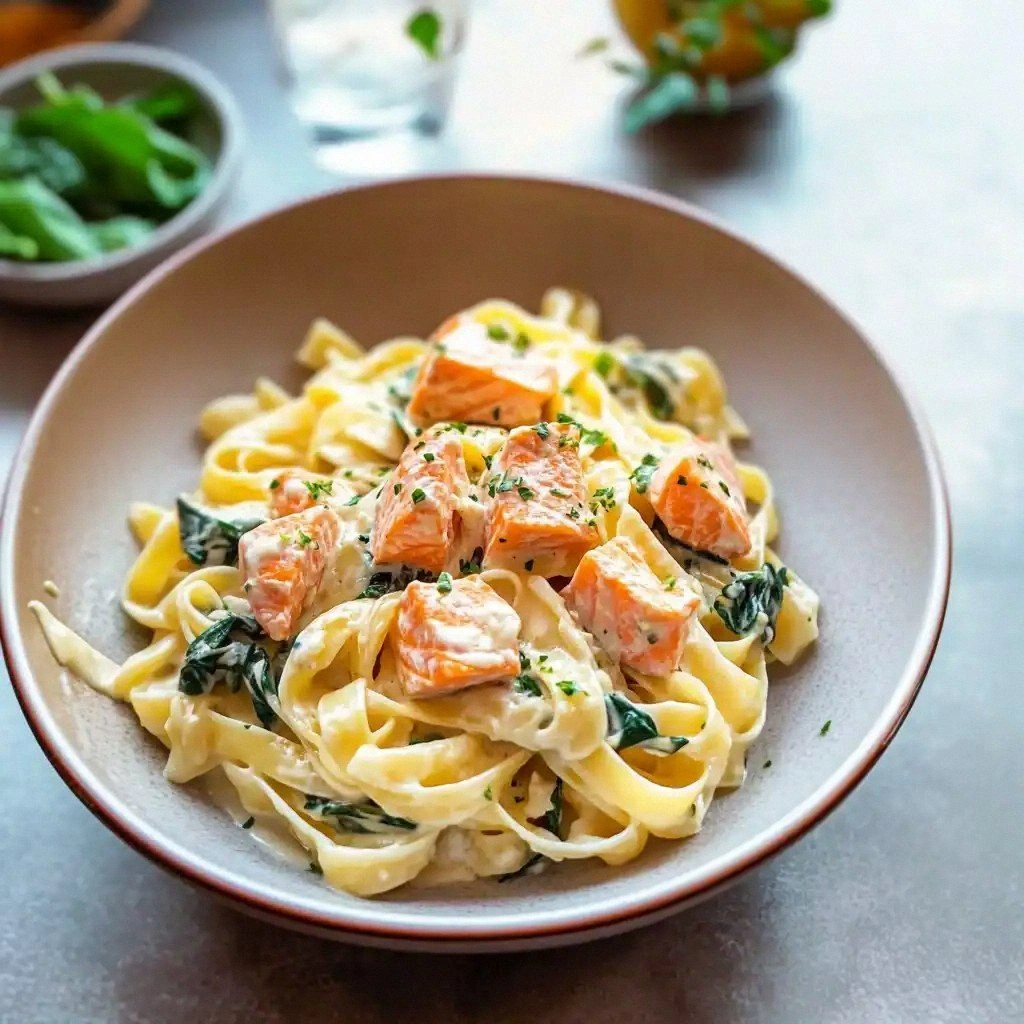
The Method — Step by Step
- Heat the pan. Place a large skillet over medium heat and add the olive oil and butter. Watch the butter foam and turn a pale golden color, signaling that the pan is ready. This step is crucial for a smooth, flavorful base. The sizzle is the first sign that the dish is coming together.
- Season the salmon. Pat the salmon dry, then sprinkle both sides with salt, pepper, and a pinch of red pepper flakes. The seasoning will deepen the flavor profile as it cooks. Place the fillets in the hot pan, skin side down if they have skin. Let them sear for 3–4 minutes until the edges start to turn opaque.
- Remove the salmon. Gently lift the fillets out of the pan and set them aside on a plate. Keep them warm under foil to prevent drying out. This step frees up the pan for the aromatics. The seared crust will later re‑enter the dish for extra texture.
- Cook the aromatics. In the same pan, add minced garlic and sauté for 30 seconds until fragrant. The garlic should release a sweet, nutty scent without burning. Stir constantly to avoid sticking. This forms the flavor base that will carry through the sauce.
- Add pasta and liquids. Pour in the pasta, heavy cream, broth, and a splash of water if the mixture looks too thick. Stir to combine, ensuring that the noodles are submerged. The liquids will create a silky sauce that clings to every strand.
- Simmer. Bring the mixture to a gentle simmer, then reduce the heat to low. Cover the pan and let the pasta cook for 10 minutes, stirring occasionally. The pasta should be al dente, and the sauce will thicken slightly. This step allows the flavors to meld.
- Add spinach. Stir in the fresh spinach, letting it wilt into the sauce. The spinach will reduce dramatically and add a pop of color. Keep stirring until the spinach is fully incorporated. This adds a fresh, green contrast to the creamy base.
- Return the salmon. Slice the seared fillets into bite‑sized pieces and fold them into the pasta. Let them warm through for 2 minutes, allowing the flavors to mingle. The salmon should remain moist and tender.
- Finish the sauce. Stir in the grated Parmesan, lemon zest, and lemon juice. Adjust the seasoning with additional salt, pepper, or red pepper flakes as desired. The cheese melts into a glossy coating, while the lemon brightens everything. Serve immediately over the pasta, garnished with extra zest if you’re feeling fancy.
That’s it— you did it. But hold on, I’ve got a few more tricks that will take this to another level. The plating is just as important as the cooking: arrange the salmon on top of a nest of noodles, drizzle the sauce in a swirl, and finish with a sprinkle of fresh herbs for a pop of color. A lemon wedge on the side adds a touch of brightness that makes the dish feel fresh and lively.
Insider Tricks for Flawless Results
The Temperature Rule Nobody Follows
Cooking pasta at a rolling boil can cause it to stick together. Instead, aim for a gentle simmer once the liquids are added. This allows the noodles to release starch slowly, keeping the sauce thick and silky. Keep an eye on the heat; if it’s too hot, the sauce will separate. A low, steady simmer is the secret to a perfectly creamy texture.
Why Your Nose Knows Best
Smell is your best judge of doneness. When the sauce starts to thicken and the pasta is al dente, the aroma will shift from watery to rich and buttery. Trust your nose; it will tell you when the dish is ready to be plated. A lingering garlic scent means it’s still cooking. When the lemon aroma dominates, the dish is perfectly balanced.
The 5‑Minute Rest That Changes Everything
Let the dish rest for five minutes after you remove it from the heat. During this time, the pasta finishes cooking in its own steam, and the flavors meld together. The sauce will thicken slightly, creating a more cohesive coating. This step is often overlooked but can elevate the dish from good to great. Don’t skip it; it’s a small time investment for a huge payoff.
Avoiding the “Soggy” Problem
If the pasta seems soggy, it’s usually because there was too much liquid or the heat was too high. To fix it, add a splash of the reserved pasta water to re‑thicken the sauce. Alternatively, increase the heat slightly and let the sauce reduce for a minute. A little extra time on the stove can rescue a dish that’s on the brink of disappointment.
Using Leftover Sauce Wisely
If you have leftover sauce, reheat it gently over low heat and stir in a splash of milk or cream to restore its silky texture. Avoid microwaving, which can separate the fats. Adding a pinch of fresh herbs when reheating can brighten the flavor profile. This technique ensures you never waste a single drop of deliciousness.
The Perfect Plate
When plating, use a wide bowl to allow the sauce to coat the noodles evenly. Arrange the salmon pieces on top for a dramatic effect. A drizzle of sauce in a spiral adds visual appeal. Finish with a dusting of Parmesan and a sprinkle of fresh basil or parsley. The presentation turns a simple dish into a showstopper.
Creative Twists and Variations
This recipe is a playground. Here are some of my favorite ways to switch things up:
Mushroom Medley
Swap the spinach for sautéed mushrooms. The earthy umami pairs beautifully with the salmon. Use a mix of shiitake, cremini, and oyster mushrooms for depth. Add a splash of white wine during sautéing for extra flavor. This version is perfect for a cozy, autumnal dinner.
Pesto Power
Replace the lemon zest with fresh basil pesto. The green, garlicky sauce adds a vibrant twist. Use a spoonful of pesto when stirring in the cheese for a burst of flavor. This variation turns the dish into a Mediterranean feast.
Spicy Cajun Kick
Add a tablespoon of Cajun seasoning to the garlic sauté. The smoky heat pairs wonderfully with the salmon’s richness. Keep the red pepper flakes for an extra layer of spice. This version is great for those who love bold, spicy flavors.
Low‑Carb Swap
Use spiralized zucchini instead of pasta. The noodles are low in carbs but still absorb the sauce. Reduce the cream to half a cup to keep the dish light. This version is ideal for keto or low‑carb dieters.
Vegan Version
Replace the salmon with marinated tofu cubes. Use coconut milk instead of heavy cream. Add a splash of tamari for umami. This vegan twist keeps the dish creamy and satisfying.
Breakfast Breakfast
Serve the pasta over a bed of scrambled eggs. Top with a sprinkle of chives for a fresh finish. The creamy sauce complements the eggs’ richness. This variation turns the dish into a hearty, protein‑packed breakfast.
Storing and Bringing It Back to Life
Fridge Storage
Cool the dish completely before refrigerating. Store in an airtight container for up to 3 days. The sauce will thicken in the fridge, so add a splash of water when reheating. Keep the salmon pieces separate if you prefer to reheat them individually. This method preserves freshness and flavor.
Freezer Friendly
Cool the pasta and sauce thoroughly before freezing. Store in a freezer‑safe container for up to 2 months. Thaw overnight in the fridge before reheating. Reheat over low heat, stirring in a little milk or cream to restore silkiness. This makes it a convenient meal‑prep option.
Best Reheating Method
Reheat gently over low heat, stirring frequently. Add a splash of water or broth to loosen the sauce. Avoid boiling, which can separate the fats. Once the sauce reaches a gentle simmer, taste and adjust seasoning. Serve immediately for the best texture.