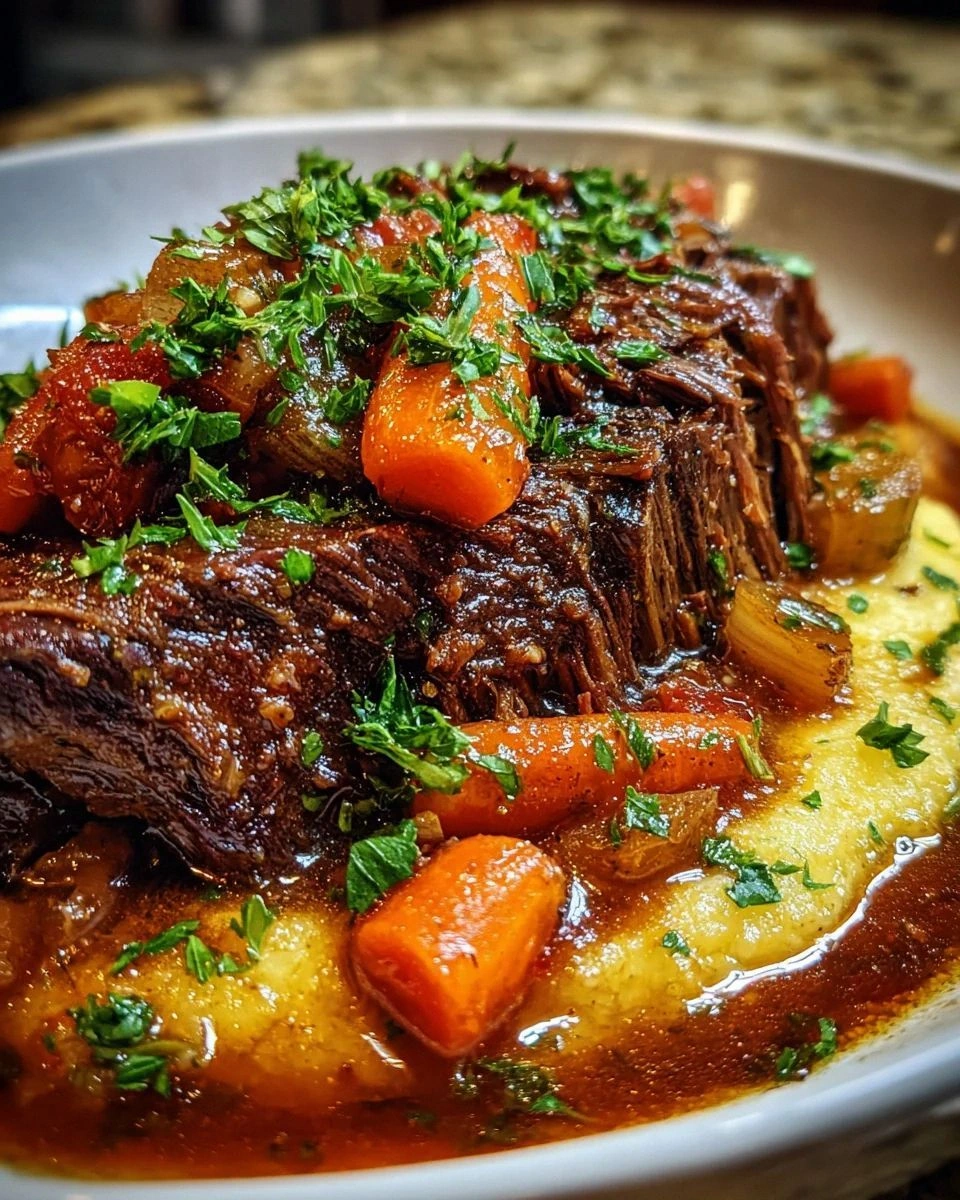
Picture this: a Sunday afternoon, the kitchen lights dimming to a warm amber glow, the air thick with the scent of roasted meat, and the unmistakable clatter of a pot being placed on the stove. I had just finished a week of late-night takeout, my pantry a sad landscape of stale crackers and a single can of beans. The idea of a comforting, hands‑on dinner hit me like a lightning bolt. I was determined to create something that would make my family gather around the table and laugh without even trying. That night, I discovered a recipe that turned a humble chuck roast into a show‑stopping centerpiece, and I haven’t looked back since.
I was staring at a raw 2‑pound chuck roast, the kind that’s usually destined for the freezer. I could feel the anticipation building, the kind that makes your stomach rumble and your taste buds dance. The first thing I did was season it like a pro: salt, pepper, and a light dusting of flour to give it a caramelized crust. Then, I seared it to a deep mahogany, the sound of sizzling turning into a comforting lullaby. The moment the meat hit the pan, the aroma hit me—rich, savory, almost like a promise of comfort. I could almost hear the family’s chatter, the clinking of glasses, the clatter of plates. That scent alone was enough to make anyone’s mouth water.
What makes this version of a classic pot roast stand out isn’t just the tenderness of the meat or the depth of the sauce. It’s the way each ingredient sings in harmony, the way the flavors build a narrative that feels both familiar and new. I dared to add a splash of red wine and a touch of tomato paste, creating a sauce that coats the beef like velvet. I let the vegetables soften in the broth until they were practically melting, turning the pot into a fragrant, comforting hug. The result? A dish that’s not just dinner, but an experience that will linger in your memory long after the last bite.
I’ll be honest—when I first tasted the finished roast, I ate half the batch before anyone else even had a chance. My friends were amazed at how tender it was, how the sauce clung to everything, and how the aroma filled the whole house. I promised myself that I’d share every detail, every trick, every secret that made this pot roast the best version you’ll ever make at home. I’ve turned a simple Sunday meal into a culinary adventure that will have you saying, “I dare you to taste this and not go back for seconds.”
What Makes This Version Stand Out
- Flavor: The combination of red wine, tomato paste, and aromatic herbs creates a sauce that’s both robust and silky. It’s like a slow‑cooked symphony that plays on your palate.
- Texture: The meat is so tender it practically melts in your mouth. The vegetables remain slightly firm, providing a pleasant contrast that keeps every bite interesting.
- Ease: With a simple searing step followed by a long, low‑heat simmer, you can set it up in the morning and let it work its magic while you’re at work.
- Uniqueness: A splash of Worcestershire sauce and a pinch of cayenne add depth and a subtle kick that sets this recipe apart from the usual pot roast.
- Crowd‑Pleaser: This dish is perfect for family dinners, potlucks, or when you want to impress guests without spending hours in the kitchen.
- Quality Ingredients: Using a well‑marbled chuck roast and fresh vegetables ensures a flavor that’s hard to beat.
- Make‑Ahead: The roast can be prepared ahead of time and reheated without losing its succulence, making it ideal for busy schedules.
- Versatility: Swap the red wine for a light beer or add a splash of balsamic vinegar for a different twist.
Alright, let’s break down exactly what goes into this masterpiece. From the first sear to the final garnish, every step is designed to elevate the dish.
Inside the Ingredient List
The Flavor Base
At the heart of this pot roast is the flavorful broth that carries the essence of each component. The beef broth provides a rich foundation, while the red wine adds depth and a touch of acidity that brightens the dish. The tomato paste brings a slight sweetness and thickening power, ensuring the sauce clings to the meat and vegetables. Worcestershire sauce adds umami and a subtle tang, and a pinch of cayenne gives a gentle heat that lingers on the tongue. Together, they form a sauce that’s as complex as it is comforting.
The Texture Crew
The vegetables are the unsung heroes of any pot roast. Carrots, potatoes, and celery bring earthy sweetness and a satisfying bite. When simmered, they release their natural sugars, creating a gentle sweetness that balances the savory broth. The garlic and onion add aromatic depth, while the flour used to dredge the meat helps create a velvety sauce that coats everything. Butter added at the end melts into the sauce, giving it a silky finish.
The Unexpected Star
I’ve always believed that the secret to great cooking lies in the little touches. That’s why I add a splash of fresh parsley at the end—its bright green color and fresh flavor cut through the richness, offering a refreshing contrast. The rosemary and thyme provide an herbal aroma that’s both comforting and sophisticated. The bay leaves add a subtle earthiness that deepens the sauce without overpowering it.
The Final Flourish
The final flourish comes in the form of a simple garnish: a sprinkle of chopped parsley and a squeeze of fresh lemon juice. The lemon adds a bright, citrusy note that lifts the dish, while the parsley adds color and a burst of freshness. Together, they transform the pot roast from a hearty dinner into a gourmet experience.
Everything’s prepped? Good. Let’s get into the real action…
The Method — Step by Step
- Start by patting the chuck roast dry with paper towels. This step is crucial; a dry surface ensures a better sear. Season generously with salt and pepper, then dust it lightly with flour, shaking off any excess. This flour coating will help create a silky sauce once the roast is deglazed.
- Heat a large Dutch oven or heavy‑bottom pot over medium‑high heat. Add 2 tablespoons of olive oil. When the oil shimmers, place the roast in the pot, searing it on all sides until it develops a deep, caramelized crust—about 3–4 minutes per side. This caramelization locks in flavor and creates that beautiful golden‑brown color.
- Once the roast is seared, remove it and set aside. In the same pot, add the diced onion, carrots, celery, and garlic. Sauté for 4–5 minutes until the vegetables begin to soften and the onion turns translucent. This step builds the flavor base and adds a sweet, aromatic foundation.
- Pour in 1 cup of red wine to deglaze the pot, scraping up all the browned bits from the bottom. The wine should reduce by about half, concentrating its flavor and creating a rich sauce. Let it simmer for 2–3 minutes; you’ll hear a gentle hiss that signals the wine is reducing.
- Stir in 2 tablespoons of tomato paste, 2 cups of beef broth, 2 bay leaves, 1 teaspoon of dried thyme, 1 teaspoon of dried rosemary, and a splash of Worcestershire sauce. Return the roast to the pot, nestling it among the vegetables. The liquid should come up about halfway up the sides of the meat—if it’s too high, reduce the broth slightly.
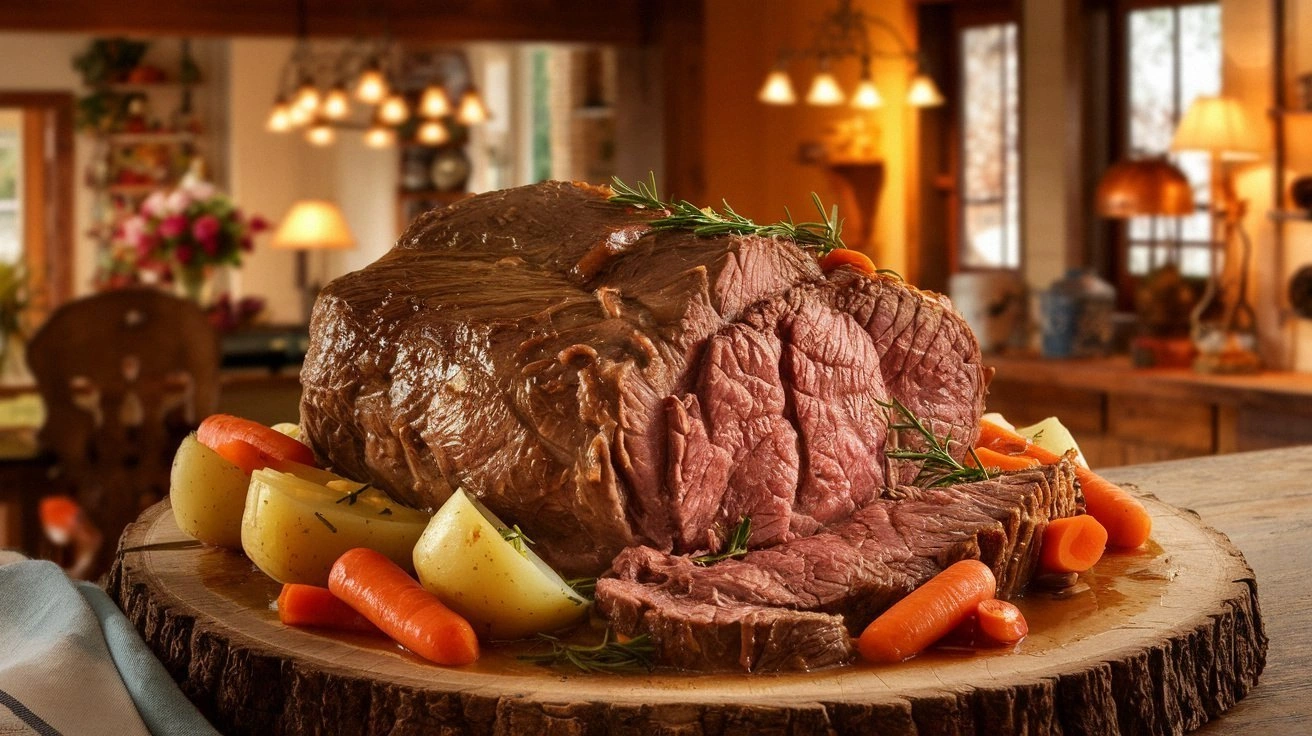
- Cover the pot tightly and transfer it to a preheated oven at 325°F (163°C). Cook for 2 hours, then add the cubed potatoes on top of the roast. This timing ensures the potatoes cook evenly without becoming mushy. The slow, low heat will break down the connective tissues in the beef, rendering it melt‑in‑your‑mouth tender.
- After 2 hours, remove the pot from the oven and let it rest for 10 minutes. While it rests, whisk in 2 tablespoons of butter to the sauce, allowing it to melt and coat the surface for extra richness. The butter adds a glossy finish and a silky mouthfeel.
- Slice the roast against the grain, drizzle the sauce over the slices, and garnish with fresh parsley and a squeeze of lemon. The bright lemon cut through the richness, while the parsley adds color and a fresh herbal note. Serve immediately, letting the steam rise and the aroma envelop the room.
That’s it— you did it. But hold on, I’ve got a few more tricks that will take this to another level. Keep reading, and let me show you how to turn a simple pot roast into a show‑stopping centerpiece.
Insider Tricks for Flawless Results
The Temperature Rule Nobody Follows
While many people cook pot roast on the stovetop, I swear by the oven method. The key is a low, steady temperature—325°F (163°C). This allows the connective tissues in the beef to break down slowly, producing melt‑in‑your‑mouth tenderness. If you’re in a hurry, you can use a slow cooker, but the oven gives you that beautiful browned crust that’s impossible to replicate on a slow cooker.
Why Your Nose Knows Best
When the roast is seared, the Maillard reaction creates aromatic compounds that your nose can’t resist. Trust that scent—if it’s deep brown and slightly caramelized, you’re on the right track. If it’s still pale, give it a bit more time. A good sear is the foundation for a flavorful pot roast.
The 5‑Minute Rest That Changes Everything
After the roast has finished cooking, let it rest for at least 10 minutes before slicing. This rest allows the juices to redistribute throughout the meat, preventing them from spilling out onto the cutting board. The result is a juicier, more flavorful bite.
Keep the Liquid Low and Steady
If the liquid level is too high, the roast will steam instead of braising, which can result in a tougher texture. Aim for a liquid that comes up to the middle of the meat. You can always add more broth later if needed, but you can’t reduce the liquid once it’s too high.
Finish with Butter for a Velvet Finish
Adding a knob of cold butter at the end of cooking enriches the sauce and gives it a glossy sheen. The butter also helps emulsify the sauce, creating a silky mouthfeel that coats the meat and vegetables perfectly.
Creative Twists and Variations
This recipe is a playground. Here are some of my favorite ways to switch things up:
Smoky Chipotle Twist
Swap the red wine for a light beer and add a teaspoon of chipotle powder. The smokiness pairs beautifully with the beef, giving the dish a bold, Southwestern flair that’s perfect for summer barbecues.
Herb‑Infused Mediterranean
Replace the thyme and rosemary with oregano and basil, and add a splash of lemon juice to the broth. Serve with crusty bread and a side of couscous for a Mediterranean-inspired meal that feels light yet hearty.
Spicy Korean BBQ
Add 2 tablespoons of gochujang (Korean chili paste) and a splash of soy sauce to the sauce. Finish with sesame seeds and sliced green onions. This version brings a fiery kick and umami depth that’s sure to wow your guests.
Vegetarian “Pot Roast”
Use a large block of seared seitan or a hearty root vegetable like a parsnip or turnip. Keep the same sauce and cooking method, and you’ll get a vegetarian dish that still feels like a comfort classic.
Slow Cooker Delight
Transfer all ingredients to a slow cooker, cook on low for 8 hours or high for 4.5 hours. The result is tender, flavorful meat that’s almost hands‑off, making it ideal for busy weekdays.
Instant Pot Power
Use the sauté function to sear the roast and vegetables, then add the liquid and cook on high pressure for 60 minutes. Quick, efficient, and still incredibly flavorful.
Storing and Bringing It Back to Life
Fridge Storage
Cool the pot roast completely before covering tightly with foil or placing in an airtight container. Store in the refrigerator for up to 3 days. The flavors will deepen, making it even more delicious when reheated.
Freezer Friendly
After cooling, portion the roast and sauce into freezer‑safe containers. Freeze for up to 3 months. Thaw overnight in the refrigerator before reheating to preserve texture.
Best Reheating Method
Reheat on the stovetop over low heat, adding a splash of beef broth or water to keep the sauce moist. Finish with a drizzle of butter or a sprinkle of fresh parsley for that fresh finish. The key is to keep the temperature low to avoid drying out the meat.