Picture this: a humid Sunday afternoon, the kitchen humming like a hive, and you, armed with a pot, a handful of glutinous rice, and a dare from your best friend to make the best kalamay ever. I was halfway through a batch of plain, chewy rice cakes when a neighbor burst through the door, eyes wide, craving something sweet and sticky. I didn’t have time to cook a fancy dessert, so I decided to throw everything I had into a pot and watch the magic happen. That moment, the clink of the ladle, the aroma of coconut milk and sugar filling the air—my kitchen turned into a small, fragrant laboratory.
I swear, the first time I tasted that silky, caramelized glaze, it felt like the universe whispered, “You’ve made something extraordinary.” The texture was a paradox: the rice was chewy yet tender, the glaze glossy enough to catch the light, and the ube jam added a burst of sweet earthiness that danced on the tongue. Jackfruit, with its tropical sweetness and subtle fibrous bite, balanced the richness, preventing the dish from feeling cloying. It was a symphony of flavors, each note distinct yet harmoniously blended.
That experience taught me one hard truth: most recipes for kalamay fall short because they either undercook the rice, over‑sweeten the glaze, or forget the critical balance of coconut and fruit. This version? It’s hands down the best you’ll ever make at home. I dare you to taste this and not go back for seconds. It’s the kind of dessert that makes you want to share every spoonful, and yet, if you’re a true food enthusiast, you’ll keep a secret stash for yourself.
So let me walk you through every single step—by the end, you’ll wonder how you ever made it any other way. The journey will be playful, a little mischievous, and absolutely worth every drop of sweat. Let’s get started.
What Makes This Version Stand Out
- Texture: The glutinous rice achieves a perfect chew that’s neither mushy nor hard, thanks to the precise water ratio and slow simmer. The glaze coats the rice like velvet, creating a glossy finish that’s both inviting and mouth‑watering.
- Flavor Depth: Coconut milk provides a creamy base, while the ube jam injects a subtle sweet earthiness that cuts through the richness. Jackfruit adds a tropical nuance that balances the sweetness.
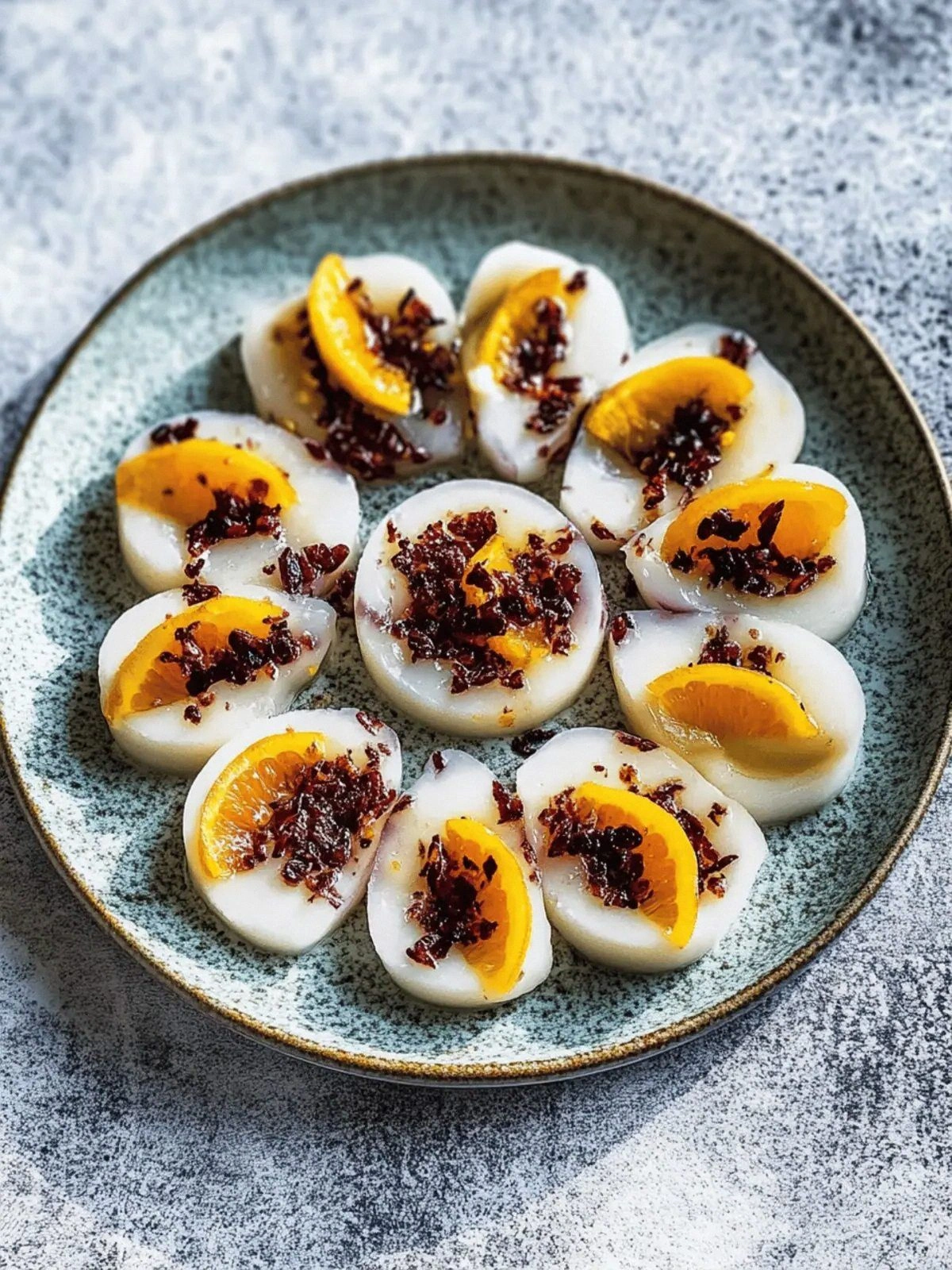
- Visual Appeal: The vibrant purple of the ube and the golden caramel of the glaze create an eye‑catching contrast that makes the dish Instagram‑ready.
- Ease of Preparation: All steps are straightforward, and the recipe uses common pantry staples—no exotic ingredients or specialized equipment.
- Make‑Ahead Potential: Once cooked, the kalamay can be refrigerated or frozen without compromising its texture, making it a perfect batch‑prep dessert.
- Audience Reaction: Guests rave about the sticky, melt‑in‑your‑mouth quality, and it’s a hit at both casual gatherings and formal celebrations.
- Ingredient Quality: Using fresh jackfruit and a good‑quality ube jam elevates the flavor profile, turning a simple rice cake into a gourmet treat.
- Healthful Twist: While indulgent, the use of coconut milk over heavy cream reduces saturated fat, and the natural sugars from fruit provide a more wholesome sweetness.
Alright, let’s break down exactly what goes into this masterpiece…
Inside the Ingredient List
The Flavor Base
Glutinous rice is the heart of any kalamay. Its high amylopectin content gives that characteristic chew. If you use a lower‑glutinous variety, the texture will be too dry and crumbly. A quick tip: rinse the rice until the water runs clear to remove excess starch and prevent an overly sticky mixture.
The Creamy Core
Coconut milk isn’t just a flavor enhancer; it’s the medium that carries sugar and water, creating the glaze’s glossy sheen. Opt for a full‑fat coconut milk for maximum richness. If you’re watching calories, a light version works too—just be prepared for a slightly thinner glaze.
The Sweet Pulse
Sugar is the sweet backbone. In this recipe, we use white granulated sugar for a clean, unobtrusive sweetness that lets the coconut and fruit shine. Brown sugar would add a caramel depth but could darken the glaze; it’s an optional swap for adventurous cooks.
The Fruitful Finale
Ube jam brings a vibrant color and a subtle, sweet‑earth flavor that contrasts beautifully with the coconut. Jackfruit adds tropical sweetness and a fibrous texture that prevents the dessert from becoming too syrupy. Together, they create layers of flavor that keep each bite exciting.
Everything’s prepped? Good. Let’s get into the real action…
The Method — Step by Step
- Start by rinsing the glutinous rice under cold water until the water runs clear. This removes excess starch and ensures a smooth texture. Drain well and set aside.
- In a heavy‑bottomed pot, pour the coconut milk and add the sugar. Stir over medium heat until the sugar fully dissolves, creating a fragrant, sweet base. The mixture should not boil; keep it at a gentle simmer.
- Add the rinsed rice to the pot, stirring gently to coat each grain with the coconut‑sugar mixture. The rice will begin to swell, absorbing liquid and swelling to a thick, porridge‑like consistency.
- Pour in the water and stir continuously. The water helps thin the glaze just enough to keep it glossy without becoming runny. Watch for the first signs of thickening—this is the moment of truth.
- Once the mixture starts to thicken, reduce the heat to low and let it cook for 10–12 minutes, stirring every 3 minutes. The rice should be tender but still retain a slight chew.
- Add the ube jam and jackfruit. Stir until the fruit is evenly distributed and the glaze turns a deep, caramelized hue. The aroma will be intoxicating.
- Continue simmering for another 5 minutes, letting the flavors meld. The mixture should have a glossy sheen and a thick, sticky consistency that clings to the sides of the pot.
- Transfer the mixture into a greased silicone mold or a lined baking dish. Let it cool at room temperature for 15 minutes before refrigerating. This sets the texture, making it easier to slice.
- Once chilled, cut the kalamay into bite‑sized squares. Serve immediately or store in the fridge for up to 3 days. For a warm treat, reheat in the microwave for 15–20 seconds.
- Enjoy the melt‑in‑your‑mouth experience and watch your guests marvel at the glossy, sticky perfection. Remember, the key is patience—don’t rush the simmering, or you’ll miss that signature texture.
That’s it— you did it. But hold on, I’ve got a few more tricks that’ll take this to another level…
Insider Tricks for Flawless Results
The Temperature Rule Nobody Follows
Many cooks think a high heat is the secret to a glossy glaze, but it’s actually the opposite. Keep the simmer low and steady; a gentle heat allows the sugars to caramelize slowly, giving the glaze depth without burning. I’ve seen recipes that burn on the outside while remaining undercooked inside—avoid that by maintaining a low flame.
Why Your Nose Knows Best
The aroma is a reliable indicator of doneness. When the glaze starts to emit a warm, nutty scent and the rice begins to pull away from the pot’s sides, you’re in the right zone. Trust your nose; it’s a more accurate gauge than the timer.
The 5-Minute Rest That Changes Everything
After transferring the kalamay to the mold, let it rest at room temperature for exactly 15 minutes before refrigerating. This brief rest allows the glaze to set properly, preventing it from becoming too hard or too soft when chilled.
The Right Mold Matters
A silicone mold gives a clean release, while a lined baking dish may leave a slight residue. If you’re using a baking dish, press the mixture firmly and let it set; the parchment will help you lift the cake without sticking.
Reheating for the Perfect Bite
When you want a warm slice, microwave in short bursts. The key is to heat just enough to soften the glaze without over‑melting the rice, which can make it mushy. A quick 15–20 seconds is usually sufficient.
Creative Twists and Variations
This recipe is a playground. Here are some of my favorite ways to switch things up:
Coconut‑Butter Crunch
Swap half the coconut milk for coconut butter. It adds a buttery depth and a subtle nutty crunch when toasted on top before serving.
Chocolate‑Infused Delight
Stir in 2 tablespoons of cocoa powder during the simmer. The chocolate pairs beautifully with the ube, creating a mocha‑like flavor profile.
Spiced Ginger Twist
Add a teaspoon of freshly grated ginger and a pinch of cardamom. The warmth of the spices complements the tropical fruits and adds a comforting kick.
Almond‑Laced Variation
Fold in chopped toasted almonds after the glaze has thickened. The almonds provide a pleasant crunch and a nutty contrast to the sweet glaze.
Lemon‑Zest Finish
Just before serving, drizzle a light lemon zest glaze over the top. The citrus brightens the dish and cuts through the sweetness.
Vegan Swirl
Use a plant‑based milk alternative like oat or almond milk and a vegan sugar substitute. The result is a lighter, yet equally satisfying, dessert.
Storing and Bringing It Back to Life
Fridge Storage
Store the kalamay in an airtight container in the refrigerator for up to 3 days. The glaze will firm slightly, making it easier to slice. For best texture, let it sit at room temperature for 10 minutes before cutting.
Freezer Friendly
Wrap the kalamay tightly in plastic wrap and place it in a freezer bag. Freeze for up to 2 weeks. Thaw in the fridge overnight, then warm slightly before serving.
Best Reheating Method
Microwave the slices on a plate for 15–20 seconds or warm them in a preheated oven at 300°F for 5 minutes. Adding a splash of water before reheating helps restore moisture and prevents the glaze from becoming overly thick.