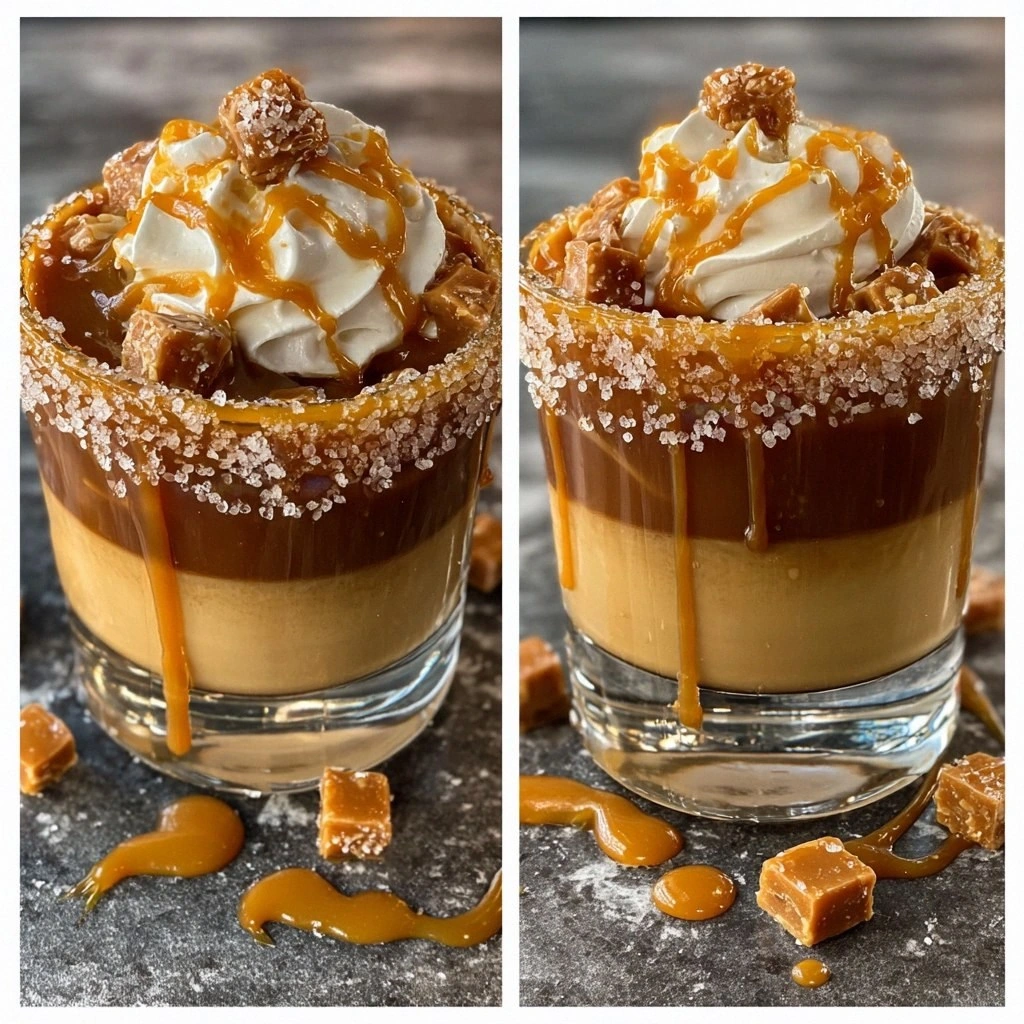
Picture this: the kitchen is a battlefield, the oven timer has already been set, and you’re staring at a stubborn 9‑inch pie crust that refuses to rise. I had just finished a week of bland dinners and the craving that hit me was pure, unapologetic dessert: something rich, caramel‑laden, and utterly show‑stopping. I pulled out my favorite Dulce de Leche, a can of sweetened condensed milk, and a handful of other pantry staples, and the idea hit me like a lightning strike—this is the ultimate caramel crème brûlée pie.
I was determined to craft a dessert that would not just satisfy the sweet tooth but also deliver that buttery, crackly top and a silky, custard‑like interior that melts in your mouth. I mixed the Dulce de Leche with the condensed milk until it became a smooth, golden‑brown glaze, then folded in egg yolks and heavy cream for body and richness. The crust was a buttery, flaky canvas that cradled the custard like a velvet blanket. The final touch? A dusting of granulated sugar on top, caramelized to a crisp, caramel‑brown crown that crackles like a freshly toasted marshmallow. The result was a dessert that felt like a hug from a caramel‑loving cloud.
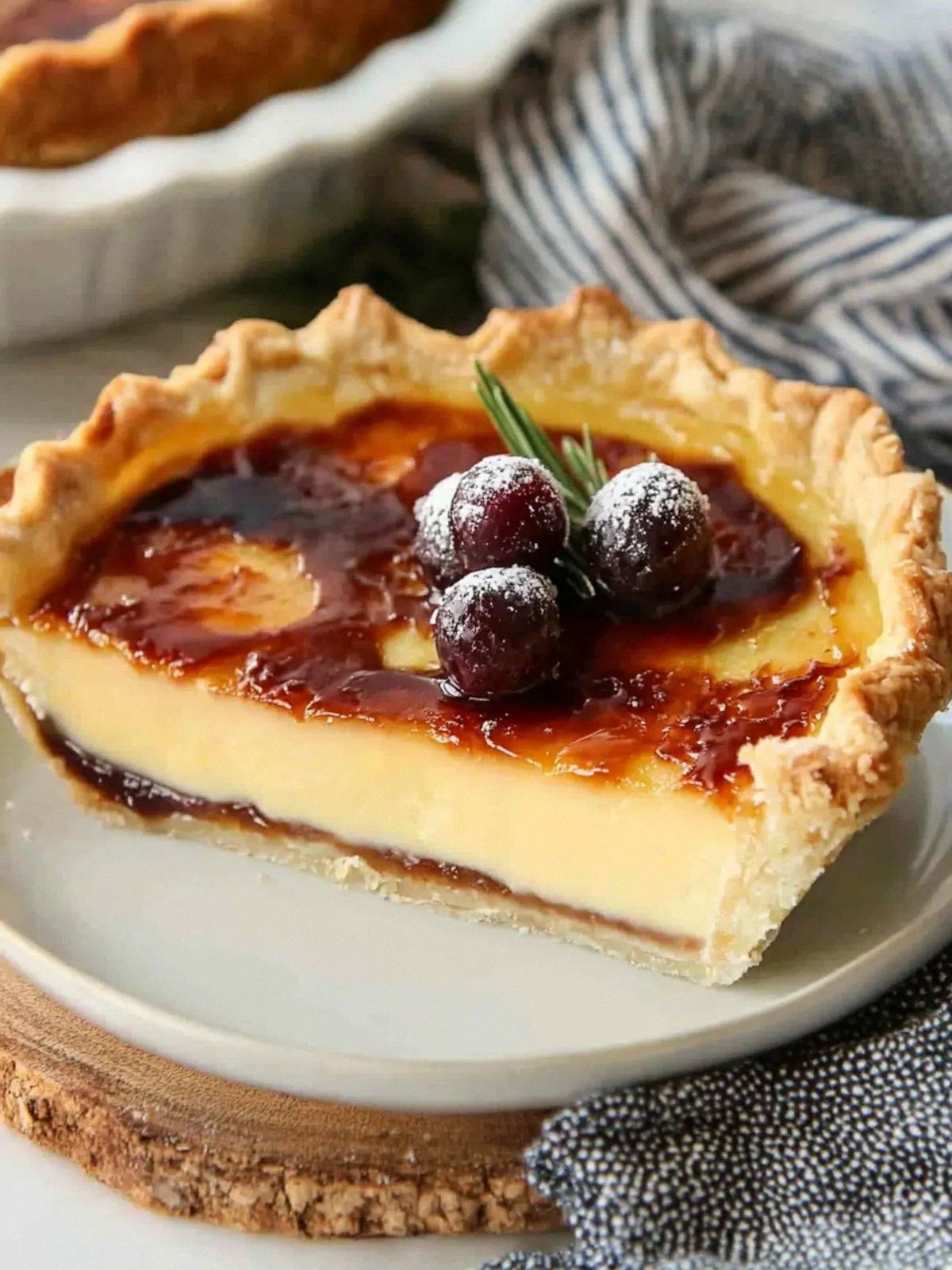
What makes this version stand out is not just the combination of ingredients, but the way each element is coaxed into harmony. The Dulce de Leche is not just a sweetener; it’s a flavor engine that infuses the custard with deep, roasted caramel notes. The cornstarch is the secret structural binder that gives the filling a silky, set‑but‑still‑soft texture. And the pie crust—yes, the crust matters. A properly pre‑baked crust gives the custard a crisp, buttery base that contrasts wonderfully with the velvety filling. I dared to add a final caramelized sugar top, which turns the dessert into a spectacle of crunch and aroma. This is hands down the best version you’ll ever make at home, and I dare you to taste it and not go back for seconds.
I’ll be honest—when the first bite hit my palate, I almost swallowed it whole. The caramelized sugar crackled like a tiny fireworks display, and the custard was so smooth it felt like liquid velvet. The whole kitchen smelled of caramel, vanilla, and buttery crust, and you could hear the faint pop of sugar as it caramelized. If you’ve ever struggled with a dessert that feels either too dry or too runny, you’re not alone—this recipe fixes those pitfalls with a single, well‑timed step. Picture yourself pulling this out of the oven, the whole kitchen smelling incredible, and the dessert looking like a golden, glossy crown. Stay with me here, because the next part? Pure magic.
What Makes This Version Stand Out
- Flavor Depth: The Dulce de Leche brings a roasted caramel intensity that eclipses ordinary custard, creating a taste that lingers on the tongue like a sweet after‑glow.
- Texture Mastery: Cornstarch, when whisked into the custard, sets the filling into a silky, mousse‑like consistency that remains firm yet yields to a spoonful.
- Crust Perfection: A pre‑baked, buttery crust provides the perfect crunch and a neutral backdrop that lets the caramel shine.
- Visual Appeal: The caramelized sugar top forms a glossy, crackly crown that not only tastes amazing but looks like a piece of dessert art.
- Ease of Execution: All steps are straightforward, no complex techniques, making it a foolproof dessert even for kitchen novices.
- Make‑Ahead Friendly: You can assemble the pie a day in advance; the custard sets in the fridge and the sugar caramelizes just before serving.
- Guest‑Ready: The dessert’s dramatic presentation and rich flavor make it a showstopper at dinner parties or family gatherings.
- Ingredient Quality: Using high‑quality Dulce de Leche and fresh egg yolks ensures a premium taste that feels like a luxury treat.
Alright, let's break down exactly what goes into this masterpiece...
Inside the Ingredient List
The Flavor Base
Dulce de Leche is the star of this dessert. It’s a sweetened caramel sauce that has been slowly cooked to develop deep, nutty undertones. When blended with the sweetened condensed milk, it creates a caramel glaze that is both silky and intensely sweet. If you skip it, the custard will taste like plain vanilla custard—good, but not unforgettable. For a twist, you can swap Dulce de Leche for a homemade caramel sauce made from brown sugar and butter; just make sure it’s fully cooked to avoid a raw sugar taste.
The Texture Crew
Cornstarch is the unsung hero that gives the custard its smooth, set‑but‑still‑soft consistency. It thickens the mixture without adding any flavor, letting the caramel shine. Heavy cream adds richness and body, turning the custard into a luxurious, melt‑in‑your-mouth experience. Egg yolks provide structure and a velvety texture, while unsalted butter adds a subtle, buttery depth that rounds out the flavor profile. Each of these ingredients works in harmony; remove any one, and the custard’s texture will suffer.
The Unexpected Star
Sweetened condensed milk may look like a pantry staple, but it’s the secret to the custard’s velvety mouthfeel. It’s thick, sweet, and contains a high ratio of sugar to milk, which means it caramelizes beautifully when heated. If you’re lactose intolerant, you can try a dairy‑free condensed milk, but keep in mind that the texture might be slightly different. A pinch of sea salt balances the sweetness and brings out the caramel notes.
The Final Flourish
Granulated sugar is the final flourish that turns the custard into a caramelized masterpiece. When sprinkled over the top and broiled, it caramelizes into a crisp, amber crust that crackles with each bite. The sugar also provides a sweet contrast to the buttery crust, creating a symphony of flavors and textures. If you prefer a darker crust, use dark brown sugar instead; it will give a deeper, molasses‑like flavor.
Everything's prepped? Good. Let's get into the real action...
The Method — Step by Step
- Preheat your oven to 350°F (175°C). While the oven warms, line a 9‑inch pie dish with the pre‑baked crust, pressing it into the corners to create an even base. This step ensures the crust doesn’t become soggy when the custard seeps into it. I like to let the crust sit at room temperature for 10 minutes before adding the filling, as this helps it stay crisp.
- Whisk the Dulce de Leche with the sweetened condensed milk. Use a whisk or a hand mixer on low speed until the mixture is smooth and glossy. The key is to blend until there are no lumps, giving the custard a silky texture. If you see any lumps, a quick pass through a fine sieve will fix it.
- In a separate bowl, beat the egg yolks. Add a tablespoon of heavy cream and whisk until the mixture becomes light and slightly frothy. This pre‑whisking step prevents the yolks from curdling when they meet the hot caramel mixture. It also helps integrate the eggs more evenly.
- Combine the warm caramel mixture with the egg yolk blend. Pour the caramel slowly into the yolk mixture while whisking continuously. This gradual incorporation is critical; it allows the eggs to thicken the mixture without scrambling. Once combined, stir in the remaining heavy cream and the tablespoon of cornstarch, whisking until the mixture is thick and glossy.
- Pour the custard into the crust. Gently pour the custard into the pre‑lined pie dish, spreading it evenly with a spatula. The custard will settle into the crust, creating a smooth surface. At this point, you’ll notice a subtle caramel aroma that’s already hinting at the dessert’s richness.
- Fold in the butter. Cut the butter into small cubes and fold them into the custard. The butter will melt into the custard, adding a silky sheen and a buttery depth that balances the sweetness. Stir until the butter is fully incorporated and the custard looks glossy.
- Bake for 30 minutes. Place the pie in the preheated oven and bake until the custard sets around the edges but remains slightly wobble in the center. The top should be a pale golden color. The custard’s center should look set but still soft to the touch. This is the moment of truth; if you’re unsure, gently press the center—if it leaves a faint indent, it’s ready.
- Cool and chill. Remove the pie from the oven and let it cool to room temperature. Once cooled, refrigerate the pie for at least 2 hours, preferably overnight. This chilling step allows the custard to fully set and the flavors to meld together beautifully.
- Caramelize the sugar top. Just before serving, sprinkle an even layer of granulated sugar over the custard. Place the pie under a broiler or a kitchen torch until the sugar caramelizes into a crisp, amber crust. Watch it closely; it can go from golden to burnt in seconds. When done, let the sugar crust cool for a minute before slicing.
- Serve and enjoy. Slice the pie with a sharp knife, wiping the blade between cuts to keep the edges clean. Each slice should reveal a glossy caramel custard beneath a crisp, caramelized sugar top. Serve immediately for the best texture, or keep it chilled if you prefer a firmer custard.
That's it — you did it. But hold on, I've got a few more tricks that'll take this to another level...
Insider Tricks for Flawless Results
The Temperature Rule Nobody Follows
Many people bake at a high temperature, thinking it will set the custard faster. I’ve learned that a lower, steady temperature of 350°F (175°C) allows the custard to set gently without cracking or over‑browning. If you’re in a hurry, you can raise the temperature to 375°F, but watch the top closely to avoid a burnt crust.
Why Your Nose Knows Best
Your nose is your best judge of doneness. When the custard is ready, you’ll smell a faint, sweet caramel scent that is warm but not burnt. If you still smell raw sugar, give it another minute. Trust your nose, not the timer.
The 5‑Minute Rest That Changes Everything
After baking, let the pie rest for 5 minutes before chilling. This short rest allows the custard to set further and the flavors to marry. It also prevents condensation from forming on the top, which can make the sugar crust soggy.
Keep the Crust Crisp
If you want a crispier crust, bake the pie for an additional 2–3 minutes after the custard sets, just until the crust turns a light golden brown. This extra step ensures the crust doesn’t become soggy when the custard seeps into it.
The Perfect Broiler Trick
If you’re using a broiler to caramelize the sugar top, place the pie on the upper rack and keep the door slightly ajar. This allows the heat to circulate evenly and caramelize the sugar without burning the custard underneath.
Creative Twists and Variations
This recipe is a playground. Here are some of my favorite ways to switch things up:
Chocolate Caramel Twist
Add 1/2 cup of dark chocolate chips to the custard before baking. The chocolate will melt into the caramel, creating a rich, bittersweet flavor that pairs beautifully with the sweet custard.
Nutty Crunch Layer
Sprinkle toasted chopped pecans or walnuts on top of the caramelized sugar before serving. The nuts add a delightful crunch and a nutty depth that balances the sweetness.
Spiced Caramel
Stir in 1/4 teaspoon of ground cinnamon and a pinch of cayenne pepper into the custard. The warmth of cinnamon and the subtle heat of cayenne give the dessert an exciting, aromatic twist.
Lemon‑Zest Finish
Add the zest of one lemon to the custard before baking. The bright citrus note cuts through the richness, creating a balanced, refreshing finish.
Almond Butter Swap
Replace the unsalted butter with 2 tablespoons of almond butter. The almond flavor adds a nutty undertone and a silky texture that complements the caramel.
Vegan Version
Use coconut milk instead of heavy cream, a plant‑based sweetened condensed milk, and a vegan custard thickener. The result is a dairy‑free caramel custard that still delivers a luscious, creamy texture.
Storing and Bringing It Back to Life
Fridge Storage
Store the assembled pie in the refrigerator for up to 3 days. Keep it covered with plastic wrap or in an airtight container. When ready to serve, let it sit at room temperature for 15 minutes to soften the custard slightly before caramelizing the sugar top.
Freezer Friendly
For longer storage, freeze the pie in an airtight container for up to 2 weeks. Thaw overnight in the refrigerator before reheating. Reheat in a preheated oven at 350°F (175°C) for 10 minutes, then caramelize the sugar top as usual.
Best Reheating Method
To reheat, place the pie on a baking sheet and warm it in a 350°F (175°C) oven for 5–7 minutes until the custard is warmed through. Add a tiny splash of water to the top of the custard before reheating; this steams the custard back to its original silky texture and prevents it from drying out.