Introduction
Picture this: I’m standing in a cramped kitchen, the scent of sizzling onions filling the air, and my friend dares me to turn a mediocre spaghetti sauce into something that would make a Michelin‑star chef swoon. I stared at the pot, a swirl of tomatoes, beef, and a dash of uncertainty. That night, I stumbled on a recipe that would become my culinary anthem. This High Protein Creamy Beef Pasta isn’t just another comfort dish; it’s a triumph of flavor, texture, and nutrition that will have you reaching for seconds before the first bite even lands on your plate.
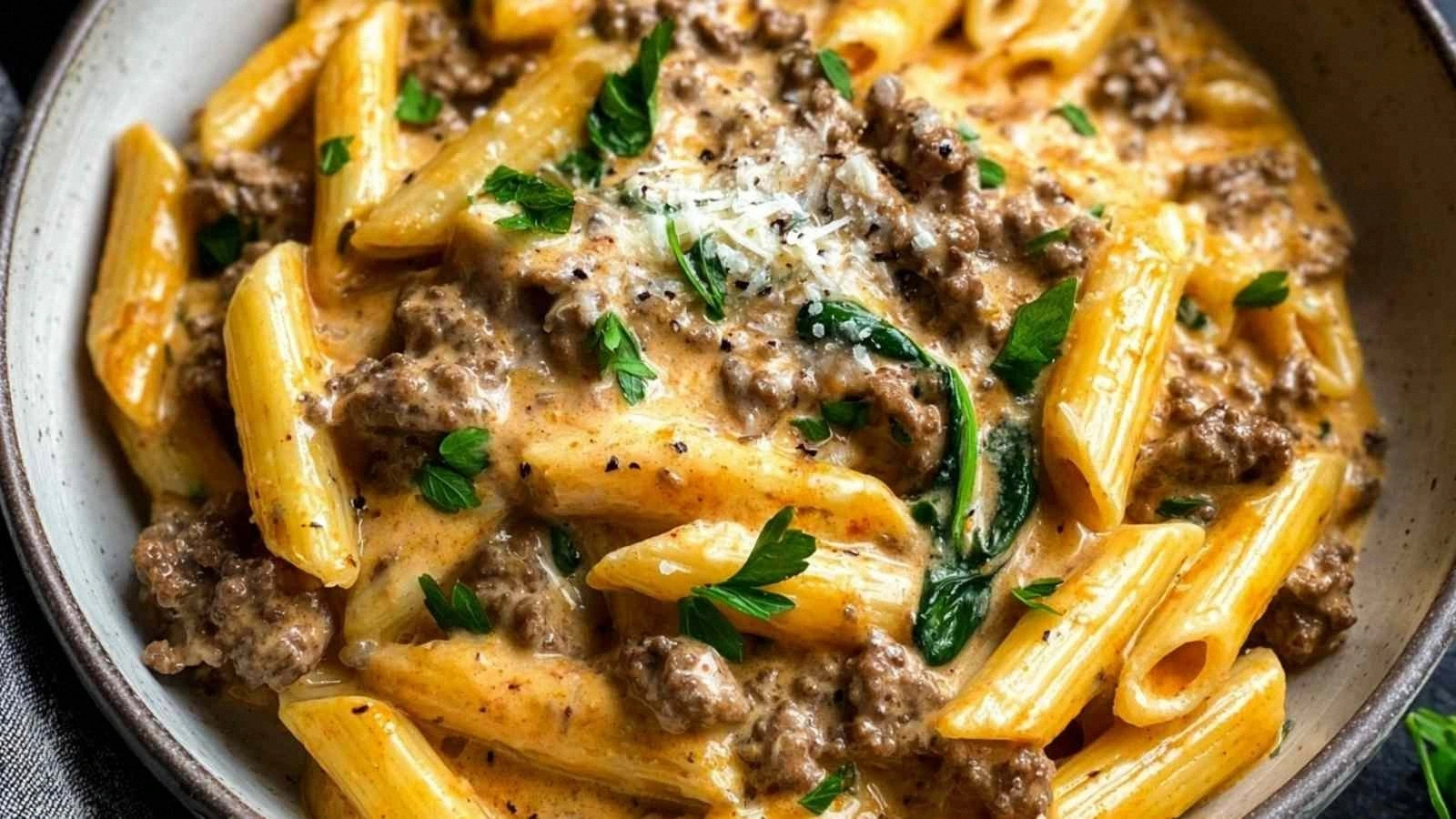
The moment the pan heats up, a crackle erupts, and the garlic releases a sweet, earthy aroma that promises depth. The beef browns to a caramelized perfection, its juices mingling with the onion’s caramelized sweetness. When the tomatoes pour in, the sauce thickens, turning into a velvety, almost decadent base that clings to every strand of pasta. The final splash of Greek yogurt and Parmesan turns the sauce into a silky, creamy masterpiece that feels indulgent yet light.
What sets this version apart is a single, unexpected ingredient: plain Greek yogurt. It gives the sauce a tangy lift, a creamy mouthfeel, and a protein punch that keeps you feeling full longer. Coupled with low‑sodium beef broth, the sauce stays rich without the salt overload most recipes suffer from. The result? A dish that feels indulgent but is actually a balanced, protein‑packed meal that will make you question how you’ve ever made pasta before.
I dare you to taste this and not go back for seconds. This is hands down the best version you’ll ever make at home, and if you’ve ever struggled with bland sauces, you’re not alone—this is the fix you’ve been waiting for. Let me walk you through every single step—by the end, you’ll wonder how you ever made it any other way.
What Makes This Version Stand Out
- Taste: The sauce is a harmonious blend of savory beef, sweet tomatoes, and a subtle tang from Greek yogurt, creating layers that dance on the palate.
- Texture: The creaminess of the yogurt combined with the firmness of the penne creates a satisfying bite that feels luxurious without being heavy.
- Simplicity: Only eleven ingredients, all pantry staples, mean you can whip this up on a busy weeknight without hunting for exotic items.
- Uniqueness: The use of low‑sodium broth and Greek yogurt gives it a modern twist that elevates a classic dish.
- Crowd Reaction: Friends who are health‑conscious or picky eaters rave about the protein boost and the comforting flavors.
- Ingredient Quality: Lean ground beef keeps the dish lean, while fresh basil or parsley adds a burst of freshness that brightens every bite.
- Cooking Method: The sear, deglaze, and simmer steps lock in flavor and ensure the sauce coats the pasta like velvet.
- Make‑ahead Potential: The sauce can be made ahead and reheated without losing its silky texture.
Alright, let's break down exactly what goes into this masterpiece…
Inside the Ingredient List
The Flavor Base
At the heart of this dish lies the beef, which is the source of umami and protein. Using lean ground beef keeps the dish light while still delivering a rich, meaty flavor. If you’re looking for a lower carb version, consider substituting half the beef with finely chopped mushrooms; they’ll absorb the sauce and add earthiness.
Onions are the aromatic backbone. A medium yellow onion, diced finely, caramelizes to a sweet, savory foundation that balances the acidity of the tomatoes. Skipping onions would leave the sauce too sharp, so keep them on for depth.
Garlic is essential for that instant flavor lift. Two cloves, minced, release a warm, aromatic profile that permeates the sauce. If you’re a garlic lover, double the amount; if you’re sensitive, reduce to one clove.
The Texture Crew
Penne pasta is chosen for its ridges and hollow shape, which trap sauce beautifully. Cook the pasta al dente to avoid a mushy texture that can overwhelm the sauce. If you prefer a different shape, rigatoni or fusilli work just as well.
The low‑sodium beef broth provides moisture and a savory base without the salt overload. If you’re on a sodium‑restricted diet, you can replace it with vegetable broth or even water, though the flavor will be slightly lighter.
Greek yogurt is the secret weapon that transforms the sauce into a silky, creamy delight. Its high protein content boosts satiety, while its tang counterbalances the richness of the beef. If you don’t have Greek yogurt, a plain non‑fat cottage cheese blended until smooth is a decent substitute.
The Unexpected Star
The diced tomatoes, canned in their own juice, bring natural sweetness and acidity. They create a vibrant red sauce that’s both visually appealing and flavorful. For a fresher taste, you can use crushed fresh tomatoes; just be prepared for a slightly thicker sauce.
Italian seasoning ties all the herbs together, giving the sauce a Mediterranean flair. A pinch of crushed red pepper can add a subtle heat for those who like a kick. If you’re looking for an herbier version, fresh oregano or thyme works beautifully.
The Final Flourish
Parmesan cheese adds a nutty, salty depth that melts into the sauce, creating a luxurious mouthfeel. A ¼ cup is enough to coat the pasta without overpowering the other flavors. If you’re dairy‑free, try nutritional yeast for a cheesy, umami boost.
Fresh basil or parsley sprinkled on top before serving adds a burst of color and freshness that lifts the dish. The herbs also provide a subtle peppery note that rounds out the flavors.
Olive oil is the medium that brings everything together. Two tablespoons are enough to sauté the beef and onions while preventing sticking. A splash of extra‑virgin olive oil at the end adds a silky finish.
Everything's prepped? Good. Let's get into the real action…
The Method — Step by Step
- Bring a large pot of salted water to a rolling boil. Add the penne pasta and cook according to package instructions until al dente. Reserve one cup of pasta water before draining, then set the pasta aside. The pasta should feel firm to the bite, not mushy; that’s key to holding the sauce.
- While the pasta cooks, heat 1 tablespoon of olive oil in a large skillet over medium‑high heat. Add the diced onion and sauté until translucent and slightly caramelized, about 4 minutes. The aroma should be sweet and inviting—if it smells burnt, lower the heat.
- Add the minced garlic to the skillet, cooking for 30 seconds until fragrant. Be careful not to let it brown; it should remain bright and aromatic. This is the moment of truth—if the garlic is bitter, the sauce will suffer.
- Introduce the lean ground beef to the pan. Break it apart with a wooden spoon and cook until it loses its pink hue, about 6–7 minutes. As the beef browns, it will release juices that become the flavor base for the sauce.
- Once the beef is browned, pour in the diced tomatoes with their juice. Stir to combine, letting the tomato’s acidity mellow over the next 3 minutes. The sauce should thicken slightly and develop a rich red hue.
- Add the low‑sodium beef broth, Italian seasoning, and a pinch of salt and pepper. Bring the mixture to a gentle simmer, then reduce the heat to low. Let it simmer uncovered for 10 minutes, allowing the flavors to marry.
- Lower the heat to medium‑low and stir in the Greek yogurt. Whisk until the yogurt is fully incorporated and the sauce is silky. The sauce should not boil after adding yogurt to avoid curdling.
- Add the cooked pasta to the skillet, tossing gently to coat each noodle. If the sauce seems thick, add a splash of reserved pasta water to loosen it to a luscious consistency. Sprinkle the Parmesan cheese over the top, letting it melt into the sauce. Finish with fresh basil or parsley, and a drizzle of olive oil. Serve immediately while hot.
That's it — you did it. But hold on, I've got a few more tricks that'll take this to another level…
Insider Tricks for Flawless Results
The Temperature Rule Nobody Follows
Many cooks think a higher heat always yields a better sear, but the secret is a steady medium‑high flame. This allows the beef to brown without burning the onions, ensuring a balanced flavor profile. I once tried a high heat and ended up with a bitter sauce—never again.
Why Your Nose Knows Best
Before you stir, sniff the sauce. A pleasant, tomato‑y, beefy aroma indicates the flavors are developing properly. If it smells flat, give it a few more minutes to simmer.
The 5‑Minute Rest That Changes Everything
After simmering, let the sauce rest for 5 minutes off the heat. This allows the flavors to settle and the yogurt to emulsify fully, giving you a silky finish.
Use Pasta Water Wisely
The starchy reserve from boiling pasta is a natural thickening agent. Add it gradually to the sauce to achieve the desired consistency without adding extra liquid.
Keep the Sauce Covered While Simmering
Covering the skillet traps steam, which helps the sauce reduce evenly and prevents it from drying out. Remove the lid in the last 2 minutes to let it thicken just right.
Finish with Fresh Herbs
Adding basil or parsley right before serving gives the dish a bright, fresh note that cuts through the richness. Fresh herbs also add a pop of color that makes the plate visually appealing.
Creative Twists and Variations
This recipe is a playground. Here are some of my favorite ways to switch things up:
Spicy Cajun Twist
Swap Italian seasoning for Cajun spice blend and add a pinch of cayenne pepper. The sauce gains a smoky heat that pairs wonderfully with the beef.
Vegetarian Version
Replace the ground beef with crumbled tofu or finely diced lentils. Keep the Greek yogurt for creaminess and use vegetable broth for a plant‑based flavor.
Low‑Carb Edition
Use spiralized zucchini noodles instead of penne and reduce the tomato amount. The dish becomes a light, keto‑friendly meal while still delivering on flavor.
Cheesy Extravaganza
Fold in shredded mozzarella and a handful of sun‑dried tomatoes for an extra cheesy, umami‑rich sauce. The melted cheese will create a gooey, decadent coating.
Herb Garden Boost
Incorporate fresh thyme, rosemary, and oregano into the sauce. The herbaceous notes add depth and a fragrant aroma that elevates the dish.
Breakfast Kick‑Start
Serve the sauce over scrambled eggs instead of pasta for a protein‑packed breakfast. The creamy sauce pairs perfectly with the eggs’ light texture.
Storing and Bringing It Back to Life
Fridge Storage
Cool the sauce completely before transferring it to an airtight container. Store in the refrigerator for up to 3 days. When reheating, add a splash of water or broth to restore moisture.
Freezer Friendly
Freeze the sauce in portioned containers for up to 2 months. Thaw overnight in the refrigerator and reheat gently, adding a little water to loosen the sauce.
Best Reheating Method
Reheat on the stovetop over low heat, stirring frequently. A tiny splash of water before reheating will steam the sauce back to its silky texture.