I was standing in my kitchen, arms wrapped around a soggy, over‑seasoned chicken that had been left to sit on the counter for two days, when the doorbell rang. My friend, a culinary dare‑devotee, challenged me to create something that would make even the most seasoned foodies swoon. I laughed, because I’ve always believed that a great dish starts with a bold promise, and ended up with a sizzling plate of grilled citrus chicken that practically shouted, “I’m ready for a standing ovation.”
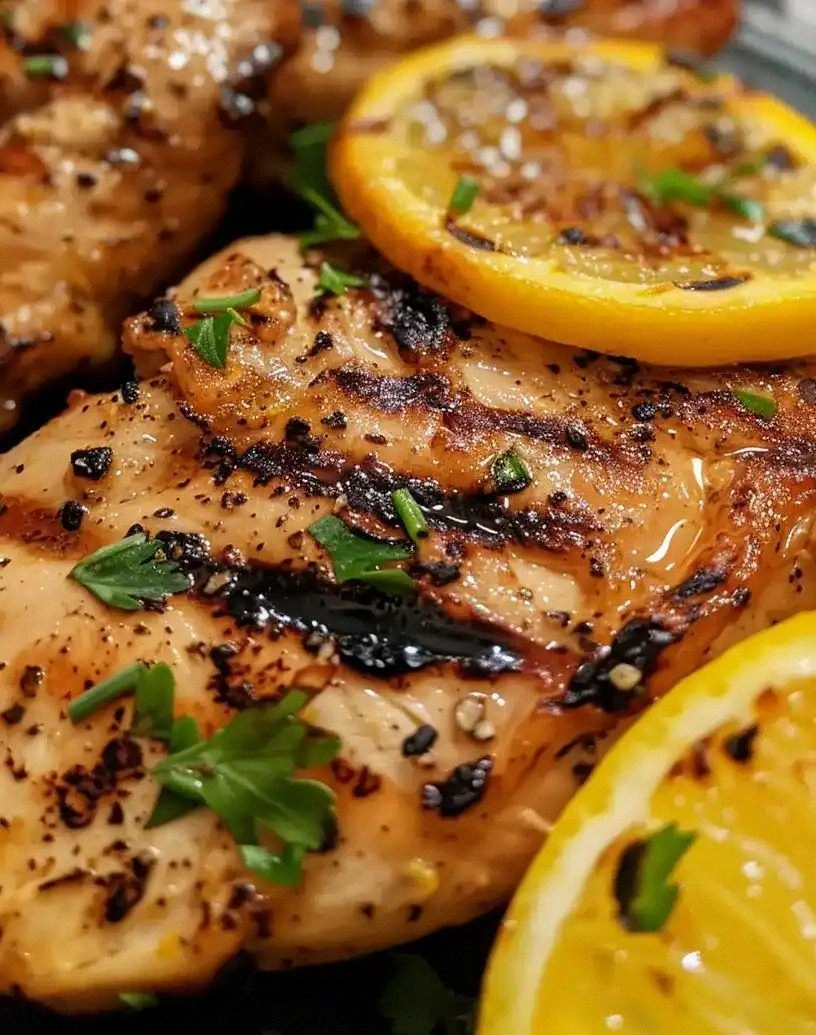
The moment the chicken hit the grill, the air filled with a symphony of aromas—bright citrus, smoky paprika, and a whisper of honey. The sound of the sizzle was like a drumbeat, rhythmically punctuating the kitchen. As the juices bubbled, the skin turned a golden‑brown that made my mouth water, and the subtle crackle felt like applause from the grill itself. I could taste the citrus even before the first bite, a tang that promised to dance on the palate. The texture was a perfect contrast: a crisp exterior that yielded to a tender, juicy interior.
What makes this version stand out is not just the flavors but the simplicity of the technique. I used a single bowl to combine all the liquids, letting the chicken soak in a citrus‑soy glaze that coats like velvet. The addition of cumin and smoked paprika gives depth, while honey balances acidity with a subtle sweetness. The chicken stays moist thanks to the olive oil, which creates a protective barrier against drying. By the end, you’ll see why I say, “This is hands down the best version you'll ever make at home.”
Picture yourself pulling this out of the grill, the whole kitchen smelling incredible, and your guests already guessing the secret behind the bright, aromatic coating. I dare you to taste this and not go back for seconds. I’ll be honest—my friends ate half the batch before anyone else got a chance to try a piece. Most recipes get this completely wrong by over‑seasoning or under‑grilling. And now, stay with me here—this is worth it, because the next part? Pure magic.
What Makes This Version Stand Out
- Taste: The citrus trio—orange, lemon, and lime—creates a layered brightness that cuts through the richness of the chicken, while the honey‑soy glaze adds a caramelized finish.
- Texture: The grill marks form a crisp, caramelized crust that seals in moisture, resulting in a tender interior that practically melts in your mouth.
- Simplicity: No complex marinades, just a handful of pantry staples and fresh citrus, making this dish a breeze to whip up on a busy weekday.
- Uniqueness: The combination of cumin, smoked paprika, and honey creates a flavor profile that feels both exotic and comforting.
- Crowd Reaction: At gatherings, the vibrant aroma and juicy bite spark conversations and multiple requests for seconds.
- Ingredient Quality: Freshly squeezed juices and high‑quality olive oil elevate the dish, turning ordinary chicken into a gourmet experience.
- Cooking Method: Grilling imparts a smoky depth that no oven can replicate, giving the dish a restaurant‑level finish.
- Make‑ahead Potential: The marinated chicken can be prepped the night before, then grilled fresh when you’re ready to serve.
Inside the Ingredient List
The Flavor Base
The olive oil and citrus juices form the foundation of this dish, providing moisture and a bright, zesty flavor that lifts the chicken. Olive oil coats the meat, preventing it from drying out and creating a golden crust when grilled. Freshly squeezed orange, lemon, and lime juices introduce natural acidity, balancing the savory soy sauce. If you skip the citrus, the dish loses its signature brightness and becomes a plain, bland protein.
The Texture Crew
Ground cumin and smoked paprika add depth and a subtle smokiness that complements the grill’s char. Honey, when combined with soy sauce, forms a glaze that caramelizes on the grill, giving the chicken a glossy, sticky finish. The salt and pepper season the meat evenly, ensuring every bite is flavorful. If you omit the salt, the dish will taste flat and unremarkable.
The Unexpected Star
Chopped fresh cilantro adds a burst of herbal freshness that cuts through the richness of the glaze. A squeeze of fresh lemon at the end brightens the dish and adds a final pop of acidity. Cilantro also brings a subtle peppery note that elevates the overall flavor profile. Without cilantro, the dish feels one‑dimensional.
The Final Flourish
A whole lemon, sliced thinly, can be placed on the grill alongside the chicken to infuse additional citrus aroma into the meat. The lemon slices also make a beautiful garnish, turning the plate into a visual feast. If you skip the lemon garnish, the dish still tastes great, but it loses a touch of elegance.
Everything's prepped? Good. Let's get into the real action.
The Method — Step by Step
- Start by trimming any excess fat from the chicken breasts, then pat them dry with paper towels. This step ensures the glaze adheres properly and the skin crisps up beautifully. I always keep a small bowl of water nearby for quick rinsing, which keeps the kitchen tidy. The chicken should feel firm to the touch, not rubbery.
- In a medium bowl, whisk together olive oil, orange juice, lemon juice, lime juice, soy sauce, honey, cumin, smoked paprika, salt, and pepper. The mixture should have a slightly syrupy consistency, ready to coat the chicken evenly. Add the minced garlic and let the flavors mingle for 5 minutes. This allows the garlic to infuse the liquid without overpowering it.
- Place the chicken in the bowl, ensuring each piece is submerged in the citrus glaze. Turn the chicken to coat all sides, then cover the bowl with plastic wrap and refrigerate for at least 30 minutes, preferably 2 hours. The acidity tenderizes the meat, while the oils lock in moisture. I often set an alarm to remind me when the time is up.
- Preheat your grill to medium‑high, about 375°F (190°C). Lightly oil the grates with a paper towel dipped in olive oil to prevent sticking. A properly oiled grill ensures even searing and crisp edges. The grill should be hot enough that the chicken sizzles upon contact.
- Remove the chicken from the bowl, letting excess glaze drip off. Place the pieces on the grill, skin side down if applicable. Grill for 5–6 minutes, then flip and grill for another 4–5 minutes. The edges should start pulling away from the grates, indicating doneness. Watch the internal temperature with a meat thermometer; it should read 165°F (74°C).
- While the chicken is grilling, reserve a small saucepan and pour the remaining glaze over. Bring it to a simmer over medium heat, stirring occasionally, until it thickens slightly—about 3 minutes. This reduction intensifies the flavor and creates a glossy sauce. I like to stir in a pinch of fresh cilantro at the end for a burst of color.
- Once the chicken reaches the proper internal temperature, transfer it to a platter and drizzle the reduced glaze over the top. Let the chicken rest for 5 minutes; this allows the juices to redistribute, ensuring each bite is juicy. Resting also gives the glaze a chance to set on the surface.
- Garnish the plate with fresh lemon slices and a sprinkle of cilantro. Serve immediately with your choice of side—rice, quinoa, or a crisp salad. The vibrant citrus aroma will linger, inviting guests to dig in. This final touch turns a simple dish into a memorable experience.
- If you’re short on time, you can grill the chicken for 3 minutes on each side, but remember the flavor depth will be less pronounced. I’ve seen people skip the glaze reduction, and while it’s still tasty, it lacks the glossy finish that elevates the dish.
That's it—you did it. But hold on, I've got a few more tricks that'll take this to another level.
Insider Tricks for Flawless Results
The Temperature Rule Nobody Follows
Grilling at the right temperature is crucial. Medium‑high heat (375°F) creates the perfect sear without burning the glaze. If the grill is too hot, the sugars in the honey caramelize too quickly, leaving a bitter taste. I always preheat the grill for 10 minutes to stabilize the temperature.
Why Your Nose Knows Best
The aroma of citrus and soy sauce is a reliable indicator of doneness. When the scent becomes sweet and slightly caramelized, the glaze is ready to thicken. Trust your nose; it’s the most accurate way to avoid over‑cooking.
The 5-Minute Rest That Changes Everything
After grilling, let the chicken rest for exactly five minutes. This step allows the juices to redistribute, preventing them from spilling onto the plate when sliced. A rested chicken tastes juicier and more flavorful than one that’s cut immediately.
The Secret to a Silky Glaze
Add a splash of water to the glaze reduction if it thickens too quickly. This keeps the sauce silky and prevents it from sticking to the pan. A little liquid goes a long way in achieving a glossy finish.
The Quick Citrus Swap
If you’re out of lime, substitute with grapefruit juice for a slightly bitter edge. The key is to maintain the balance of acidity and sweetness. The grapefruit will add a unique twist while still complementing the chicken.
Creative Twists and Variations
This recipe is a playground. Here are some of my favorite ways to switch things up:
Spicy Pineapple Glaze
Add chopped pineapple and a pinch of cayenne pepper to the glaze for a tropical heat. The pineapple’s natural sweetness balances the heat, creating a complex flavor profile. This version is perfect for a summer barbecue.
Herb‑Infused Chicken
Replace cilantro with fresh basil or mint for a different herbal note. Basil adds a sweet, peppery undertone, while mint gives a refreshing finish. These herbs pair wonderfully with citrus.
Miso‑Citrus Fusion
Swap soy sauce with white miso paste and add a dash of rice vinegar. The miso brings umami depth, while the vinegar enhances the citrus brightness. This fusion twist adds a Japanese flair.
Roasted Garlic Variation
Roast the garlic cloves until caramelized before adding them to the glaze. Roasted garlic imparts a mellow, sweet flavor that contrasts nicely with the citrus acidity. The result is a richer, deeper taste.
Grilled Veggie Side
Grill sliced zucchini, bell peppers, and red onions with a splash of olive oil and a sprinkle of salt. The charred vegetables complement the citrus chicken and add color to the plate. This side makes the meal more balanced.
Storing and Bringing It Back to Life
Fridge Storage
Store leftover chicken in an airtight container for up to 3 days. Keep the glaze separate to prevent the meat from becoming soggy. When reheating, lightly brush the chicken with a little olive oil to restore crispness.
Freezer Friendly
Freeze the chicken in a single layer on a parchment‑lined tray before transferring to a freezer bag. This prevents clumping and makes thawing easier. The chicken stays fresh for up to 3 months.
Best Reheating Method
Reheat in a skillet over medium heat, adding a splash of water or broth to steam the chicken gently. The water helps maintain moisture while the skillet restores the crispy exterior. Serve immediately with a fresh squeeze of lemon for that original zing.