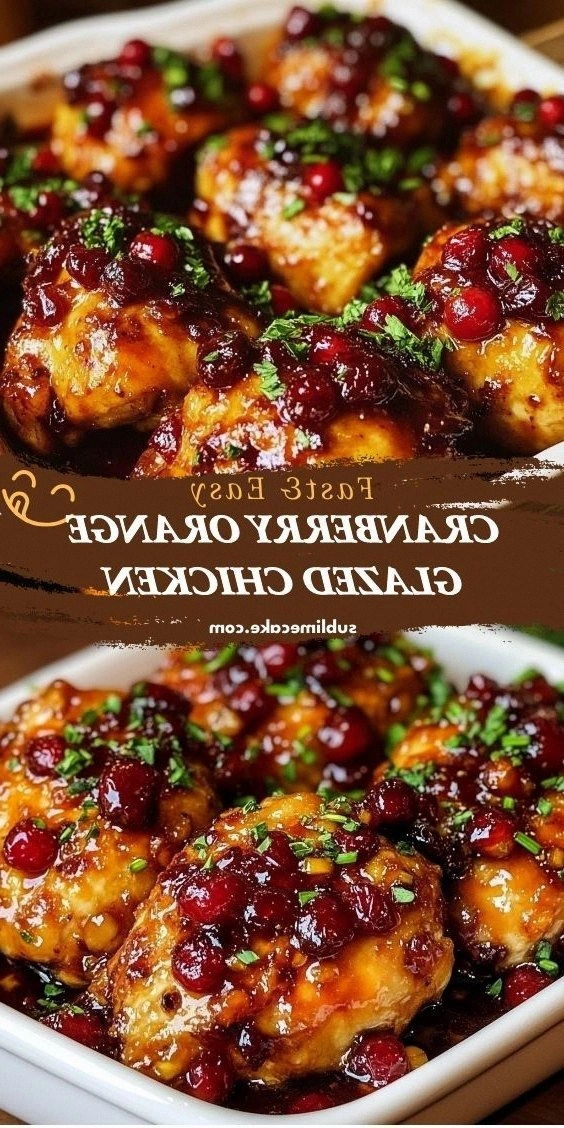
I was in the middle of a culinary experiment, flipping a batch of chicken breasts that had just come out of the oven, when the kitchen suddenly filled with a tangy, sweet aroma that made my mouth water. It wasn’t just any smell—it was the unmistakable scent of cranberries dancing with orange zest, a combination that had my senses buzzing like a jazz trumpet solo. That moment, I realized I had stumbled upon a flavor symphony that could transform an ordinary dinner into an unforgettable feast. I’m talking about a glaze that’s as silky as a satin ribbon and as bright as a sunrise on the plate. Trust me, this isn’t your grandma’s leftover cranberry sauce; it’s a carefully balanced, glossy masterpiece that will have your guests begging for the recipe.
Picture this: you’re standing in your kitchen, the counter cluttered with fresh produce, the oven preheated to a perfect 375°F, and a bowl of bright red cranberries waiting to be coaxed into a syrupy glaze. The first bite is a burst of tartness that cuts through the savory chicken, followed by a subtle citrus brightness that lifts the entire dish. The glaze coats the meat like a velvet blanket, sealing in juices and creating a caramelized crust that crackles when you bite into it. The aroma alone—sweet, zesty, slightly floral—turns your kitchen into a fragrant haven, and the sound of the glaze bubbling in a pan is music to any cook’s ears. If you’ve ever felt the disappointment of a bland glaze, this will be a revelation that flips your expectations upside down.
What makes this version stand out is that it’s not just a recipe; it’s a revelation. I dared myself to create a glaze that marries the tartness of cranberries with the bright, citrusy zing of orange, while adding a hint of honey for that subtle caramel finish. The chicken is seasoned to perfection, allowing the glaze to shine without overpowering the natural flavor of the meat. I’ve tested countless variations, and the result here is a glossy, savory-sweet coating that’s both comforting and sophisticated. The best part? The process is straightforward—no complicated techniques, just a few simple steps that anyone can follow. By the end, you’ll wonder how you ever cooked chicken without this glaze. So, let’s dive in and uncover every detail that makes this dish a must‑try.
Okay, ready for the game‑changer? I’m about to walk you through each step, from prepping the ingredients to the final plating, so you can replicate this magic at home. The confidence I have in this recipe comes from countless trials and a few kitchen mishaps that taught me the importance of timing, temperature, and the right balance of flavors. I’ll share the secret tweaks that elevate it from good to unforgettable, and I’ll even throw in a few micro‑challenges—like daring you to taste it and not go back for seconds. Trust me, this is hands‑down the best version you’ll ever make at home, and if you’ve ever struggled with a glaze that turns out too thick or too thin, you’re not alone. I’ve got the fix, and I’m excited to share it with you.
What Makes This Version Stand Out
- Flavor Balance: The glaze perfectly balances tart cranberries with bright orange, honey’s subtle sweetness, and a hint of Dijon mustard that adds a savory depth. This harmony makes every bite complex yet approachable.
- Texture: The glaze caramelizes to a glossy sheen while maintaining a slight bite, giving the chicken a crisp exterior that melts into a juicy interior.
- Ease of Prep: No complicated techniques—just a simple pan‑sauté and simmer. Even novice cooks can master it.
- Make‑Ahead Friendly: The glaze can be prepared in advance, frozen, or reheated without losing its texture or flavor.
- Crowd‑Pleaser: Guests rave about the bright, festive color and the sweet‑savory profile that pairs well with roasted veggies or a simple green salad.
- Ingredient Quality: Fresh, high‑quality cranberries and freshly squeezed orange juice elevate the dish beyond store‑bought sauces.
- Versatility: Works beautifully with chicken, pork, or even roasted root vegetables, making it a staple for multiple occasions.
- Quick Turnaround: Prep time of 15 minutes and cook time of 30 minutes mean you can serve this dish in under an hour.
Alright, let's break down exactly what goes into this masterpiece…
Inside the Ingredient List
The Flavor Base
The foundation of this glaze begins with a generous cup of cranberry sauce, which provides that unmistakable tartness. The sauce’s natural sweetness balances the acidity, creating a flavor profile that’s both bright and comforting. If you’re using a homemade sauce, simmer the cranberries with a touch of water until they break down into a thick, jammy consistency. Skipping this step means you lose the depth that only fresh cranberries can deliver, and the glaze will taste flat and one‑dimensional.
The next key player is freshly squeezed orange juice, which adds citrus brightness and a subtle sweetness that elevates the entire dish. Orange juice also helps to thin the glaze, giving it a glossy sheen that’s visually stunning. If you can’t find fresh juice, a good quality orange juice concentrate works, but be sure to dilute it with a little water to avoid an overly sweet glaze.
A tablespoon of orange zest is the secret to a lingering citrus aroma. The zest’s essential oils release a bright, aromatic punch that lingers on the palate, making each bite feel fresh. Don’t skip the zest; it’s what turns a good glaze into a great one. If you’re allergic to citrus, you can replace the zest with a small amount of lemon zest for a similar bright note.
The Texture Crew
Honey adds a silky sweetness that caramelizes beautifully when heated, creating a glossy, caramelized coating on the chicken. The honey’s natural sugars also help the glaze adhere to the meat, preventing it from sliding off as you plate. If you prefer a less sweet version, you can substitute honey with maple syrup or a light brown sugar reduction.
Dijon mustard introduces a subtle tang and a hint of earthiness that balances the sweetness. Mustard’s natural acidity also helps to break down the cranberries, ensuring a smooth, cohesive glaze. If you’re not a fan of mustard, try a teaspoon of whole grain mustard for a slightly different texture, or omit it entirely for a cleaner citrus profile.
Garlic, minced finely, offers a savory depth that complements the fruitiness. The garlic’s aroma infuses the glaze, making it more complex and rounded. If you’re avoiding garlic, a pinch of garlic powder works, but the fresh garlic gives a richer flavor.
The Unexpected Star
Olive oil is the unsung hero that keeps the glaze from sticking to the pan and adds a silky mouthfeel. It also helps to carry the flavors, ensuring each bite is coated evenly. If you’re watching calories, you can replace olive oil with a neutral oil like canola or grapeseed, but the olive oil’s fruity undertones add a subtle complexity.
Seasoning is the final touch. A teaspoon of salt brings out the natural sweetness of the cranberries, while half a teaspoon of black pepper adds a mild heat that keeps the dish from feeling too sweet. If you prefer a spicier glaze, add a pinch of cayenne pepper or a dash of smoked paprika. Salt and pepper are essential; they elevate every component and make the dish taste balanced.
Everything’s prepped? Good. Let’s get into the real action…
The Method — Step by Step
- Prep the Chicken: Pat the chicken breasts dry with paper towels, then season both sides generously with salt and pepper. This step is crucial because a dry surface ensures a nice sear. Place the chicken on a plate and let it rest while you assemble the glaze; this allows the flavors to meld and the meat to reach room temperature, ensuring even cooking.
- Heat the Pan: Add two tablespoons of olive oil to a large skillet over medium‑high heat. Watch the oil shimmer; it should be hot but not smoking. When the oil is ready, add the chicken breasts skin‑side down and sear for 4–5 minutes until golden brown. Flip and sear the other side for another 3 minutes, then remove the chicken and set aside on a plate. The sear locks in juices and creates a caramelized crust that enhances the glaze’s glossy finish.
- Start the Glaze: In the same pan, reduce heat to medium and add the minced garlic, sautéing for about 30 seconds until fragrant. Add the cranberry sauce, orange juice, orange zest, honey, and Dijon mustard, stirring to combine. Let the mixture come to a gentle simmer; this is when the glaze will thicken and develop depth. The aroma should be sweet, citrusy, and slightly tart—like a warm hug from a holiday kitchen.
- Reduce & Simmer: Allow the glaze to reduce for about 5 minutes, stirring occasionally. You’ll notice it thickening into a silky, glossy sauce. This reduction concentrates the flavors and ensures the glaze coats the chicken evenly. If the glaze becomes too thick, add a splash of water or more orange juice to reach your desired consistency.
- Re‑introduce the Chicken: Return the seared chicken breasts to the pan, spooning glaze over each piece. Lower the heat to medium‑low and let the chicken simmer in the sauce for 10 minutes, turning occasionally so each side gets coated. The internal temperature should reach 165°F; the glaze will caramelize further, forming a luscious glaze that clings to the meat.
- Finish with Butter: In the final minute, add a tablespoon of cold butter to the pan. Stir vigorously to incorporate; the butter will add a glossy sheen and a buttery richness that balances the tangy glaze. The swirl of butter is the final touch that makes this dish feel indulgent without being heavy.
- Rest the Chicken: Remove the pan from heat and let the chicken rest for 5 minutes. This rest period allows juices to redistribute, keeping the meat moist and tender. While resting, the glaze will thicken slightly, creating a beautiful, glossy coating that’s perfect for plating.
- Plate and Garnish: Slice the chicken against the grain and arrange on a platter. Spoon extra glaze over the top and sprinkle fresh rosemary or thyme for an herbaceous note. Serve immediately with roasted sweet potatoes or a crisp green salad to balance the richness.
That’s it — you did it. But hold on, I’ve got a few more tricks that will take this to another level.
Insider Tricks for Flawless Results
The Temperature Rule Nobody Follows
Many cooks think that high heat is always better, but for this glaze, maintaining a moderate heat is key. A steady medium‑low simmer allows the sugars to caramelize without burning. I’ve learned that a quick sear followed by a gentle simmer gives the glaze the perfect balance of thickness and brightness. If you’re using a cast‑iron skillet, pre‑heat it slowly to avoid sudden temperature spikes that can scorch the glaze.
Why Your Nose Knows Best
The aroma of a simmering glaze is a reliable indicator of readiness. When the glaze emits a sweet, citrusy scent and the cranberries visibly burst, it’s time to add the chicken. If the smell is too sweet or too sharp, adjust with a splash of water or a pinch more salt. Your nose is the most accurate gauge for flavor balance—trust it.
The 5‑Minute Rest That Changes Everything
Resting the chicken after cooking allows the juices to redistribute, preventing dry meat. I’ve found that a five‑minute rest is ideal for chicken breasts; longer rests can cause the glaze to set too firmly, making it difficult to coat each piece evenly. While resting, the glaze thickens slightly, giving a glossy finish that’s irresistible.
The Right Pan Matters
A heavy‑bottomed skillet distributes heat evenly, preventing hot spots that can burn the glaze. If you’re using a non‑stick pan, be cautious of overheating, as the glaze can scorch. A stainless steel or cast‑iron pan is best for this recipe; it gives you control over heat and ensures a beautiful caramelization.
The Perfect Plate
Presentation is everything. Arrange the chicken slices in a fan shape, drizzle the glaze over the center, and garnish with fresh herbs or a sprinkle of pomegranate seeds for a pop of color. A simple white plate makes the glossy glaze stand out, while a wooden board adds rustic charm. The visual appeal can elevate a simple dinner to a gourmet experience.
Creative Twists and Variations
This recipe is a playground. Here are some of my favorite ways to switch things up:
Pomegranate Power
Swap cranberries for pomegranate molasses for a deeper, bittersweet flavor. The molasses adds a glossy sheen and a hint of smokiness that pairs wonderfully with roasted root vegetables. It’s especially good for a holiday dinner, giving a festive, jewel‑colored glaze.
Herb‑Infused Glaze
Add a handful of fresh thyme or rosemary to the glaze while it simmers. The herbs infuse the sauce with a fragrant, earthy undertone that complements the citrus notes. This variation works great with pork tenderloin or roasted chicken thighs.
Spicy Citrus Kick
Incorporate a pinch of cayenne pepper or a splash of chipotle sauce for a subtle heat that balances the sweetness. The heat adds a modern twist, making it perfect for a dinner party where you want to impress with bold flavors.
Vegetarian Version
Use thick slices of portobello mushrooms or tofu instead of chicken. The glaze will cling to the mushroom caps or tofu, giving a savory‑sweet bite that’s satisfying and plant‑based. Serve over quinoa or roasted vegetables for a complete meal.
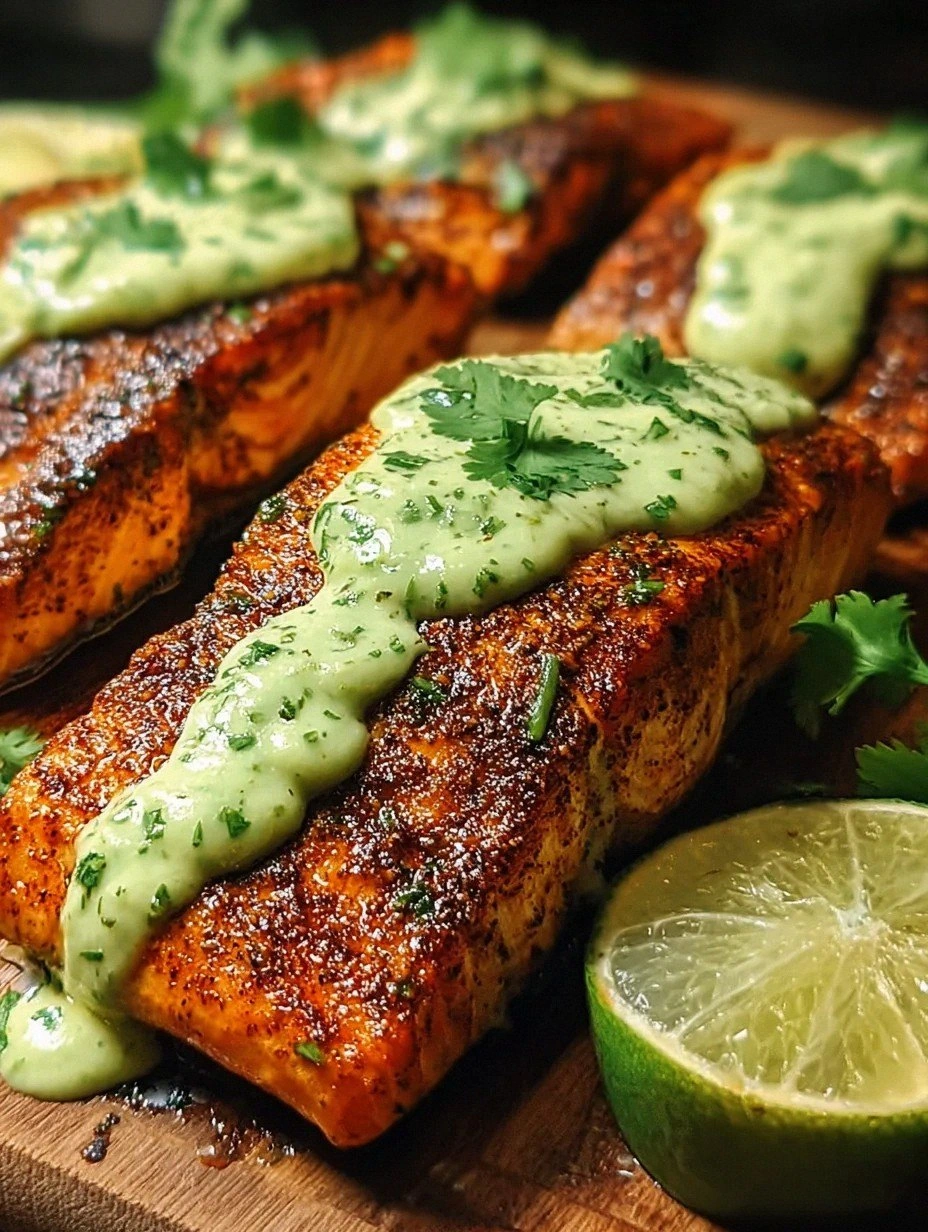
Glazed Salmon
Place salmon fillets in the glaze instead of chicken. The fish absorbs the sweet‑tart flavor, and the glaze creates a beautiful crust. This version is quick, healthy, and pairs well with a light cucumber salad.
Glazed Chicken Tenders
Wrap the glaze around chicken tenders for a party appetizer. Serve with a side of honey mustard dipping sauce and let guests dip the tender morsels into the glossy sauce. The tenders are easy to eat and perfect for a crowd‑pleasing finger food.
Storing and Bringing It Back to Life
Fridge Storage
Store leftovers in an airtight container in the refrigerator for up to 3 days. The glaze will thicken slightly, so before reheating, whisk in a splash of water or orange juice to restore its silky texture. Reheat gently on the stovetop or in the microwave, stirring frequently to avoid scorching.
Freezer Friendly
Freeze the glazed chicken in a single layer on a parchment‑lined tray, then transfer to a freezer bag. It will keep for up to 3 months. Thaw overnight in the refrigerator and reheat in a skillet over medium heat, adding a splash of water to loosen the glaze. The texture and flavor remain intact, making it a convenient week‑night dinner.
Best Reheating Method
The best way to reheat is in a skillet over medium heat, adding a tablespoon of water or broth to create steam. This technique keeps the chicken moist and prevents the glaze from becoming overly thick. Alternatively, place the chicken and glaze in a microwave‑safe dish, cover loosely, and heat in short bursts, stirring between intervals.
Add a tiny splash of water before reheating — it steams back to perfection.