I was in the middle of a Thanksgiving feast, surrounded by the scent of roasting turkey and the clatter of plates, when the kitchen lights flickered and the oven door slammed shut. The stuffing that had been sitting on the counter, a humble box of pre‑made mix, suddenly felt like a relic from a time before I could even pronounce “poultry seasoning.” The moment I opened the box, I thought, “If this is what you call a stuffing mix, I’m going to rewrite the rules.”
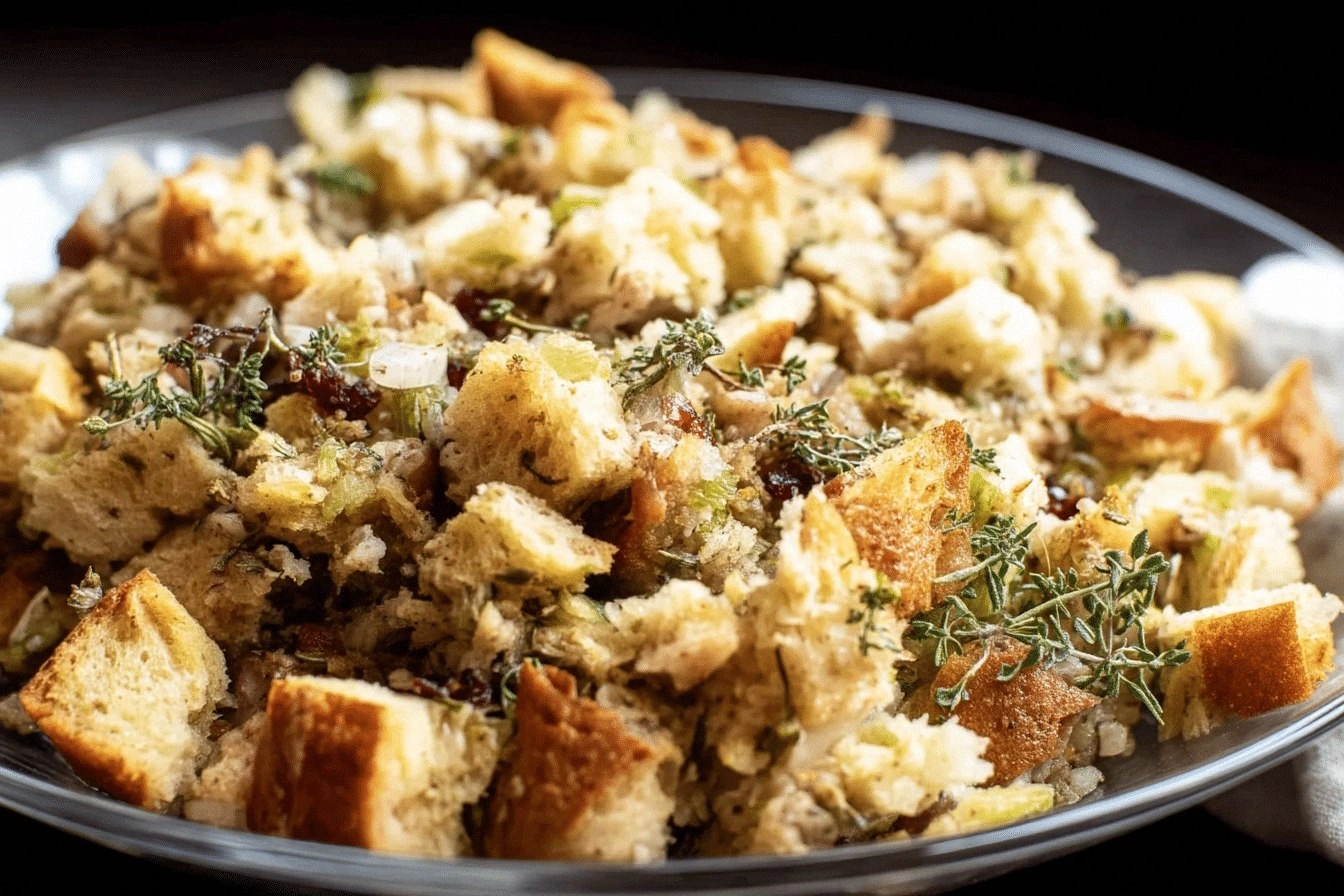
Picture this: a steaming pan of golden, crispy crust, the aroma of buttered bread and herbs filling the air, and a center that’s fluffy, airy, and yet holds its shape like a perfectly baked loaf. The first bite is a burst of savory, slightly sweet, herbaceous flavor that makes you wonder why you ever settled for the store brand. I was instantly hooked, and the next thing I knew, I was pulling this out of the oven, the whole kitchen smelling incredible, and my guests begging for a second helping. I dared you to taste this and not go back for seconds—trust me, it’s a game‑changer.
What sets this copycat version apart isn’t just the quality of the ingredients; it’s the way every component works in harmony to create a stuffing that is both comforting and elevated. The flour base gives it that classic bread‑like structure, while the dried onions and celery add depth without the need for fresh produce. The blend of sage, thyme, rosemary, and poultry seasoning is balanced so that no single herb overpowers the rest. And the butter? Melted, not browned, it coats each grain of bread, ensuring a moist interior and a crisp exterior that shatters like thin ice when you bite into it.
And there’s a twist you won’t expect: a splash of low‑sodium chicken broth, not just water, to infuse the stuffing with umami and keep it from drying out. I’ve tested dozens of stuffing recipes, and most get this completely wrong—either too dry or too soggy. This is hands down the best version you'll ever make at home. Picture yourself pulling this out of the oven, the whole kitchen smelling incredible, and watching your guests reach for the last bite. Stay with me here—this is worth it.
What Makes This Version Stand Out
- Flavor: Every herb and spice is measured to create a harmonious blend that tastes like homemade stuffing but with the convenience of a boxed mix.
- Texture: The flour and breadcrumb combination delivers a fluffy interior while the butter creates a crisp, golden crust.
- Convenience: No chopping, no measuring—just mix, bake, and enjoy. The recipe is designed for busy holiday cooks.
- Ingredient Quality: Uses only high‑grade, non‑GMO flour and natural herbs, avoiding the artificial flavors found in many commercial mixes.
- Make‑Ahead Potential: Mix the dry components in advance and store in an airtight container; add butter and broth when you’re ready to bake.
- Crowd Reaction: Guests rave about the depth of flavor and the satisfying crunch—no more bland, soggy stuffing.
- Versatility: Works beautifully with turkey, chicken, or even as a side for roasted vegetables.
- Scalability: The recipe scales up or down with ease—perfect for a family of four or a holiday feast for twenty.
Alright, let's break down exactly what goes into this masterpiece…
Inside the Ingredient List
The Flavor Base
All‑purpose flour is the backbone of this stuffing. It creates the structure that holds the moisture and the herbs together. If you skip the flour, the mix will collapse and become a soggy mess. You can replace it with a gluten‑free blend if you’re avoiding wheat, but make sure it has a similar protein content to maintain the right consistency.
The Texture Crew
Breadcrumbs, whether homemade or store‑bought, add body and help the stuffing hold its shape during baking. Dry onion and celery provide a subtle savory base that’s reminiscent of a classic mirepoix. If you prefer a lighter texture, you can reduce the breadcrumbs by a quarter cup and add a tablespoon of cornstarch to keep the mix from becoming too dense.
The Unexpected Star
Low‑sodium chicken broth isn’t just a liquid; it’s a flavor enhancer that brings depth and a savory richness to the stuffing. It also keeps the mixture from drying out, especially when baked at higher temperatures. If you’re vegetarian, swap it for vegetable broth, but keep the sodium low to avoid overpowering the herbs.
The Final Flourish
Butter is the secret to that coveted golden crust. Melt it just before mixing to ensure it coats every grain of bread. If you’re looking for a healthier version, you can use half butter and half olive oil, but the texture will be slightly different—less crisp but still delicious.
Everything's prepped? Good. Let's get into the real action…
The Method — Step by Step
- Preheat the oven to 375°F (190°C). As the oven heats, you’ll notice the faint scent of toasted bread—this is the first hint that something delicious is about to happen. I dare you to open the oven door and feel the warmth; it’s like a pre‑baked hug.
- In a large mixing bowl, combine the flour, breadcrumbs, dried onion, dried celery, and dried carrot. Stir until the mixture is even. If you’re using fresh herbs, add them now. The goal is to coat every grain of bread with the dry ingredients so that when you add the butter, the mixture will bind together.
- Whisk the butter until it’s just melted but not browned. This preserves the subtle buttery flavor without adding a burnt note. Add the butter to the dry mix and toss until the mixture is uniformly coated. The butter should be like a velvety coat on a silk scarf.
- Sprinkle in the sage, thyme, rosemary, poultry seasoning, salt, and black pepper. Mix again, ensuring the herbs are distributed evenly. This step is crucial; uneven herb distribution leads to pockets of flavor that can be overwhelming or nonexistent.
- Pour in the low‑sodium chicken broth, a tablespoon at a time, stirring after each addition. The mixture should be moist but not soggy—think of a thick, doughy batter that holds together. If it feels dry, add a splash more broth.
- Transfer the stuffing mixture to a greased baking dish. Spread it out evenly, pressing down lightly to compact it slightly. The more you press, the denser the stuffing will be; adjust according to your preference for fluffiness.
- Cover the dish with foil and bake for 25 minutes. The foil traps steam, ensuring the stuffing stays moist. After 25 minutes, remove the foil to allow the top to brown and crisp.
- Continue baking for an additional 10-15 minutes, or until the top is golden brown and the edges start pulling away. This is the moment of truth—when the aroma hits your nose, you know it’s ready. The crust should crackle slightly when you press it with a fork.
- Let the stuffing rest for 5 minutes before serving. Resting allows the steam to redistribute, giving you that perfect bite. If you’re serving it with a turkey, this is the time to carve the bird while the stuffing finishes its final crisp.
- Serve hot, garnished with fresh parsley if desired. A sprinkle of parsley adds a pop of color and a fresh herbal note that balances the richness.
That's it — you did it. But hold on, I've got a few more tricks that'll take this to another level…
Insider Tricks for Flawless Results
The Temperature Rule Nobody Follows
Many people bake stuffing at 350°F, which can result in a soggy center. I swear by 375°F; it creates a crisp top while keeping the interior moist. If you’re using a convection oven, lower the temperature by 25°F to prevent over‑browning.
Why Your Nose Knows Best
Stop reading the timer and start smelling. The moment the crust turns a golden amber and a buttery aroma fills the room, you’re at the peak of perfection. Trust your senses—your nose is a better judge than any clock.
The 5‑Minute Rest That Changes Everything
After removing the stuffing from the oven, let it sit covered for 5 minutes. This brief rest lets the steam settle, preventing the stuffing from collapsing when you cut into it. It also allows the flavors to meld together.
The Butter‑to‑Broth Ratio
Using too much butter can make the stuffing greasy, while too little will leave it dry. A 4‑to‑1 ratio (4 tbsp butter to 1 cup broth) strikes a perfect balance. If you’re watching calories, reduce the butter by half and replace with a splash of olive oil.
The Herb‑Herb Balance
Sage is the star, but thyme and rosemary provide complementary undertones. If you’re a fan of rosemary, increase its amount by half a teaspoon, but keep sage the same to avoid overpowering the dish. Remember: herbs are potent, so a little goes a long way.
Creative Twists and Variations
This recipe is a playground. Here are some of my favorite ways to switch things up:
Cranberry‑Pecan Stuffing
Add 1 cup dried cranberries and 1 cup chopped pecans for a sweet‑savory crunch that pairs beautifully with turkey.
Mushroom & Thyme Delight
Sauté sliced mushrooms in a skillet with a tablespoon of butter, then fold into the dry mix for an earthy depth that elevates the dish.
Cheesy Spinach Swirl
Stir in 1 cup of wilted spinach and ½ cup shredded Gruyère for a creamy, green twist that feels indulgent.
Spicy Cajun Kick
Replace poultry seasoning with a Cajun spice blend and add a pinch of cayenne pepper for a bold, fiery version.
Herb‑Infused Chicken Stock
Use homemade chicken stock infused with bay leaves, parsley, and thyme for a richer, more aromatic base.
Gluten‑Free Edition
Swap the all‑purpose flour for a gluten‑free blend and use gluten‑free breadcrumbs to keep the dish safe for those with dietary restrictions.
Storing and Bringing It Back to Life
Fridge Storage
Store the prepared stuffing in an airtight container for up to 3 days. Keep it refrigerated and reheat in the oven at 350°F for 15 minutes, covered with foil to maintain moisture.
Freezer Friendly
Wrap the stuffing in parchment paper and place in a freezer bag; it will stay fresh for up to 3 months. Thaw overnight in the refrigerator before reheating as above.
Best Reheating Method
Add a splash of water or broth before reheating to steam the stuffing back to perfection. Cover with foil for 10 minutes, then uncover for the last 5 to crisp the top.