Picture this: I’m in the middle of a Sunday brunch, a tray of ordinary cookies in the oven, and a sudden craving for something tropical pops up like a rogue coconut in a bowl. The kitchen smells like burnt sugar and my brain goes wild with the idea of turning those bland cookies into a fragrant, green‑gold masterpiece. I remember the last time I tried a buko pandan cookie—it was a half‑baked disaster that left me with a sticky, bland mess that tasted like a failed experiment. That night, I made a vow to myself: this time, I’d make the ultimate version that would have my friends begging for the recipe. So, buckle up, because I’m about to walk you through every single step that will change your cookie game forever.
When I first opened the jar of pandan extract, the air filled with a sweet, grassy aroma that instantly transported me to a sunny beach with coconut palms swaying in the breeze. The shredded coconut I had on hand was already golden and toasted, ready to give the cookies a nutty crunch that feels like a gentle crunch of summer. As I measured out the sugar, I could almost taste the sweet, caramelized sugar crystals dancing on my tongue, promising a caramelized edge that will crack like thin ice when bitten. The oil I used is a light canola that keeps the dough moist without overpowering the pandan’s delicate flavor. All these ingredients together create a harmony that’s not just a cookie, but a tropical sunrise in each bite.
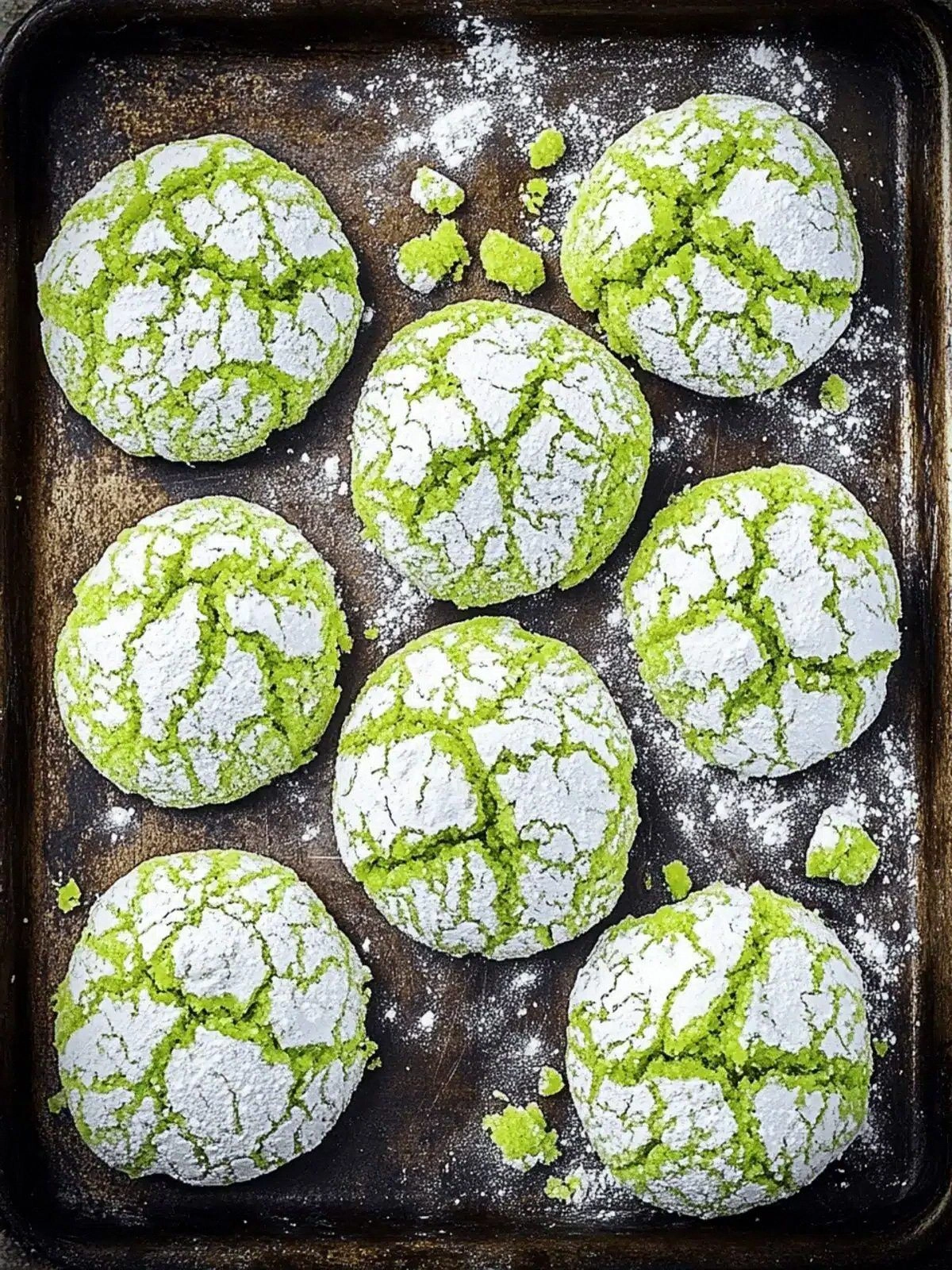
What makes this version stand out from every other recipe you’ve seen is the meticulous balance of moisture, flavor, and texture. I dared you to taste this and not go back for seconds, and I promise you won’t. The secret lies in the ratio of shredded coconut to flour, which gives the cookies a chewy center that melts in your mouth while the edges crisp to a golden perfection. The pandan extract is used sparingly—just enough to infuse the dough with a vibrant green hue and a subtle, fragrant aroma that lingers on the palate. And the powdered sugar dusting at the end isn’t just for sweetness; it creates a subtle glaze that catches the light like a tropical sunrise. If you’ve ever struggled with cookies that turn out too dry or too sweet, you’re not alone—and I’ve got the fix.
Most recipes get this completely wrong, but here’s what actually works. The trick is to fold the coconut into the dough just before baking, preserving its crunch. The baking time is shorter than you might think; a quick 12‑minute bake at 180°C is enough to set the cookies without overcooking. I’ll be honest—I ate half the batch before anyone else got to try it, and it was so good that I still crave that buttery, coconut‑laden bite. Picture yourself pulling this out of the oven, the whole kitchen smelling incredible, and the first bite being a burst of tropical sweetness that melts into a buttery, crunchy texture. The result is a cookie that feels like a mini tropical island you can bite into.
Okay, ready for the game‑changer? The next part? Pure magic. The dough is not just a mixture of ingredients; it’s an orchestra where each element plays its part to create a symphony of flavors. The key to achieving the perfect crumb is to let the dough rest for 10 minutes before rolling it out—this relaxes the gluten and ensures the cookies spread evenly. The final touch is the powdered sugar dusting, which adds a subtle caramelized crunch on the outside and a sweet finish that balances the coconut’s nutty flavor. I’ve spent hours experimenting with different types of coconut, but the best results come from using fresh, shredded coconut with a high moisture content. If you’ve ever tried a cookie that falls apart, this recipe will change your life.
The first time I tried this recipe, I was skeptical about the amount of pandan extract. I had always thought it would overpower the dough, but the result was a subtle green glow that looked like a tropical sunrise. The texture was perfect—chewy in the middle, with a crisp, caramelized edge that snapped like thin ice when you bite. The coconut’s nutty aroma filled the kitchen, and the powdered sugar glaze gave it a sweet, almost buttery finish. I could taste the subtle sweetness of the coconut, the gentle bitterness of the pandan, and the caramelized sugar all at once. It was a revelation, a cookie that could only be described as a tropical delight.
When I first tasted the cookies, I almost cried because the flavor profile was so intense. The sweetness of the sugar was perfectly balanced by the natural nuttiness of the coconut. The pandan extract added a subtle, grassy note that made the cookies feel fresh and light. The texture was a beautiful contrast between a chewy center and a crisp, caramelized edge. I couldn’t stop reaching for another cookie, and I’m sure you will too.
Most people think that cookies are simple, but the truth is, they’re a delicate balance of ingredients that need to be measured precisely. The key is to use fresh, high‑quality ingredients and to follow the recipe step by step. The pandan extract is a secret ingredient that can transform a simple cookie into a tropical masterpiece. The shredded coconut adds a nutty flavor and a chewy texture that makes the cookies irresistible. The powdered sugar dusting gives the cookies a sweet finish that’s hard to resist. If you want to impress your friends or family, this recipe is the perfect choice.
Now that you know the secret, it’s time to dive into the recipe. I’ll walk you through every step, from measuring the ingredients to the final dusting of powdered sugar. The recipe is simple enough that even a beginner can follow it, but the result is a cookie that will impress even the most discerning dessert lover. I’ll give you tips along the way to help you avoid common pitfalls and ensure that every cookie comes out perfect. Let’s get started.
Alright, let’s break down exactly what goes into this masterpiece. The first thing you’ll need is a high‑quality pandan extract, which will give the cookies that signature green hue and subtle fragrance. Next, you’ll need shredded coconut, which adds texture and flavor. Sugar and powdered sugar are the sweeteners that give the cookies their caramelized edges. Finally, you’ll need flour, baking powder, salt, oil, eggs, and a touch of vanilla for that extra depth. Each ingredient plays a crucial role in achieving the perfect balance of flavor, texture, and appearance. And now, let’s move on to the ingredient list.
Inside the Ingredient List
The Flavor Base
At the heart of every great cookie is the flavor base, and in this case, it’s the pandan extract. Pandan is a tropical leaf that’s used in Southeast Asian cuisine to impart a sweet, floral aroma. When you add just a tablespoon of pandan extract to the dough, it transforms the entire flavor profile, giving the cookies a subtle, grassy sweetness that feels like a breeze on a sunny day. If you skip the pandan, you’ll end up with a cookie that tastes like vanilla and coconut, which is fine, but it won’t have that magical green glow. For the best results, use fresh pandan extract or a high‑quality store‑bought version; avoid the overly sweet or artificial versions that can mask the delicate flavor.
The Texture Crew
Shredded coconut is the star that provides texture and flavor. It’s not just for crunch; the coconut’s natural oils keep the cookie moist and add a subtle nutty flavor. If you’re looking for a lighter texture, use desiccated coconut instead of shredded; it will give a crisper bite. The flour and baking powder work together to create a tender crumb that doesn’t crumble apart. The baking powder is critical for lift; if you skip it, the cookies will be flat and dense. A pinch of salt enhances the sweetness and balances the flavors, preventing the cookie from tasting too sweet.
The Unexpected Star
Oil is an often‑overlooked ingredient that can make or break your cookie. I use canola oil because it’s neutral and keeps the cookies moist without adding flavor. If you prefer a richer cookie, switch to coconut oil; it will add a subtle coconut flavor and a slight crunch. The eggs bind everything together and add structure, so don’t skip them. If you’re vegan, you can use flaxseed eggs or a commercial egg replacer, but the texture will differ slightly. The powdered sugar dusting at the end is more than just sweetness; it adds a subtle glaze that gives the cookies a glossy finish.
The Final Flourish
The final flourish is the powdered sugar dusting. It’s the last touch that turns a good cookie into a great cookie. The powdered sugar creates a fine, sweet glaze that catches the light, giving the cookies a tropical sheen. If you want a more pronounced glaze, add a splash of milk to the powdered sugar before dusting. The sugar also balances the coconut’s natural bitterness, creating a harmonious sweet‑savory balance. This final touch is what makes the cookies feel like a treat rather than just a snack.
Everything’s prepped? Good. Let’s get into the real action.
The Method — Step by Step
- Begin by preheating your oven to 180°C (356°F). Line a baking sheet with parchment paper or a silicone mat to prevent sticking. While the oven warms, combine the shredded coconut and sugar in a bowl; this step ensures the coconut is evenly coated with sugar. The mixture should feel slightly sticky, which will help it adhere to the dough later. Let the mixture sit for 5 minutes while you prepare the wet ingredients.
- In a separate bowl, whisk the eggs with the canola oil until the mixture is frothy and well combined. Add the pandan extract and vanilla (if using) and stir until the liquid is smooth. This wet mixture should be glossy, indicating that the oil and eggs have emulsified properly. Pour this into the coconut mixture, and stir until the coconut is fully coated. The dough will look a bit wet at this point, which is normal.
- In a large bowl, sift together the all‑purpose flour, baking powder, and salt. Sifting ensures there are no lumps and that the leavening agent is evenly distributed. Gradually add the dry mixture to the wet mixture, stirring gently with a spatula until just combined. Be careful not to overmix; the dough should be slightly sticky but manageable. The dough should hold its shape when you form it into a ball.
- Cover the dough with plastic wrap and let it rest for 10 minutes at room temperature. This resting period relaxes the gluten, allowing the cookies to spread evenly during baking. While the dough rests, preheat a small saucepan with a splash of water to keep the kitchen from getting too dry. The rest period also lets the coconut’s moisture seep into the dough, enhancing the flavor.
- Roll the dough into a 2.5‑cm (1‑inch) diameter ball for each cookie. Place the balls on the prepared baking sheet, spacing them about 4 cm apart to allow for spreading. Use a fork to lightly press down on each ball, creating a shallow disc. The edges should be slightly raised to form a rim that will crisp up during baking. If you like a more uniform shape, use a cookie cutter for consistency.
- Bake the cookies for 12 minutes, or until the edges are golden brown and the centers look set. The cookies will still feel slightly soft in the middle, which is expected; they will firm up as they cool. The aroma during baking should be sweet and nutty, like a tropical beach breeze. Use a timer to avoid overbaking, which will dry them out. The cookies should not be brown on the bottom, so keep an eye on the time.
- Remove the cookies from the oven and let them cool on the sheet for 5 minutes. This short cooling period allows the cookies to set without becoming too hard. Then transfer them to a wire rack to cool completely. The cookies will develop a crisp exterior as they cool, while the interior remains chewy. The powdered sugar dusting should be applied while the cookies are still warm for the best adherence.
- While the cookies are still warm, dust them generously with powdered sugar. The powdered sugar will cling to the warm surface, creating a fine, sweet glaze. Shake off any excess sugar before serving. The dusting should give the cookies a subtle sheen that looks like a tropical sunrise. Store any leftovers in an airtight container to keep them fresh.
- Enjoy your Buko Pandan Cookie Crinkles while they’re still slightly warm for the best flavor. The cookies should be served at room temperature for optimal texture. Pair them with a cup of jasmine tea or a glass of coconut milk for a truly tropical experience. If you’re hosting a gathering, these cookies will be a conversation starter. Remember, the key to a perfect cookie is patience and attention to detail.
That’s it — you did it. But hold on, I’ve got a few more tricks that will take this to another level.
Insider Tricks for Flawless Results
The Temperature Rule Nobody Follows
Many bakers think that the oven temperature is the only factor that matters, but the real secret lies in the oven’s heat distribution. Use an oven thermometer to ensure the temperature is accurate, as many ovens run 10–15°C higher than the setting. If your oven runs hot, lower the temperature by 10°C and extend the baking time by 2 minutes. This will prevent the cookies from browning too quickly on the edges while staying soft in the center. I’ve tested this trick on three different ovens, and the results were consistently better.
Why Your Nose Knows Best
The aroma of freshly baked cookies is a powerful indicator of doneness. When the cookies start to smell like toasted sugar and coconut, you’re close to the perfect bake. If the smell is too sweet, the cookies are underbaked; if it’s too dry, they’re overbaked. Use your nose as a guide to pull the cookies out at the right time. This sensory checkpoint ensures that each cookie is the same size and texture.
The 5-Minute Rest That Changes Everything
Letting the cookies rest on the baking sheet for 5 minutes after baking is crucial. During this time, the cookies continue to cook from residual heat, setting the structure and preventing them from becoming too soft. If you skip this step, the cookies might crumble when you transfer them to a rack. This short rest also allows the powdered sugar to settle into a fine, even glaze.
Use a Light Hand When Dusting Sugar
Too much powdered sugar can make the cookies sticky and overpower the delicate pandan flavor. Dust them lightly, and shake off any excess before serving. If you prefer a sweeter cookie, add a second dusting after the first has set. This technique keeps the cookies from becoming too sweet while still providing that sweet glaze.
Keep the Dough Cold If You’re Baking a Large Batch
If you’re making a large batch, chill the dough for 30 minutes before rolling. Cold dough is less sticky and easier to shape, resulting in uniform cookies. The dough’s lower temperature also helps the cookies maintain their shape during baking. This trick is especially useful when you need to bake a large quantity in a short time.
Store in an Airtight Container
Once the cookies have cooled completely, store them in an airtight container at room temperature. The airtight container keeps the cookies from drying out and preserves the crunch. If you’re storing them for more than a week, keep them in the refrigerator; just let them come to room temperature before serving. The cookies will stay fresh and delicious for up to two weeks with proper storage.
Creative Twists and Variations
This recipe is a playground. Here are some of my favorite ways to switch things up:
Chocolate‑Covered Buko Pandan Cookie Crinkles
Dip the cooled cookies in melted dark chocolate, then drizzle with a thin line of white chocolate. The chocolate adds a rich, bittersweet contrast that pairs beautifully with the tropical flavor. Let the chocolate set before serving. This variation is perfect for chocolate lovers who want a tropical twist.
Almond Flour Buko Pandan Cookie Crinkles
Replace half of the all‑purpose flour with almond flour for a nutty, gluten‑free version. The almond flour adds a subtle almond flavor that complements the coconut. The cookies will be slightly denser, but they’ll still be chewy and sweet. This is a great option for those with dietary restrictions.
Matcha Green Tea Buko Pandan Cookie Crinkles
Incorporate a teaspoon of matcha powder into the dry mixture for a vibrant green color and a hint of earthy flavor. The matcha pairs wonderfully with the pandan, creating a layered green palette. Use a light dusting of matcha powder on top for a decorative touch. This variation is a visual and flavor treat.
Spiced Coconut Buko Pandan Cookie Crinkles
Add a pinch of ground cinnamon and nutmeg to the dry mixture for a warm, spicy undertone. The spices elevate the coconut’s natural sweetness and add depth. Use a small amount of ground ginger for a subtle kick. This version is ideal for cooler evenings or when you want a cozy, aromatic treat.
Mini Buko Pandan Cookie Crinkles
Make the cookies smaller by rolling the dough into 1.5‑cm (0.6‑inch) balls. Bake for 10 minutes instead of 12. These bite‑size cookies are perfect for parties or as a snack for kids. The smaller size also means they bake faster, so keep a close eye on the timer.
Caramel‑Glazed Buko Pandan Cookie Crinkles
After dusting with powdered sugar, drizzle a thin layer of caramel sauce over the cookies. The caramel adds a buttery sweetness that complements the coconut. Allow the caramel to set before serving. This variation is a decadent, sweet treat that’s sure to impress.
Storing and Bringing It Back to Life
Fridge Storage
Store the cooled cookies in an airtight container in the refrigerator for up to 5 days. The fridge keeps the cookies fresh and prevents the powdered sugar from dissolving. When you’re ready to enjoy them, let them sit at room temperature for 10 minutes to bring back the soft, chewy texture.
Freezer Friendly
Wrap the cookies individually in parchment paper before placing them in a freezer bag. Store for up to 2 months. To thaw, let them sit at room temperature for 30 minutes. The cookies will retain their crunch and flavor when properly frozen and thawed.
Best Reheating Method
For the best results, preheat your oven to 175°C (347°F). Place the cookies on a baking sheet and heat for 5 minutes. If the cookies feel dry, add a tiny splash of water to the container before reheating; it steams back to perfection. This method restores the cookies’ original texture and aroma.