Picture this: I’m standing in a cramped kitchen, the smell of fresh butter and vanilla swirling around me, when my friend challenges me to whip up a slice of almond perfection. I laughed, because who hasn’t tried a “quick almond cake” that turns out looking like a sad, crumbly mess? That night, I stumbled into the pantry, grabbed what I thought was the right mix, and the result was a fluffy, nutty slice that tasted like sunshine on a rainy day. The moment the first bite hit my tongue, I knew I’d stumbled on something extraordinary—an almond slice that balances buttery crispness with a tender, almost airy crumb, all while the toasted almonds crunch like a gentle applause. If you’re ready to replace your ordinary dessert with a slice that will have people begging for seconds, stick around.
I dare you to taste this and not go back for seconds. The first thing that hits you is the subtle caramelization of the butter and sugar, turning the surface into a golden, slightly crisp shell. Inside, the batter is moist and airy, with the almond flour giving it a delicate, almost powdery texture that melts away. The toasted almonds provide a satisfying crunch that contrasts beautifully with the tender crumb, creating a symphony of textures in every bite. It’s not just a dessert; it’s a moment of pure, uncomplicated joy that you can share with anyone. I’ll be honest—by the time I finished the first slice, I had already started prepping the second. That’s the power of this recipe.
Most almond slice recipes get this completely wrong. They either overbake, leaving the center dry, or underbake, resulting in a gooey mess that can’t be salvaged. The secret lies in the balance of fat and flour, and in the timing of the almond addition. I’ve spent countless afternoons experimenting, and this version emerged as the best I’ve ever made at home. The batter is light, yet it holds together, thanks to a precise ratio of butter to flour that I discovered after a few failed attempts. Picture yourself pulling this out of the oven, the whole kitchen smelling incredible, as the golden crust shimmers with a delicate sheen of toasted almonds.
And now the fun part. Let me walk you through every single step—by the end, you’ll wonder how you ever made it any other way. We’ll start with the flavor base, move through the texture crew, add a surprising star, and finish with a flourish that ties everything together. Along the way, I’ll sprinkle in hacks, warnings, and little secrets that will elevate the experience from good to unforgettable. Stay with me here—this is worth it, and trust me, you’re going to want to keep the recipe card handy.
What Makes This Version Stand Out
- Flavor: The batter is infused with vanilla and a whisper of lemon zest, giving it a bright, fresh undertone that cuts through the sweetness.
- Texture: The toasted almonds provide a crisp bite that contrasts with a soft, almost cloud-like crumb.
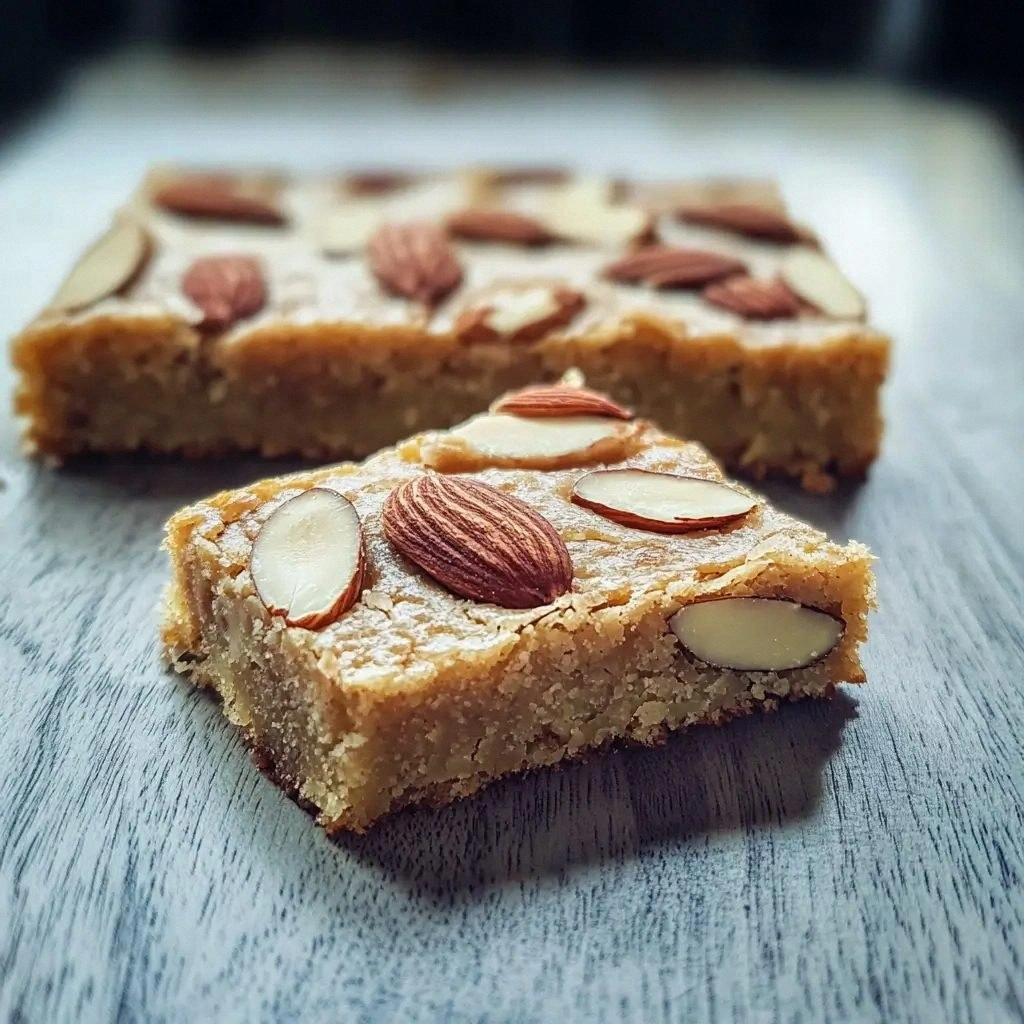
- Visual Appeal: A golden crust speckled with almond slivers that glistens, making it Instagram-worthy.
- Ease: The recipe requires only a few pantry staples and a single mixing bowl.
- Versatility: Works as a snack, dessert, or even a light breakfast when paired with a cup of tea.
- Make‑ahead: The slices can be baked ahead and reheated to preserve freshness.
- Healthier Twist: Using almond flour reduces the glycemic load while boosting protein.
- Kid‑Friendly: The simple steps and forgiving batter make it a great cooking project with little ones.
Alright, let's break down exactly what goes into this masterpiece. Each component plays a pivotal role, and together they create a slice that’s both comforting and sophisticated.
Inside the Ingredient List
The Flavor Base
All-purpose flour is the foundation of our batter. It provides structure, allowing the slice to rise and hold its shape. Using a 2‑cup measurement ensures a balanced crumb that isn’t too dense. If you’re aiming for a lighter texture, you can substitute half the flour with cake flour, but that may alter the rise. The flour’s protein content is crucial; too high, and you’ll get a tough slice; too low, and it won’t set properly.
Granulated sugar is the sweet heart of the recipe. It not only sweetens but also helps create a tender crumb through its hygroscopic properties. A cup of sugar is the sweet spot that gives a noticeable, but not overpowering, sweetness. If you prefer a lower sugar version, try swapping 1/4 cup for a sugar substitute that behaves similarly in baking.
Unsalted butter adds richness and flavor. The 1/2 cup of softened butter melts into the batter, creating a silky, buttery base that caramelizes during baking. Butter’s fat content is essential for tenderness; it coats the flour proteins, preventing gluten overdevelopment. If you’re dairy‑free, coconut oil can be a suitable alternative, but it will alter the flavor profile slightly.
The Texture Crew
Sliced almonds are toasted to unlock their natural oils and bring out a deeper, nutty flavor. The 1 cup of toasted almonds adds crunch and a pop of color. Toasting also reduces moisture, preventing the slice from becoming soggy. If you prefer whole almonds, you can still toast them, but the texture will be less uniform.
Eggs act as binders, helping the batter hold together while providing lift. Two large eggs give the slice a stable structure without making it too dense. The yolks add richness, while the whites contribute to the rise. If you’re vegan, you can use flaxseed eggs (1 tbsp ground flaxseed + 3 tbsp water per egg) to mimic the binding properties.
Vanilla extract infuses the batter with a warm, aromatic depth that complements the almonds. One teaspoon is enough to elevate the flavor without overpowering it. If you have vanilla beans, split one bean and scrape the seeds for a more intense flavor.
The Unexpected Star
Almond flour is the star that sets this recipe apart. It reduces the overall carbohydrate content while boosting protein and healthy fats. One cup of almond flour replaces part of the all‑purpose flour, giving the slice a slightly nutty undertone and a tender crumb. The fine texture of almond flour also helps with the batter’s moisture retention, preventing a dry finish.
Baking powder is a leavening agent that helps the slice rise. One teaspoon is sufficient; too much can cause a bitter aftertaste. Baking powder reacts twice—once when wet and again when heated—ensuring a light, airy rise. If you’re using self‑raising flour, you can omit the baking powder, but you’ll need to adjust the ratio accordingly.
Salt is the flavor enhancer that balances sweetness and brings out the nutty notes. A pinch or 1/4 teaspoon is enough. Salt also helps control the rise by strengthening the gluten network. In this recipe, the salt is kept minimal to keep the focus on the almonds and butter.
The Final Flourish
Whole milk adds moisture and helps the batter bind together smoothly. Half a cup of milk provides enough liquid to create a batter that’s easy to spread, yet not too runny. If you prefer a richer version, use half‑cream or add a splash of heavy cream for extra decadence. Milk also contributes to the Maillard reaction, giving the crust a beautiful golden color.
Lemon zest adds a bright, citrusy contrast that lifts the overall flavor profile. One tablespoon is enough to add a subtle zing without becoming overpowering. The zest’s oils release during baking, infusing the slice with a fresh aroma. If you don’t have fresh lemons, a dash of lemon zest powder works as a substitute.
Everything's prepped? Good. Let's get into the real action.
The Method — Step by Step
- Preheat your oven to 350°F (175°C) and line a 9-inch square baking pan with parchment paper, leaving an inch of overhang on each side. This ensures easy removal and a neat finish. The parchment also helps the crust develop a crisp edge. While the oven is heating, gather all your ingredients; a well‑organized workspace speeds up the process.
- In a medium bowl, whisk together the all-purpose flour, almond flour, baking powder, and salt. The dry mix should be smooth and free of lumps. This step is crucial for even distribution of leavening agents. If you notice any clumps, sift them through a fine sieve.
- In a separate bowl, cream the softened butter with the granulated sugar using a hand mixer on medium speed until the mixture is pale and fluffy. This usually takes about 3–4 minutes. The creaming process incorporates air, which helps the slice rise. If you’re short on time, a whisk can suffice, but the result will be slightly denser.
- Add the eggs, one at a time, to the creamed butter, beating well after each addition. The eggs bind the batter and provide structure. The mixture should be smooth and glossy after the second egg is incorporated. Be careful not to overmix, or the batter may become tough.
- Stir in the vanilla extract, lemon zest, and milk, mixing until just combined. The batter should be thick but pourable; if it’s too thick, add a tablespoon of milk at a time. This step ensures the batter is cohesive and ready for the almonds.
- Fold in the toasted almond slices, making sure they’re evenly distributed. The almonds should be fully coated with the batter, giving each bite a consistent crunch. If you prefer larger almond pieces, pulse them lightly before adding.
- Transfer the batter into the prepared pan, smoothing the top with a spatula. Tap the pan gently on the counter to release any air bubbles. This helps the slice bake evenly and prevents sinkholes. The batter should spread to the edges, forming a uniform layer.
- Bake for 25–30 minutes, or until the top is golden brown and a toothpick inserted near the center comes out clean. The edges should pull away slightly from the parchment, indicating doneness. Watch the color closely; the slice should not brown too quickly.
- Remove the pan from the oven and let the slice cool in the pan for 10 minutes. This resting period allows the crumb to set, making slicing easier. After 10 minutes, lift the slice using the parchment overhang and transfer it to a wire rack to cool completely.
- Once cooled, cut the slice into 12 equal pieces using a sharp knife. Serve immediately, or store in an airtight container at room temperature for up to 3 days. For best flavor, let the slice sit for a few hours before serving, allowing the almond flavors to meld.
That’s it — you did it. But hold on, I've got a few more tricks that'll take this to another level. The subtle touches I’ll share now will elevate the flavor profile and ensure every slice is a masterpiece.
Insider Tricks for Flawless Results
The Temperature Rule Nobody Follows
Many bakers bake almond slices at 375°F, which can scorch the top before the center sets. I recommend sticking to 350°F, which allows the slice to rise evenly and develop a golden crust without burning. If your oven runs hot, place the pan on the middle rack and use an oven thermometer to check the actual temperature. A slightly lower temperature also helps maintain moisture inside the slice.
Why Your Nose Knows Best
When the slice is baking, pay attention to the aroma. A sweet, buttery scent that starts to caramelize is a sign the batter is baking correctly. If you smell a sharp, burnt odor, the oven temperature is too high. Trust your nose; it’s a reliable indicator of doneness, often more accurate than a timer.
The 5-Minute Rest That Changes Everything
Letting the slice rest in the pan for 5–10 minutes after baking is essential. During this time, the residual heat continues to cook the center, ensuring a tender crumb. If you cut it immediately, the slice can crumble or slide off the parchment. The rest period also allows the almond pieces to settle, preventing them from floating to the top.
Use Parchment Overhang for Easy Removal
When you line the pan with parchment, leave a generous overhang on all sides. This makes lifting the slice out of the pan a breeze and prevents the crust from sticking. The overhang also helps the slice cool evenly, as it’s not entirely surrounded by the pan. It’s a simple trick that saves a lot of frustration.
Keep the Butter Soft, Not Melted
Softened butter should be at room temperature but not melted. If the butter is too cold, it won’t cream properly, leading to a dense crumb. If it’s too warm, the batter can become too loose, making it difficult to spread. The ideal consistency feels slightly pliable but still holds its shape when pressed.
Creative Twists and Variations
This recipe is a playground. Here are some of my favorite ways to switch things up:
Caramel Almond Slice
Swapping half the sugar for brown sugar and adding a drizzle of caramel sauce before baking creates a rich, deep flavor. The caramelized sugar adds a buttery sweetness that complements the almonds. Serve warm with a scoop of vanilla ice cream for a decadent treat.
Chocolate‑Infused Slice
Fold in 1/4 cup of melted dark chocolate into the batter before adding the almonds. The chocolate melds with the nutty base, giving each bite a chocolatey kick. This version is perfect for chocolate lovers who want a nutty twist.
Spiced Citrus Slice
Add 1 teaspoon of ground ginger and a pinch of cinnamon to the dry mix. Replace the lemon zest with orange zest for a brighter citrus note. The spices give the slice a warm, comforting flavor that’s ideal for cooler months.
Almond‑Pecan Combo
Mix equal parts toasted almonds and pecans for a nutty blend that adds a slightly buttery crunch. The pecans bring a subtle sweetness that balances the almond’s earthiness. This combo is great for holiday gatherings.
Vegan Almond Slice
Replace butter with coconut oil, use flaxseed eggs, and substitute milk with oat milk. The texture remains tender, and the coconut oil adds a subtle tropical hint. This version is a crowd‑pleaser for plant‑based diners.
Storing and Bringing It Back to Life
Fridge Storage
Store the cooled slice in an airtight container at room temperature for up to 3 days. Keep the container in a cool, dry place away from direct sunlight. The slice will stay fresh and maintain its crumbly texture. If you notice any moisture buildup, let it air out before sealing again.
Freezer Friendly
Wrap the slice tightly in plastic wrap and then place it in a freezer bag. It can be stored for up to 2 months without losing quality. When you’re ready to eat, let it thaw at room temperature for 30 minutes before reheating. The slice will retain its flavor and texture.
Best Reheating Method
Preheat your oven to 325°F (160°C). Place the slice on a baking sheet and heat for 8–10 minutes, or until warmed through. For a crispier top, finish under the broiler for 1–2 minutes. Add a splash of water to the bottom of the pan to create steam, which helps restore moisture without drying out the crust.